
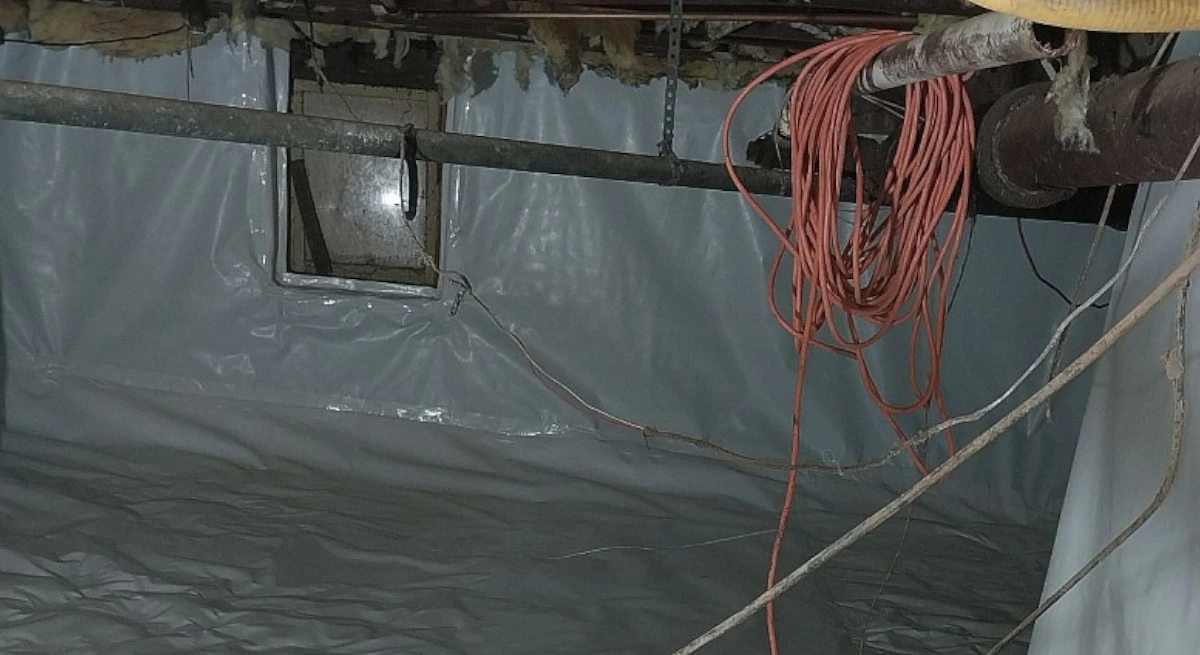
Crawl space ventilation was once considered the standard defense against moisture. For decades, foundation vents were installed to “air out” damp spaces beneath homes. The logic seemed sound: let outside air circulate, and moisture would escape. But building science has evolved. In humid regions like Long Island and Brooklyn, outside air often introduces more moisture than it removes, leading to mold growth, wood rot, insulation failure, and rising energy bills.
Today, understanding how to seal vents in a crawl space means understanding the entire moisture control system. Vent sealing alone is not the solution. Proper crawl space treatment includes air sealing, vapor barriers, humidity management, and, in many cases, full encapsulation of the space. When designed correctly, a sealed crawl space enhances HVAC efficiency, stabilizes indoor temperatures, protects the structural framing, and improves overall indoor air quality.
In this guide, you’ll learn crawl space ventilation 101, practical vent sealing methods, air joint sealing strategies, and long-term humidity control approaches that protect your home from the ground up.
Get a Personal Crawl Space Evaluation Today!
Crawl Space Ceiling & How to Seal a Crawl Space
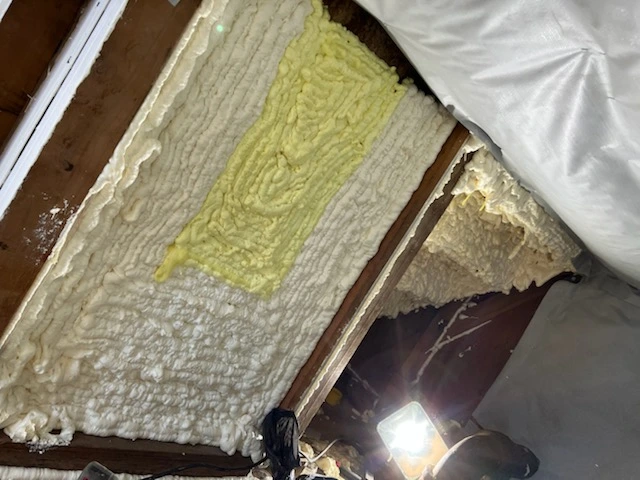
The crawl space ceiling is the underside of your home’s main floor. The floor joists, subfloor, insulation, and framing that separate the crawl space from the living area above is your defense from energy loss and cold drafts. If it leaks air, humidity from below can rise into your home. Learning how to seal a crawl space begins with sealing this ceiling plane correctly.
Air joint sealing focuses on closing gaps along joists, rim joists, and framing seams. Spray foam insulation is commonly used to create an airtight barrier along the ceiling perimeter and around the band board. In some cases, rigid foam panels are installed and sealed at the edges to reduce both air movement and thermal transfer.
Penetrations must also be sealed. Plumbing lines, HVAC ducts, electrical wiring, and gas lines frequently pass through the crawl space ceiling. Even small gaps around these openings allow uncontrolled air exchange driven by the stack effect. Expanding foam or high-quality caulk should be applied carefully to block these pathways and prevent humidity infiltration.
This ceiling sealing work connects directly to the crawl space vent strategy. When converting from a traditionally vented crawl space to a conditioned system, sealing crawl space vents is only one part of the process. The ceiling, walls, and penetrations must be treated as part of a continuous air barrier so the crawl space becomes part of the home’s controlled envelope.
With ventilation fundamentals covered, the next step is applying these principles to practical vent sealing techniques and full system design.
Breathe Easy Again with Our Expert Crawl Space Mold Removal Services for New York Properties
Once you understand the airflow and stack effect dynamics discussed above, sealing crawl space vents becomes a precision task. Not a cosmetic one. The goal is to create an airtight barrier, not simply to “close” louvers.
- Step 1: Evaluate Moisture Conditions First
Before sealing anything, inspect for standing water, elevated soil moisture, plumbing leaks, or condensation on framing. If humidity problems are active, sealing vents without correcting the source can trap moisture and accelerate mold growth. Address drainage, vapor intrusion, and bulk water issues first.
- Step 2: Choose the Right Sealing Method
Common vent-sealing options include:
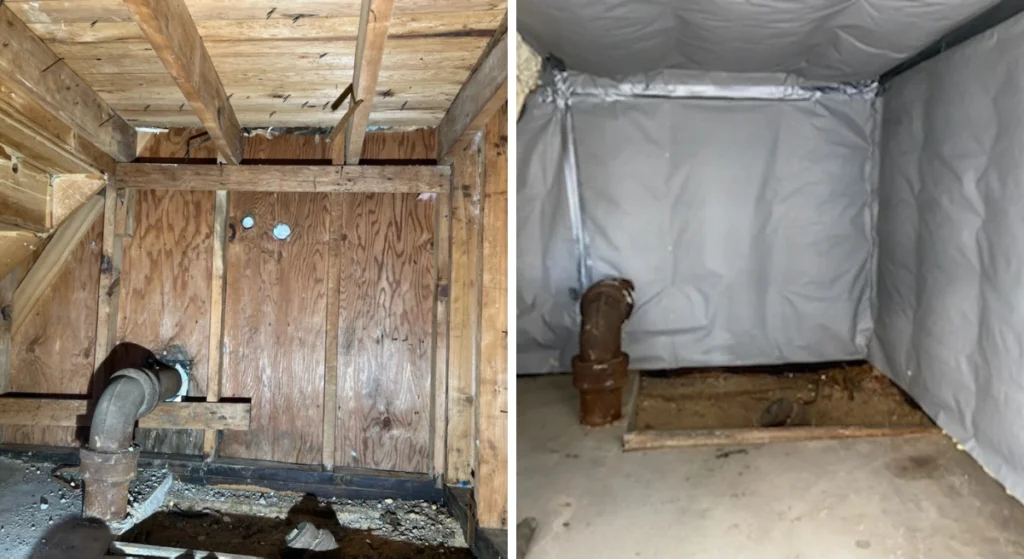
- Foam insulation blocks cut to fit tightly inside the vent frame
- Rigid foam panels measured precisely and sealed at edges
- Custom vent covers mechanically fastened and air-sealed Spray foam or high-quality exterior caulk to seal perimeter gaps Each method must create a continuous air barrier. Gaps around the edges defeat the purpose.
- Step 3: Cut for an Airtight Fit
A loose insert is ineffective. Foam panels should be cut slightly oversized for compression fit. All perimeter edges should be sealed to framing with spray foam or sealant to eliminate air leakage.
- Step 4: Integrate With the Overall Air Barrier
Vent sealing should tie into rim joist sealing and crawl space ceiling air sealing. The objective is a continuous boundary that stops outside air infiltration.
Homeowners can install foam inserts for temporary improvements. However, DIY vent sealing often lacks full air sealing continuity and moisture management integration. Professional encapsulation addresses soil vapor, drainage, insulation, and humidity control as a coordinated system rather than a single upgrade.
Crawl Space Door Seal & Air Joint Strategies
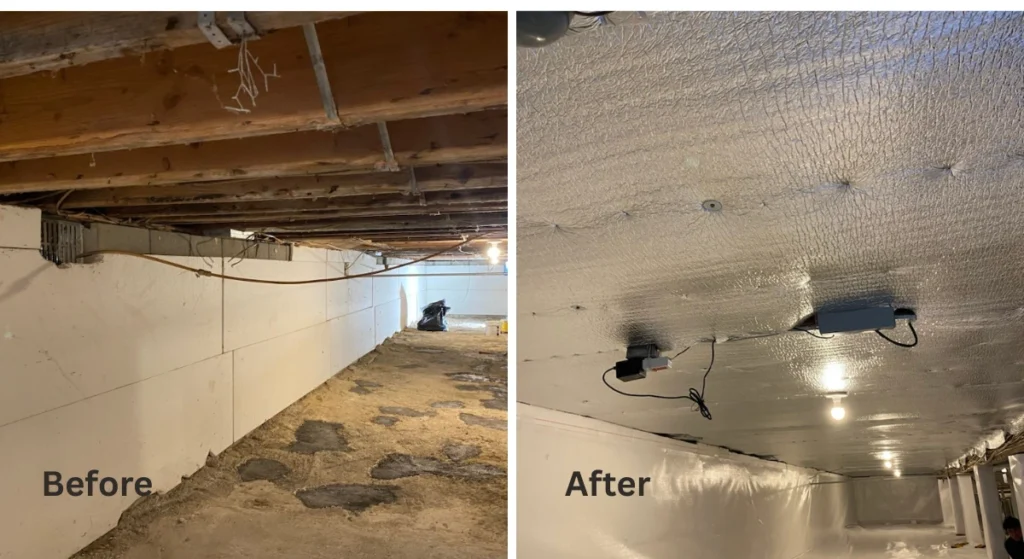
A properly sealed crawl space goes far beyond blocking exterior vents. Encapsulation converts the crawl space into a controlled, conditioned environment that actively manages moisture rather than reacting to it.
Encapsulation typically includes:
- Heavy-duty vapor barrier installation across the crawl space floor
- Wall vapor barrier attachment and seam sealing
- Sealed penetrations around plumbing, ducts, and framing joints
- Insulated and sealed rim joists
- Sealed crawl space access door systems
This approach addresses the primary moisture source: ground vapor. Soil continuously releases moisture into the air. If vents are sealed but the soil remains exposed, humidity will rise internally.
Crawl Space Door Seal & Air Joint Strategies
An overlooked weak point in many systems is the access opening. A proper crawl space door seal is essential if the goal is full humidity control. Even with sealed vents and encapsulated walls, an unsealed access door allows outside air to re-enter the system.
Access doors should be fitted with:
- Durable weather stripping along all edges
- Compression latches to create a tight seal
- Insulated, airtight thermal crawl space doors (in encapsulated systems)
The door should close firmly without visible light gaps. If daylight is visible, air is moving. Beyond the door, every air joint matters. Pipes, ductwork, electrical lines, and framing transitions must also be sealed properly.
Maintaining Low Humidity in Your Sealed Crawl Space
A properly sealed system must be maintained. Humidity control is the long-term performance indicator. Ideal crawl space relative humidity typically falls between 45–55%. Levels above 60% increase mold risk and wood moisture content. Monitoring with a digital hygrometer provides clarity.
Most sealed crawl spaces benefit from:
- Dedicated crawl space dehumidifiers
- Self-draining units connected to a condensate pump or floor drain
- Integrated humidity control systems tied to monitoring sensors
Placement matters. Dehumidifiers should allow unobstructed airflow and direct drainage away from the foundation. Units should not sit directly against vapor barriers without airflow clearance.
Simple maintenance checklist:
- Inspect for standing water after heavy rain
- Confirm vapor barrier seams remain sealed
- Check door and vent seals annually
- Monitor dehumidifier drain lines for clogs
- Test sump pumps and drainage systems (if installed)
- Track humidity levels seasonally
Encapsulation and sealing create the system. Monitoring ensures it performs year after year.
How to Seal Vents in a Crawl Space: Final Thoughts
Effective crawl space sealing is not a single product — it is a coordinated strategy. From sealing crawl space vents to addressing soil vapor, air joints, and humidity control, each layer builds toward a fully sealed crawl space that functions as part of your conditioned home envelope.
If you are evaluating how to seal a crawl space, begin with moisture assessment, follow the structured approach outlined above, and review the detailed sections on vent sealing, encapsulation, and humidity management. A systematic plan produces lasting results.
Save Your Crawl Space: Request a Sealing & Ventilation Plan!
Frequently Asked Questions About Crawl Space Ventilation
Should you seal crawl space vents in all climates?
Not automatically. As discussed in the ventilation section, climate and humidity patterns matter. In humid regions, sealing vents as part of a full encapsulation system is often recommended. In dry climates, traditional venting may still perform adequately when moisture intrusion is minimal.
How do you know if your crawl space humidity is too high?
Relative humidity consistently above 60%, musty odors, condensation on ductwork, or visible mold indicate elevated moisture levels. Refer to the humidity maintenance section for monitoring guidance.
What materials are best for sealing crawl space vents?
Foam insulation blocks, rigid foam panels, and custom-fitted covers sealed with spray foam or caulk are common solutions. As explained in the vent sealing section, airtight fit is critical.
Is sealing vents without moisture control a bad idea?
Yes. Sealing vents without addressing soil vapor, drainage, or standing water can trap humidity. The encapsulation section explains why vent sealing must be part of a broader moisture management plan.
How does crawl space encapsulation improve energy efficiency?
Encapsulation reduces uncontrolled air exchange and protects HVAC ductwork from damp air exposure. This stabilizes indoor temperatures and reduces system strain, as discussed in earlier sections.
Can sealing vents trap soil gases like radon?
Sealing alone does not address soil gases. Proper encapsulation with vapor barriers and, when necessary, radon mitigation systems manages this risk. Testing is recommended in areas with known radon presence.
What is the difference between a sealed crawl space and a conditioned crawl space?
A sealed crawl space blocks outside air and soil moisture. A conditioned crawl space integrates humidity control and sometimes limited HVAC supply to maintain stable air conditions within the home envelope.
How long does crawl space encapsulation last?
Most professional crawl space encapsulation systems last 15–25 years or longer when installed correctly. Longevity depends on:
- Thickness and quality of the vapor barrier
- Proper seam sealing and attachment
- Functional drainage and sump systems
- Ongoing humidity control (45–55% RH)
- Routine inspections and maintenance
Regular monitoring of seals, drainage lines, and dehumidifiers helps extend the life of a sealed crawl space system.
Will sealing crawl space vents make my floors warmer in winter?
Yes, in most humid and cold-season climates. Sealing crawl space vents reduces:
- Cold air infiltration beneath the floor system
- Heat loss caused by air leakage
- Insulation performance decline from damp conditions
When vents are sealed and air joints are properly sealed, the crawl space becomes more thermally stable. This often results in warmer floors and improved overall comfort.
Do I still need insulation after sealing my crawl space?
Yes, but the insulation location may change.
- In vented crawl spaces, insulation is typically installed in the crawl space ceiling.
- In a sealed crawl space with encapsulation, insulation often shifts to perimeter walls and rim joists.
This configuration supports energy efficiency while keeping humidity controlled. Insulation works best when combined with proper vapor barriers and air sealing, not as a standalone solution.