
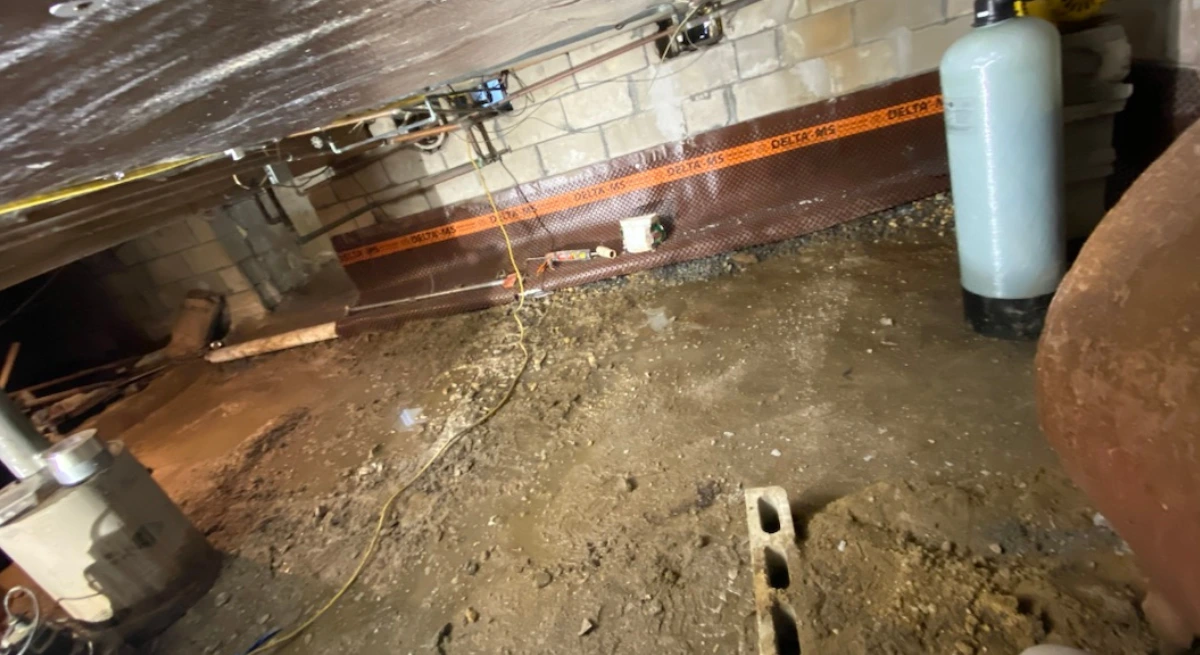
If you’re struggling with mold in your crawl space, you’re not alone—mold destroys more wood than termites and fires combined, and up to 40% of the air you breathe in your home may be coming from your crawl space right now. That means every breath could be carrying mold spores, allergens, and contaminants that impact your health and the integrity of your home.
Ignoring crawl space mold is not an option—it spreads fast, eats away at wooden structures, and can lead to expensive repairs. Whether you’ve noticed musty odors, increased allergy symptoms, or visible signs of mold growth, now is the time to act. Our crawl space mold removal services in New York provide fast, effective solutions to remove mold, restore air quality, and protect your home for the long term.
With professional crawl space mold inspection, mold remediation, and mold encapsulation, we handle everything from detection to full removal—so you won’t have to look anywhere else.
Get Your Crawl Space Mold Problem Solved Today! Contact Us Now for Expert Mold Removal in New York.
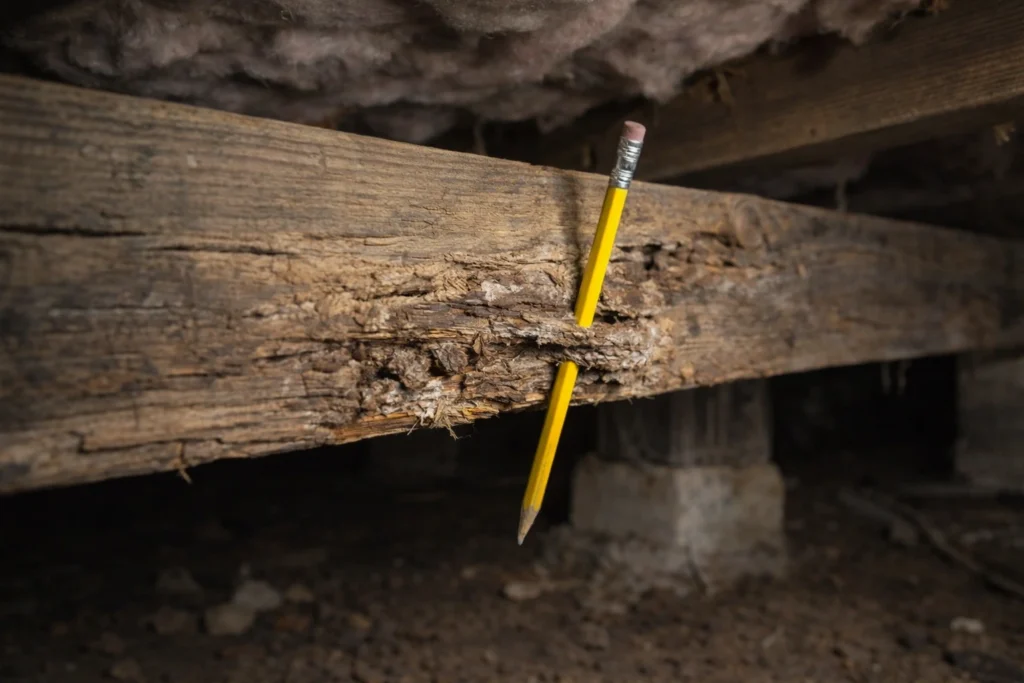
Signs Of Crawl Space Wood Rot: How To Tell If Structural Lumber Is Failing
Crawl space wood rot rarely announces itself loudly. It develops slowly, often hidden beneath flooring, insulation, and framing where moisture lingers unnoticed. Over time, structural lumber begins to change in texture, strength, and appearance.
Recognizing the early signs of crawl space wood rot can prevent minor deterioration from turning into costly structural repairs. The signs of crawl space wood rot usually become visible in the wood’s surface condition and structural alignment.
Below are the most common indicators homeowners and inspectors look for when evaluating crawl space framing:
These changes suggest the wood fibers themselves may be breaking down rather than simply showing surface staining. It’s important to note, however, that not all discoloration or spotting means rot is present. Some staining may be related to surface mold or past moisture exposure without structural decay, which is why accurate assessment is critical before assuming structural failure.
What Causes Crawl Space Wood Rot?
Wood rot does not occur randomly. It requires sustained moisture, whether from chronic humidity, groundwater intrusion, plumbing leaks, or poor drainage around the foundation. In areas like Long Island, where groundwater flooding and seasonal saturation are common, crawl spaces are especially vulnerable to excess moisture accumulation. When structural lumber remains damp and airflow is limited, fungi begin breaking down the wood fibers, weakening joists, beams, and sill plates over time.
Understanding the source of that moisture is the first step toward stopping structural deterioration. Here are the main causes of crawl space wood rot:
- Inadequate Drainage Systems: Poor exterior grading, clogged footing drains, or improperly directed downspouts allow water to collect around the foundation. Over time, that water seeps into the crawl space and keeps structural framing damp.
- Groundwater Flooding And Seasonal Saturation: High water tables and heavy rain events, common in parts of Long Island, can lead to periodic crawl space flooding. Even minor groundwater intrusion creates prolonged moisture exposure that accelerates rot.
- Plumbing Leaks And Mechanical Failures: Slow pipe leaks, dripping supply lines, or condensation from HVAC components introduce concentrated moisture directly onto framing. These localized wet areas often lead to rapid structural decay if left undetected.
- Exposed Soil And Missing Vapor Barriers: Bare ground continuously releases water vapor into the crawl space. Without a properly installed and sealed vapor barrier, moisture rises and settles into joists and subfloor framing.
- Excess Humidity And Condensation From Poor Ventilation: Relative humidity above 60% supports fungal growth. Open foundation vents in humid climates and seasonal temperature swings can create condensation cycles that keep wood persistently damp.
Each of these conditions contributes to a moisture environment that allows wood rot to develop. Correcting the underlying water source is essential to stopping further structural damage.
Wood Rot Vs Mold: Understanding The Structural Difference
Wood rot and mold on wood often appear in the same damp environments, which makes confusion common. Both thrive in moisture-rich crawl spaces, and both can cause visible changes to framing materials. However, the impact on structural integrity is very different. Understanding the distinction helps homeowners respond appropriately without overreacting, or underestimating, the problem.
| Wood Rot | Mold |
|---|---|
| Breaks Down And Consumes Wood Fibers | Grows On The Surface Of Materials |
| Weakens Structural Integrity Over Time | Typically Does Not Compromise Structural Strength |
| Develops After Prolonged Moisture Exposure | Can Develop With Elevated Humidity Alone |
| Often Leads To Softened Or Compromised Lumber | May Discolor Wood Without Deep Fiber Damage |
Misdiagnosis happens because both conditions can darken wood and appear in similar patterns. Mold may look severe but remain surface-level, while rot may quietly weaken structural members beneath the surface. A professional evaluation ensures the issue is identified correctly before repairs or remediation begin.
Types Of Wood Rot Found In Crawl Spaces
Not all wood rot behaves the same way. While homeowners don’t need to identify fungal species, understanding general decay patterns helps clarify severity and structural risk. The most common forms found in crawl spaces differ in texture, appearance, and speed of damage progression.
Dry Rot (Brown Rot)
Despite the name, dry rot still requires moisture to begin. It often leaves behind a cracked, cube-like pattern in lumber and can weaken structural framing rapidly once established.
Wet Rot
Wet rot develops in wood exposed to constant or repeated moisture. It typically results in soft, spongy lumber that compresses easily and may appear darker than surrounding areas.
White Rot
White rot breaks down lignin within the wood, leaving a lighter color and fibrous texture behind. While sometimes slower than brown rot, it still compromises structural integrity over time.
Each type signals prolonged moisture exposure, and each requires correction of the moisture source before repairs can succeed.
Can Crawl Space Wood Rot Be Repaired?
Wood rot repair depends entirely on severity and structural impact. Not every affected board requires full replacement, but not every compromised joist can safely remain in place either. The determining factors include depth of decay, load-bearing responsibility, and whether structural strength can be restored.
Below is a simplified comparison of when treatment is appropriate versus when full replacement becomes necessary.
| Repair (Treatment & Reinforcement) | Replace (Structural Removal & Rebuild) |
|---|---|
| Surface-Level Or Early-Stage Decay | Joists Or Beams Structurally Compromised |
| Limited Fiber Damage Without Deep Penetration | Advanced Fungal Penetration Throughout Lumber |
| Wood Strength Can Be Restored Or Reinforced | Sagging Or Deflection Creating Safety Risk |
| Sistering Or Structural Reinforcement Feasible | Structural Integrity Cannot Be Reliably Restored |
Early detection often allows for localized treatment and reinforcement. However, once structural members lose significant load-bearing capacity, replacement becomes the safer long-term solution. Proper evaluation determines the appropriate path forward.
Crawl Space Wood Rot Repair Cost
Repair costs vary based on severity, accessibility, and the extent of structural involvement. Minor surface corrections differ significantly from beam replacement or structural rebuilding. In many cases, addressing the moisture source becomes part of the overall solution.
Typical Cost Ranges
| Service Type | Estimated Range |
|---|---|
| Minor Spot Repair | $500 – $1,500 |
| Sistering Floor Joists | $1,500 – $4,000 |
| Beam Replacement | $3,000 – $8,000+ |
| Extensive Structural Rebuild (Rare) | $8,000 – $20,000+ |
| Crawl Space Encapsulation | $5,000 – $15,000 |
| Dehumidifier Installation | $1,200 – $3,500 |
| Drainage Correction | $1,500 – $6,000 |
Every crawl space is different. Accessibility, structural design, and the duration of moisture exposure all influence scope and pricing. A professional inspection is required to determine the extent of decay and identify the corrective strategy that will prevent recurrence.
Why Professional Crawl Space Wood Rot Remediation Is Critical
Wood rot is not just damaged lumber. It is a moisture system failure. Treating the wood alone without correcting the underlying conditions leads to repeat deterioration. Effective remediation addresses structure, moisture control, and long-term environmental stability together.
Professional remediation typically includes:
- Structural Evaluation Of Joists, Beams, And Load Points
- Identification And Correction Of Moisture Sources
- Accurate Differentiation Between Mold And Structural Rot
- Proper Vapor Barrier Installation And Sealing
Dehumidification System Design And Installation - Ongoing Humidity Monitoring Recommendations
When addressed comprehensively, remediation stops progression, protects long-term home value, and prevents repeat structural damage. It also ensures structural reinforcement is performed safely and in compliance with building standards.
A system-level approach restores stability beneath your home, not just the appearance of the wood.
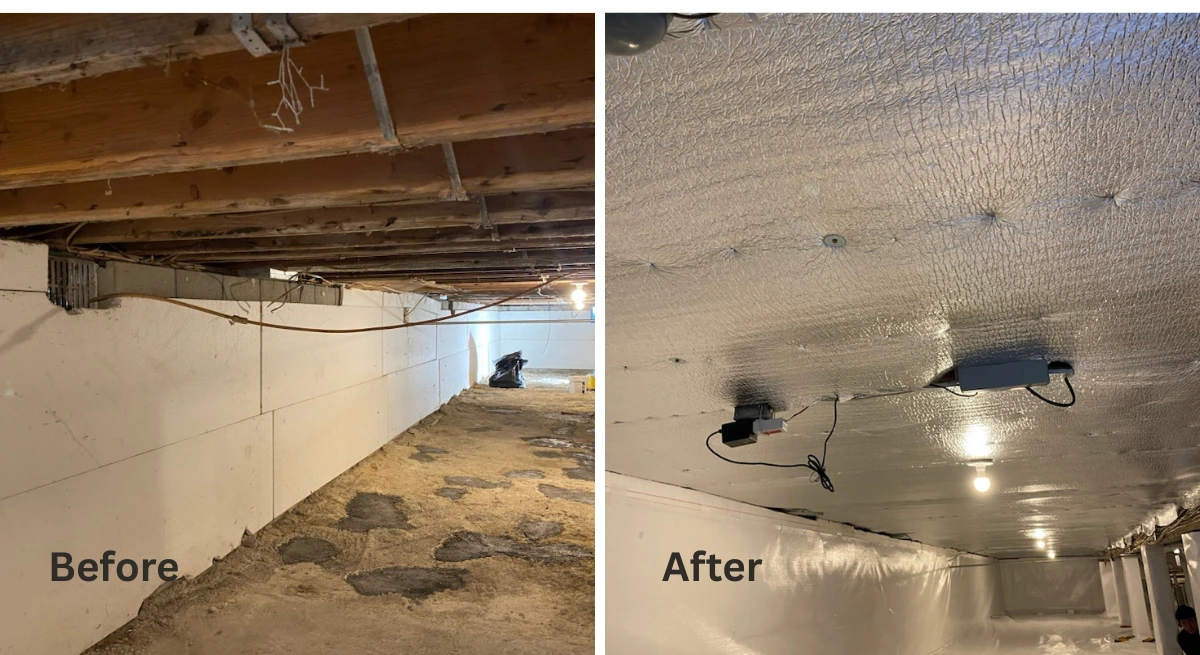
Before and After: Your End-to-End Crawl Space Moisture Control Experts
An untreated crawl space often contains exposed soil, hanging insulation, condensation on ductwork, and fluctuating humidity levels. These conditions create the perfect environment for decay organisms to thrive.
Crawl space encapsulation creates a clean, dry, sealed, and mechanically controlled environment. By eliminating soil vapor transmission and regulating humidity, wood framing remains below the moisture thresholds required for rot to develop.
The result:
- Lower humidity year-round
- Reduced musty odors
- Protection against structural decay
- Improved indoor air quality
- Increased energy efficiency
When Encapsulation Is the Right Solution
Encapsulation (vapor barrier installation) is particularly appropriate when:
- Wood rot has already occurred
- Moisture readings remain elevated after repairs
- There is visible mold growth on joists
- Floors above feel soft or uneven
- Standing water or chronic dampness is present
- The home is located in a humid coastal climate
For many Long Island and NYC area homes with vented crawl spaces, crawl space encapsulation represents a permanent correction rather than a temporary fix.
Crawl Space Wood Rot: Final Thoughts
Crawl space wood rot is rarely just a wood problem. It is a signal that moisture is entering, accumulating, and remaining beneath your home longer than it should. Left uncorrected, that moisture slowly weakens structural framing, increases repair costs, and reduces long-term property value. The earlier the issue is identified, the more controlled and cost-effective the solution becomes.
The key is addressing both the structural damage and the underlying moisture system at the same time. Repairing wood without correcting drainage, groundwater intrusion, ventilation, or vapor control simply resets the clock on future deterioration. A comprehensive evaluation ensures the problem is solved at its source, not just treated at the surface.
Schedule Your Crawl Space Inspection Today And Stop Structural Damage Before It Progresses.
Breathe Easy Again with Our Expert Crawl Space Mold Removal Services for New York Properties
What Is Crawl Space Wood Rot?
Crawl space wood rot is the structural breakdown of wood framing caused by prolonged moisture exposure. Unlike surface mold, rot consumes and weakens the wood fibers themselves. Over time, it can compromise joists, beams, sill plates, and subfloor framing if not corrected.
How Do I Know If Wood Rot Is Structural Or Just Surface Staining?
Surface staining typically affects appearance only, while structural wood rot changes the strength and texture of the lumber. Softness, cracking along the grain, sagging framing, or spongy wood indicate deeper fiber damage. A professional inspection confirms whether the issue is cosmetic or structural.
What Causes Crawl Space Wood Rot In The First Place?
Crawl space wood rot develops when moisture remains trapped around structural lumber. Common sources include high humidity, exposed soil without a vapor barrier, plumbing leaks, or poor drainage near the foundation. Sustained moisture — not just occasional dampness — is the key trigger.
Is Crawl Space Wood Rot Dangerous?
Yes, it can be. As rot progresses, it weakens load-bearing components that support your floors. In advanced cases, this can lead to sagging floors, structural instability, and costly repairs if not addressed early.
Can Crawl Space Wood Rot Spread?
Rot itself affects the wood it penetrates, but the moisture conditions that allow it to develop can impact surrounding framing. If moisture is not corrected, adjacent joists and beams may become vulnerable over time.
Can I Treat Crawl Space Wood Rot Myself?
Minor surface deterioration may appear manageable, but structural evaluation is critical before attempting treatment. Without correcting the underlying moisture source, repairs are likely to fail. Professional remediation addresses both the damaged wood and the moisture system.
How Much Does Crawl Space Wood Rot Repair Cost?
Costs vary depending on severity and structural involvement. Minor repairs may involve localized treatment or reinforcement, while advanced damage can require joist or beam replacement. A crawl space inspection determines the appropriate scope of work.
Will Encapsulation Stop Crawl Space Wood Rot?
Encapsulation helps control ground moisture and humidity when properly installed and sealed. When combined with drainage correction and dehumidification, it significantly reduces the risk of future wood rot.
Is Crawl Space Wood Rot The Same As Mold?
No. Mold grows on the surface of materials and may not affect structural strength. Wood rot, however, breaks down the internal structure of lumber and weakens its load-bearing capacity.
When Should I Schedule A Crawl Space Inspection?
Schedule an inspection if you notice soft wood, sagging floors, persistent musty odors, visible fungal growth, or if you’re buying or selling a home. Early evaluation helps prevent structural damage from spreading and reduces long-term repair costs.