
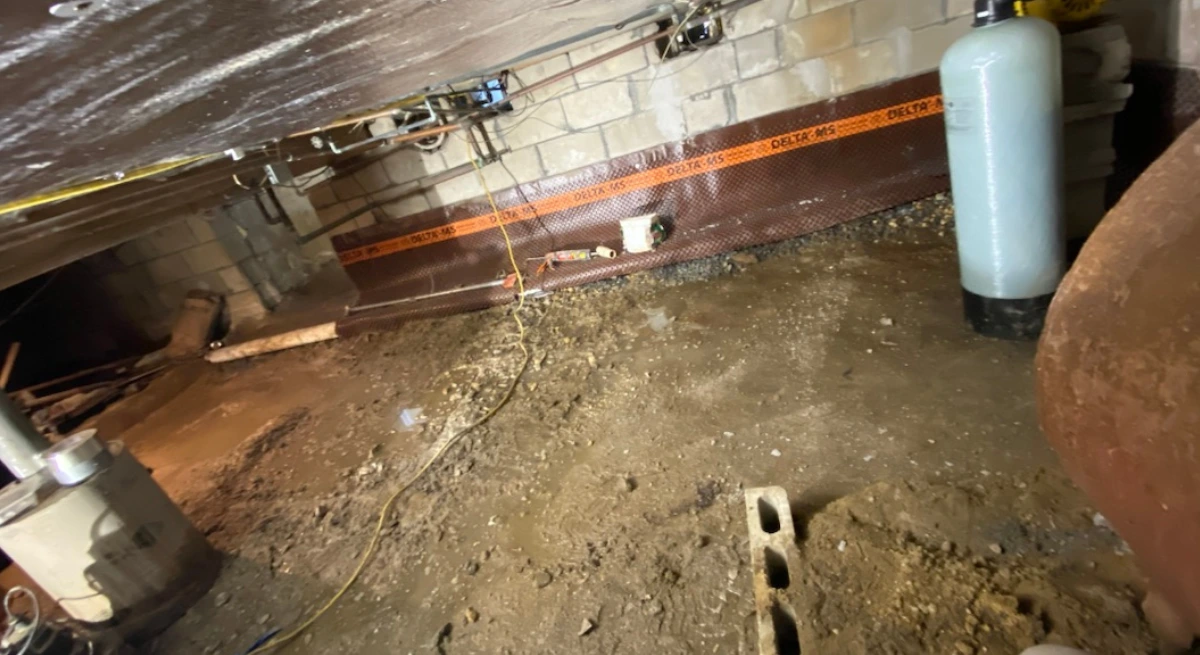
Crawl space problems often start quietly, but they rarely stay hidden for long. If you’ve noticed a musty smell in your home, sagging or uneven floors, rising indoor humidity, visible mold, or even standing water beneath your house, your crawl space may already be affecting the health and stability of your home. Many homeowners assume these issues are isolated. In reality, most crawl space problems share the same root cause: excess moisture. When moisture builds up beneath your home, it can trigger mold growth, weaken wooden framing, damage insulation, and allow contaminated air to move upward into your living space.
In this guide, you’ll learn the most common types of crawl space problems, why they develop, the warning signs you shouldn’t ignore, and the health and structural risks they can create over time. You’ll also discover the professional solutions used to permanently control moisture and protect your home. Our team approaches crawl space repair using proven building-science principles to diagnose the real cause of the problem. Not just the symptoms.
From Long Island, Brooklyn, Queens, or the Bronx? Schedule Your Crawl Space Inspection Now!
Crawl Space Problems: What Goes on in Crawl Spaces While No One is Watching?
Your crawl space is part of your home’s building envelope, meaning it directly affects your indoor air quality, structural stability, and overall moisture balance. Even though it sits below your living space, the conditions underneath your home can influence everything from the air you breathe to the durability of your flooring system.
Crawl spaces are especially vulnerable to environmental stress because they sit directly above soil and are exposed to multiple moisture sources. Ground contact allows soil moisture and ground vapor to continuously move upward. Many homes also have poorly designed ventilation, which was once believed to dry crawl spaces but often traps humid air instead. Plumbing lines running through the area add another potential source of leaks, condensation, and excess humidity.
Another major factor is the stack effect. The stack effect is the natural upward movement of air inside a home. When crawl space air becomes humid or contaminated, that air can rise into your living areas, carrying moisture, mold spores, and odors along with it.
Most crawl space problems fall into five primary categories:
- Moisture & Humidity
- Mold Growth
- Structural Damage
- Drainage & Flooding
- Ventilation & Air Quality Issues
Each category often overlaps with the others, because moisture tends to drive many of the problems homeowners experience.
For deeper explanations, see our guide on Crawl Space Moisture Control.
Crawl Space Moisture and Humidity Levels
Humidity is the most common and most damaging condition found in crawl spaces. Ideally, the relative humidity in a crawl space should stay below 60% to prevent mold growth and structural decay. When humidity rises above this level, the environment becomes ideal for mold, wood rot, and insulation deterioration.
Traditional vented crawl spaces were designed under the assumption that outdoor air would dry the space. In humid climates, however, outside air often brings in even more moisture.
During warmer months, humid air enters through vents and condenses on cooler surfaces such as ductwork, floor joists, and subflooring.
Over time, this persistent humidity can lead to mold growth on wooden framing, rotting structural components, and sagging or ineffective insulation. Wet insulation loses its thermal performance, increasing energy costs and reducing comfort inside your home. If humidity issues are present in your crawl space, it’s important to address the source of moisture and control the environment with proper sealing and dehumidification.
Learn more in our Home Humidity Guide.
Ground Vapor & Soil Moisture
Even when there’s no visible water, moisture can still enter your crawl space from the ground below. Soil naturally holds water, and through capillary action, that moisture slowly moves upward as vapor. Because crawl spaces sit directly above exposed earth, they are constantly exposed to this invisible source of humidity.
One of the most common problems is a missing or damaged vapor barrier. Without a properly installed barrier covering the soil, ground moisture can continuously evaporate into the crawl space air. Over time, this increases humidity levels, encourages mold growth, and raises the moisture content of wooden framing materials.
Seasonal weather patterns can make the issue worse. During wet seasons or after long periods of rainfall, soil moisture levels increase significantly. As the ground becomes saturated, more vapor is released into the crawl space, creating sudden spikes in humidity that can trigger mold growth and structural deterioration.
Learn more about protection methods in What Is a Vapor Barrier in a Crawl Space.
Condensation on Ductwork & Joists
Condensation occurs when warm, humid air meets cooler surfaces, a common condition in crawl spaces during warmer months. When outside humidity enters the space, it can condense on cooler structural components such as floor joists, metal ductwork, and plumbing lines.
This is especially common during summer. Warm air entering through vents mixes with the cooler temperatures beneath the home, causing moisture to form on exposed materials. HVAC ducts are particularly vulnerable because cold air moving through them lowers the surface temperature of the metal.
When ductwork begins “sweating,” water droplets can drip onto insulation, wood framing, and the crawl space floor. Over time, this repeated moisture exposure can lead to mold growth, wood rot, and insulation failure.
Standing Water & Saturated Soil
In more severe cases, crawl spaces can develop standing water or saturated soil, which dramatically increases moisture levels and accelerates structural damage.
Heavy rain is one of the most common causes. If the surrounding landscape does not properly direct water away from the foundation, rainwater can pool around the home and seep into the crawl space. Poor exterior grading often allows water to flow toward the foundation instead of away from it.
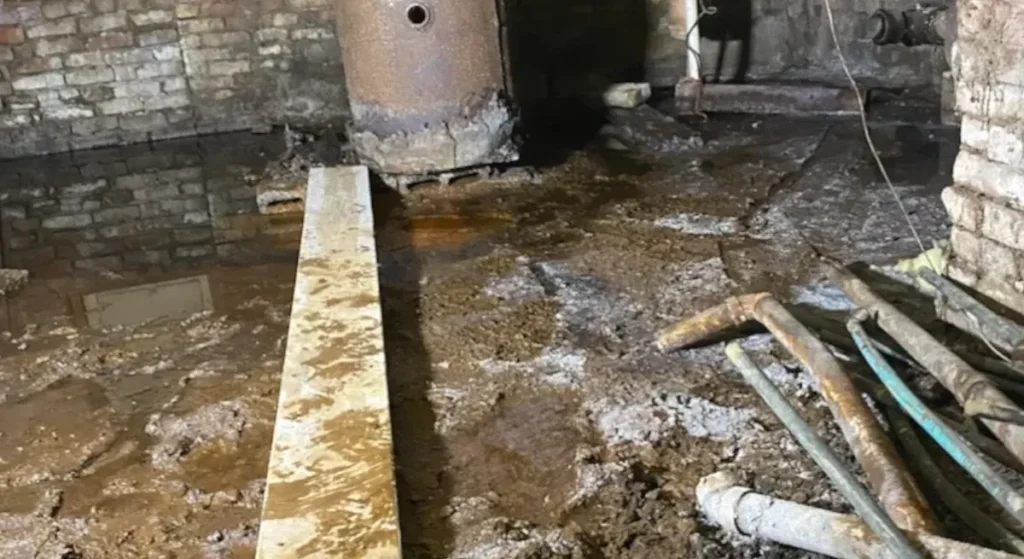
Another major contributor is hydrostatic pressure. The force created when groundwater builds up around the foundation. As pressure increases, water can push through small cracks or porous materials and enter the crawl space.
Plumbing leaks can also introduce a steady source of water, especially when damaged supply lines or drain pipes go unnoticed beneath the home.
To better understand these issues, see Hydrostatic Pressure 101 and our guide to Exterior Drainage Solutions.
Mold Growth in Crawl Spaces
Moisture problems in crawl spaces often lead directly to mold growth. Because this area sits beneath your living space and is connected to the airflow of your home, mold that develops below your floors can eventually affect indoor air quality throughout the house.
When moisture, organic materials, and poor air circulation combine, crawl spaces can become one of the most common hidden sources of household mold contamination.
Common warning signs include:
- Musty Odor in Living Areas
- Warped or Cupping Hardwood Floors
- Allergy Flare-Ups at Home
- Sneezing, Congestion, or Irritated Eyes Indoors
- Visible Mold on Floor Joists or Beams
If these symptoms appear, the source is often hidden beneath the home, where moisture and humidity create conditions that allow mold to spread.
For a deeper look at symptoms, see What Are Signs of Mold in a House.
Health Risks of Crawl Space Mold
Mold in a crawl space rarely stays confined beneath your home. Because of the stack effect, air from the crawl space can move upward into your living areas, carrying mold spores, moisture, and contaminated air with it. Over time, this can affect indoor air quality and potentially trigger health symptoms for occupants.
Common health concerns linked to crawl space mold include:
- Respiratory Irritation and Chronic Coughing
- Sinus Congestion and Allergy Symptoms
- Asthma Flare-Ups and Breathing Difficulties
- Headaches and Persistent Musty Odor Exposure
- Immune System Stress in Vulnerable Individuals
Because crawl spaces are connected to the airflow throughout your home, controlling mold growth below the structure is an important step in protecting your indoor air quality.
Learn more about health impacts in Is Mold Dangerous.
Protect Your Indoor Air Quality Today! Contact Us for a Free Inspection!
Structural Damage Caused by Crawl Space Problems
Moisture problems beneath your home can quietly erode the strength of your floors, beams, and support structures. Over time, water intrusion and high humidity can lead to wood rot, decay, and sagging floors, creating safety hazards and costly repairs if left untreated.
Common types of structural damage from crawl space problems include:
- Wood Rot and Decay: Fungal breakdown of joists, beams, and sill plates when moisture content rises above 20%
- Sagging or Uneven Floors: Floors feel soft or bouncy due to weakened subflooring or joists
- Beam Settlement: Support beams shifting or sinking as soil becomes saturated
- Pier Failure: Foundation piers weakening or collapsing under moisture-stressed conditions
These issues often progress together, so early intervention is crucial to preserve your home’s structural integrity.
Check out our guide on Crawl Space Wood Rot here.
Insulation Failure
Crawl space insulation is highly vulnerable to moisture, and when it becomes wet, it loses effectiveness quickly. Fiberglass batts can collapse or sag when exposed to high humidity or direct water contact, leaving gaps that reduce thermal performance. Wet insulation can also trap moisture against wooden framing, accelerating wood rot and mold growth while increasing your energy bills.
Common signs of insulation failure include:
- Sagging or Collapsed Fiberglass Batts
- Persistent Dampness in Crawl Space
- Reduced Energy Efficiency and Higher Utility Bills
- Mold or Mildew Growth on Insulation or Framing
For more durable solutions, consider modern options like spray foam that resist moisture and provide long-term insulation benefits. Learn more in Benefits of Crawl Space Spray Foam Insulation.
Drainage & Flooding Issues
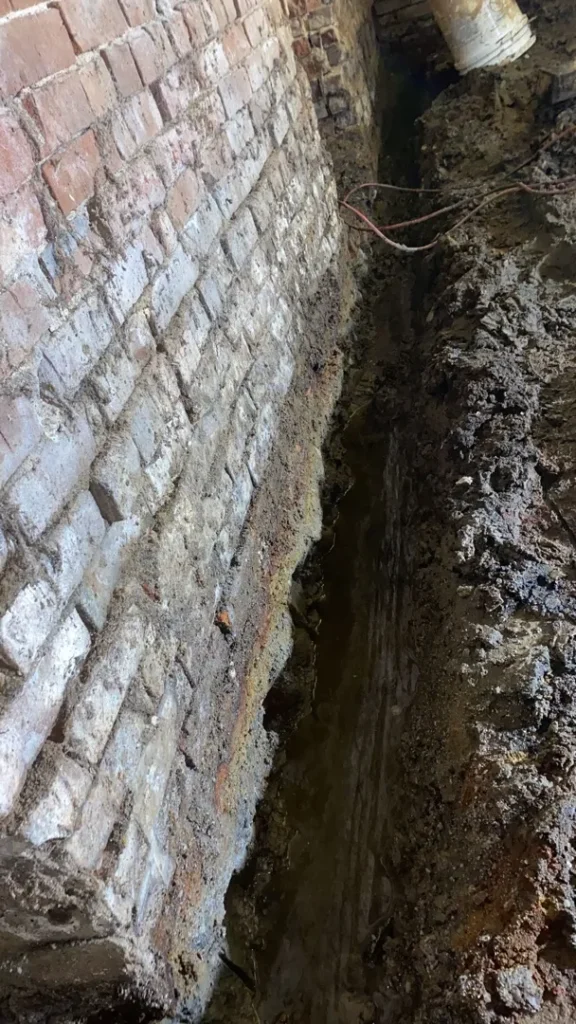
Water intrusion is one of the most damaging problems a crawl space can face. Without proper drainage, rainwater, groundwater, and plumbing leaks can lead to standing water, soil saturation, and widespread moisture damage below your home.
Heavy Rain & Groundwater Intrusion
Crawl spaces are especially vulnerable during periods of heavy rain or when groundwater rises. Problems often arise from:
- Exterior Grading Failures: Soil slopes toward the foundation instead of away from it
- Foundation Cracks: Gaps or fractures allow water to seep into the crawl space
- Perimeter Drainage Failure: Clogged or broken drainage systems fail to divert water effectively
Proper exterior drainage and waterproofing can prevent water from entering and reduce long-term structural and mold risks. Learn more in Benefits of French Drains and What Causes Basement Flooding From Rain.
Do Crawl Spaces Need Sump Pumps?
Some homes require a sump pump to actively remove water from the crawl space. Sump pumps are typically needed when passive drainage cannot keep groundwater or stormwater from accumulating.
Signs a sump pump may be necessary include:
- Standing Water or Chronic Dampness
- Recurring Musty Odors
- Saturated Soil After Rain or Plumbing Leaks
Cost and complexity depend on the size of the crawl space, water volume, and pump type.
Ventilation Problems & The Stack Effect
Proper airflow is critical in a crawl space, but traditional ventilation methods often fail, especially in humid climates. Open vents can let in moist outdoor air, raising humidity levels and worsening mold, insulation, and wood decay problems instead of preventing them.
Why Old-School Crawl Space Vents Fail
Older crawl spaces rely on foundation vents to naturally dry the area, but in many cases, this design backfires:
- Humid Climate Issues: Venting brings in moisture rather than removing it
- Open Vents Increase Moisture: Air circulation may carry water vapor into the crawl space
- Higher Risk of Mold, Rot, and Energy Loss
For modern solutions, see How to Seal Vents in a Crawl Space.
Stack Effect & Air Contamination
Air naturally rises through a home due to the stack effect, moving from lower levels upward. When crawl space air contains mold spores or excess moisture, this process can distribute contaminants throughout the house.
- Crawl Space Air Rises Into Living Areas
- Whole-House Contamination Risk: Airborne spores and moisture can affect HVAC and indoor air quality
Learn more in What Is the Stack Effect in Buildings.
Encapsulation vs Traditional Venting
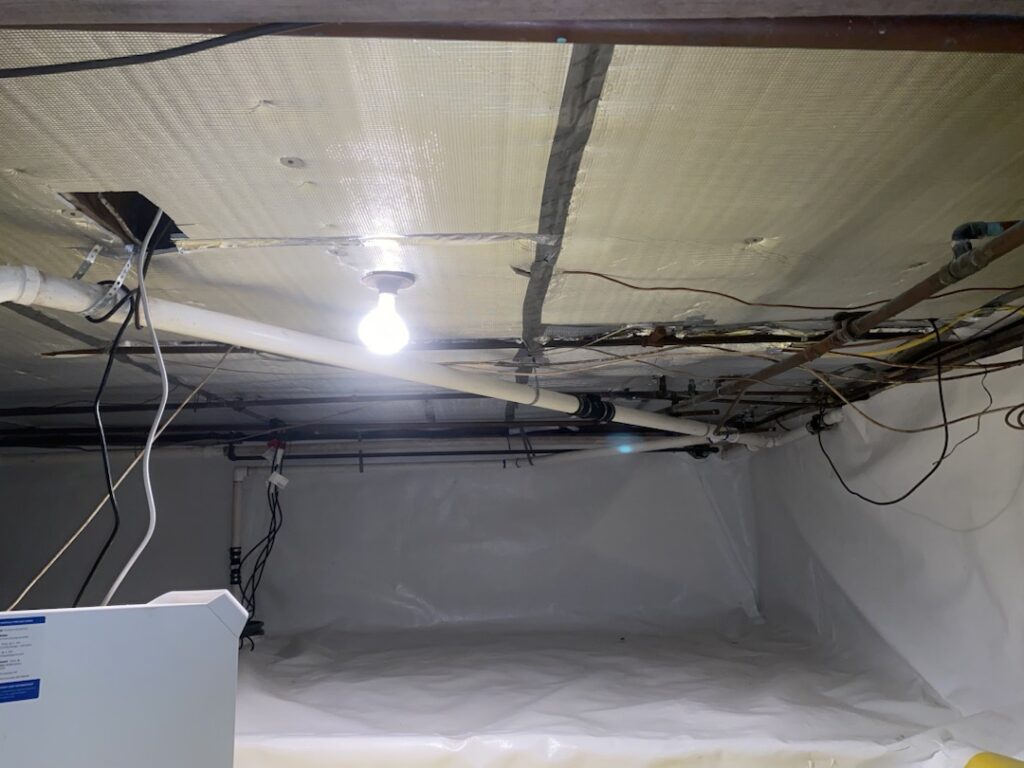
Encapsulation is a modern, proactive solution for controlling crawl space moisture. Unlike open vents, it creates a sealed, controlled environment that prevents water intrusion and protects structural components.
What Is Crawl Space Encapsulation?
A properly encapsulated crawl space includes:
- Durable Vapor Barrier: Covers floors and walls to block ground moisture
- Air Sealing: Closes vents and exterior gaps to prevent humid air entry
- Dehumidification: Maintains safe indoor humidity levels
- Moisture-Resistant Insulation: Improves energy efficiency and protects wood
Learn more in Top 11 Benefits of Crawl Space Encapsulation.
When Encapsulation Is Necessary
Encapsulation is often recommended for homes experiencing:
- Chronic Humidity: Persistent high moisture levels
- Recurring Mold: Mold returns despite repeated cleaning
- Structural Damage: Wood rot, sagging floors, or weakened supports
Get a Professional Encapsulation Assessment
| Crawl Space Problem Type | Description |
|---|---|
| Minor Moisture Corrections | Small leaks, vapor barrier repairs, or ventilation improvements. |
| Mold Remediation | Cleaning and removal of mold colonies. |
| Structural Repair | Reinforcing or replacing rotted joists, beams, or piers. |
| Drainage Installation | Installation of French drains, grading improvements, or sump pumps. |
| Full Encapsulation | Complete sealing, insulation, and dehumidification system installation. |
For detailed pricing, see Crawl Space Mold Removal Cost Guide.
How Much Do Crawl Space Problems Cost to Fix?
Crawl space repair costs vary depending on the severity and type of problem. Common categories include:
- Minor Moisture Corrections: Small leaks, vapor barrier repairs, or ventilation improvements
- Mold Remediation: Cleaning and removal of mold colonies
- Structural Repair: Structural repair includes reinforcing or replacing rotted joists, beams, or piers
- Drainage Installation: Drainage installation involves one or a combination of French drains, grading, or sump pumps
- Full Encapsulation: Full encapsulation includes complete sealing, insulation, and dehumidification system
For detailed pricing, see Crawl Space Mold Removal Cost Guide.
Warning Signs You Should Not Ignore
Crawl space problems often start hidden, but there are warning signs you can spot upstairs and around your home. Early detection is key to preventing moisture, mold, and structural damage from spreading.
Common signs include:
- Musty Smell Upstairs
- Soft or Uneven Floors
- High Indoor Humidity
- Allergy Flare-Ups at Home
- Visible Mold
- Standing Water
- Rusting Ductwork
Schedule a Crawl Space Evaluation Before Damage Spreads!
How Professionals Diagnose Crawl Space Problems
Crawl space experts use specialized tools and methods to pinpoint the source of moisture, mold, and structural issues. Common diagnostic approaches include:
- Moisture Mapping: Moisture mapping measures water content across the crawl space
- Thermal Imaging: Thermal imaging detects hidden moisture behind walls or under flooring
- Hygrometer Readings: Hygrometer readings track relative humidity and dew point
- Structural Inspection: Structural inspection identifies wood rot, sagging joists, and pier settlement
- Mold Sampling: Mold sampling confirms presence and type of mold
Crawl Space Problem Prevention Strategy
Preventing crawl space problems is far easier than fixing them. A 5-step approach helps control moisture, protect your structure, and maintain healthy indoor air:
- Exterior Water Control: Proper grading, gutters, and drainage
- Vapor Barrier: Blocks ground moisture from entering the crawl space
- Air Sealing: Prevents humid outdoor air from infiltrating
- Dehumidification: Maintains safe humidity levels below 60%
- Routine Inspections: Catch minor issues before they escalate
Learn more in The Definitive Mold Prevention Guide.
Crawl Space Problems: Final Thoughts
Crawl space problems rarely stay contained. Moisture spreads, mold spreads, and structural damage worsens over time. Early intervention not only protects your home but also reduces costly repairs. Taking action now ensures a safer, healthier, and more energy-efficient living environment.
Get A Professional Crawl Space Inspection Now!
Frequently Asked Questions About Crawl Space Problems
Is it normal to have moisture in a crawl space?
Some moisture is expected, but persistent dampness, standing water, or high humidity can lead to mold, wood rot, and structural damage.
Should crawl space vents be open or closed?
Open vents often bring in humid air, worsening moisture problems. Sealed or controlled ventilation is recommended, especially in humid climates.
Can crawl space mold affect upstairs air?
Yes. Mold spores and contaminated air can rise through the home via the stack effect, impacting indoor air quality and triggering allergies.
How long does it take for mold to grow in a crawl space?
Mold can begin growing within 24-48 hours if moisture is present and organic materials like wood or insulation are exposed.
Is crawl space encapsulation worth it?
Encapsulation prevents chronic moisture, reduces mold recurrence, protects structural components, and improves energy efficiency.
What causes sagging floors above a crawl space?
Sagging floors are usually caused by rotted joists, settled beams, or failing piers due to prolonged moisture exposure.
How can I prevent crawl space mold and moisture?
Prevention includes proper exterior drainage, a vapor barrier, air sealing, dehumidification, and regular inspections.
How do professionals detect hidden crawl space problems?
Experts use moisture mapping, thermal imaging, hygrometer readings, structural inspections, and mold sampling to locate hidden issues.
When should I install a sump pump in a crawl space?
A sump pump is needed when water frequently accumulates, soil becomes saturated, or passive drainage cannot prevent flooding.
Can wet insulation in a crawl space cause health or energy problems?
Yes. Wet insulation loses effectiveness, can harbor mold, and may increase energy bills while reducing indoor air quality.