
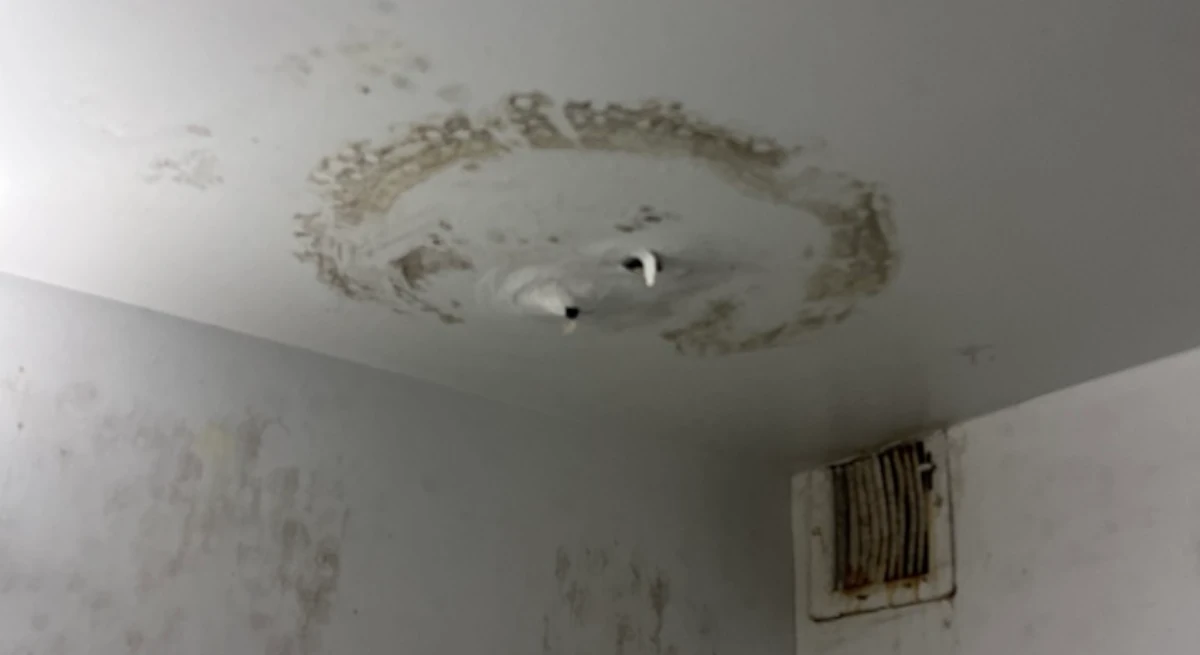
Bathrooms create the perfect conditions for mold growth. Warm temperatures, frequent moisture, and limited ventilation make it easy for black mold in bathroom areas like showers, grout lines, and ceilings to develop quickly. What often starts as small dark spots can turn into a much larger bathroom mold problem if it’s ignored.
Black mold, often associated with the species Stachybotrys chartarum, thrives in damp environments and may spread behind tiles, inside walls, or under caulking. In some cases, toxic mold in shower areas can affect indoor air quality and trigger allergy or respiratory symptoms for people in the home.
In this guide, you’ll learn what causes bathroom mold, how to identify it, the health risks it may pose, and the safest ways to remove and prevent it from coming back.
Schedule A Professional Bathroom Mold Inspection Today!
What Is Black Mold in Bathrooms?
Black mold is a type of fungus that grows in damp environments and appears as dark green or black patches on surfaces. It commonly develops on materials that stay wet for long periods, such as drywall, grout, wood, and caulking. When mold grows indoors, it releases microscopic spores into the air that can spread to other areas of the home.
The most commonly referenced species associated with black mold is Stachybotrys chartarum. This mold thrives in areas with consistent moisture and poor airflow, making bathrooms one of the most common locations where it appears.
Bathrooms provide an ideal environment for mold growth because they experience frequent humidity from showers, baths, and sink use. Warm temperatures, condensation, and limited ventilation allow mold spores to settle and grow on surfaces like tile grout, ceilings, and shower walls.
It’s also important to understand the difference between mildew and black mold. Mildew is typically a lighter surface fungus that appears white or gray and is easier to remove. Black mold, on the other hand, tends to grow deeper into porous materials and can spread more aggressively if moisture problems are not addressed.
What Causes Black Mold in Bathrooms?
Black mold grows when moisture and humidity remain trapped in bathroom surfaces. Bathrooms naturally produce large amounts of steam and condensation, and without proper ventilation or maintenance, this moisture can lead to mold growth.
Many bathroom moisture problems develop gradually. Small leaks, excess humidity, or daily shower steam can create the ideal environment for mold to grow on tiles, grout lines, ceilings, and walls.
- Excess Moisture: $20
Frequent hot showers and baths release humidity that condenses on walls, ceilings, grout, and corners, creating ideal conditions for mold growth.
- Poor Ventilation: $9
Without an exhaust fan or airflow, humid air stays trapped in the bathroom, allowing moisture to linger and mold to develop.
- Leaky Pipes or Fixtures: $32
Hidden plumbing leaks behind sinks, tubs, or walls keep materials damp for long periods, often causing mold before leaks are noticed.
- Humid Climate: $32
High outdoor humidity combined with shower steam raises indoor moisture levels, making bathrooms especially vulnerable to recurring mold problems.
Signs You Have Black Mold in Your Bathroom
Black mold in bathrooms often starts small but can quickly spread if moisture problems are not addressed. Because bathrooms
experience frequent humidity and steam, mold may grow in hidden areas before becoming clearly visible.
Recognizing the early warning signs can help you stop a bathroom mold problem before it becomes more serious and harder to remove.
Visible Black or Dark Green Spots
One of the most obvious signs of mold is dark discoloration appearing on bathroom surfaces. Black mold often appears as dark
green or black patches that gradually expand if moisture remains present.
Common places to spot mold include:
- Tiles in showers and bathtubs
- Grout lines between tiles
- Bathroom ceilings
- Caulking around tubs, sinks, and showers
These areas stay damp after showers and are especially vulnerable to mold growth.
Musty Odor
A persistent musty smell is another common sign of mold growth. Even if mold is not immediately visible, the odor can indicate
hidden mold behind walls, under tiles, or inside cabinetry.
If your bathroom smells damp or earthy even after cleaning, mold may already be growing somewhere in the room.
Mold Behind Walls or Under Tiles
Sometimes mold grows in areas that are not immediately visible. Water damage, leaks, or long-term moisture buildup can allow
mold to develop behind drywall, beneath tiles, or under flooring.
Signs of hidden mold may include bubbling paint, warped walls, loose tiles, or recurring damp spots.
Recurring Mold Growth
If mold keeps returning after cleaning, it usually means the underlying moisture problem has not been resolved. Persistent
humidity, hidden leaks, or poor ventilation can cause mold to regrow quickly.
Recurring mold is a strong sign that deeper moisture issues need to be addressed.
Is Black Mold Dangerous? (Health Risks)
Black mold in the bathroom can affect indoor air quality and potentially cause health symptoms for some individuals. When mold grows on damp surfaces, it releases spores that circulate through the air and may be inhaled.
While not all mold species are toxic, exposure to mold spores can still irritate the respiratory system and trigger allergic reactions. The severity of symptoms often depends on the amount of mold present, the length of exposure, and individual health sensitivities.
Common Health Risks Associated With Bathroom Mold:
- Respiratory problems
- Allergies and skin irritation
- Asthma flare-ups
- Increased sensitivity in children and pets
In many homes, small amounts of mold may cause only mild irritation or allergy symptoms. However, larger or persistent mold growth should be addressed quickly to protect indoor air quality and reduce potential health risks.
How to Remove Black Mold From Your Bathroom
Small areas of bathroom mold can sometimes be removed using proper cleaning methods and safety precautions.
However, it is important to fix the moisture problem that allowed the mold to grow.
If the source of moisture is not addressed, mold may quickly return. Following the correct steps can help remove
mold safely while reducing the chance of it spreading.
Step 1: Wear Protective Gear
Before cleaning mold, protect yourself from inhaling spores or skin exposure by wearing gloves and a mask or respirator.
Open windows or run the exhaust fan.
Step 2: Use Effective Mold Cleaners
Apply household cleaners such as white vinegar, hydrogen peroxide, baking soda solutions, or commercial mold removal
products to break down mold growth and disinfect bathroom surfaces.
Step 3: Scrub Mold From Surfaces
Use a scrub brush or sponge to remove mold from tiles, grout lines, and caulking around tubs and sinks where mold
spores commonly cling.
Step 4: Dry the Area Completely
After cleaning, thoroughly dry surfaces using fans, open windows, or a dehumidifier to remove moisture and reduce
the chances of mold returning.
Step 5: Prevent Regrowth
Prevent mold from returning by improving ventilation, repairing plumbing leaks, lowering humidity levels, and
regularly cleaning areas where moisture accumulates.
When to Call a Mold Professional
Small areas of bathroom mold can sometimes be cleaned with household products. However, larger infestations or mold hidden inside building materials may require professional mold remediation. Mold professionals use specialized equipment to safely contain and remove mold while preventing spores from spreading throughout the home.
You should consider calling a mold professional if you notice any of the following:
- Mold covering more than 10 square feet
- Mold growing inside walls or under tiles
- Strong allergy or respiratory symptoms indoors
- Mold that keeps returning after cleaning
Professional inspections can also help identify hidden moisture sources and prevent future mold problems.
How to Prevent Black Mold in Bathrooms
Preventing mold in the bathroom is largely about controlling moisture and improving airflow. Because bathrooms regularly produce steam and humidity, taking simple maintenance steps can dramatically reduce the chances of mold developing.
Regular cleaning, proper ventilation, and quick repairs can keep bathrooms dry and prevent mold spores from finding places to grow.
- Improve Ventilation: Good airflow helps remove humid air before it can settle on walls and ceilings. Installing or using an exhaust fan during and after showers helps reduce steam buildup and keeps humidity levels lower.
- Keep Surfaces Dry: After showers or baths, wiping down tiles, shower doors, and bathroom walls can prevent moisture from lingering on surfaces where mold tends to grow.
- Fix Leaks Quickly: Leaking faucets, pipes, or shower fixtures can create constant moisture that encourages mold growth. Repairing plumbing issues quickly helps prevent hidden water damage behind walls or under flooring.
- Use Mold-Resistant Paint: Mold-resistant paints and coatings are designed to inhibit mold growth in damp environments like bathrooms. Applying these products on ceilings and walls can help reduce future mold problems.
- Clean Bathrooms Regularly: Routine bathroom cleaning helps remove soap residue, moisture, and mold spores before they can develop into visible mold growth.
Best Products for Bathroom Mold Removal
Using the right mold remediation solutions can make removing mold easier and help prevent it from returning. Several tools and products are specifically designed to target mold growth in humid bathroom environments.
Common products used for bathroom mold removal include:
- Mold removal sprays that break down mold growth on tiles and grout
- Mold-resistant caulk for sealing around tubs, showers, and sinks
- Dehumidifiers to help control bathroom humidity levels
- Exhaust fans that improve ventilation and remove steam from the room
Using these products together can help control moisture and reduce mold growth over time. Learn more about our industry-leading dehumidifiers here.
Black Mold in Your Bathroom: Final Thoughts
Black mold in bathrooms is a common issue because these spaces naturally produce moisture and humidity. If ventilation is poor or leaks go unnoticed, mold can quickly begin growing on tiles, grout, ceilings, and caulking.
The best way to prevent mold is by controlling moisture, improving ventilation, and cleaning bathrooms regularly. Routine inspections and quick repairs can help stop mold problems before they become larger health or structural concerns.
Frequently Asked Questions About Black Mold in the Bathroom
Can black mold grow in shower grout?
Yes. Shower grout is porous and easily traps moisture, soap residue, and organic debris. These conditions provide a food source that allows mold to grow and spread.
Does bleach kill black mold?
Bleach can remove mold stains on non-porous surfaces like tile or glass. However, it may not fully kill mold roots in porous materials like grout or drywall.
How fast does mold grow in a bathroom?
Mold can begin developing within 24–48 hours after moisture accumulates. Warm temperatures, high humidity, and poor ventilation allow mold spores to grow quickly.
Is bathroom mold always toxic?
No. Many types of mold grow in bathrooms, and not all are considered toxic. However, any mold indoors can affect air quality and should be removed.
Can I remove black mold myself?
Small areas on hard surfaces can often be cleaned using household mold cleaners and proper safety precautions. Larger infestations typically require professional mold remediation.
What causes black mold in bathrooms?
Black mold commonly develops due to excess moisture, poor ventilation, plumbing leaks, or consistently high humidity levels that allow mold spores to grow.
Can mold grow on bathroom ceilings?
Yes. Steam from hot showers rises and condenses on ceilings, especially in poorly ventilated bathrooms, creating damp surfaces where mold can easily grow.
How can I prevent mold from returning?
Improve ventilation, run an exhaust fan during showers, repair leaks promptly, reduce humidity levels, and regularly clean surfaces where moisture tends to collect.
Is mold behind bathroom walls common?
Yes. Hidden mold can develop behind drywall or tile when plumbing leaks, trapped moisture, or poor ventilation allow damp conditions to persist for long periods.
When should I call a mold professional?
Professional help is recommended if mold covers a large area, repeatedly returns after cleaning, or is suspected behind walls, flooring, or ventilation systems.