
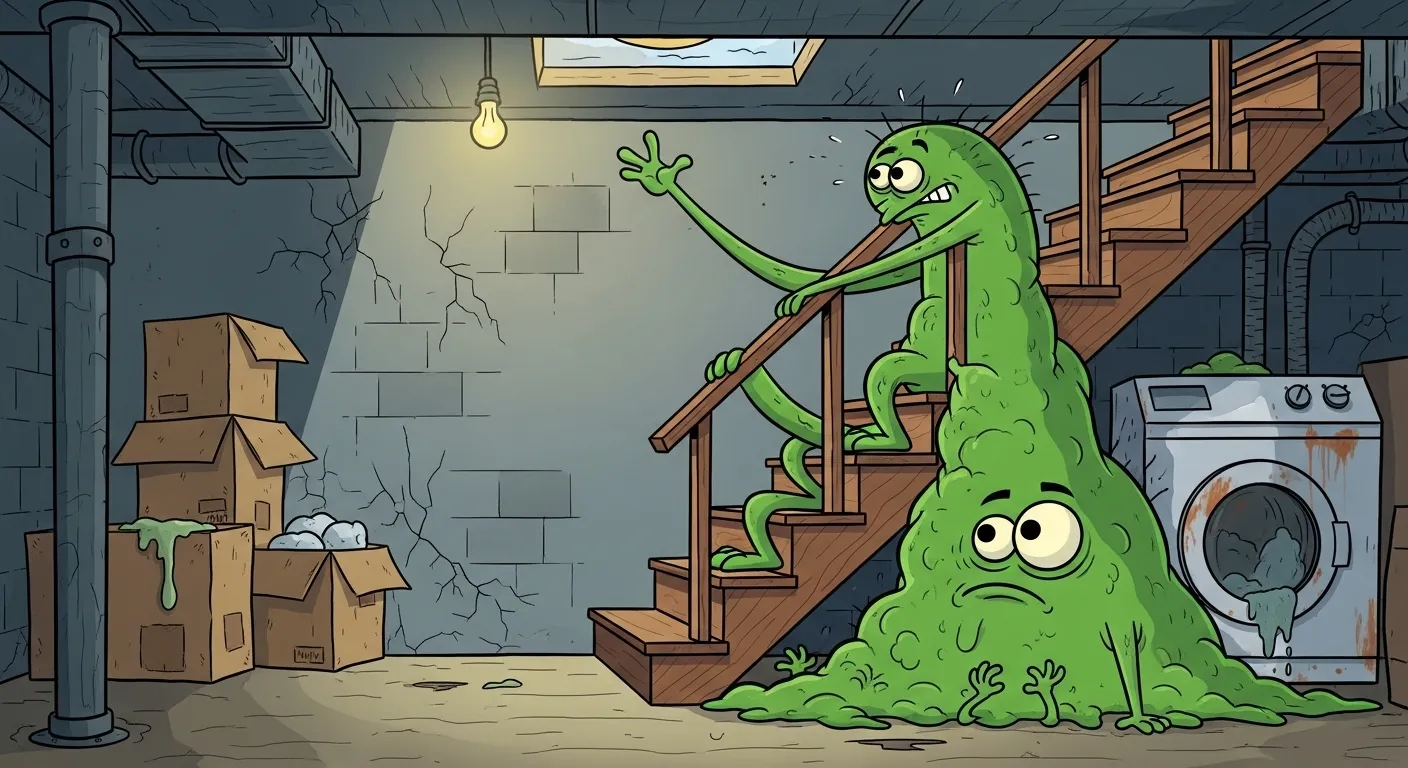
Basement mold rarely stays contained. Because mold spores are microscopic and easily carried through the air, growth in your basement can spread to the rest of your home, including bedrooms, living rooms, and other upstairs areas. Many Long Island homeowners are surprised to learn that something growing below their home can impact indoor air quality throughout the entire house.
The reason is simple: mold spores travel through house air systems. HVAC circulation, natural airflow, stairways, and even small openings in walls allow basement mold to move upward.
Over time, this can lead to basement mold spreading upstairs, worsening allergies, causing persistent odors, and creating potential mold from basement health risks for your family. In this guide, we’ll explain how mold spreads through homes, the warning signs it’s affecting your upstairs living space, and what homeowners can do to stop it before the problem grows.
Schedule A Professional Basement Mold Inspection Today
The Short Answer: Yes, Basement Mold Can Spread Upstairs
Yes. Mold in the basement can absolutely affect the rest of your home. Mold spores are microscopic and airborne, which means they can travel easily through airflow, ventilation systems, and even small structural openings. Once mold begins growing in a damp basement, spores can circulate throughout the house and settle in other areas.
Many homes unknowingly distribute mold spores through their HVAC systems. When heating or air conditioning runs, air is pulled from multiple parts of the house, including the basement, and recirculated through ducts and vents. This process can spread mold spores to upstairs rooms in a matter of hours.
Air pressure differences inside a house also contribute to this movement. Because warm air naturally rises, it pulls cooler air upward from lower levels of the home. This creates a phenomenon known as the stack effect, where basement air, (including mold spores) is drawn toward upper floors.
Can mold in the basement spread to other floors?
Yes. Mold spores are extremely lightweight and can travel through HVAC systems, airflow patterns, stairways, and small openings in walls, allowing basement mold to spread to other levels of a home.
Signs Basement Mold Is Affecting the Upstairs
Basement mold rarely stays confined to one area of a home. Because mold spores are microscopic and easily carried through airflow, they can travel from the basement to other levels without homeowners realizing it. In many cases, people first notice symptoms or odors upstairs even though the source of the problem is below. Recognizing the early warning signs can help prevent mold from spreading further through the house.
Common signs that basement mold may be affecting upstairs living spaces include:
If you notice several of these warning signs at the same time, mold may already be circulating through your home’s air. Identifying the source early, (often the basement) can help stop the problem before it spreads further.
How Mold in the Basement Spreads Through the House
Basements often have higher humidity, occasional water intrusion, and limited ventilation, all of which create ideal conditions for mold growth. Once mold develops, the spores can easily move beyond the basement through several pathways inside the home.
Understanding how mold spores travel through a house helps homeowners recognize why basement mold problems should be addressed quickly before contamination spreads.
- Air Circulation Through HVAC Systems: Heating and cooling systems move air throughout the home. If mold spores are in the basement, HVAC ducts can circulate them into bedrooms, hallways, and living spaces.
- The Stack Effect (Air Movement in Homes): Warm air naturally rises and escapes through upper levels of the house, pulling basement air upward. This airflow can carry mold spores into walls and upstairs rooms.
- Open Staircases and Doorways: Stairways and open basement doors allow air to flow freely between floors. This movement can carry mold spores from the basement into other parts of the home.
- Structural Gaps and Wall Cavities: Small openings around pipes, electrical wiring, ductwork, and framing create hidden air pathways that allow basement air and mold spores to move into upper living areas.
These openings allow basement air and mold spores to move through wall cavities and into other areas of the house.
Health Risks of Basement Mold Exposure
Basement mold doesn’t just damage walls, flooring, and stored belongings. It can also affect the health of people living in the home. When mold grows in damp areas, it releases microscopic spores into the air that can travel through ventilation systems and natural airflow. These spores can be inhaled by occupants and may trigger a range of health symptoms. The severity of these effects often depends on the amount of mold present, the type of mold, and the length of exposure.
Potential health risks associated with basement mold include:
- Respiratory Problems
- Allergic Reactions
- Asthma Attacks Or Worsening Asthma Symptoms $32
- Chronic Coughing Or Throat Irritation
- Sneezing And Nasal Congestion
- Headaches Or Sinus Pressure
- Eye, Skin, Or Throat Irritation
- Fatigue Or Difficulty Concentrating
- Increased Sensitivity In Children
- Higher Risk For Elderly Or Immunocompromised Individuals
People with allergies, asthma, or weakened immune systems may be more sensitive to mold exposure indoors. If basement mold is circulating through the house, addressing the problem quickly can help improve indoor air quality and protect your family’s health.
What Causes Mold Growth in Basements
Basements are one of the most common areas for mold growth because they tend to trap moisture, have limited airflow, and often sit below ground level where water intrusion can occur. When excess moisture is present, mold spores that already exist in the air can quickly begin growing on surfaces such as drywall, wood framing, insulation, and carpeting.
Most basement moisture problems develop slowly and go unnoticed until mold becomes visible or a musty odor spreads through the home. Understanding what causes mold growth can help homeowners address the root problem before it spreads to other floors.
High Humidity
High humidity is one of the most common causes of basement humidity mold. Basements often retain moisture from the surrounding soil, and without proper airflow, humidity levels can remain elevated for long periods.
When humidity levels rise above about 60%, mold spores can begin growing on surfaces such as walls, furniture, stored boxes, and flooring.
Water Leaks or Flooding
Leaks from plumbing, foundation cracks, or previous flooding can leave moisture trapped inside basement materials. Even small leaks can create damp conditions that allow mold to grow behind walls, under flooring, or inside insulation.
If leaks are not repaired quickly, mold can begin developing within 24–48 hours.
Poor Ventilation
Many basements have little natural airflow. Without proper ventilation, moisture becomes trapped, creating the damp conditions mold needs to grow.
Homes with finished basements may be particularly vulnerable if ventilation systems are not designed to properly circulate air.
Condensation on Pipes and Walls
Cold pipes and concrete basement walls often create condensation when warm humid air comes into contact with them. Over time, this moisture can accumulate and provide a consistent source of water for mold growth.
Insulating pipes and controlling humidity levels can help prevent this issue.
How to Stop Basement Mold From Spreading Upstairs
Stopping mold from spreading through your home requires addressing both the mold itself and the moisture conditions that allowed it to grow. Simply cleaning visible mold without solving the underlying moisture problem often leads to the issue returning.
Homeowners who take steps to control humidity, repair water problems, and limit airflow from the basement can significantly reduce the risk of mold spreading upstairs.
Fix Moisture Problems
The first step in stopping mold growth is eliminating the moisture source.
Common solutions include:
- Repairing leaking pipes or plumbing fixtures
- Sealing foundation cracks
- Waterproofing basement walls
- Improving drainage around the home
Without fixing moisture issues, mold will likely continue to return.
Use a Dehumidifier
A basement dehumidifier can help maintain indoor humidity levels below 50%, which makes it harder for mold to grow. Dehumidifiers are especially helpful during humid seasons when basements tend to accumulate moisture.
Improve Ventilation
Improving air circulation in the basement helps reduce moisture buildup. Installing proper ventilation systems or running exhaust fans can help move humid air out of the space.
Seal Air Leaks
Sealing gaps around pipes, ductwork, and electrical openings can reduce airflow between the basement and upper floors. This helps prevent mold spores from traveling through the structure of the home.
Clean Mold Properly
Small mold problems may sometimes be cleaned using proper protective equipment and cleaning solutions. However, improper cleaning can release additional spores into the air and spread contamination. For larger or hidden mold problems, professional remediation is often recommended.
When to Call a Mold Remediation Professional
While some minor mold spots can be handled with proper cleaning, larger infestations often require professional remediation. Mold can spread behind walls, inside insulation, and through HVAC systems, making it difficult for homeowners to fully remove on their own.
You should consider choosing a mold remediation professional if you notice:
- Mold growth larger than 10 square feet
- Mold suspected behind walls or inside ceilings
- A strong mold odor throughout the house
- Worsening allergy or respiratory symptoms indoors
Professional mold remediation specialists use containment barriers, air filtration systems, and specialized cleaning methods to remove mold safely and prevent spores from spreading further.
How to Prevent Basement Mold in the Future
Preventing mold in the basement requires controlling moisture and maintaining proper airflow. Regular maintenance and moisture management can significantly reduce the likelihood of mold returning.
Taking proactive steps can protect your home’s structure and improve indoor air quality throughout the house.
Keep Basement Humidity Below 50%
Maintaining indoor humidity below 50% is one of the most effective ways to prevent mold growth. Using a dehumidifier and monitoring humidity levels with a hygrometer can help keep conditions under control.
Install Sump Pumps
Homes that experience groundwater intrusion may benefit from installing a sump pump. These systems remove water that accumulates around the foundation and help prevent basement flooding.
Improve Drainage Around the Home
Proper exterior drainage helps keep water away from the foundation. Cleaning gutters, extending downspouts, and grading soil away from the house can significantly reduce basement moisture.
Regular Basement Inspections
Checking the basement regularly for signs of leaks, humidity buildup, or mold growth allows homeowners to catch problems early before they spread throughout the home.
Can Mold in Your Basement Affect the Upstairs: Final Thoughts
Basement mold rarely stays isolated. Because mold spores travel easily through airflow, ventilation systems, and structural gaps, a mold problem in the basement can eventually affect the entire home.
Addressing moisture problems early and removing mold quickly can prevent contamination from spreading upstairs and protect your home’s indoor air quality.
For Long Island homeowners, taking proactive steps to control basement moisture and inspect for mold regularly is the best way to keep your home safe, healthy, and mold-free.
Schedule A Professional Basement Mold Inspection Today!
Frequently Asked Questions About Basement Mold
Can mold spores travel through vents?
Yes. Mold spores are microscopic and easily travel through HVAC ducts and ventilation systems. When your heating or air conditioning runs, air moves through the ductwork and can carry spores from the basement to other rooms in the house.
How fast can mold spread through a house?
Mold can begin growing within 24-48 hours after moisture appears. Once established, mold releases airborne spores that can travel through airflow, ducts, and structural gaps, allowing mold to spread to other parts of the home if moisture conditions are present.
Can you smell mold upstairs if it's in the basement?
Yes. A musty odor from basement mold often travels through airflow and ventilation systems. Many homeowners first notice a mold smell in upstairs rooms even though the mold source is located in the basement.
Does basement mold affect indoor air quality?
Yes. Mold releases spores and microbial compounds into the air, which can lower indoor air quality. When these particles circulate through the home, they may trigger allergy symptoms, respiratory irritation, or other health concerns.
Should I avoid sleeping in a house with basement mold?
If mold growth is significant or causing symptoms such as coughing, headaches, or breathing irritation, it’s important to address the issue quickly. Long-term exposure to mold-contaminated air may worsen respiratory problems for some individuals.
Can mold in the basement spread to other floors?
Yes. Mold spores are airborne and can travel through HVAC systems, natural airflow, stairways, and structural openings. This allows basement mold to spread to upper floors and potentially grow in other rooms of the house.
What are the signs of mold in a basement?
Common signs include a musty odor, visible mold spots on walls or ceilings, damp surfaces, peeling paint, condensation on pipes, and increased allergy symptoms indoors. These warning signs often indicate excess moisture and possible mold growth.
Is basement mold dangerous to your health?
Basement mold can affect health for some people, especially those with allergies, asthma, or weakened immune systems. Exposure to mold spores may cause symptoms such as sneezing, coughing, eye irritation, headaches, or respiratory discomfort.
Can a dehumidifier stop basement mold?
A dehumidifier can help prevent mold growth by keeping basement humidity levels below 50%. However, it will not eliminate existing mold if moisture sources like leaks or water intrusion are not repaired.
When should you call a mold remediation professional?
You should consider professional mold remediation if mold covers more than 10 square feet, appears behind walls, causes strong odors throughout the house, or is associated with worsening health symptoms. Professionals have the equipment to remove mold safely and prevent it from spreading.