
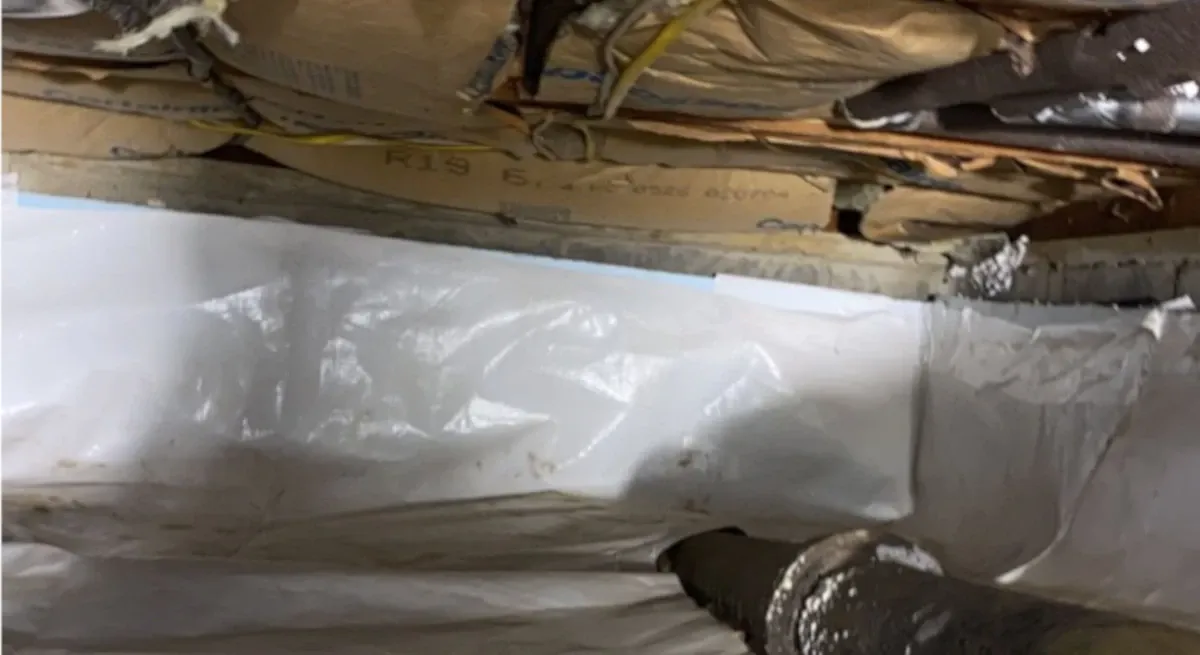
Cold floors in the winter, rising heating and cooling bills, musty odors, and uneven temperatures from room to room are common frustrations for homeowners. What many don’t realize is that these issues often start below the home. An uninsulated or poorly insulated crawl space allows outside air and moisture to influence indoor comfort, making your HVAC system work harder and your living space feel less consistent.
Proper crawl space insulation is a hidden but powerful upgrade. It improves energy efficiency, helps reduce moisture buildup, supports healthier indoor air, and protects structural components over time. In the sections ahead, we’ll explain how insulating your crawl space can lower energy costs, reduce mold risk, improve comfort, and add long-term protection to your home.
Schedule Your Crawl Space Inspection Today!
Benefits Of Crawl Space Insulation
Crawl space insulation does more than just make your floors feel warmer. When installed correctly, it helps create a barrier between your living space and the damp, temperature-sensitive area beneath your home. That barrier plays a key role in improving energy performance, limiting moisture buildup, and supporting overall indoor comfort.
Homeowners who invest in crawl space insulation often notice lower utility bills, fewer humidity issues, reduced risk of mold growth, and more consistent temperatures throughout the house. Below are the main benefits of crawl space insulation and why this upgrade can make a measurable difference in your home’s efficiency, comfort, and long-term protection.
- Improves Energy Efficiency and Lowers Utility Bills: Crawl space insulation slows heat loss through floors and reduces drafts, helping your HVAC work less. It stabilizes indoor temperatures and keeps rooms more comfortable year-round. Sealing gaps along with insulation maximizes energy savings.
- Helps Control Moisture and Reduce Mold Risk: Insulation helps limit condensation by keeping surfaces closer to indoor temperatures. This reduces damp conditions that can promote mold growth. Keep in mind it won’t fix standing water. Proper moisture management is still needed.
- Prevents Structural Wood Damage: Crawl space insulation helps limit wood expansion and contraction caused by temperature swings. It also reduces moisture exposure that can lead to rot or floor joist deterioration. Installing insulation early can save on costly repairs down the road.
- Boosts Home Value and Buyer Appeal: Insulated crawl spaces improve energy efficiency and show well on home inspections. They reduce visible moisture issues, giving buyers confidence in the property. This simple upgrade can make your home more attractive to potential buyers.
Need a Crawl Space Insulation Quote for Your Long Island Home? Contact Us Today for Free Expert Assessments and Honest Pricing!
Signs Your Crawl Space Needs Insulation
Your crawl space plays a major role in how comfortable and energy efficient your home feels. When insulation is missing, damaged, or installed incorrectly, outside air and moisture can easily affect the rooms above it. If you notice any of the following issues in your home, your crawl space may need new or upgraded insulation.
- Cold floors above the crawl space
- High heating or cooling bills
- Visible condensation on joists or subflooring
- Musty odors in living areas
- Sagging or missing insulation
- Exposed pipes vulnerable to freezing
Types of Crawl Space Insulation
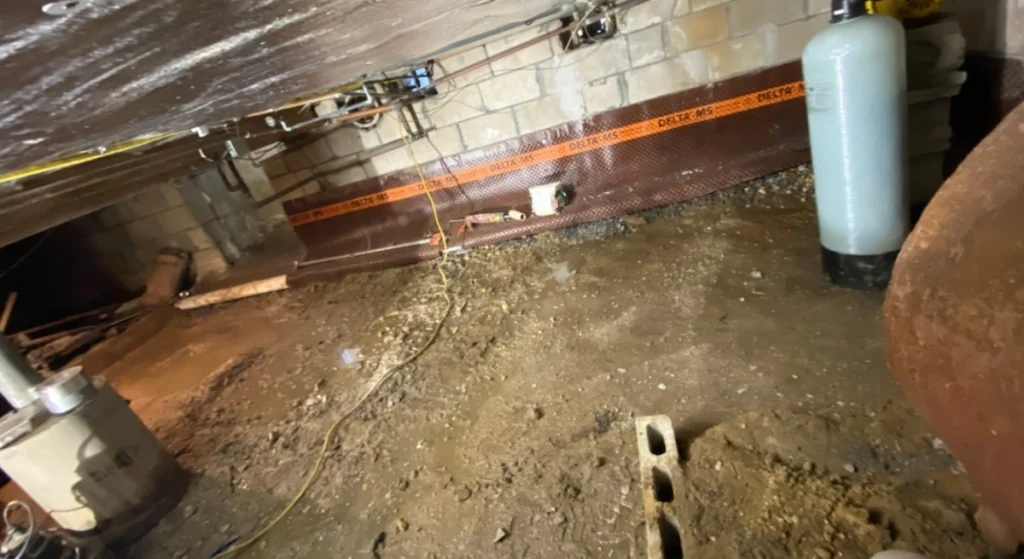
There are several insulation options commonly used in crawl spaces, and each performs differently depending on moisture levels, airflow, and budget. The right choice depends on your home’s conditions and whether you are prioritizing affordability, moisture resistance, or long-term energy performance. Below are the most common types of crawl space insulation homeowners consider.
Fiberglass Batts Crawl Space Insulation
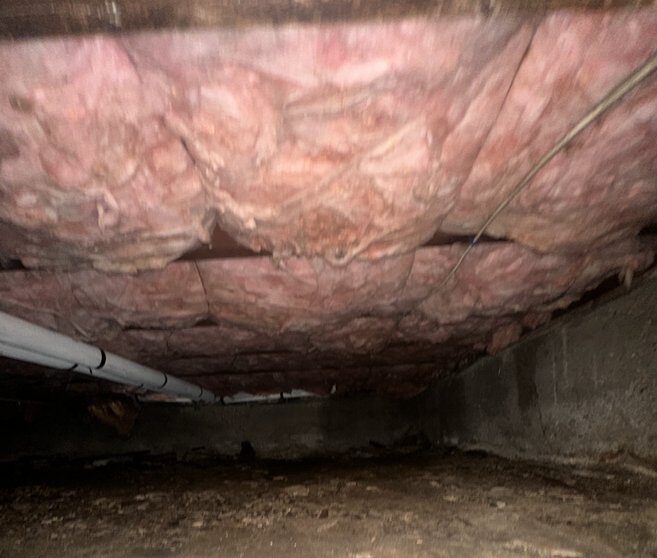
Fiberglass batt insulation is one of the most widely used and affordable crawl space insulation options. It is typically installed between floor joists and can help reduce heat loss from the living space above. However, fiberglass is vulnerable to moisture and can sag or lose effectiveness over time if the crawl space has humidity or condensation problems.
Benefits
• Affordable Installation
• Widely Available Material
• Simple Installation Between Floor Joists
• Improves Basic Thermal Performance
Spray Foam Insulation
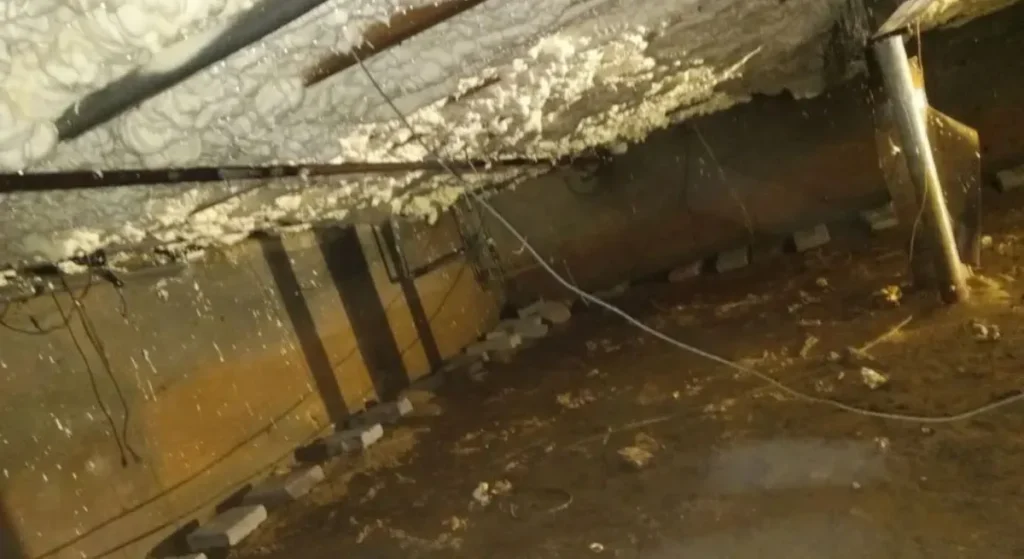
Spray foam insulation expands when applied, sealing small air gaps while also providing insulation. This dual function helps block outside air infiltration and reduces moisture movement within the crawl space. Although it has a higher upfront cost, spray foam often delivers stronger long-term energy performance and moisture resistance.
Benefits
- Air Sealing And Insulation In One Application
- Excellent Moisture Resistance
- Strong Energy Efficiency Performance
- Long Lasting Insulation Solution
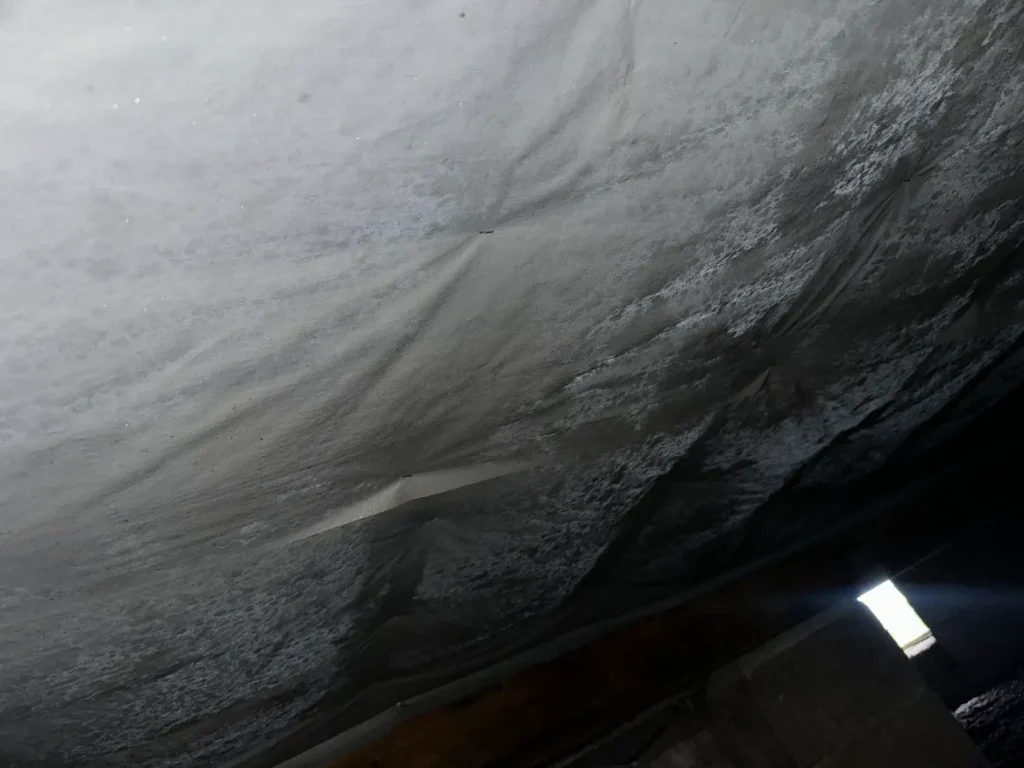
Blown In Cellulose Insulation
Blown in cellulose insulation is sometimes used in crawl spaces, particularly in older homes where insulating the floor cavity from below is necessary. The material is made from recycled paper fibers treated for fire and pest resistance. Because cellulose can absorb moisture, it must be properly protected with a vapor barrier or plastic covering to prevent water intrusion and maintain its effectiveness.
Benefits
- Eco Friendly Recycled Material
• Good Thermal Performance
• Effective For Filling Irregular Spaces
• Can Be Installed In Existing Floor Cavities**
Rigid Foam Board
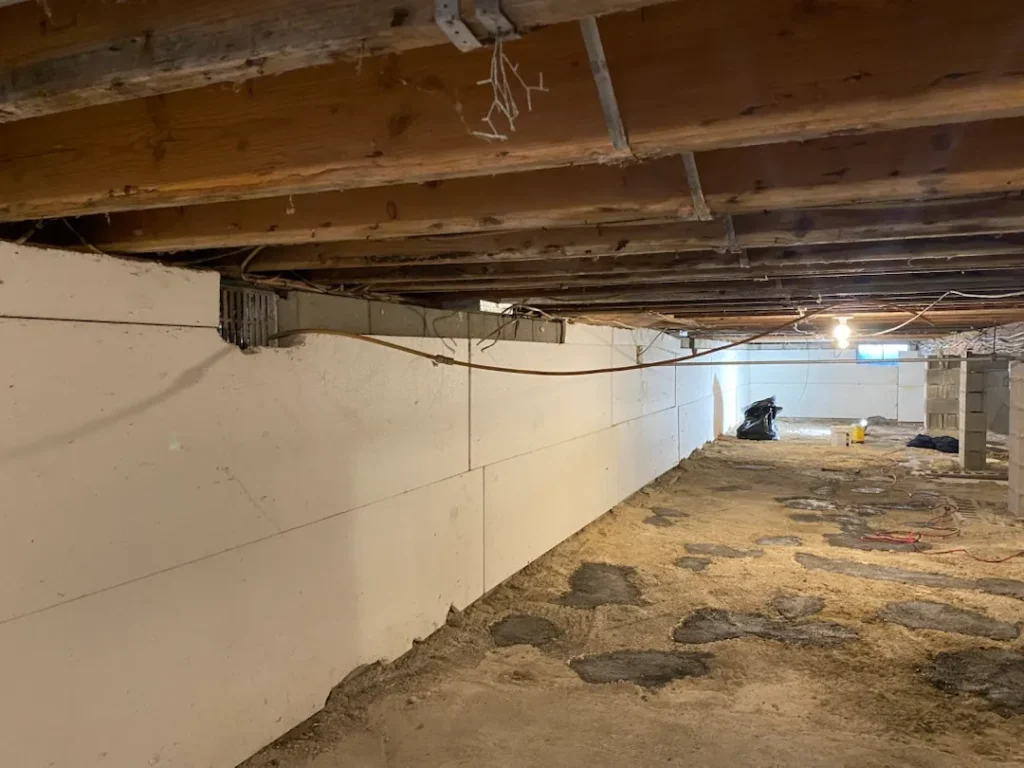
Rigid foam board insulation is installed along crawl space walls or other structural surfaces and is known for its durability and resistance to moisture. It provides consistent thermal performance and is often used in crawl spaces that experience moderate humidity but do not require the full air sealing of spray foam.
Benefits
- Durable And Long Lasting
- Strong Moisture Resistance
- Consistent Thermal Performance
- Effective Wall Insulation Option
Crawl Space Insulation vs Encapsulation
| Feature | Insulation | Encapsulation |
|---|---|---|
| Energy Efficiency | Moderate | High |
| Moisture Control | Limited | Strong |
| Mold Prevention | Moderate | High |
| Cost | Lower | Higher |
When Insulation Alone Is Not Enough
Insulation can improve energy efficiency and reduce moisture, but it isn’t a complete solution in every crawl space. Standing water, drainage problems, severe humidity, or existing mold contamination require additional measures to protect your home. For best results, combine insulation with a vapor barrier, proper drainage, and dehumidification to create a truly dry, safe crawl space.
Cost of Crawl Space Insulation
Basic crawl space insulation generally ranges from $1.50 to $4.00 per square foot. Spray foam or insulation with air sealing costs more upfront but offers stronger moisture protection and energy efficiency. Final pricing depends on attic size, ease of access, and whether existing moisture issues need to be addressed before installation.
Benefits of Crawl Space Insulation: Final Thoughts
Crawl space insulation is one of the most cost-effective upgrades for homeowners looking to improve comfort, energy efficiency, and long-term home protection. Properly installed insulation helps stabilize indoor temperatures, reduce drafts, limit moisture, and protect wood framing and plumbing from damage. While it is not a complete solution for standing water or severe mold issues, when combined with a vapor barrier and proper drainage, it can significantly enhance your home’s performance and durability. Investing in crawl space insulation early can save money on utility bills, prevent costly repairs, and increase your home’s appeal to future buyers.
Frequently Asked Questions About Crawl Space Insulation
Benefits of Crawl Space Insulation: Final Thoughts
Does crawl space insulation prevent mold?
Insulation helps reduce condensation and limits conditions that encourage mold, but it does not eliminate existing mold or standing water. Proper moisture control is still required.
How long does crawl space insulation last?
With proper installation and minimal exposure to moisture, insulation can last 20 to 30 years. Moisture or pest issues can shorten its lifespan.
Is spray foam better than fiberglass batt insulation?
Spray foam provides superior air sealing, moisture resistance, and long-term performance. Fiberglass is cheaper but can sag or lose effectiveness in damp conditions.
Should I insulate crawl space walls or the floor?
Both can be effective, but insulating walls with a vapor barrier is often better for moisture control. Floor insulation primarily improves energy efficiency and comfort.
Does insulation reduce humidity in a crawl space?
It can help moderate temperature differences and reduce condensation points, but severe humidity may require dehumidification or encapsulation.
Can I install crawl space insulation myself?
Small, dry, and accessible crawl spaces may be suitable for DIY, but professional installation is recommended for spaces with moisture, mold, or air sealing needs.
How does crawl space insulation affect energy bills?
It reduces heat loss through floors and helps your HVAC system work less, lowering heating and cooling costs.
Will insulation protect pipes from freezing?
Insulating around pipes reduces exposure to cold air, helping prevent freezing and potential bursts.
Can crawl space insulation improve indoor air quality?
By limiting air movement from the crawl space and reducing moisture, insulation can reduce allergens and mold spores entering the home.
What is the best type of insulation for crawl spaces?
Spray foam or rigid foam board is ideal for moisture-prone areas, while fiberglass batts may work in dry, accessible spaces. Choice depends on moisture conditions, budget, and long-term goals.