

If you’re struggling with mold in your crawl space, you’re not alone—mold destroys more wood than termites and fires combined, and up to 40% of the air you breathe in your home may be coming from your crawl space right now. That means every breath could be carrying mold spores, allergens, and contaminants that impact your health and the integrity of your home.
Ignoring crawl space mold is not an option—it spreads fast, eats away at wooden structures, and can lead to expensive repairs. Whether you’ve noticed musty odors, increased allergy symptoms, or visible signs of mold growth, now is the time to act. Our crawl space mold removal services in New York provide fast, effective solutions to remove mold, restore air quality, and protect your home for the long term.
With professional crawl space mold inspection, mold remediation, and mold encapsulation, we handle everything from detection to full removal—so you won’t have to look anywhere else.
Get Your Crawl Space Mold Problem Solved Today! Contact Us Now for Expert Mold Removal in New York.
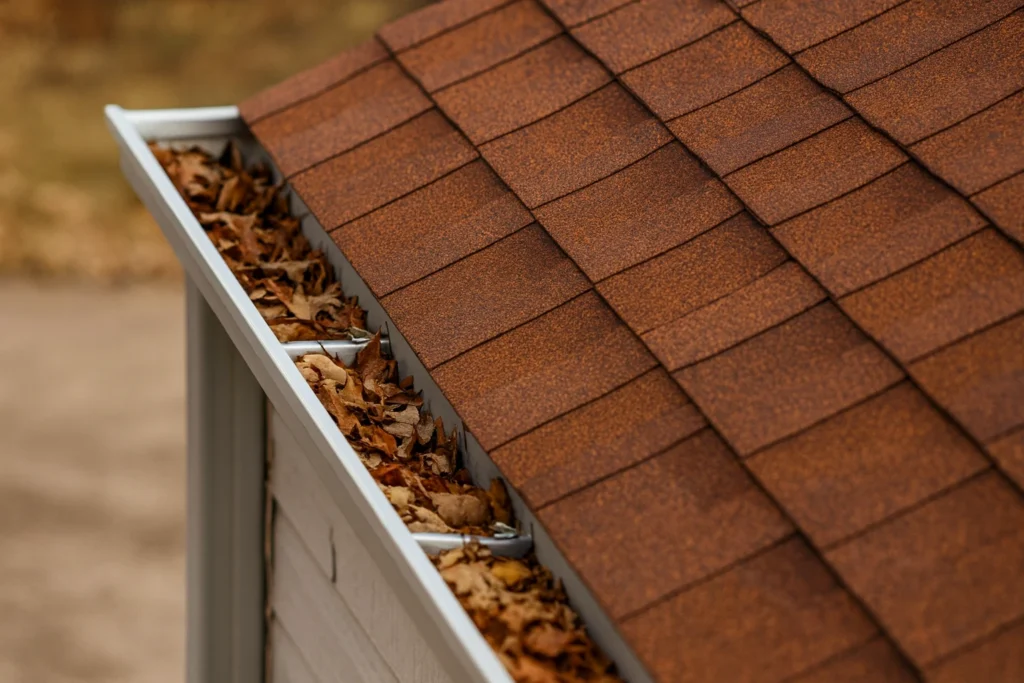
Why Are My Gutters Overflowing?
When water spills over the edge of your gutters, it’s a sign that something in your drainage system isn’t doing its job. Sometimes the fix is simple, like clearing out leaves or adjusting pitch.
Other times, it points to bigger issues with sizing, improper installation, or underground drainage.
Let’s break down the most common reasons your gutters overflow, and what each one means for your home.
1. Clogged Gutters Or Downspouts
The most common cause of gutter overflow is a blockage somewhere in the system. Over time, leaves, pine needles, sediment, and roof grit collect inside your gutters and downspouts, stopping water from flowing freely. When that happens, even a light rainfall can create a backup that spills over the edge
- Leaves, debris, and sediment buildup
- Downspout blockages causing backup
- Water has nowhere to flow
2. Heavy Rain Exceeding System Capacity
Sometimes your gutters are clean, but the storm is just too much. Intense downpours can overwhelm standard 5-inch gutter systems, especially on steep or large roofs. If your gutters can’t keep up, fast-moving runoff will surge over the sides before it ever reaches the downspout.
3. Improper Gutter Pitch Or Installation
Even a perfectly clean gutter can overflow if it’s not installed at the right slope. Each section of your gutter must tilt slightly toward the downspouts so water can drain instead of sitting still. If sections sag, pull away from the fascia, or were installed unevenly, water will pool and overflow long before reaching the exit point.
- Incorrect slope prevents drainage
- Sagging sections trap water
- Loose fasteners affect alignment
4. Gutters Overflowing But Not Clogged
If your gutters look clear yet still spill over, the problem may lie underground or near the foundation. Water that can’t drain away properly will back up in the downspouts or splash out near your home’s base. This is when a simple overflow issue can start turning into a moisture or foundation problem you don’t want to ignore.
- Downspout exit too close to foundation
- Underground drain line blocked
- Soil already saturated
- Backflow from overwhelmed drainage system

Will Overflowing Gutters Damage My Home?
If water repeatedly spills near your foundation, crawl space, or basement walls, the short answer is yes. Damage can occur. Overflowing gutters don’t just leave streaks on your siding; they change how water interacts with the soil beneath your home. Over time, that excess moisture seeps into tiny openings, pushes against your foundation, and creates the perfect conditions for mold and structural stress. Let’s look at the main ways water from overflowing gutters can harm your property.
Foundation Saturation And Hydrostatic Pressure
When gutter water pools near your foundation, it soaks into the surrounding soil. Saturated soil expands, pressing hard against basement walls and footings. That outward pressure called hydrostatic pressure forces water through small cracks or porous concrete, often showing up as damp spots or leaks after a storm.
- Water pooling near foundation increases soil saturation
- Saturated soil pushes against basement walls
- Pressure forces water through cracks or porous concrete
Basement Flooding After Heavy Rain
If your basement takes on water after storms, your gutters may be the starting point. Overflowing water that drains too close to your home can slip into wall cracks, collect in window wells, or rise up through floor joints. When it happens repeatedly, that moisture can lead to mold growth, musty odors, and long-term structural wear.
- Water entering through wall cracks
- Cove joint seepage
- Window well flooding
- Slab seepage
Crawl Space Moisture And Wood Rot
Even if your home doesn’t have a basement, that overflowing water can cause just as many issues in a crawl space. When humidity rises and wood stays damp, insulation deteriorates and mold takes hold. Over time, constant moisture exposure can soften beams and joists, creating an expensive repair that’s easy to prevent with proper drainage.
- Rising humidity
- Mold growth
- Insulation damage
- Structural wood decay
Soil Erosion And Settlement
Consistent overflow can also wash away soil near your foundation, leaving small gaps and uneven support beneath your home. As the soil shifts, low spots may collect more water, creating a cycle that worsens with every storm. Keeping water directed away protects both your foundation and the stability of your yard.
- Water washing away soil near foundation
- Uneven settling
- Exterior grading issues
Signs Overflowing Gutters Are Already Causing Damage
You don’t need a professional inspection to spot early warning signs. They often appear inside and outside your home. Look for damp smells, cracked walls, or water pooling where it shouldn’t be. The sooner you connect these red flags to overflowing gutters, the easier (and cheaper) it is to stop the problem before it grows.
- Musty basement odor
- Damp crawl space
- Efflorescence on walls
- Cracks leaking after rain
- Sagging floors
- Mold growth
- Water pooling near foundation
If you’re checking off more than one of these, it’s time to take gutter overflow seriously. Persistent moisture around a home’s foundation rarely stays a surface problem. It becomes a structural one.
When Is Gutter Overflow Just Cosmetic?
Not every instance of gutter overflow means you’re headed for foundation trouble. Sometimes, light splashing at the corners or runoff far from your home’s perimeter is more cosmetic than critical. The key difference is where the water goes. If it’s draining away properly and not pooling near walls or the base of your home, you can likely relax. Still, it’s worth keeping an eye on these moments during a heavy downpour to make sure minor overflow doesn’t evolve into a bigger problem.
When water exits far from the structure, your property’s grading is sound, and there’s no evidence of moisture where it shouldn’t be, it’s usually not a cause for alarm. But if any of those conditions change, or if rain patterns intensify, revisit your drainage setup before damage sneaks in quietly.
How To Stop Gutter Water From Damaging Your Home
By this point, you know that overflowing gutters are often the symptom, not the source. The real goal is to control where that excess water ends up. Addressing blockages and adjusting drainage routes is the best way to protect both your exterior and foundation, and it often takes less work than you’d think.
Basic Maintenance Steps
Every home benefits from a bit of routine gutter attention. While you don’t need to be on the ladder monthly, staying ahead of buildup helps prevent most overflows before they start. Keeping your system clear also means you’ll spot installation issues like sagging or misalignment early.
- Cleaning debris during dry seasons
- Checking downspouts for clogs
- Ensuring extensions direct water away from the house
Foundation And Drainage Corrections
If your gutters still overflow after basic maintenance, the solution may lie in your drainage design. Extending downspouts farther from the foundation, correcting yard grading, or adding underground drain lines can dramatically reduce basement and crawl space moisture. In more serious cases, interior waterproofing systems and sump pumps prevent hydrostatic pressure from doing long-term damage.
- Downspout extensions
- Drainage redirection
- Exterior grading correction
- Interior waterproofing systems
- Sump pump systems
- Crawl space encapsulation
Gutter issues may start above ground, but their impact reaches deep below. Addressing both surface and subsurface water management is the key to lasting protection.
Should You Call A Gutter Company Or A Waterproofing Specialist?
If you’re dealing with overflow, choosing who to call next depends on where you’ve spotted the problem. A gutter company is your first stop when you can physically see damaged, sagging, or missing sections of the system. But if overflow has already caused damp walls, a musty basement, or mold in a crawl space, you’ll want a specialist who handles moisture and foundation issues comprehensively.
Call a gutter company if:
- The system itself is damaged
- Sections are missing or loose
- Hardware failure or visible sagging
Call a waterproofing or moisture specialist if:
- Water is reaching your foundation
- Basement leaks appear after heavy rain
- Crawl space is damp
- Mold or mildew is present
- Structural issues are suspected
This way, you’re not just fixing the symptom. You’re addressing the entire moisture path from roofline to foundation for good.
Why Are My Gutters Overflowing: Final Thoughts
When gutters overflow, it’s more than a messy inconvenience. It’s an early warning sign from your home. Water that isn’t properly channeled can erode soil, seep into basements, and cause unseen foundation stress. Taking action before small problems escalate saves thousands in long-term repairs and keeps your home safe from hidden moisture damage.
If you’re in Long Island or nearby, you can always reach out for help. Our team specializes in waterproofing, rainwater flow management, and groundwater drainage systems built for homes in climates just like yours. We offer free inspections to help you catch water issues before they affect your structure or air quality.
Protect Your Home Before The Next Storm Hits! Contact Us for a Free Inspection Today!
Breathe Easy Again with Our Expert Crawl Space Mold Removal Services for New York Properties
Why Are My Gutters Overflowing?
Your gutters are overflowing because water isn’t draining where it should. Common causes include clogged downspouts, sagging sections, improper slope, or heavy rain that exceeds your system’s capacity.
Can Overflowing Gutters Damage My Foundation?
Yes, overflowing gutters can damage your foundation by allowing water to saturate the soil around your home. Over time, that moisture builds pressure against walls and leads to cracks, leaks, and structural settling.
There’s Water Pooling Around My Foundation. What Should I Do?
If there’s water pooling around your foundation, act quickly. Redirect the runoff, check gutter downspouts and extensions, and call a drainage specialist to evaluate grading and underground drain lines before damage spreads.
How Do I Know If Water Around My Foundation Has Been There Long Enough To Cause Damage?
You’ll know water has been around long enough to cause damage if you see signs like musty odors, damp basement walls, efflorescence, or small foundation cracks. Persistent pooling is never harmless because it signals a drainage imbalance.
How Much Do Contractors Charge To Fix Overflowing Gutters?
Contractors typically charge between $150–$600 to repair gutter overflow, depending on damage, length, and accessibility. Full replacements can range from $1,000–$2,500 for an average home, especially if downspouts or fascia need work.
Can I Fix Overflowing Gutters Myself?
Yes, you can try simple maintenance like clearing debris, checking slope, and tightening loose brackets. However, if water is pooling near the foundation or leaks continue, bring in a professional to prevent hidden drainage or moisture damage.
Can penicillium mold avbehind walls without visible signs?
You should clean your gutters at least twice a year, ideally in spring and fall. If you live under heavy tree cover, quarterly cleanings or installing gutter guards can help stop clogs that lead to overflow.
Will Gutter Guards Stop Overflow Completely?
Gutter guards help reduce debris buildup but won’t stop overflow completely. They keep leaves out but can’t fix pitch problems, undersized gutters, or poor downspout placement, all common causes of water runoff issues.
Who Should I Call About Overflowing Gutters?
For visible gutter or downspout problems, call a gutter contractor. If overflow is causing pools, leaks, or a damp basement, contact a drainage or waterproofing specialist because they solve the moisture issue at its source.
Can Overflowing Gutters Cause Mold In My Basement Or Crawl Space?
Yes. Overflowing gutters can lead to mold in your basement or crawl space by allowing water to pool near the foundation. That moisture increases soil saturation and indoor humidity, which can seep through small cracks or porous concrete. Damp, poorly ventilated areas then create ideal conditions for mold growth. Fixing gutter drainage early helps prevent foundation moisture and mold problems.