
Mold is a natural part of the environment, and thousands of mold species exist both indoors and outdoors. Most molds play an important ecological role by breaking down organic materials such as leaves, wood, and food. However, certain species are often referred to as toxic molds because they can produce harmful chemical compounds called mycotoxins. Understanding the difference between common molds and those capable of producing toxins is important for identifying potential risks in homes, workplaces, and agricultural environments.
It’s also important to note that not all molds produce toxins, and even species capable of producing mycotoxins do not always generate them. Toxin production depends on factors such as moisture, temperature, and the materials the mold is growing on. In this guide, we’ll examine which molds are toxic, the species most commonly associated with mycotoxin production, and where these molds are most often found.
Protect Your Home from Toxic Mold on Long Island! Schedule A Professional Mold Inspection Today!
What Is Toxic Mold?
The term toxic mold is commonly used to describe mold species that are capable of producing harmful chemical compounds known as mycotoxins. While mold is a natural part of the environment and many species are harmless, some fungi can produce substances that may pose risks to human and animal health under certain conditions. These molds are often associated with water-damaged buildings, damp materials, and contaminated food sources.
It’s important to understand that the phrase “toxic mold” doesn’t mean the mold itself is always poisonous. Instead, it refers to molds that can produce mycotoxins as secondary metabolites, which are chemical byproducts produced during certain stages of fungal growth.
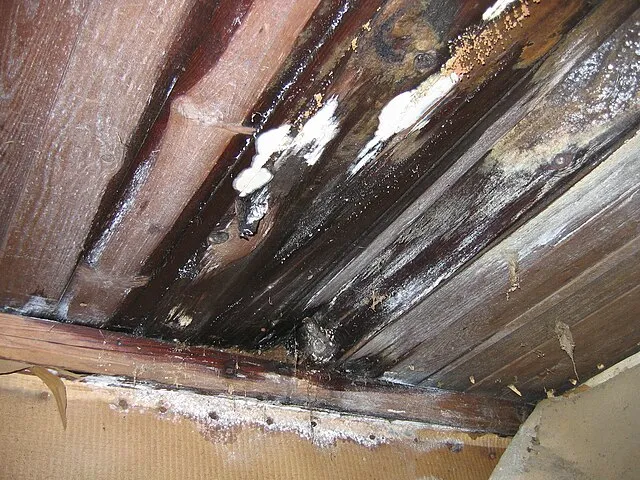
Whether mycotoxins are actually produced depends on environmental factors such as moisture levels, temperature, and the material the mold is growing on.
Health Effects of Toxic Mold Exposure
Exposure to mold and mold-related compounds can affect people in different ways depending on factors such as sensitivity, immune health, and duration of exposure. While some individuals may experience minimal symptoms, others may develop respiratory irritation or allergic reactions when exposed to mold spores or contaminated environments.
Research into mycotoxin exposure continues to evolve, but mold exposure has been associated with several categories of symptoms that affect the respiratory, neurological, and immune systems.
Respiratory Symptoms
Respiratory irritation is one of the most commonly reported effects of mold exposure. Mold spores and fragments can become airborne and irritate the airways when inhaled. Common symptoms may include wheezing, which occurs when the airways become inflamed or constricted.
Individuals with asthma may experience increased sensitivity to mold exposure.
Some people also develop a chronic cough, throat irritation, or nasal congestion when exposed to mold-contaminated environments.
Neurological Symptoms
In certain cases, individuals exposed to moldy environments report neurological symptoms. These may include brain fog, difficulty concentrating, or problems with memory and focus.
Headaches are another symptom sometimes reported in damp indoor environments where mold growth is present. While these symptoms can have many possible causes, mold exposure may contribute to discomfort for sensitive individuals.
Immune System Effects
Mold exposure can also influence the immune system, particularly in people with allergies, asthma, or weakened immune defenses. Some individuals may experience chronic inflammation as the immune system reacts to mold spores and other fungal components in the environment.
Fatigue is another symptom sometimes reported in environments with persistent mold contamination, particularly when exposure occurs over extended periods.
Toxic Mold vs Allergenic Mold
Not all molds pose the same type of risk. Fungi are often categorized based on the way they affect human health:
- Allergenic Molds $20
Allergenic molds trigger allergic reactions in sensitive individuals. These molds release spores that can cause symptoms such as sneezing, nasal congestion, itchy eyes, or asthma flare-ups. Many common household molds fall into this category.
- Pathogenic Molds $9
Pathogenic molds can cause infections, particularly in individuals with weakened immune systems. These molds are capable of invading tissues and causing disease in susceptible people.
- Toxigenic Molds $32
Toxigenic molds are species capable of producing mycotoxins. These molds may produce harmful compounds under certain environmental conditions, which is why they are often referred to as toxic molds.
Why Mycotoxins Matter
Mycotoxins are significant because they can affect both human and animal health when exposure occurs through inhalation, ingestion, or skin contact. In indoor environments, mycotoxins may accumulate in dust or on contaminated materials when toxigenic molds grow in damp conditions.
In humans, exposure to mold and mycotoxins has been associated with respiratory irritation, allergic reactions, headaches, fatigue, and other symptoms in some individuals. The severity of symptoms can vary widely depending on the person’s sensitivity, immune health, and level of exposure.
Mycotoxins can also affect pets and livestock, particularly when contaminated food or feed is consumed. In agriculture, mycotoxin contamination in crops such as corn, wheat, and peanuts is a well-studied issue because certain toxins can impact animal health and food safety.
Which Molds Are Toxic?
Several mold genera are known to produce mycotoxins, although toxin production depends heavily on environmental conditions. Factors such as moisture, temperature, available nutrients, and the specific mold strain all influence whether mycotoxins are produced. Some of the most commonly studied toxic mold groups include Stachybotrys, Aspergillus, Penicillium, Fusarium, Cladosporium, and Alternaria.
Stachybotrys chartarum (Black Mold)
Stachybotrys chartarum is often referred to as black mold and is one of the most widely discussed toxic mold species.
Under certain conditions, this mold can produce trichothecene mycotoxins, a group of compounds known for their potential toxicity.
This species commonly grows on water-damaged cellulose-based materials such as drywall, ceiling tiles, paper products, wood, and insulation.
Because it requires consistent moisture to grow, it is most often found in buildings that have experienced flooding, plumbing leaks,
or long-term humidity problems.
Aspergillus Species
The Aspergillus genus includes hundreds of species of mold, some of which are capable of producing powerful mycotoxins.
These molds are commonly found in soil, dust, decaying vegetation, and indoor environments.
Important mycotoxin-producing species include:
- Aspergillus flavus — known for producing aflatoxins
- Aspergillus parasiticus — another major producer of aflatoxins
- Aspergillus fumigatus — associated with respiratory infections in immunocompromised individuals
Some Aspergillus species are also associated with the production of ochratoxin A, another toxin studied
for its effects on human and animal health.
Penicillium Species
Penicillium molds are commonly found indoors, particularly in damp buildings and water-damaged materials.
While some species are beneficial and used to produce antibiotics or cheeses, others can produce harmful mycotoxins.
Two species often discussed in relation to mycotoxin production include:
- Penicillium verrucosum — known for producing ochratoxin
- Penicillium expansum — can contaminate fruits and produce the toxin patulin
These molds frequently grow on organic materials such as wallpaper, carpeting, insulation, and stored food products.
Fusarium Species
Fusarium molds are commonly associated with agricultural crops but can also appear in indoor environments
with significant moisture issues. Many Fusarium species are known producers of potent mycotoxins.
Two notable examples include:
- Fusarium graminearum — produces trichothecenes and contaminates grains
- Fusarium verticillioides — associated with fumonisin production in corn
Because these molds thrive in crops and soil, they are a major concern in food safety and livestock health.
Cladosporium Species
Cladosporium is one of the most common molds found both indoors and outdoors.
While it is typically considered an allergenic mold, some strains may produce mycotoxins
under certain environmental conditions.
This mold often appears on surfaces such as wood, fabrics, carpets, and HVAC systems,
particularly in areas with high humidity.
Alternaria Species
Alternaria molds are widespread in soil, plants, and indoor environments.
The species Alternaria alternata is one of the most frequently encountered molds associated with allergies.
In addition to being a strong allergen, some Alternaria strains can produce mycotoxins such as alternariol,
which have been studied for their potential biological effects.
Indoors, Alternaria is often found in damp areas like bathrooms, window frames, and around leaks.
Which Molds Produce Mycotoxins?
Mycotoxins are produced by certain molds as secondary metabolites, but not every strain of mold will produce toxins in every environment.
Mycotoxin production depends on several factors, including the species of mold, the strain within that species, and environmental conditions
such as moisture, temperature, and available nutrients.
Even molds that are known to produce mycotoxins may not generate them unless the conditions are favorable.
Several mold genera are widely studied because they are capable of producing some of the most significant mycotoxins affecting
human health, food safety, and agriculture.
These molds can grow indoors in damp buildings as well as outdoors on crops, stored grains, and other organic materials.
Major Mycotoxin-Producing Molds
The following mold genera are among the most commonly associated with mycotoxin production:
| Mold Genus | Common Mycotoxins |
|---|---|
| Aspergillus | Aflatoxins, Ochratoxin A |
| Penicillium | Ochratoxin, Citrinin |
| Fusarium | Trichothecenes, Fumonisins |
| Stachybotrys | Trichothecenes |
| Alternaria | Alternariol |
These molds can grow in a variety of environments. Some are primarily associated with water-damaged buildings,
while others are more commonly found in agricultural crops and stored food products.
The Most Dangerous Mycotoxins Produced by Mold
While hundreds of mycotoxins have been identified, a smaller number are considered particularly important because of their toxicity
and frequency of occurrence. These compounds are commonly studied due to their potential effects on human health, livestock,
and food safety.
Aflatoxins
Aflatoxins are among the most potent naturally occurring mycotoxins known. They are primarily produced by
Aspergillus flavus and Aspergillus parasiticus.
These toxins are commonly found in contaminated crops such as corn, peanuts, and tree nuts. Long-term exposure to aflatoxins
has been strongly linked to liver damage and an increased risk of liver cancer, which is why they are closely
monitored in food safety regulations around the world.
Ochratoxin A
Ochratoxin A is produced by several species of Aspergillus and Penicillium molds.
This toxin is commonly detected in contaminated grains, coffee, dried fruits, and some indoor mold environments.
Research has associated ochratoxin A with kidney toxicity and potential immune system effects.
Because of its persistence and stability, it can remain present in contaminated food products even after processing.
Trichothecenes
Trichothecenes are a group of mycotoxins produced primarily by Fusarium species and by
Stachybotrys chartarum, the mold commonly referred to as black mold.
These compounds are known for their ability to inhibit protein synthesis in cells, which can lead
to immune system suppression and tissue irritation.
In indoor environments, trichothecenes have been associated with mold growing on water-damaged building materials.
Fumonisins
Fumonisins are mainly produced by Fusarium verticillioides and related Fusarium species.
These toxins commonly contaminate corn and other grain crops. Studies have linked fumonisins
to neurological and liver effects in animals and have raised concerns about potential impacts on human health
in areas where contaminated grain products are widely consumed.
Where Toxic Molds Are Commonly Found
Toxic molds can develop anywhere that moisture and organic materials are present. Because mold spores exist naturally in the air, they can quickly begin growing when they land on damp surfaces. Environments with persistent humidity, water damage, or poor ventilation provide ideal conditions for toxigenic mold species to grow and potentially produce mycotoxins.
While toxic molds can appear in many environments, they are most commonly found in water-damaged buildings, agricultural products, and HVAC systems where moisture accumulation allows mold colonies to thrive.
Water-Damaged Homes
Water damage is one of the most common causes of indoor mold growth. Leaks, flooding, plumbing issues, and roof damage can allow moisture to seep into building materials where mold colonies begin to develop.
Drywall is particularly vulnerable because it contains paper backing and gypsum that can retain moisture. When drywall becomes damp for extended periods, it can provide an ideal surface for mold growth.
Food and Agriculture
Certain molds that produce mycotoxins are commonly associated with agricultural crops and stored food products. When crops are exposed to moisture during growth, harvest, or storage, mold contamination can occur.
Corn is one of the most frequently contaminated crops, particularly with Fusarium species that produce fumonisins.
Peanuts are susceptible to contamination by Aspergillus species that produce aflatoxins, especially in warm and humid environments.
Grains such as wheat, barley, and rice may also develop mold contamination during storage if moisture levels are too high.
HVAC Systems
Heating, ventilation, and air conditioning systems can create environments where mold spores accumulate and spread throughout a building. Air ducts may collect dust, organic debris, and moisture, which can allow mold colonies to develop inside the system. Once mold grows within ductwork, spores can circulate through indoor air.
Condensation areas, such as cooling coils and drip pans, are particularly prone to mold growth because moisture regularly accumulates in these locations.
Signs of Toxic Mold Growth
Mold growth is not always immediately visible, but certain warning signs can indicate a potential problem inside a building. These indicators often appear after water damage, high humidity, or long-term moisture issues. While these signs do not always confirm the presence of toxic mold, they may suggest conditions where mold can grow and spread. Recognizing these early clues can help identify potential mold problems earlier.
- Musty or Earthy Indoor Odor
- Water Stains on Walls or Ceilings
- Visible Dark Spots or Fuzzy Patches
- Discoloration on Drywall, Wood, or Tile Grout
If these signs appear in a home or building, further inspection may be necessary to determine whether mold is present. Addressing moisture problems quickly is one of the most effective ways to prevent mold growth and limit potential exposure.
Which Molds Are Toxic: Final Thoughts
Toxic mold refers to mold species that are capable of producing mycotoxins, but it’s important to understand that not every mold colony produces toxins in every environment. Mycotoxin production depends on factors such as moisture, temperature, and the material the mold is growing on. However, several genera are consistently associated with toxin production, including Aspergillus, Penicillium, Fusarium, Stachybotrys, and Alternaria. These molds can appear in water-damaged homes, contaminated crops, or poorly ventilated areas where moisture persists.
For homeowners and property managers, the biggest risk factor isn’t just the presence of mold. It’s unresolved moisture problems. Leaks, flooding, high humidity, and condensation can allow toxigenic mold species to grow on materials like drywall, insulation, wood, and carpeting. Addressing moisture quickly and performing proper inspections can help prevent mold colonies from spreading and reduce the risk of mycotoxin exposure indoors.
Protect Your Long Island Home From Toxic Mold! Schedule A Professional Mold Inspection Today
Frequently Asked Questions About Toxic Mold
What molds are considered toxic?
Toxic molds are mold species capable of producing mycotoxins, harmful chemical compounds created by certain fungi. Common toxigenic molds include Stachybotrys, Aspergillus, Penicillium, Fusarium, and Alternaria.
Which mold produces the most dangerous mycotoxins?
Several molds produce potent mycotoxins, but Aspergillus species are widely studied because they produce aflatoxins, which are among the most toxic naturally occurring fungal compounds.
Is black mold always toxic?
No. Stachybotrys chartarum, commonly called black mold, can produce mycotoxins under certain conditions, but it does not always produce toxins. Growth conditions such as moisture and nutrients influence toxin production.
Can mold in homes produce mycotoxins?
Yes. Some indoor mold species can produce mycotoxins when growing in damp environments, especially on materials like drywall, wood, insulation, or carpeting that remain wet for extended periods.
What are the symptoms of exposure to toxic mold?
Possible symptoms include respiratory irritation, coughing, wheezing, headaches, fatigue, and allergic reactions. Sensitivity varies widely depending on the individual and the level of exposure.
Where is toxic mold most commonly found indoors?
Toxic mold often develops in water-damaged areas, including basements, bathrooms, attics, crawl spaces, HVAC systems, and behind walls where moisture has accumulated.
What conditions allow toxic mold to grow?
Mold grows when spores land on surfaces with moisture, organic materials, and suitable temperatures. Water leaks, flooding, humidity, and condensation can create ideal conditions for growth.
How can you tell if mold in your home is toxic?
It is difficult to identify toxic mold by appearance alone. Professional mold testing or inspection is often required to determine the species present and evaluate the extent of contamination.
Can toxic mold grow without visible signs?
Yes. Mold often grows behind walls, under flooring, inside ductwork, or inside insulation, meaning contamination may exist even when visible mold is not present.
How do you prevent toxic mold in a home?
Preventing toxic mold involves controlling moisture by fixing leaks quickly, maintaining proper ventilation, using dehumidifiers in humid areas, and addressing water damage within 24–48 hours.