

If you’re struggling with mold in your crawl space, you’re not alone. Mold destroys more wood than termites and fires combined, and up to 40% of the air you breathe in your home may be coming from your crawl space right now. That means every breath could be carrying mold spores, allergens, and contaminants that impact your health and the integrity of your home.
Ignoring crawl space mold is not an option. It spreads fast, eats away at wooden structures, and can lead to expensive repairs. Whether you’ve noticed musty odors, increased allergy symptoms, or visible signs of mold growth, now is the time to act. Our crawl space mold removal services in New York provide fast, effective solutions to remove mold, restore air quality, and protect your home for the long term.
With professional crawl space mold inspection, mold remediation, and mold encapsulation, we handle everything from detection to full removal—so you won’t have to look anywhere else.
Get Your Crawl Space Mold Problem Solved Today! Contact Us Now for Expert Mold Removal in New York.
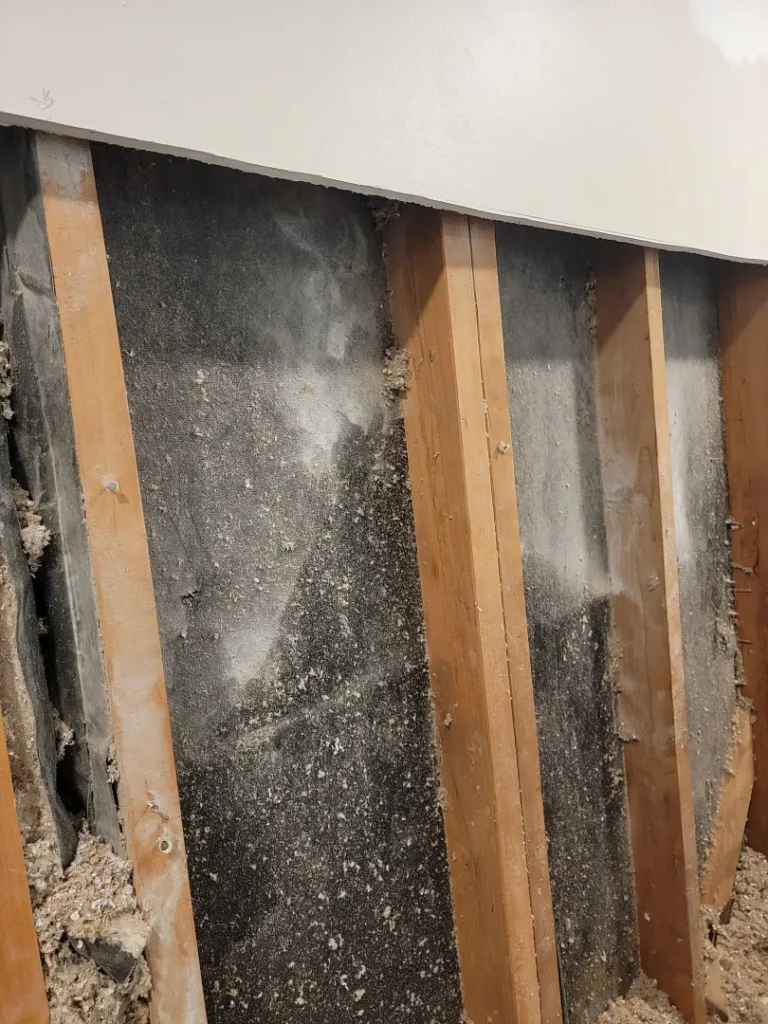
The Real Cause: Moisture Trapped In Or Behind Your Walls
Black mold doesn’t start because the wall is dirty. It starts because the wall is damp.
As mentioned above, spores are always present in indoor air. They become active when moisture in walls remains high enough to support growth. When indoor humidity rises above roughly 60%, or when materials stay wet for 24-48 hours, humidity mold growth can begin on drywall surfaces and inside wall cavities.
Common moisture sources include:
- Plumbing leaks inside walls
- Roof leaks allowing water to travel downward
- Window seal failure letting rain penetrate framing
- High indoor humidity with poor air circulation
- Flooding or previous water damage
- HVAC condensation draining improperly
- Foundation seepage entering lower wall sections
Condensation inside walls is especially common in colder climates, where warm indoor air meets a cold exterior surface and forms hidden water droplets. Over time, that trapped moisture creates the conditions that explain why mold grows on drywall even without a visible leak.
The wall isn’t the cause. The moisture trapped within it is.
Common Reasons Black Mold Appears On Walls
As covered earlier, moisture is always the driver behind black mold growth. Mold spores are present in nearly every indoor environment, but they only become a problem when consistent dampness allows them to colonize building materials.
When drywall, insulation, or framing remains wet long enough, visible staining is simply the surface symptom of a deeper moisture imbalance. Identifying the true source is critical, because cleaning the surface without correcting the moisture condition will not stop recurrence.
Below are the most common real-world scenarios that lead to visible growth.
Roof Leaks
If the mold is higher on the wall or near the ceiling, a roof leak is often the hidden source.
Water from damaged shingles or flashing doesn’t always drip straight down into a room. It can travel along rafters and framing before soaking into drywall. Over time, this creates black mold after a leak that may appear several feet below the actual roof failure.
Ceiling-to-wall staining, peeling paint near the top corners of rooms, or discoloration spreading downward are strong indicators. You might also notice issues after heavy rainstorms rather than daily humidity changes.
How to Recognize It:
Staining or mold that starts near the ceiling line and gradually works its way down the wall.
Condensation On Exterior Walls
Mold on exterior walls often develops without a single dramatic leak.
In colder climates, warm indoor air meets cooler exterior sheathing inside the wall cavity. When insulation is insufficient or air sealing is poor, condensation inside walls forms repeatedly during winter months. Over time, that trapped moisture supports mold growth along outer-facing drywall.
You may see patchy dark spotting on north-facing walls, behind furniture placed against exterior walls, or in corners with limited airflow.
How to Recognize It:
Mold forming primarily on outside-facing walls, especially during cold seasons, without signs of plumbing failure.
Plumbing Leaks
Mold on bathroom walls and kitchen walls is frequently tied to plumbing.
Supply lines, drainpipes, or shower valves inside the wall can develop slow leaks. These leaks don’t always cause obvious flooding. Instead, they create damp drywall from the inside out. Over time, mold growth forms around fixtures, behind vanities, or along baseboards.
Because these leaks are pressurized or frequently used, the moisture source can remain active for months before visible staining appears. This is a common reason homeowners discover mold during a renovation.
How to Recognize It:
Mold concentrated near sinks, tubs, toilets, or appliances that use water.
Basement Or Foundation Moisture
Basement mold causes often originate below grade.
Hydrostatic pressure builds when soil around your foundation becomes saturated. That pressure forces moisture through small cracks or porous masonry. In some cases, water wicks upward through concrete and into wall framing and drywall.
This type of moisture intrusion may not look like active flooding. Instead, it shows up as lower-wall discoloration, bubbling paint, or persistent musty odor. Over time, black mold can form along the bottom sections of finished basement walls.
How to Recognize It:
Staining or mold concentrated near the floor line in basements or lower levels.
Past Flooding
Wall mold after flooding can appear weeks or even months after the water event.
Even if surfaces were dried quickly, moisture can remain trapped inside insulation or behind drywall. If materials were not fully removed and dried, mold from water damage may begin inside the wall cavity before spreading outward.
Homeowners are often surprised when black staining returns long after the initial cleanup. Floodwater doesn’t just wet surfaces. It saturates building materials.
How to recognize it: mold developing in areas that were previously flooded, even if they appeared dry at the time.
How to Recognize It:
Mold developing in areas that were previously flooded, even if they appeared dry at the time.
Is Black Mold On Walls Always Toxic?
Not all black mold is the infamous “toxic mold,” and you can’t identify species by color alone.
The term toxic black mold is commonly associated with Stachybotrys, but stachybotrys on walls cannot be confirmed by sight. Many different mold species can appear dark or black. Visual inspection tells you that moisture was present. It does not confirm toxicity.
Is black mold dangerous? The answer depends on several factors, including the species, the extent of growth, and individual sensitivity. Some people notice irritation or allergy-like reactions, while others may not experience noticeable effects.
Mold testing can identify species when necessary, but testing is not always required for remediation. The priority is addressing the moisture source and removing affected materials correctly.
Color alone should not drive panic. Proper inspection and moisture correction should drive decisions.
Why Black Mold Often Comes Back After Cleaning
If mold keeps returning to the same spot, the moisture source was never fixed.
Cleaning mold on walls can remove visible staining, but it does not address the underlying structural moisture. As mentioned earlier, growth is triggered by damp building materials. If moisture in the wall cavity remains, mold behind drywall will continue developing even after the surface looks clean.
There’s also the bleach myth. Bleach on mold may lighten staining temporarily, but it does not penetrate porous drywall. In many cases, the water content in bleach can actually add more moisture to the material, allowing regrowth beneath the surface.
This is the difference between cosmetic removal and correction. Surface wiping treats what you see. True correction means identifying leaks, condensation, or seepage and drying or replacing compromised materials.
If mold keeps coming back, assume the wall is still wet somewhere, even if it feels dry to the touch.
What To Do If You Find Black Mold On Your Wall
As leading mold remediation contractors, our experts recommend having a professional check it out first. But, if you’re going to address the problem on your own, the first step is identifying where the moisture is coming from.
Follow this practical approach:
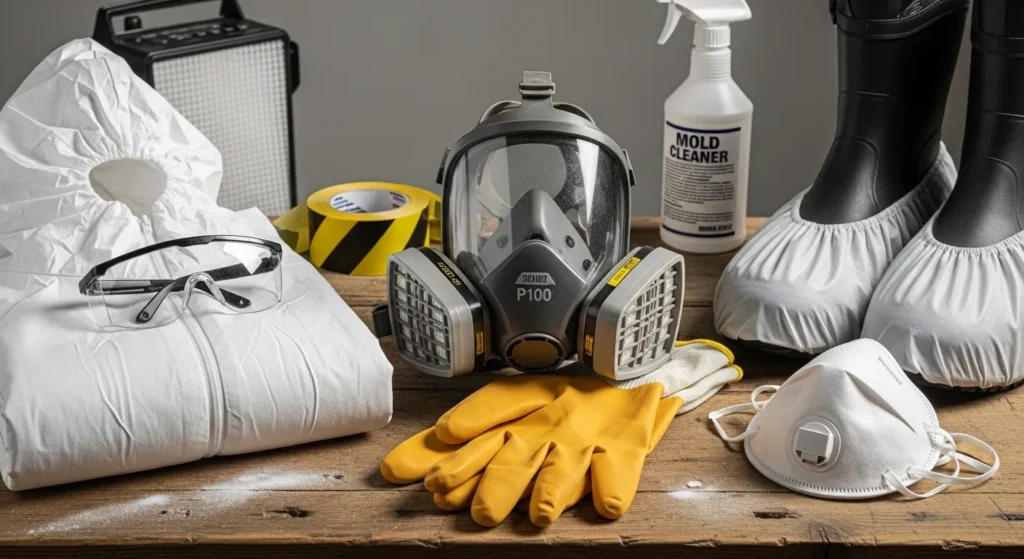
- Step 1: Protect Yourself First (Personal Protective Equipment)
Before inspecting or cleaning anything, reduce your exposure. Disturbing mold can release spores into the air.
Use the following protective equipment:- N95 or P100 respirator (not a basic dust mask)
- Disposable gloves (nitrile or rubber)
- Protective eyewear without ventilation holes
- Long sleeves and pants
- Plastic sheeting to isolate the area, if possible
- Do not lean in close to inspect mold or scrape it dry.
- Avoid sanding or brushing, which can aerosolize spores.
- Step 2: Assess The Size
If the affected area is smaller than 10 square feet and clearly limited to the surface, limited cleaning may be possible. Larger areas or repeated growth increase the likelihood of deeper contamination.
- Step 3: Fix The Moisture First $32
As discussed earlier, correcting leaks, condensation, or seepage is non-negotiable. Cleaning without moisture correction guarantees recurrence.
- Step 4: Clean Carefully — Or Escalate $32
For small, surface-only areas, careful cleaning with appropriate containment may be effective. If drywall feels soft, staining spreads, or moisture readings remain elevated, professional mold remediation is the safer and more effective solution.
- Step 5: Know When To Call A Professional $32
If growth is widespread, inside drywall, tied to flooding, or continues returning, professional containment and material removal are required. Structural involvement and hidden mold demand controlled remediation procedures.
Preventing Black Mold On Walls In The Future
Preventing black mold is all about controlling moisture before it reaches your walls.
As mentioned above, visible growth is the symptom. Long-term prevention means managing humidity control, stopping water intrusion, and keeping building materials dry year-round.
Use this checklist to prevent black mold:
- Maintain indoor humidity between 45–55% using a dehumidifier
- Install or upgrade bathroom and kitchen exhaust ventilation
- Improve wall insulation moisture performance on exterior-facing walls
- Seal air leaks that allow warm air to condense inside cavities
- Use properly sized dehumidifiers in basements and lower levels
- Invest in basement waterproofing if you’ve experienced seepage
- Extend downspouts and improve exterior drainage away from the foundation
- Consider crawl space encapsulation in homes with vented crawl spaces
Prevention is structural, not cosmetic. When moisture stays controlled, mold growth on drywall cannot establish.
Contact Us Now to Find Our More About Our Mold Prevention Solutions!
What Causes Mold On Walls: Final Thoughts
Mold on walls is never random. It is the visible result of excess moisture meeting organic building materials and going unchecked. Whether the source is hidden plumbing leaks, roof intrusion, elevated indoor humidity, poor ventilation, or condensation buildup, the common denominator is uncontrolled moisture.
When humidity levels stay high and surfaces remain damp, mold spores settle, colonize, and spread. Left unresolved, the issue rarely stabilizes on its own. It expands behind drywall, inside insulation, and along framing, creating both structural concerns and indoor air quality risks.
Stop The Spread Before It Gets Worse! Schedule Your Free Mold & Moisture Inspection Today!
What Causes Mold On Walls: Final Thoughts
What causes black mold on walls in bedrooms?
What causes black mold on walls in bedrooms is typically elevated humidity combined with limited airflow. Bedrooms often have closed doors, poor ventilation, and exterior-facing walls where condensation can form. Over time, trapped moisture inside drywall supports mold growth, especially behind furniture placed against outside walls.
Can high humidity alone cause black mold?
Yes, high humidity alone can cause black mold if levels remain above roughly 60% for extended periods. Even without a visible leak, sustained indoor humidity can create condensation on drywall and inside wall cavities, allowing mold growth to develop on damp surfaces.
Is black mold from condensation dangerous?
Black mold from condensation can cause indoor air quality concerns, but color alone does not determine toxicity. Condensation-related mold forms when moisture accumulates inside walls. The risk depends on the extent of growth and individual sensitivity, not simply whether the mold appears dark.
Does painting over black mold fix it?
Painting over black mold does not fix the problem. It only covers staining temporarily. If the underlying moisture is not corrected, mold will continue growing beneath the paint layer and may reappear within weeks or months.
Can small patches of black mold be cleaned safely?
Small patches under 10 square feet can sometimes be cleaned safely if the moisture source has been fixed. Proper protective gear and containment are important. If growth returns or drywall feels soft, professional mold remediation is recommended.
Can mold grow inside insulated walls?
Yes, mold can grow inside insulated walls if moisture becomes trapped behind drywall. Insulation slows drying, which can allow hidden mold to develop inside the wall cavity even when the painted surface looks intact.
Why does mold appear on exterior-facing walls?
Mold appears on exterior-facing walls because those surfaces are more likely to experience temperature differences that cause condensation. Poor wall insulation moisture control and limited airflow increase the risk of damp drywall along outside walls.
How fast does black mold grow after water damage?
Black mold can begin developing within 24–48 hours after water damage if materials remain wet. The longer drywall and insulation stay damp, the more extensive mold growth becomes.
Should I test black mold before removing it?
You should test black mold before removing it if the affected area is large, recurring, or connected to potential structural moisture. Mold testing can identify species, but in many cases, correcting moisture and removing contaminated material is the priority.
When should I call a mold professional?
You should call a mold professional when mold covers a large area, keeps returning, affects structural materials, or is tied to hidden water damage. An inspection can determine whether remediation, waterproofing, or crawl space encapsulation is necessary to stop recurrence.