
Waterproofing Solutions That Prevent Mold Recurrence
Mold recurrence is almost never a “missed spot” or poor cleaning issue. It’s a moisture failure. If moisture returns, mold returns, every time. Scrubbing surfaces, fogging air, or even completing professional mold remediation will not stop mold from coming back if the underlying water problem remains. Mold doesn’t need much to restart: a damp surface, elevated humidity, or recurring seepage is enough.
That’s why waterproofing is best understood as preventative medicine for mold. It doesn’t treat symptoms, it removes the conditions mold needs to survive. When moisture is controlled correctly, mold growth becomes unsustainable.
This page explains how professional waterproofing fits into a complete mold-prevention system and why it’s the missing step for many homeowners who’ve already dealt with mold once. Services are available nationwide, with focused support across Long Island, Brooklyn, Queens, and The Bronx, where high water tables and aging structures make moisture control especially critical.
Stop Mold at the Source! Call Now for Your Free Long Island Mold Inspection!
The Real Cause of Mold Recurrence: Persistent Moisture
If you’re constantly noticing musty odors, dampness in your basement, or water seepage from an outside source, your home is a sitting duck for mold growth. Most repeat mold issues are driven by one or more of the following hidden or misunderstood moisture sources:
Main Causes of Mold in Homes:
- Groundwater Seepage: Groundwater seepage entering through foundation walls or floor joints
- Severe Grading Problems: If your yard isn’t graded surface water is funneled toward the foundation instead of away from it.
- Hydrostatic Pressure: Hydrostatic pressure forcing water through porous concrete below grade
- Poor Surface Drainage: Poor surface drainage that funnels rainwater toward the foundation
- Condensation: Condensation from high indoor humidity, especially in basements and crawl spaces
- Moisture Wicking: Capillary moisture wicking as concrete absorbs and releases groundwater vapor
- Flooding or Storm Surges: In areas near the coast or flood zones, moisture is often introduced when it rains or a storm hits. This saturates everything, which takes longer to dry and can cause mold.
Why It’s Important to Stop the Moisture Source?
Easy. Mold depends on moisture. In fact, it can hibernate for months or even years without moisture. As soon as the mold spores get it back, they start growing again. The problem with just killing the mold, is that it removes the contamination. Not the problem that caused it.
Without waterproofing or moisture correction:
- Remediation becomes temporary relief, not a solution
- Mold regrows on new surfaces once humidity or seepage returns
- Homeowners often pay for cleanup more than once without understanding why
If you’ve already addressed mold and it came back, that’s not a failure, it’s a sign the root cause was never treated correctly.
Waterproofing Methods That Prevent Mold Growth
Once you understand where moisture is coming from, the next step is choosing the right way to stop it. Not every home needs the same solution, and not every moisture problem is solved from the same place.
The goal is simple: interrupt moisture before it can accumulate, spread, or linger.
Professional waterproofing methods fall into a few core categories, depending on whether moisture is entering from below, through the foundation, or from surrounding soil and surface water.
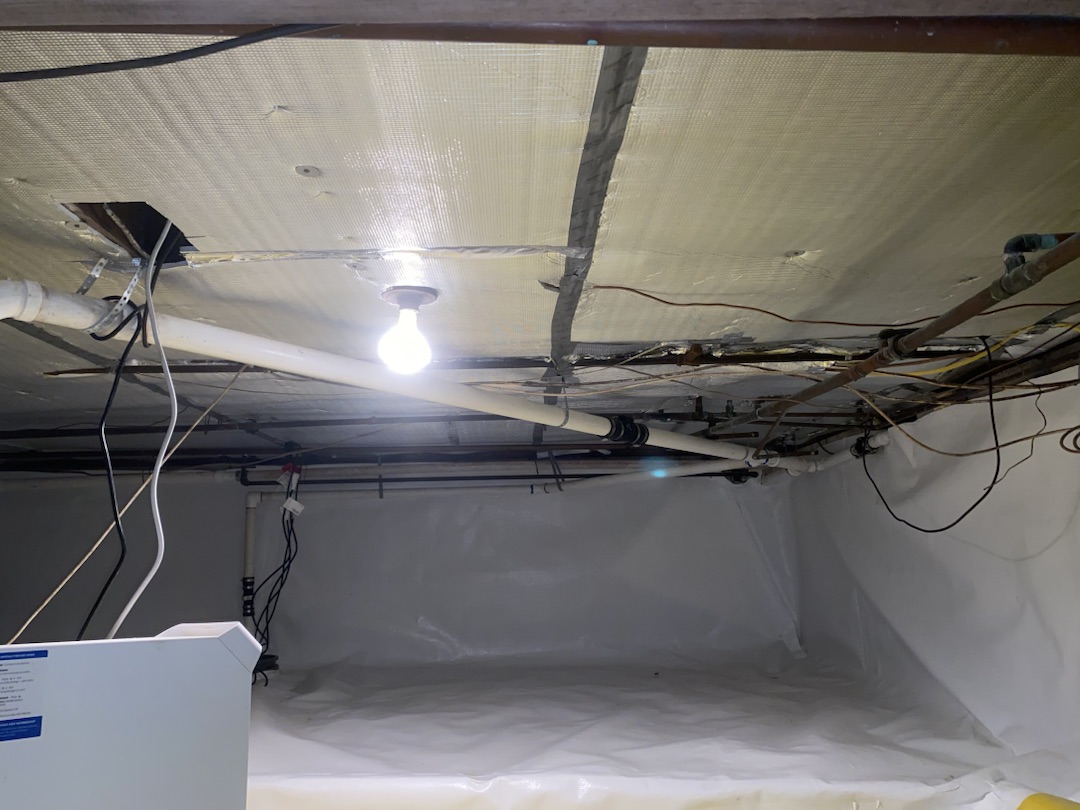
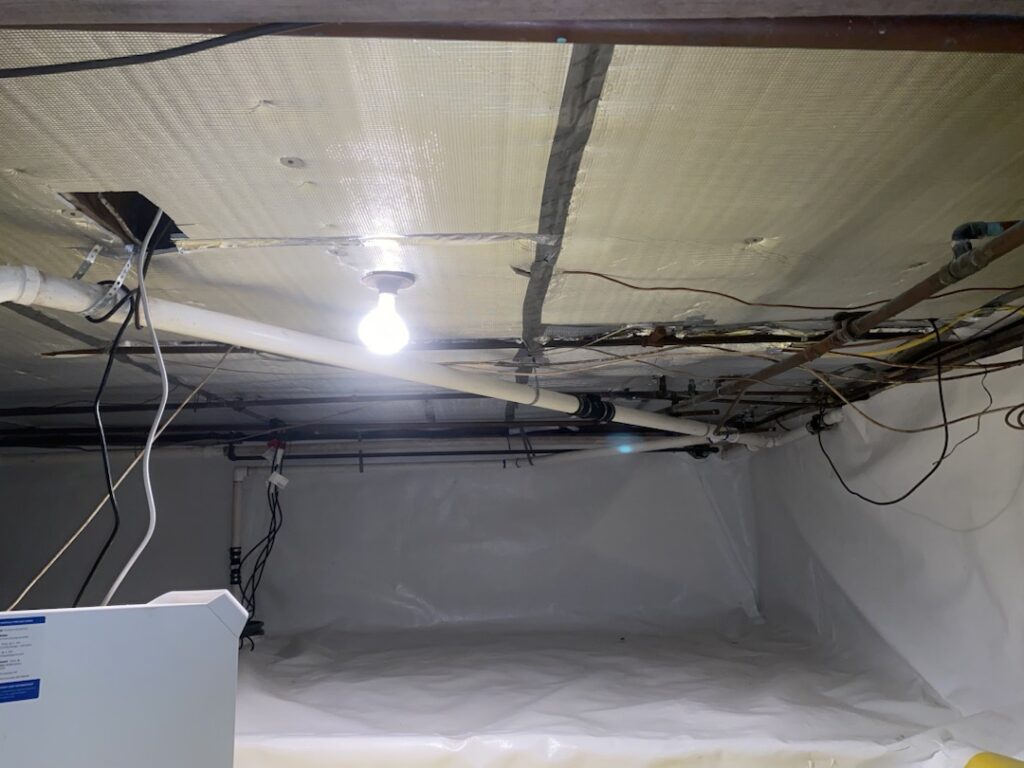
Crawl Space Waterproofing Solutions That Prevent Mold Growth
Crawl spaces are one of the most common and overlooked sources of mold-causing moisture.
- Ground Vapor Barriers (10–20 mil): Ground vapor barriers, also known as crawl space encapsulation, locks constant moisture evaporation from exposed soil.
- Wall Liners and Sealed Vents: Isolates the crawl space from outdoor humidity and temperature swings.
- Drainage and Sump Pump Integration: Manages groundwater intrusion beneath the structure.
- Optional Dehumidification: Stabilizes humidity only after water and vapor sources are controlled.
Mold Prevention Benefit: Cuts off moisture at ground level before it can reach framing, insulation, or indoor air.
Basement Waterproofing & Drainage Systems
Basements fail when groundwater pressure, seepage, and condensation are allowed to accumulate unchecked. Once moisture enters the foundation, it exploits joints, pores, and wall interfaces, creating persistent damp conditions. Without a controlled drainage path, water buildup leads to structural stress, recurring leaks, and elevated indoor humidity. Effective basement waterproofing intercepts water at its entry points and safely redirects it away from the home.
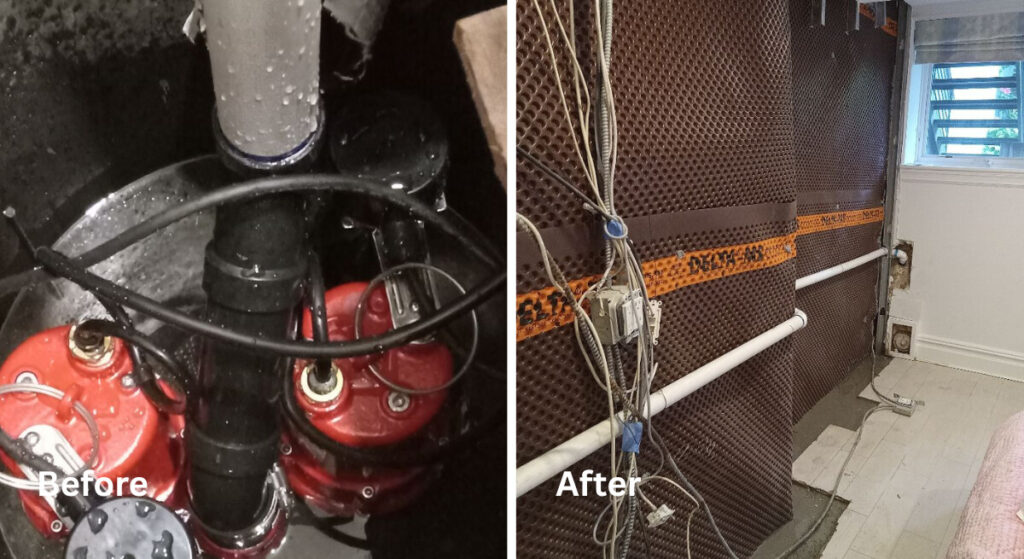
- Interior Drainage Channels: Installed along the foundation footing, these channels collect groundwater before it rises or spreads, directing it efficiently toward a sump system for controlled discharge.
- Sump Pump Systems: Sump pumps actively remove collected groundwater from beneath the foundation, preventing accumulation, hydrostatic pressure buildup, and recurring basement flooding during heavy rain events.
- Wall Moisture Management: Wall systems capture seepage entering through foundation walls and guide it downward into drainage channels, preventing surface dampness, condensation, and hidden moisture retention.
Mold Prevention Benefit: By eliminating chronic moisture, vapor buildup, and standing water, basement drainage systems remove the conditions mold needs to grow and spread throughout the home.
Exterior Waterproofing & Drainage
Some moisture problems can’t be solved from inside the home alone. When water is consistently driven toward the foundation by soil conditions, grading, or groundwater pressure, exterior control becomes the most effective way to prevent recurring dampness and mold.
Exterior waterproofing focuses on stopping water before it ever reaches the structure. Rather than managing moisture after it enters, these methods address the conditions that allow water to accumulate against foundation walls in the first place.
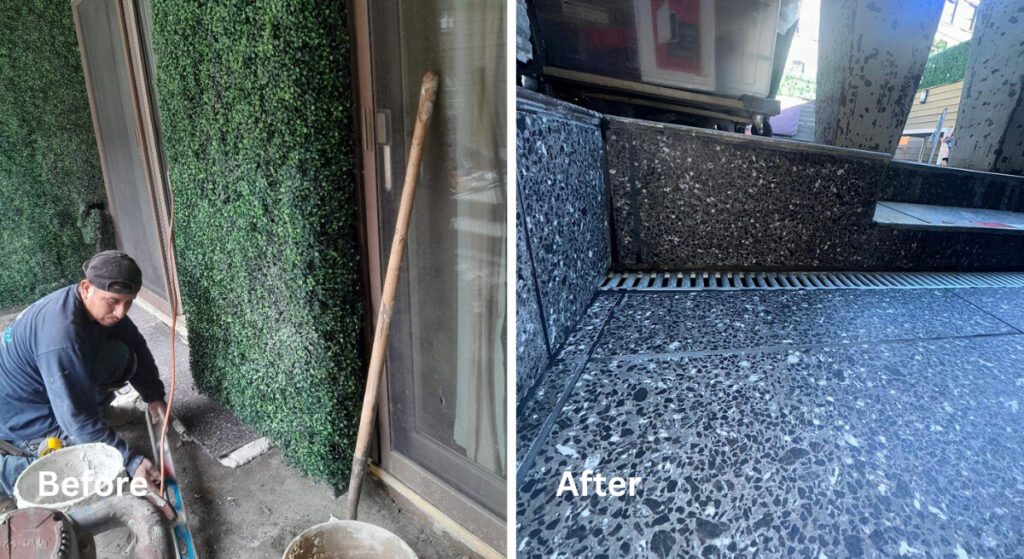
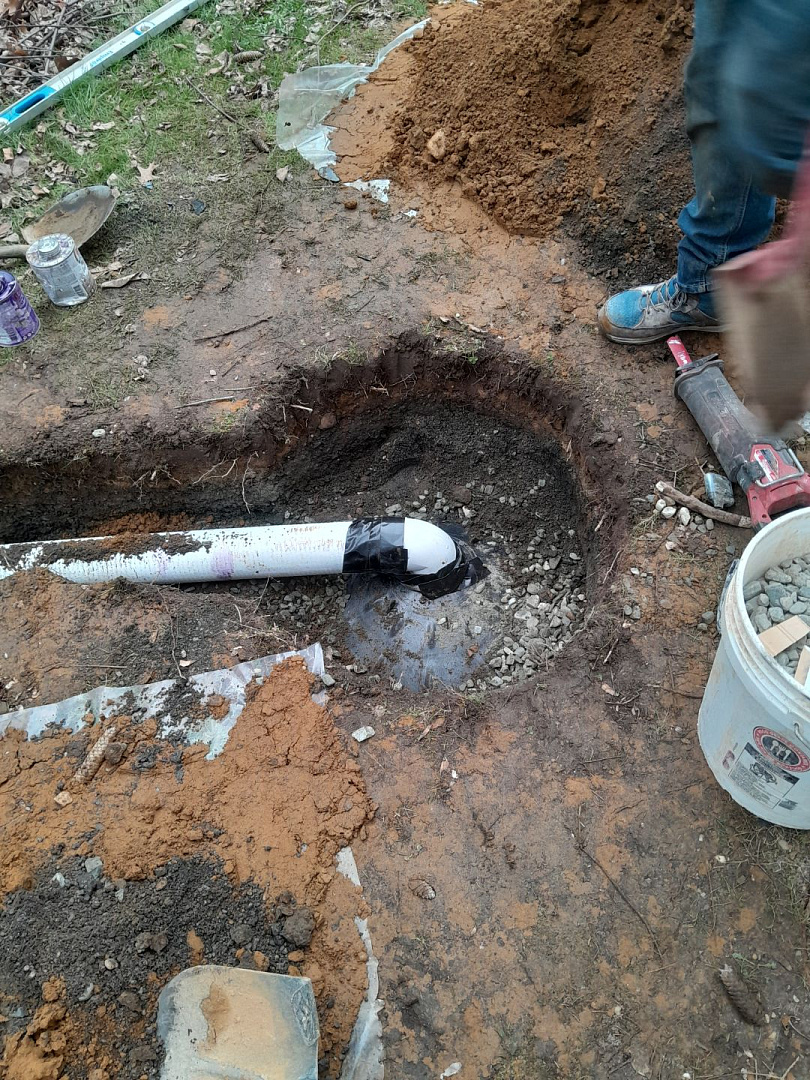
- Foundation Waterproof Membranes: Waterproof membrane blocks lateral moisture migration through foundation walls and prevents saturation of masonry or concrete below grade.
- Footing Drains: Footing drains intercept groundwater at the footing level before hydrostatic pressure can force water inward.
- Surface Grading and Runoff Redirection: Runoff direction moves rainwater and surface runoff away from the home instead of allowing it to collect near the foundation.
Mold Prevention Benefit: Stops water before it ever reaches the foundation, eliminating the moisture source entirely rather than managing it after entry.
What Homeowners Can Do to Reduce Mold Risk
Professional waterproofing addresses structural moisture, but homeowners can still play a role in reducing conditions that allow mold to develop. These steps won’t solve underlying water intrusion, but they can help limit unnecessary moisture buildup and reduce stress on existing systems.
Routine maintenance and early intervention often prevent small moisture issues from escalating into persistent mold problems.
- Keeping Gutters Clean and Downspouts Extended: Keeping gutters and downspouts clean directs roof runoff away from the foundation instead of dumping water at the base of the home.
- Maintaining Proper Grading Around the Home: Proper grading around the home ensures surface water naturally drains away rather than pooling near foundation walls.
- Monitoring Basement and Crawl Space Humidity: Monitoring basement and crawl space humidity helps identify elevated moisture levels before mold becomes visible.
- Fixing Plumbing Leaks Immediately: Fixing plumbing leaks immediately prevents slow, unnoticed moisture accumulation inside walls or below floors.
- Avoiding Over-Reliance on Dehumidifiers: Avoiding overreliance on dehumidifiers manages air moisture but does not stop active water intrusion or vapor entry.
These measures support mold prevention, but they cannot replace structural moisture correction when water entry is present.
How to Get a Free Mold Inspection in Your State
In many states, homeowners can get a free mold or moisture inspection through a qualified contractor. These inspections are typically offered as part of an evaluation to determine whether mold remediation, waterproofing, or moisture correction is needed.
When requesting a free inspection, look for a contractor who will:
- Inspect for active moisture sources, not just visible mold
- Check basements, crawl spaces, and other high-risk areas
- Explain whether conditions are likely to support future mold growth
- Clearly outline next steps if a problem is found
In states where regulations allow it, the same contractor may legally perform both the inspection and the remediation if mold is discovered. This is common and permitted in many parts of the country. In states where inspection and remediation must be handled by separate parties, a contractor can still assess moisture conditions and help you determine whether a licensed third-party mold assessor is required. Either way, a free inspection is often the fastest way to understand whether moisture is putting your home at risk.
How to Get a Free Mold Inspection on Long Island
If you’re dealing with musty odors, visible mold, or recurring moisture issues, a professional inspection is the first step toward real answers. We offer free mold inspections throughout Long Island to help homeowners understand what’s happening inside their basement, crawl space, or living areas without pressure or obligation. The goal is clarity, not guesswork, so you can make informed decisions before mold spreads or structural damage worsens.
What’s Included in Our Free Mold Inspection
- A visual assessment of basements, crawl spaces, and moisture-prone areas
- Identification of visible mold growth and moisture intrusion sources
- Humidity and moisture condition evaluation
- Guidance on whether professional testing or remediation is needed
- Clear next-step recommendations tailored to Long Island homes and conditions
Important Note
In New York, mold assessment and remediation must be handled separately. If laboratory testing or third-party assessment is required, we’ll explain your options clearly and help coordinate the process, while keeping the inspection itself completely free.
If you suspect mold, early inspection can prevent costly remediation later.
Waterproofing Methods That Prevent Mold Growth: Final Thoughts
Mold prevention is about controlling moisture at its source. When water is stopped, mold cannot sustain itself. When moisture returns, mold follows. For Long Island homeowners dealing with recurring mold, the solution is addressing the conditions that allow moisture to persist. Professional waterproofing, paired with proper maintenance, creates a long-term environment where mold growth simply can’t take hold.
If you’re ready to stop mold at the source, schedule your free Long Island mold inspection and get clear answers on what’s driving the problem, and how to fix it for good.