

Mold Prevention: Complete Guide for a Healthy, Dry Home
Mold prevention is about taking control of your space before mold ever has a chance to show up, not just reacting once you see ugly spots on the wall. In plain language, it means managing moisture, humidity, temperature, and the surfaces in your home or business so mold never finds the damp, comfortable conditions it needs to grow.
In the sections that follow, you will learn how to prevent mold in your home room by room, with practical tips for the bathroom, basement, attic, crawl space, and closets, plus guidance on the best products to use and how to respond fast after water damage so small issues never turn into full‑blown infestations.
In Long Island, Brooklyn, or Queens? Don’t Worry! Contact Us Now for a Free Mold Inspection!
Mold 101 – How and Why Mold Grows
Mold is a type of fungus that reproduces by releasing tiny spores into the air, then grows when those spores land on damp surfaces with something organic to feed on, like wood, paper, drywall, dust, or fabric. To thrive, mold needs three main ingredients: moisture, a food source, and the right temperature and humidity, conditions that most homes and small businesses provide if water and indoor climate are not managed.
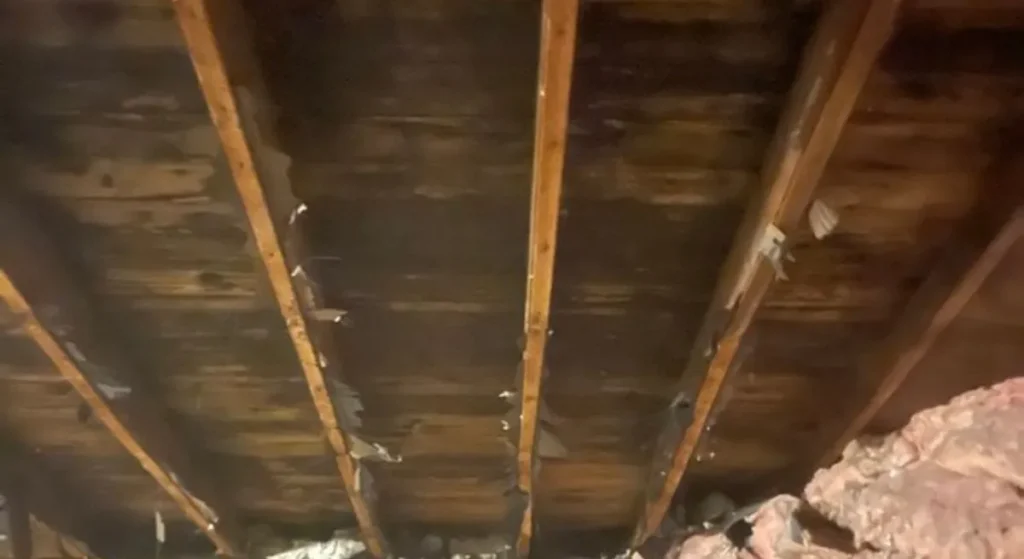
Effective mold prevention methods, mold prevention techniques, and mold prevention measures all focus on interrupting that recipe by keeping materials dry, limiting humidity, and reducing the time surfaces stay damp after everyday activities like showering or cooking.
“Black mold” is a common term for certain dark‑colored species, including Stachybotrys, that can produce allergens and irritants, but the day‑to‑day prevention strategy is the same regardless of color or species: control moisture and you control mold. Rather than fear‑mongering about specific strains, this guide emphasizes practical black mold prevention through moisture and humidity control, prompt cleanup of small problems, and timely repairs of leaks so mold has nowhere to take hold in the first place.
Steps to Take if You See Mold
- Clean the visible growth promptly with appropriate cleaners and protective gear for small areas.
- Find and fix the water source (leak, condensation, high humidity) instead of just bleaching or painting over the stain.
- Dry affected materials thoroughly within 24–48 hours whenever possible.
- Monitor the area for recurring odors or spots, which can signal a lingering moisture issue.
Humidity and Temperature – Core of Mold
For most homes, the single most powerful mold prevention measure is tight control of indoor humidity and temperature. Guidance from public‑health and building agencies recommends keeping indoor relative humidity below 60%, and ideally in the 30–50% range to limit mold growth and protect building materials.
When mold prevention humidity levels rise much above about 60%, surfaces, insulation, and contents stay damp longer, increasing mold risk, while the 30–50% target zone is generally comfortable for people and unfriendly to mold.
How to Prevent Mold in Your Home
Preventing mold isn’t about chasing spots after they appear. It’s about creating conditions where mold can’t get established in the first place. Across all homes and building types, mold prevention comes down to managing moisture, controlling humidity, and limiting how long surfaces stay damp after everyday activities or minor water events.
When these fundamentals are handled consistently, mold struggles to grow no matter the room or season. The tips below bring all the most effective mold prevention strategies into one simple, practical checklist you can apply throughout your entire home.
Mold Prevention Tips:
- Control Indoor Humidity (30–50%): Use dehumidifiers, air conditioning, and exhaust fans to keep humidity below 60% at all times. High humidity allows moisture to linger on walls, ceilings, and contents, even without visible leaks.
- Fix Leaks Immediately: Address plumbing leaks, roof issues, window seepage, and appliance drips as soon as they appear. Even small, slow leaks can feed hidden mold growth over time.
- Dry Wet Materials Quickly: After spills, flooding, or water damage, dry affected areas within 24-48 hours whenever possible. The longer materials stay wet, the higher the risk of mold colonization.
- Improve Airflow and Ventilation: Good air circulation helps moisture evaporate faster. Use bathroom and kitchen exhaust fans, keep vents unobstructed, and avoid trapping air in closets or storage areas.
- Reduce Condensation: Insulate cold surfaces, seal air leaks, and maintain steady indoor temperatures to prevent moisture from forming on windows, pipes, and exterior walls.
- Monitor High-Risk Areas: Basements, crawl spaces, attics, and areas near plumbing should be checked periodically for dampness, musty odors, or early signs of moisture problems.
- Keep Surfaces Clean: Dust, dirt, and organic debris act as food for mold. Regular cleaning reduces the nutrients mold needs to grow when moisture is present.
Preventing Mold in Crawl Spaces
Crawl spaces are one of the most common and most overlooked sources of mold in a home. Because they sit below living areas, collect ground moisture, and often have limited airflow, crawl spaces can stay damp for long periods without obvious warning signs. When moisture lingers in this enclosed environment, mold growth can spread across joists, subfloors, insulation, and vapor barriers, eventually impacting indoor air quality throughout the home.
Effective crawl space mold prevention starts with understanding that “dry” and “controlled” are not the same thing. Some crawl spaces only need moisture management, while others require full structural solutions. The right approach depends on soil conditions, ventilation, local climate, water intrusion history, and whether the crawl space ever collects standing water.
Crawl Space Mold Prevention Strategies:
- Seal the Crawl Space With Encapsulation: Crawl space encapsulation involves sealing the ground, walls, and vents with a durable vapor barrier to block ground moisture and outside humid air. This creates a controlled environment that prevents damp soil and exterior humidity from feeding mold growth.
- Install a Crawl Space Dehumidifier: Even a sealed crawl space needs active humidity control. A professional-grade dehumidifier maintains stable moisture levels year-round, preventing condensation on framing and reducing the chance of mold returning.
- Address Standing Water, Not Just Dampness: If your crawl space experiences puddling, pooling, or recurring water after heavy rain, encapsulation alone is not enough. In flood-prone, coastal, or high water table areas, water must be physically removed before mold prevention can succeed.
- Add a Crawl Space Drainage System When Needed: Homes in flood zones, coastal regions, or areas with poor drainage often require a dedicated crawl space drainage system. These systems capture groundwater and direct it safely away from the foundation, preventing repeated saturation that leads to chronic mold issues.
- Seal Air Leaks and Insulate Properly: Sealing penetrations and insulating crawl space walls helps prevent warm, humid air from entering and condensing on cooler surfaces, a common hidden cause of mold growth.
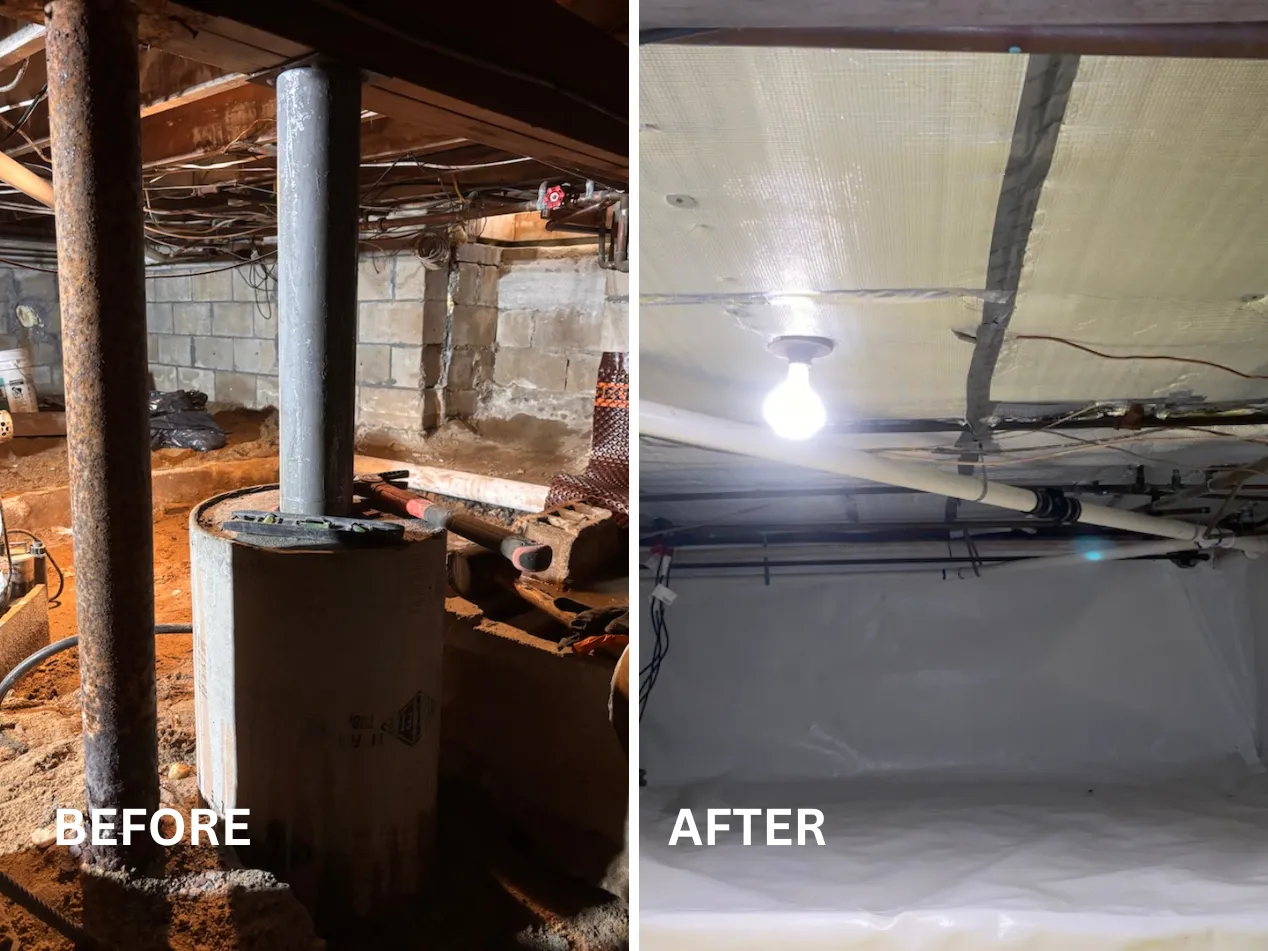
Case Study: Crawl Space Mold Prevention in Action
In one recent client project, the homeowner experienced persistent musty odors and elevated indoor humidity. The crawl space showed visible mold growth and damp soil, with moisture levels fluctuating seasonally. Our solution combined full crawl space encapsulation with a high-capacity dehumidifier, creating a sealed and actively controlled environment.
Before:
The crawl space had exposed soil, elevated humidity, and visible mold on wood framing, contributing to poor indoor air quality.
After:
Following encapsulation and dehumidification, humidity stabilized within the safe range, mold conditions were eliminated, and the home’s air quality noticeably improved. In properties where standing water is present, this same approach is paired with a crawl space drainage system to permanently manage water before encapsulation is installed.
There is no one-size-fits-all solution for crawl space mold prevention. Some homes need encapsulation and dehumidification, while others, especially those in coastal areas, flood zones, or homes with recurring water intrusion also require drainage systems to manage standing water. The key is matching the solution to the conditions beneath your home, ensuring moisture is controlled at the source so mold has no opportunity to return.
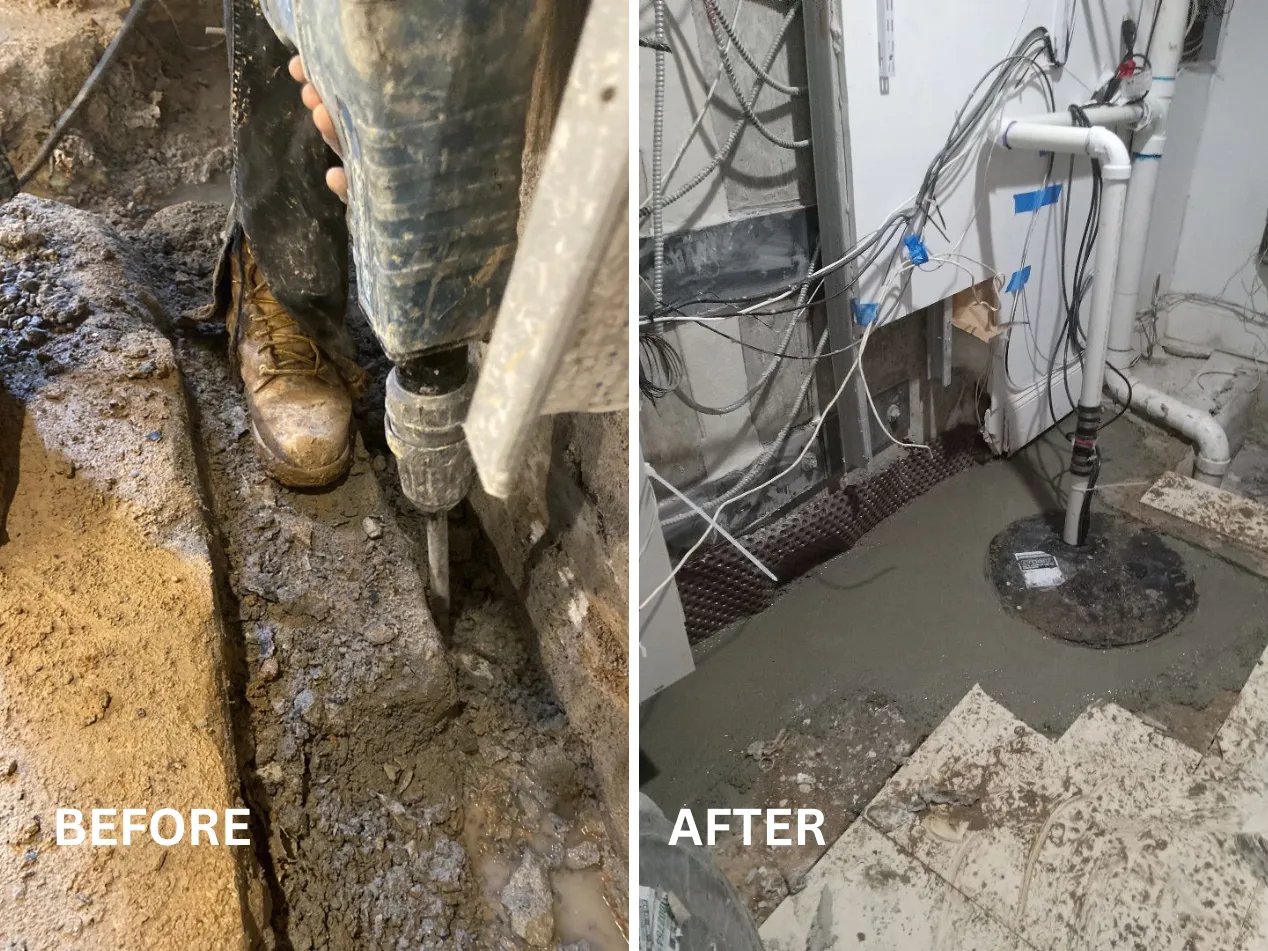
Preventing Mold in Your Basement
Basements are naturally prone to mold because they are below grade, surrounded by soil, and exposed to groundwater pressure, condensation, and humidity fluctuations. Even when there is no visible flooding, moisture can migrate through concrete walls and floors, linger in cooler air, and quietly create the conditions mold needs to grow.
Basement mold prevention works when moisture is controlled before it reaches surfaces. This means addressing humidity, condensation, and water intrusion as a system, not just cleaning visible mold or running a small household dehumidifier during wet months.
Basement Mold Prevention Strategies:
- Control Humidity Year-Round: Basements often stay cooler than the rest of the home, which increases condensation risk. A properly sized dehumidifier helps keep humidity in the safe 30–50% range and prevents damp air from settling on walls, joists, and stored items.
- Manage Water Intrusion at the Foundation: Seepage through foundation walls, cove joints, or floor cracks can introduce moisture even without standing water. These entry points must be sealed or drained to prevent recurring dampness that fuels mold growth.
- Install a Basement Drainage System When Needed: If your basement experiences recurring water after heavy rain, snowmelt, or rising groundwater, humidity control alone is not enough. Interior drainage systems capture water at the foundation and redirect it away before it saturates the space.
- Prevent Condensation on Cold Surfaces: Insulating walls and sealing air leaks helps prevent warm, humid air from condensing on cooler concrete surfaces, a common but often overlooked mold trigger.
- Keep Stored Items Elevated and Breathable: Avoid storing items directly on basement floors or against foundation walls. Elevation and airflow reduce moisture trapping and early mold development.
Just remember, effective mold prevention depends on controlling humidity, stopping water entry, and addressing condensation at the foundation level. In homes with chronic moisture or flood risk, drainage systems paired with dehumidification provide long-term protection, not just temporary relief.
Mold Prevention: Final Thoughts
Remember, mold prevention is about controlling moisture, humidity, and water movement throughout your home so mold never gets the chance to take hold. Whether the risk comes from a damp crawl space, a below-grade basement, or everyday moisture in bathrooms, the solution is always the same at its core: identify where moisture enters, control it at the source, and keep indoor conditions stable and dry.
If you live in Long Island, Brooklyn, or Queens, hidden moisture issues are especially common due to high water tables, coastal conditions, and older building stock. A professional mold inspection can reveal problems you can’t see yet, before they turn into expensive remediation or indoor air quality issues. Mold Removal Experts offer a full range of mold remediation and prevention solutions, all guaranteed to stop mold for good and backed by the longest warranties possible. If you’re in the Long Island, Brooklyn, Queens, or The Bronx areas, reach out to us. We’re ready to help you protect your home or business from mold, and our advice is always free!
Schedule Your Free Mold Inspection Today and Get a Clear, Honest Assessment of Your Home’s Risk, Plus a Prevention Plan Tailored to Your Specific Conditions.
Frequently Asked Questions About Mold Prevention:
What Is the Most Effective Way to Prevent Mold in a Home?
The most effective way to prevent mold is to control moisture and humidity. Keeping indoor humidity between 30–50%, fixing leaks promptly, and drying wet materials within 24–48 hours removes the conditions mold needs to grow.
What Humidity Level Prevents Mold Growth?
Mold growth is discouraged when indoor relative humidity is kept below 60%, ideally in the 30–50% range. Higher humidity allows surfaces and materials to remain damp long enough for mold to develop.
Can Mold Grow Without Visible Water or Leaks?
Yes, mold can grow without visible leaks or standing water. Condensation, high humidity, and moisture absorbed into drywall, wood, dust, or insulation can support mold growth even when no active leak is present.
How Fast Does Mold Grow After Water Exposure?
Mold can begin growing within 24–48 hours after materials become wet. This is why rapid drying and moisture control are critical after leaks, spills, or flooding.
Does Bleach Prevent Mold From Coming Back?
No, bleach does not prevent mold from returning. While it may remove surface discoloration, it does not eliminate moisture problems or penetrate porous materials where mold roots can remain.
How Do You Prevent Mold in a Crawl Space?
Preventing mold in a crawl space requires controlling ground moisture and humidity. Depending on conditions, this may involve crawl space encapsulation, a professional dehumidifier, and in flood-prone areas, a crawl space drainage system
How Do You Prevent Mold in a Basement?
Basement mold prevention focuses on managing humidity, water intrusion, and condensation. Dehumidifiers, foundation drainage systems, and sealing air leaks help keep basements dry and resistant to mold growth.
Why Do Bathrooms Get Mold So Easily?
Bathrooms generate frequent moisture from showers and sinks. Without proper ventilation and fast drying, humidity settles on walls, ceilings, and grout, creating ideal conditions for mold to grow.
Is Black Mold Prevented Differently Than Other Mold?
No, black mold is prevented the same way as other mold types. Regardless of species or color, controlling moisture and humidity is the most effective prevention strategy.
When Should I Get a Professional Mold Inspection?
You should consider a professional mold inspection if you notice musty odors, recurring moisture, visible mold, or live in a coastal or flood-prone area. Inspections help identify hidden moisture issues before they become costly mold problems.