
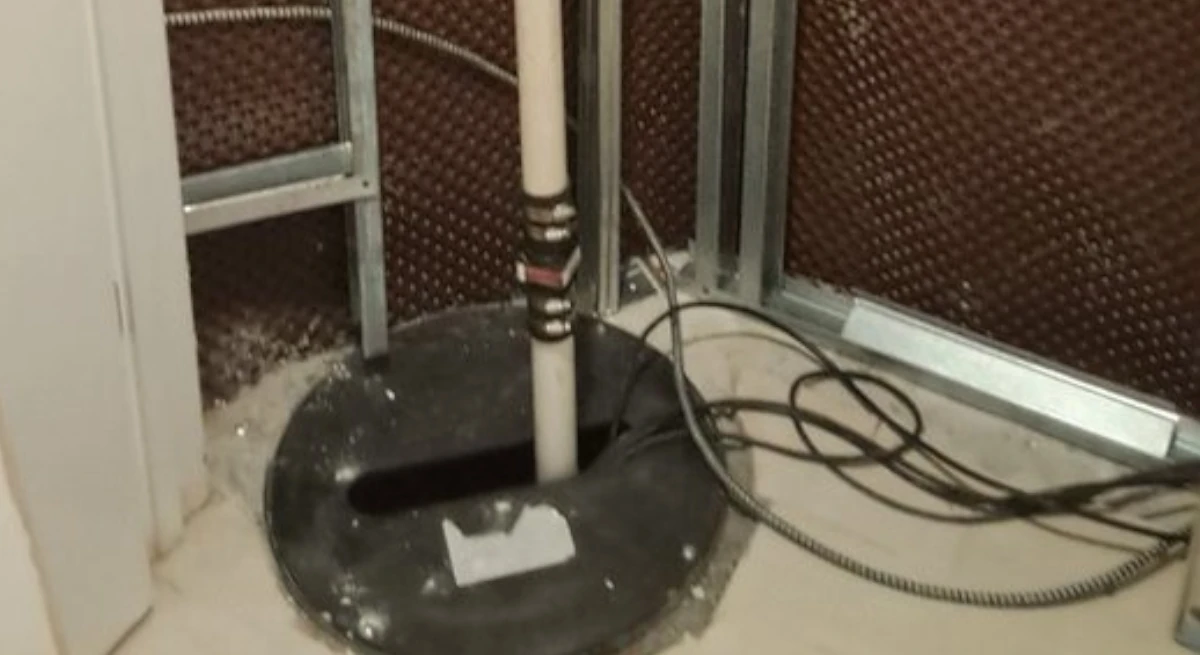
If your basement collects water during heavy rain or snowmelt, a sump pump system is what moves that water out of your home. Once water reaches the sump pit, the pump pushes it through the discharge line and away from the foundation. Without a properly sized basement drainage sump pump, even a good drainage system can struggle to keep your basement dry.
In this guide, you’ll learn how different sump pit drainage systems work, the difference between submersible and pedestal pumps, when you need a battery backup, and how sump pumps integrate with French drain systems.
Don’t Let Your Long Island Home Stress You Out Anymore! Request Your Free Basement Moisture Assessment!
How a Sump Pump System Works With Basement Drainage
A sump pump system works as the final stage of a basement drainage system. After groundwater reaches the interior drainage channels, it is directed into a sump pit drainage system, where the pump removes it from the home. The pump’s job is simple but critical: move collected water away from the foundation before it can rise high enough to enter the basement.
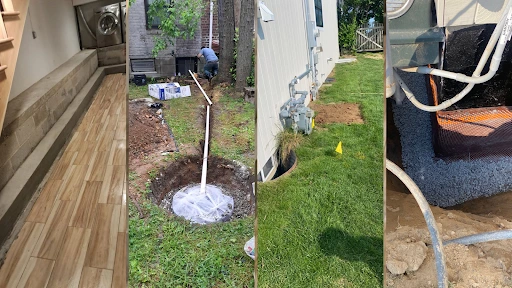
When water accumulates in the sump pit, a float switch monitors the water level. As the water rises, the float activates the pump, which forces the water through a discharge pipe and sends it safely away from the home. Proper system design ensures the discharged water cannot flow back toward the foundation, preventing repeated water intrusion.
A typical sump pump process works like this:
- Water enters the drainage system as groundwater pressure builds around the foundation.
- Water flows into the sump pit, which acts as the collection point for the drainage system.
- The float switch rises as the water level increases in the pit.
- The sump pump activates, pushing water through the discharge pipe.
- Water is discharged outside, typically several feet away from the foundation so it cannot return to the basement.
When the discharge line is properly placed and the surrounding grading directs water away from the home, the system continuously removes groundwater and helps keep the basement dry.
How a Sump Pump System Works With Basement Drainage
Several types of pumps can be used in basement drainage systems, but most homes rely on either submersible sump pumps or pedestal sump pumps. Both perform the same basic function, removing water from the sump pit, but they differ in design, power, and durability.
Understanding the differences helps homeowners choose a pump that matches their basement conditions, noise tolerance, and long-term reliability needs.
Submersible Sump Pumps
A submersible sump pump sits directly inside the sump pit and operates underwater. The motor is sealed within a waterproof housing, allowing the pump to function safely while fully submerged.
Because the motor and pump components are inside the pit, submersible pumps typically operate much more quietly than other pump types. This makes them a better choice for finished basements or homes where the sump pit is located near living areas.
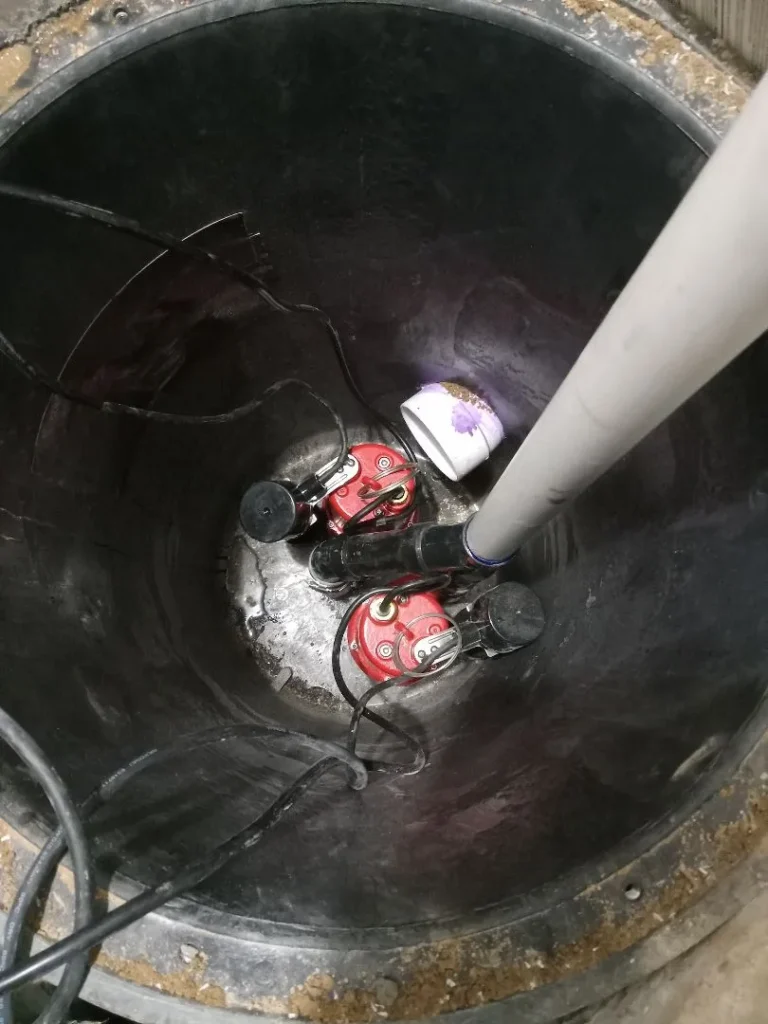
These pumps are also designed to handle larger volumes of water and typically provide more power than pedestal models. Their sealed construction protects the motor from moisture and debris, which often leads to longer service life and more reliable performance in high-water conditions.
For most modern basement drainage sump pump systems, submersible pumps are considered the preferred option due to their durability, quieter operation, and ability to move water efficiently.
How a Sump Pump System Works With Basement Drainage
These pumps are also designed to handle larger volumes of water and typically provide more power than pedestal models. Their sealed construction protects the motor from moisture and debris, which often leads to longer service life and more reliable performance in high-water conditions.
For most modern basement drainage sump pump systems, submersible pumps are considered the preferred option due to their durability, quieter operation, and ability to move water efficiently.
Signs Your Sump Pump System Needs Replacement
Sump pumps do not last forever. Over time, mechanical wear, electrical issues, and repeated cycling can reduce performance. Recognizing early warning signs helps homeowners replace aging equipment before flooding occurs.
Common signs that a sump pump system may need replacement include:
- The pump runs constantly or cycles on and off frequently
- Grinding or rattling noises during operation
- The pump is more than 7–10 years old
- Basement moisture or water intrusion has returned
- The pump struggles to keep up during heavy rainstorms
- The system fails to activate when the sump pit fills
Replacing an aging pump before it fails can prevent major water damage and help ensure the basement drainage system continues working reliably.
Choosing the Right Sump Pump Size
Choosing the correct sump pump size is critical for a reliable basement drainage sump pump system. The pump must be powerful enough to remove water as quickly as it enters the sump pit. If the pump is undersized, water can accumulate faster than it can be discharged, which may lead to basement flooding.
Several factors determine the proper pump size for a home:
- Basement size and the overall drainage area
- Volume of groundwater entering the drainage system
- Depth of the sump pit, which affects how much water collects before pumping
- Vertical discharge height (head pressure) the pump must push water upward
- Flow rate from the drainage system, including how quickly water enters the pit
- Most residential systems use pumps ranging from 1/3 horsepower to 1 horsepower, depending on these conditions.
Typical Sump Pump Sizes and Applications
| Pump Size | Typical Basement Use | Water Handling Capacity |
|---|---|---|
| 1/3 HP | Small basements | Light water volume |
| 1/2 HP | Most homes | Moderate drainage |
| 3/4 HP | Large homes or heavy groundwater | High flow |
| 1 HP | Severe water conditions | Maximum capacity |
Choosing the right size pump is more complex than simply selecting the largest model available. A pump that is too small may allow water to accumulate faster than it can be removed, while an oversized pump may cycle too frequently and wear out faster. Professional sizing ensures the system matches the water conditions, drainage flow rate, and discharge height of the home.
Battery Backup Sump Pump Systems
Power outages are one of the most common causes of basement flooding. Especially in areas with high groundwater levels. Severe storms that produce heavy rain often cause electrical outages at the exact moment when sump pumps are needed most. If the primary pump loses power or fails during these conditions, water can quickly fill the sump pit and overflow into the basement.
A battery backup sump pump system provides protection during these events. These systems act as a secondary layer of defense, automatically activating when the main pump stops working or when electrical power is lost.
By continuing to remove water during outages, backup systems help prevent flooding and reduce the risk of costly basement damage.
How Battery Backup Systems Work
Battery backup sump pump systems include a secondary pump installed inside the sump pit alongside the primary pump. Instead of relying on household electricity, this pump operates using a dedicated battery power source.
When the primary pump stops functioning or the electrical supply is interrupted, the backup system automatically activates. The battery-powered pump then begins removing water from the pit just like the primary system.
Many backup pumps are capable of removing thousands of gallons of water during a power outage, providing critical protection until electricity is restored.
Why Every Sump Pump System Should Have Backup Protection
Storm conditions that bring heavy rain frequently cause power outages, creating the exact scenario where a sump pump system becomes vulnerable. Without a backup system, even a well-designed drainage system can fail when electricity is unavailable.
Backup protection also helps safeguard against primary pump failures, which can occur due to mechanical wear, clogged components, or electrical issues. In finished basements, the cost of water damage to flooring, drywall, and personal belongings can be substantial.
Insurance policies may not always cover basement flooding caused by pump failure or power loss, which increases the financial risk. Installing a battery backup system provides an additional layer of protection and helps ensure the basement drainage system continues operating when it is needed most.
Double Sump Pump Systems for High Water Conditions
Some homes experience water volumes that exceed what a single pump can reliably handle. In these cases, installers may use a double sump pump system, where two pumps operate within the same sump pit. This setup is common in homes with heavy groundwater pressure, large basement drainage systems, flood-prone neighborhoods, or finished basements where flooding would cause significant damage.
The purpose of a dual system is redundancy and increased pumping capacity. One pump handles the normal flow of water entering the sump pit, while the second pump provides backup if water levels rise too quickly or if the primary pump fails. This layered protection helps ensure the drainage system continues operating even during severe storm conditions.
How Dual Pump Systems Work
A dual pump configuration places two pumps in the same sump pit with separate float switches that activate at different water levels. The first pump operates as the primary pump, handling normal groundwater flow and daily drainage demands. As water enters the sump pit, this pump activates and removes water through the discharge line.
If water levels continue to rise beyond the primary float switch level, the secondary pump activates. This may occur during extreme storms, unusually high groundwater pressure, or when the primary pump cannot keep up with incoming water. Because a second pump is available to handle additional flow, the system provides emergency redundancy and greater reliability, helping protect the basement even during extreme drainage conditions.
How Dual Pump Systems Work
A dual pump configuration places two pumps in the same sump pit with separate float switches that activate at different water levels. The first pump operates as the primary pump, handling normal groundwater flow and daily drainage demands. As water enters the sump pit, this pump activates and removes water through the discharge line.
If water levels continue to rise beyond the primary float switch level, the secondary pump activates. This may occur during extreme storms, unusually high groundwater pressure, or when the primary pump cannot keep up with incoming water. Because a second pump is available to handle additional flow, the system provides emergency redundancy and greater reliability, helping protect the basement even during extreme drainage conditions.
Proper Sump Pump Discharge Line Placement
Many sump pump problems are caused not by the pump itself, but by poor discharge line design. If water is not directed far enough away from the home, or if the discharge pipe becomes blocked or frozen, the system may fail to remove water properly. The discharge line should extend well away from the foundation so water cannot return to the basement. Proper slope and grading also ensure that discharged water continues flowing away from the home instead of pooling near the structure.
Cold climates introduce another concern: frozen discharge pipes. If the pipe freezes, the pump may continue running without successfully expelling water. Freeze protection measures and proper pipe placement help prevent this issue.
Common Discharge Line Problems
| Problem | What Happens | Correct Solution |
|---|---|---|
| Discharge too close to home | Water returns to foundation | Extend line away |
| Frozen discharge pipe | Pump cannot expel water | Install freeze protection |
| Improper slope | Water backs up | Correct grading |
Proper discharge line design protects the entire sump pump system. When water is directed safely away from the home and cannot recirculate back toward the foundation, the drainage system can operate efficiently and prevent repeat flooding.
Sewage Ejector Pumps vs Sump Pumps
Many homeowners confuse sump pumps with sewage ejector pumps because both systems use a pit and pump mechanism located in the basement. However, they serve completely different purposes within a home.A sump pump removes groundwater collected by the basement drainage system. A sewage ejector pump, on the other hand, moves wastewater from basement plumbing fixtures, such as bathrooms, sinks, or laundry rooms—up to the main sewer line.Sump Pump vs Sewage Ejector Pump
| Feature | Sump Pump | Sewage Ejector Pump |
|---|---|---|
| Purpose | Groundwater removal | Wastewater removal |
| Location | Sump pit | Sewage basin |
| Materials Pumped | Water | Wastewater + solids |
How Sump Pumps Integrate With French Drain Systems
A complete basement waterproofing system combines water collection, water control, and water removal. Interior French drains collect groundwater that enters along the foundation walls or beneath the basement floor. This water flows through drainage channels and is directed toward the sump pit.
Once the water reaches the sump pit drainage system, it collects in the basin until the float switch activates the sump pump. The pump then moves the water through the discharge line and sends it safely away from the home.
This integration creates a continuous water management system:
- French drains collect groundwater.
- Drainage channels direct water to the sump pit.
- The sump pump removes water from the pit.
- The discharge line moves water away from the foundation.
By controlling each stage of the process, the system prevents water from accumulating under the basement floor or rising along the walls.
Why We Install Pro Series 2 Sump Pumps for Superior Performance and Durability
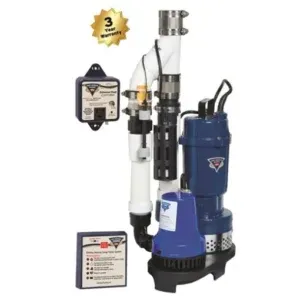
Protecting a basement from groundwater requires equipment that can operate reliably year after year under demanding conditions. That’s why we install professional-grade Pro Series 2 sump pumps as our standard. Known throughout the industry for their durability, power, and dependable performance, these pumps are built to handle the toughest groundwater conditions while delivering long service life.
- Built for Heavy Groundwater Conditions: Pro Series 2 pumps feature heavy-duty cast iron housings that dissipate heat efficiently and withstand continuous operation. This construction allows the pump to perform reliably during periods of high groundwater flow without overheating, ensuring the system can keep up when water pressure around the foundation is at its highest.
- Designed for Long-Term Reliability: Each pump is equipped with long-life motors and durable internal components engineered for extended operation. High-quality float switches activate the pump at the correct water level and maintain consistent performance even during demanding cycles. The result is a sump pump system that homeowners can depend on when it matters most.
- Engineered for Backup Integration: A truly reliable sump pump system must continue working even during unexpected events. Pro Series 2 pumps are fully compatible with battery backup sump pump systems, allowing them to integrate seamlessly into layered protection systems that continue operating during power outages or primary pump failures.
By installing Pro Series 2 pumps as the standard for every system, we ensure that every sump pump installation is built with equipment trusted across the industry for its performance, durability, and reliability, so the basement stays protected when it matters most.
Typical Cost of Installing a Basement Sump Pump
The cost of installing a basement sump pump typically ranges from about $500 to $1,500 for a standard installation, depending on the pump type, accessibility of the sump pit, and the complexity of the drainage system. Homes that require a new sump pit, upgraded drainage connections, or battery backup protection may see higher installation costs. For homeowners comparing options, understanding the typical cost of a basement sump pump system can help determine the right setup for the home’s drainage conditions and long-term reliability needs.
Sump Pump Systems for Basement Drainage: Final Thoughts
A properly designed sump pump system plays a critical role in protecting basements from groundwater intrusion. By collecting water from the drainage system and safely discharging it away from the home, the pump prevents water pressure from building beneath the foundation. Correct sizing, reliable equipment, and proper discharge placement are all essential components of a system that performs consistently.
Battery backup protection adds another layer of security by keeping the system operational during power outages or pump failures. When combined with properly designed drainage channels and sump pit placement, a well-engineered system can handle both everyday groundwater flow and severe storm conditions.
Professional installation ensures every component, from the sump pit to the discharge line is designed to work together effectively. With the right equipment and system design, homeowners can maintain a dry basement and protect their home from costly water damage for years to come.
Frequently Asked Questions About Basement Sump Pumps
What is a sump pump and how does it work?
A sump pump is a device installed in the lowest part of a basement or crawl space that removes collected groundwater. When water fills the sump pit, a float switch rises and activates the pump, which pushes the water through a discharge pipe and away from the home’s foundation.
Why do I need a sump pump in my basement?
You need a sump pump in your basement to prevent flooding caused by groundwater, heavy rain, or melting snow. A sump pump protects the basement by removing water before it rises high enough to enter the living space or damage the foundation.
How do I know if I need a sump pump in my basement?
\You may need a sump pump in your basement if you notice recurring moisture, water seepage along foundation walls, or past basement flooding. Homes located in areas with high groundwater levels or frequent storms often benefit from a sump pump system to manage excess water.
How much does it cost to install a sump pump in a basement?
The cost to install a sump pump in a basement usually ranges between $500 and $1,500 depending on the type of pump, installation complexity, and whether a new sump pit or drainage system is required.
How long does a sump pump last in a basement?
A sump pump in a basement typically lasts between 7 and 10 years when properly maintained. Routine inspections, cleaning the sump pit, and ensuring the discharge line remains clear can help extend the lifespan of the system.
Can a sump pump run continuously in a basement?
A sump pump should not run continuously in a basement under normal conditions. The pump is designed to activate when water levels rise and shut off once the water is removed. Continuous operation can indicate a clogged discharge line, high groundwater pressure, or a failing pump.
How do I maintain a sump pump in my basement?
Maintaining a sump pump in your basement involves cleaning the sump pit, removing debris from the pump, testing the float switch, and ensuring the discharge pipe is unobstructed. Testing the pump periodically by pouring water into the pit helps confirm it activates properly.
What size sump pump do I need for my basement?
The size sump pump needed for a basement depends on the volume of water entering the drainage system and the height the pump must lift the water. Most homes use pumps ranging from one third horsepower to one horsepower depending on groundwater conditions and basement size.
Can I install a sump pump in my basement myself?
It is possible to install a sump pump in a basement yourself if you have basic plumbing skills and the proper tools. However, professional installation is often recommended to ensure correct sizing, proper drainage connections, and reliable operation.
How often should I test my sump pump in the basement?
A sump pump in the basement should be tested at least once each season and especially before periods of heavy rain. Regular testing ensures the float switch and motor activate correctly so the pump is ready when groundwater levels rise.