

Basements are one of the most common places in a home where mold begins to grow. Because they tend to be cool, dark, and prone to moisture, basements naturally create the conditions mold needs to thrive. Even small amounts of excess humidity or a minor water leak can allow mold spores to develop and spread quickly throughout the space.
Many homeowners don’t realize there’s a mold problem until it becomes visible or starts causing health symptoms. However, mold often begins growing behind walls, under flooring, or inside insulation, making early detection difficult. Learning to recognize the warning signs, such as unusual odors, discoloration, or moisture buildup, can help you catch the problem before it turns into costly damage.
Schedule A Basement Mold Inspection Today!!
Musty or Earthy Odor
One of the earliest and most common signs of mold in a basement is a persistent musty or earthy smell. Even if mold is not immediately visible, that distinctive odor often means mold spores are already growing somewhere in the space. Basements frequently trap moisture from humidity, leaks, or condensation, which allows mold to develop in hidden areas long before it becomes noticeable on surfaces.
In many homes, the smell becomes stronger during humid weather or after heavy rainfall. This is because excess moisture increases the activity of mold spores and allows colonies to grow more quickly. If a basement consistently smells damp or stale, it may indicate that mold is forming behind walls, under flooring materials, or inside insulation where it cannot easily be seen.
Common odor-related warning signs include:
- Persistent damp or earthy smell
- Odor becoming stronger during humid weather
- Musty scent near walls, carpets, or stored items
- Lingering basement smell that doesn’t disappear with ventilation
When these odors appear regularly, they should not be ignored. Even if the source of the smell isn’t visible, it often means mold growth has already begun somewhere in the basement environment.
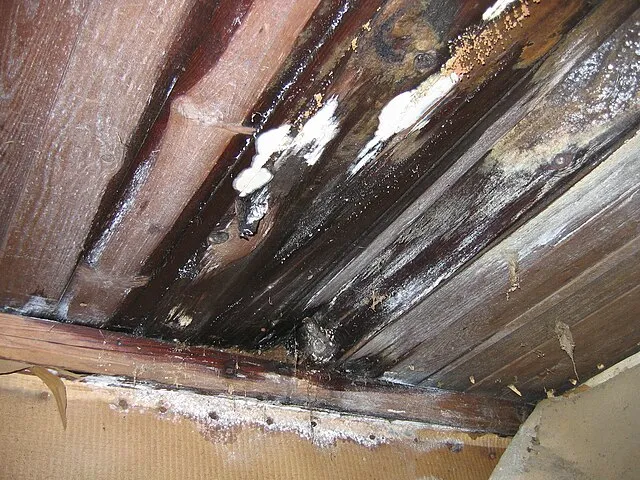
Visible Mold Growth
Visible mold is one of the clearest indicators that a basement has a moisture problem. Mold can grow on a wide variety of surfaces, including wood, drywall, insulation, carpeting, and even concrete. When moisture levels remain high for extended periods, mold colonies can spread quickly across these materials.
Mold may appear in several different forms depending on the type of mold and the surface it grows on. In many basements, mold shows up as small spots at first but can expand into larger patches if the moisture problem continues.
Common characteristics of visible mold include:
- Black, green, brown, or white patches on surfaces
- Fuzzy, powdery, or slimy textures
- Circular or spreading colonies along damp areas
Basement mold is most often found in locations where moisture accumulates or airflow is limited. These areas include:
- Basement walls and foundation surfaces
- Wooden beams and floor joists
- Concrete floors or corners where water collects
- Behind drywall, paneling, or insulation
Even small patches of mold should be taken seriously. Mold can spread rapidly in damp conditions, and once colonies become established, they can begin affecting indoor air quality and the structural materials in the basement. Early detection and moisture control are key to preventing mold from becoming a larger problem.
Water Stains or Discoloration
Water stains are often one of the earliest warning signs that a basement has a moisture problem. These stains typically appear when water has seeped into walls, flooring, or foundation materials and remained there long enough to leave visible marks. While stains themselves may not always indicate mold, they often signal conditions that allow mold to develop if the moisture source is not addressed.
In many basements, water stains appear after heavy rainfall, plumbing leaks, or poor drainage around the foundation. Over time, recurring moisture can weaken building materials and create the damp environment mold needs to grow.
Common signs of water-related damage include:
- Brown or yellow streaks on basement walls
- Dark patches on concrete or drywall
- Peeling paint or bubbling finishes
- Damp or warped surfaces
Even minor discoloration should not be ignored. When water damage appears in a basement, it is important to investigate the cause quickly and correct the moisture issue before mold begins to spread.
High Humidity or Condensation
Excess humidity is one of the most common causes of basement mold growth. Basements naturally retain moisture because they are located below ground level, where cooler temperatures and limited airflow allow humidity to build up. When humidity levels rise above 60 percent, mold spores can begin growing on many surfaces.
Signs that a basement may have excessive humidity include condensation forming on surfaces and a general feeling of dampness in the air. These conditions provide the moisture mold needs to thrive.
Indicators of high humidity or condensation may include:
- Condensation forming on pipes or basement windows
- Damp walls or flooring
- Sticky or humid air throughout the basement
- Moisture collecting on stored belongings
Controlling humidity is an important step in mold prevention. Using a dehumidifier, improving ventilation, and fixing sources of moisture can help keep basement humidity levels within a safer range.
Allergy or Respiratory Symptoms
Mold does not always have to be visible to affect the indoor environment. Even when mold is hidden behind walls or beneath flooring, the spores it releases can circulate through the air and cause health symptoms. In many cases, homeowners first notice a mold problem because of unexplained allergy-like reactions.
Mold exposure can irritate the respiratory system and trigger symptoms that resemble seasonal allergies. People who have asthma, allergies, or weakened immune systems may be especially sensitive to mold spores in the air.
Common symptoms associated with mold exposure include:
- Sneezing or coughing
- Itchy eyes or throat
- Headaches
- Worsening asthma symptoms
- Sinus congestion
If these symptoms become worse when spending time in the basement and improve when leaving the area, mold growth may be present somewhere in the space.
Peeling Paint or Warped Materials
Moisture problems in a basement often cause visible damage to building materials over time. When walls or flooring absorb excess moisture, the materials can begin to expand, weaken, or deteriorate. This type of damage not only affects the appearance of the basement but can also create hidden spaces where mold can grow.
Paint and drywall are particularly vulnerable to moisture exposure. As water becomes trapped behind surfaces, finishes may begin to bubble, crack, or peel away from the wall.
Signs of moisture-related material damage include:
- Bubbling or peeling paint
- Warped baseboards or trim
- Cracked or deteriorating drywall
- Soft or rotting wood
These types of changes often indicate ongoing moisture problems that need to be addressed. If the underlying cause of the moisture is not fixed, mold can develop behind walls, under flooring, or within structural materials.
Mold on Stored Items
Basements are commonly used for storage, which unfortunately makes them one of the easiest places for mold to spread onto personal belongings. When humidity levels are high or moisture is present, mold spores can settle on materials that absorb moisture easily. Items stored directly on basement floors or against walls are especially vulnerable.
Because many storage materials are porous, mold can grow quickly once spores settle on them. In some cases, mold may begin on one item and gradually spread to nearby belongings, creating a larger contamination problem throughout the storage area.
Items most commonly affected by basement mold include:
- Cardboard boxes
- Clothing, fabrics, or linens
- Books, paper, and photographs
- Upholstered furniture or cushions
If mold appears on stored items, it often indicates that humidity levels are too high or that moisture is entering the basement from leaks, condensation, or foundation issues. To reduce the risk, items should be stored in sealed containers and kept elevated off the floor. Maintaining proper ventilation and humidity control can also help prevent mold from spreading throughout stored belongings.
When to Call a Professional
While small patches of mold can sometimes be addressed with proper cleaning and moisture control, larger infestations may require professional remediation. Mold can grow in hidden areas such as inside walls, under flooring, or within HVAC systems, making it difficult to fully remove without specialized equipment and inspection.
Professional mold remediation may be necessary if:
- Mold covers more than 10 square feet
- Water damage is ongoing or severe
- Mold is suspected inside walls or ventilation systems
- Household members experience persistent allergy or respiratory symptoms
A professional mold inspection can help determine the extent of the problem and identify the source of moisture that allowed the mold to develop. Addressing the underlying cause of moisture is essential to preventing mold from returning after cleanup. In many cases, professionals will also recommend improvements to drainage, ventilation, or humidity control to protect the basement from future mold growth.
Signs of Mold in a Basement: Final Thoughts
Mold in a basement is a common problem, but it should never be ignored. Because basements naturally collect moisture, they can quickly become ideal environments for mold growth if ventilation and humidity are not properly controlled. The key to preventing serious mold issues is identifying the warning signs early and addressing the underlying moisture problem.
Regular inspections, proper drainage, and humidity control can significantly reduce the risk of mold. If mold is discovered, taking quick action can help protect both the structure of the home and the health of everyone living in it.