
Penicillium is one of the most common types of indoor mold found in residential buildings, especially in homes with moisture issues. While some penicillium species are intentionally used in laboratories and food production, penicillium mold inside a home is a problem that should not be ignored.
This mold spreads through microscopic, airborne penicillium spores that travel easily through indoor air. Basements, walls, insulation, and HVAC systems provide ideal conditions for growth once moisture is present.
From Long Island, Brooklyn, or Queens? Contact Us for a Free Expert Mold Assessment!
What Is Penicillium Mold?
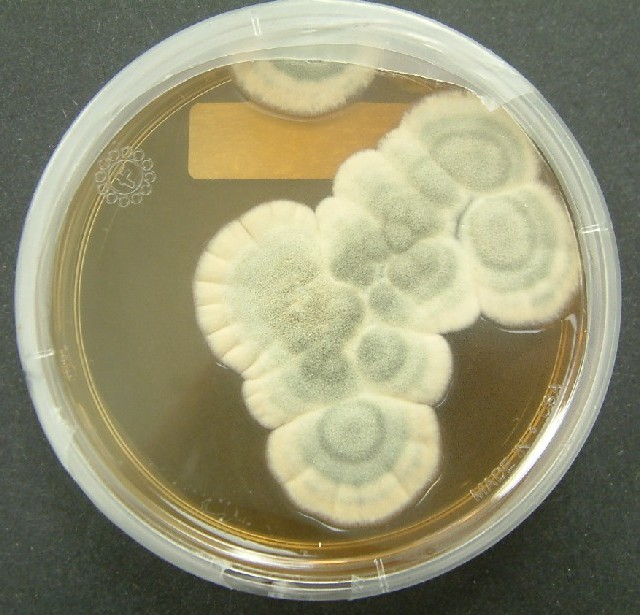
Penicillium mold refers to a large genus of fungi made up of hundreds of different penicillium species, many of which are common in indoor environments. In homes, penicillium mold typically appears blue, green, gray, or white and may look powdery or velvety on surfaces.
Because multiple mold species can grow indoors, identifying the exact type usually requires professional testing rather than visual inspection alone.
Where Penicillium Mold Is Found in Homes
Penicillium mold thrives where moisture, organic material, and limited airflow exist together. Even small or hidden moisture problems can allow growth to develop and spread through indoor air.
Common areas where penicillium mold is found include:
- Basements with dampness, seepage, or high humidity
- Crawl spaces with exposed soil or poor ventilation
- Drywall and framing affected by plumbing or roof leaks
- HVAC systems, ducts, and air handlers
- Behind walls or ceilings after water damage or flooding
Where Penicillium Mold Is Found in Homes
Penicillium mold thrives where moisture, organic material, and limited airflow exist together. Even small or hidden moisture problems can allow growth to develop and spread through indoor air.
Post-leak and post-flood conditions are especially high risk, as moisture often remains trapped behind finished surfaces. Common areas where penicillium mold is found include:
- Basements with damp conditions or water intrusion
- Crawl spaces with exposed soil or poor ventilation
- Wood framing, subfloors, and sheathing affected by moisture
- Drywall and insulation following plumbing or roof leaks
- HVAC systems and ductwork where penicillium mold in air circulates
- Behind walls or ceilings where moisture is hidden
Penicillium vs Aspergillus (Why They’re Often Grouped Together)
Penicillium and Aspergillus are frequently grouped together in laboratory results because they share similar structures and are commonly found together in indoor air samples. These molds often appear alike in color and texture, making visual identification unreliable and inaccurate. Because aspergillus and penicillium mold produce lightweight spores that become airborne easily, proper inspection and testing are needed to determine whether indoor growth is present and at what levels.
While penicillium vs aspergillus comparisons can help explain lab reports, only professional evaluation can confirm the source, extent, and significance of either mold type.
Penicillium Mold Health Effects
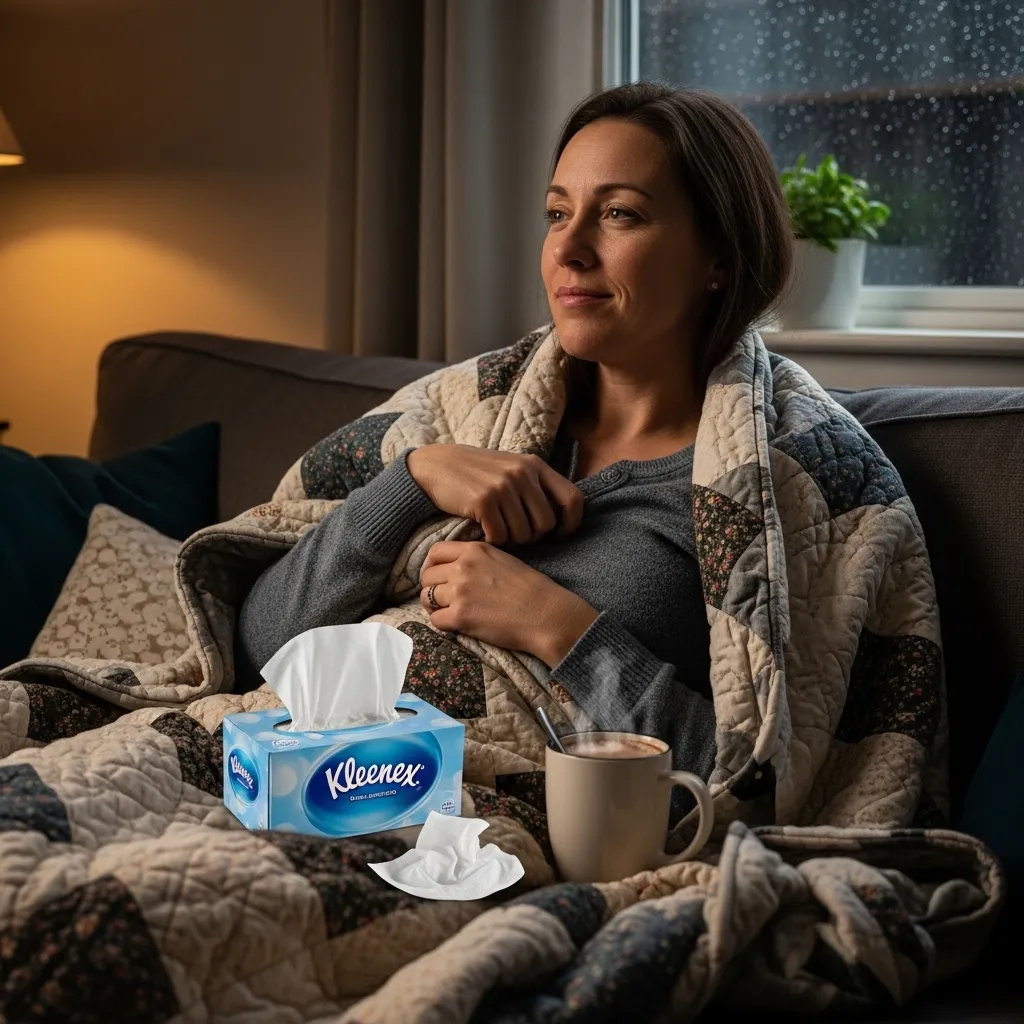
Penicillium mold exposure most often affects the respiratory system because penicillium spores are lightweight and easily become airborne. While reactions vary from person to person, ongoing exposure to penicillium mold in indoor environments can lead to persistent irritation, especially when moisture allows mold levels to remain elevated. Individuals with asthma, allergies, or weakened immune systems are generally more sensitive to penicillium mold health effects.
Common symptoms associated with penicillium mold exposure may include:
- Nasal congestion or sinus irritation
- Sneezing or chronic coughing
- Eye, throat, or skin irritation
- Headaches or fatigue
- Worsening asthma symptom
- Increased allergy-type reactions
- Musty odors triggering discomfort
Can You Remove Penicillium Mold Yourself?
Surface cleaning may remove visible staining, but it does not address the underlying cause of penicillium mold growth. Without correcting moisture issues, penicillium mold spores can continue spreading through indoor air and reappear even after repeated cleaning attempts. Improper cleaning can also disturb spores and increase airborne exposure inside the home.
Professional penicillium mold removal focuses on identifying moisture sources, containing affected areas, and safely removing contaminated materials when necessary. When mold is widespread, hidden behind walls, or linked to ongoing moisture problems, professional mold treatment is the safest and most effective option.
Penicillium Mold: Final Thoughts
Penicillium mold is common, but it should never be considered harmless when it’s growing inside a home. Because penicillium spreads through airborne spores and often develops in hidden, moisture-prone areas, it can affect indoor air quality long before visible growth appears. Addressing moisture, airflow, and potential mold amplification early is the most effective way to protect both your home and your health.
If you’re in Long Island, Brooklyn, or Queens, we offer free expert mold inspections to help homeowners understand what’s happening inside their property, without pressure or obligation. Our inspections focus on identifying visible mold, locating moisture sources, and determining whether professional remediation is necessary under New York regulations.
Concerned about penicillium mold in your home?
Schedule your free mold inspection today and get clear, professional guidance before mold spreads further.
Is penicillium mold dangerous to live with?
Penicillium mold is common, but indoor growth can contribute to respiratory irritation and allergy-type symptoms, especially when spores remain airborne for extended periods.
What does penicillium mold usually look like in homes?
Penicillium mold often appears blue, green, gray, or white with a powdery or velvety texture, though appearance alone is not enough for accurate identification.
Can penicillium mold spread through the air?
Yes. Penicillium releases lightweight spores that easily become airborne and can circulate throughout a home via normal air movement and HVAC systems.
Where does penicillium mold usually come from?
Penicillium mold typically develops in areas with moisture, organic materials, and limited airflow, such as basements, crawl spaces, walls, insulation, and ductwork.
Is penicillium the same as aspergillus mold?
No. Penicillium and aspergillus are different mold genera, but they are often grouped together in lab results because they look similar and commonly appear together in air samples.
Can penicillium mold grow behind walls without visible signs?
Yes. Penicillium frequently grows behind drywall, under flooring, or inside wall cavities after leaks or flooding, even when surfaces appear dry.
Does cleaning visible mold remove penicillium completely?
Surface cleaning may remove visible staining, but it does not eliminate hidden growth, airborne spores, or the underlying moisture source causing the problem.
What health symptoms are commonly linked to penicillium mold exposure?
Symptoms may include nasal congestion, coughing, throat or eye irritation, headaches, fatigue, or worsening allergy and asthma symptoms in sensitive individuals.