
If you’re struggling with mold in your crawl space, you’re not alone—mold destroys more wood than termites and fires combined, and up to 40% of the air you breathe in your home may be coming from your crawl space right now. That means every breath could be carrying mold spores, allergens, and contaminants that impact your health and the integrity of your home.
Ignoring crawl space mold is not an option—it spreads fast, eats away at wooden structures, and can lead to expensive repairs. Whether you’ve noticed musty odors, increased allergy symptoms, or visible signs of mold growth, now is the time to act. Our crawl space mold removal services in New York provide fast, effective solutions to remove mold, restore air quality, and protect your home for the long term.
With professional crawl space mold inspection, mold remediation, and mold encapsulation, we handle everything from detection to full removal—so you won’t have to look anywhere else.
Get Your Crawl Space Mold Problem Solved Today! Contact Us Now for Expert Mold Removal in New York.
The Legal Foundation: Habitability Laws
Every state requires landlords to provide a rental unit that is safe and livable — a standard known as the implied warranty of habitability.
Under the implied warranty of habitability, landlords must maintain rental properties in a condition that meets basic health and safety standards. This typically includes keeping the structure sound, repairing leaks, and preventing conditions that could make the unit unsafe.
In most states, this means a landlord has a duty to repair structural problems that allow moisture intrusion. When mold is linked to ongoing roof leaks, plumbing failures, foundation seepage, or other building defects, it often falls under mold habitability laws and general housing codes. Mold caused by persistent moisture tied to the building itself can affect health and indoor air quality.
Generally, if a landlord fails to fix known leaks or water damage in a reasonable timeframe, liability may follow. Courts often view unrepaired water intrusion as a violation of the landlord’s duty to maintain safe living conditions. However, outcomes frequently depend on documentation, response time, and local regulations.
It’s important to understand that rental property mold laws vary by state. Some states have specific mold disclosure or remediation requirements, while others rely on broader housing standards. Because these rules differ, tenants should review their state statutes or consult a qualified local attorney or housing agency for guidance.
The Dangers Of Indoor Mold In A Rental Property
Indoor mold is more than a cosmetic issue. When moisture problems are left unresolved, mold can affect air quality, damage building materials, and create health concerns for occupants. In rental housing, this can escalate quickly, especially in enclosed spaces with limited ventilation. What may begin as a small patch can spread behind walls, under flooring, or inside HVAC systems. Understanding the risks helps clarify why prompt action is critical.
Respiratory Irritation And Allergy Symptoms: airborne mold spores can trigger coughing, wheezing, sinus congestion, throat irritation, and worsening asthma, particularly in children, seniors, and individuals with respiratory conditions.
Headaches And Neurological Symptoms: some occupants report headaches, fatigue, brain fog, and dizziness in environments with persistent mold growth, especially when ventilation is poor.
Compromised Indoor Air Quality: mold releases spores and microbial compounds into the air, reducing overall indoor air quality and allowing contaminants to circulate through shared HVAC systems.
Structural Material Damage: mold feeds on drywall, wood framing, insulation, and ceiling materials, weakening structural components and increasing long-term repair costs.
Hidden Growth Behind Surfaces: moisture trapped inside walls, beneath flooring, or around plumbing lines can allow mold to spread unnoticed, making remediation more complex and expensive.
Left unaddressed, indoor mold can affect both tenant health and property integrity. Early identification and correction of the underlying moisture source protect everyone involved and reduce the risk of escalating damage.
When The Landlord Is Typically Responsible
If the mold developed because of a leak, structural issue, or building defect, responsibility usually falls on the landlord. When the source is tied to building systems or deferred maintenance, the landlord duty to repair is often triggered under general habitability standards.
- Roof Leaks
- Plumbing Leaks
- Foundation Seepage
- Poor Ventilation Design
- HVAC Failures
- Previous Unresolved Water Damage
Generally, when mold is connected to structural defects or unaddressed repairs, it falls under broader rental property water damage mold standards. However, specific outcomes still depend on state law, lease terms, and documentation.
When The Tenant May Be Responsible
Tenants may be responsible if the mold resulted from conditions entirely within their control. While many mold issues stem from structural moisture, courts often look at whether the tenant contributed to the problem.
- Failure To Report Leaks
- Blocking Ventilation
- Excessive Indoor Humidity Without Mitigation
- Poor Housekeeping That Contributes To Moisture Buildup
- Not Using Bathroom Exhaust Fans
In many cases, responsibility is shared. Clear communication, maintenance requests, and written documentation help determine whether the issue qualifies as tenant responsible for mold, mold caused by tenant negligence, or broader renter mold liability tied to property conditions.
How To Determine Who Is Responsible In Your Situation
The key to resolving mold disputes is identifying the moisture source and documenting it clearly. Responsibility often hinges on evidence and communication.
- Identify The Moisture Source: Determine whether the mold is linked to a structural leak, plumbing issue, ventilation failure, or tenant-controlled humidity.
- Document Everything: Take dated photos, save messages, and keep maintenance records to properly document mold in rental situations.
- Review The Lease: Check for clauses related to maintenance obligations, reporting requirements, and moisture control responsibilities.
- Submit Written Notice: Send a formal mold complaint letter to landlord outlining the issue and requesting repair.
- Request Inspection: Ask for a professional evaluation to confirm the cause and severity.
- Check State And Local Housing Codes: Review local statutes to understand tenant mold rights steps specific to your jurisdiction.
Clear documentation often determines the outcome more than verbal disagreements.
What To Do If Your Landlord Refuses To Address Mold
If your landlord ignores a documented mold issue, there are escalation options, but they must be handled carefully. Laws vary widely, and acting without understanding your state’s rules can create risk.
First, send written notice by certified mail and retain proof of delivery. If there is no response, you may contact your local health department or housing authority to request inspection. Many areas also provide tenant legal aid services that can review your documentation and advise on next steps related to tenant rights mold refusal or when a landlord won’t fix mold.
Some states allow rent withholding or “repair and deduct” remedies, but these options are highly state-specific and must follow strict procedures. Before taking that step, consult local tenant law resources. Avoid attempting major self-remediation without documentation, as altering evidence could complicate a future claim.
How To Get A Free Mold Inspection
If you’re dealing with visible growth or persistent musty odors, scheduling a free mold inspection is often the smartest next step. Many professional remediation companies across the country offer no-cost initial evaluations to identify moisture sources and determine whether mold is present.
Start by searching for licensed mold inspection or remediation companies in your area. Look for providers who clearly state “free mold inspection” or “free moisture assessment” and verify credentials, insurance, and customer reviews. During the visit, expect a visual assessment, moisture meter readings, and discussion about possible sources, such as roof leaks, plumbing issues, or humidity imbalances.
For renters, notify your landlord in writing before scheduling an inspection, especially if access to structural areas is required. For homeowners, choose a company that focuses on identifying the moisture source first, not just surface cleaning. Whether you’re in a high-humidity coastal region or a colder climate with condensation issues, a localized evaluation ensures the solution fits your environment.
A proper inspection should prioritize safety. If significant mold is suspected, avoid disturbing affected areas without appropriate protective equipment and professional guidance.
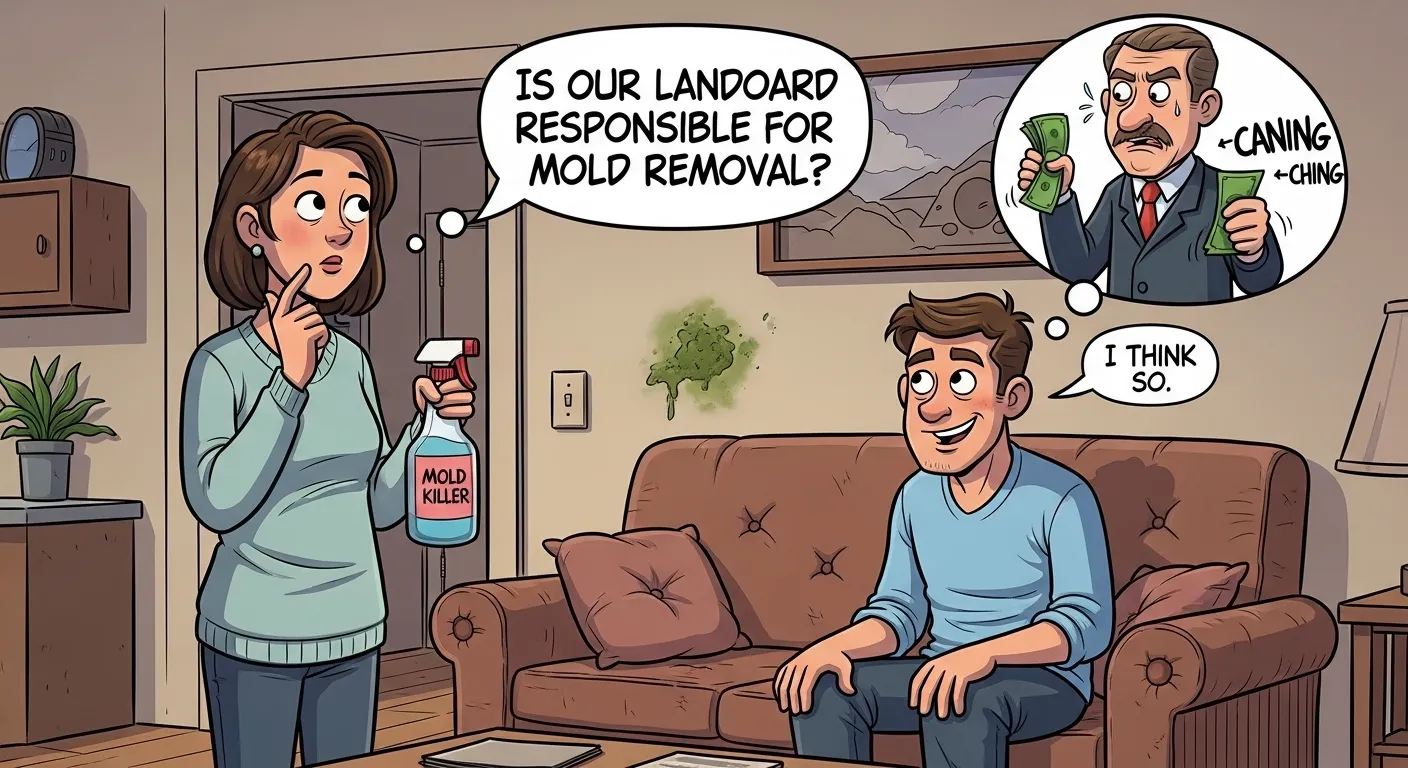
Is My Landlord Responsible For Mold Removal? Final Thoughts
We hope this blog has answered your question, “Is my landlord responsible for mold removal?” Remember, the answer usually depends on the moisture source, documentation, and state law. When mold is tied to structural leaks or maintenance failures, responsibility often falls on the property owner. When conditions are entirely within a tenant’s control, liability may shift. In many cases, shared responsibility is possible.
The key is identifying the cause, documenting everything carefully, and understanding your rights under local habitability standards. Acting early, whether that means reporting leaks, requesting inspection, or consulting housing resources, can prevent a minor moisture issue from becoming a major dispute.
Schedule Your Free Mold Inspection Today And Protect Your Indoor Air