
Black mold can be harmful in certain conditions, but not every dark-colored mold growing in a home is the toxic species homeowners fear. What matters most is not the color. It’s the moisture problem behind it. Any mold, black or otherwise, is a sign that water is entering or lingering somewhere it shouldn’t.
If you’ve been worried about the dangers of black mold or unsure whether a dark patch on the wall is toxic mold, you’re in the right place. This guide breaks down what black mold really is, when it becomes dangerous, and how to handle it safely.
By the end of this article, you’ll have a clear, calm understanding of what you’re dealing with, and the exact steps to protect your home and your health.
From Long Island, Brooklyn, Queens, or The Bronx? Schedule Your Black Mold Evaluation Now!
What Is Black Mold? (And Why the Color Alone Doesn’t Tell the Full Story)
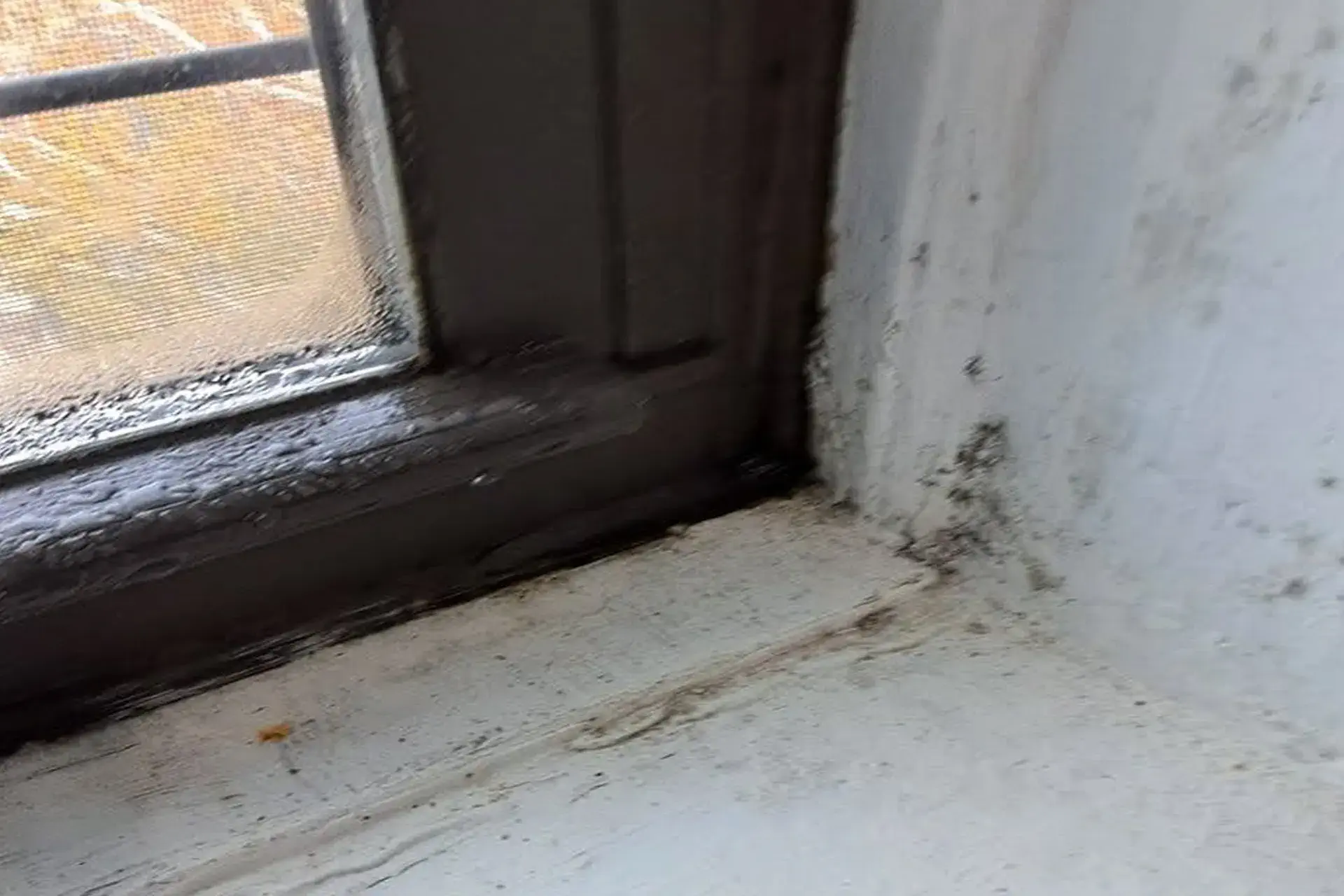
Black mold is a general term people use for any mold that appears dark green, gray, or black on walls, ceilings, wood, or damp surfaces. But only one species: Stachybotrys chartarum is associated with the toxins most homeowners worry about. The challenge? Many common household molds also appear black, and most are not toxic.
Mold grows wherever moisture and organic material meet. That could mean drywall after a leak, wood framing in a damp basement, or grout that stays wet after showers. Because so many mold species thrive in these conditions, color alone cannot confirm whether the mold is dangerous.
To know the exact type of mold present, laboratory testing or a professional mold inspection is required. This helps distinguish routine household mold from the rarer species that require special handling.
Is Black Mold Dangerous? The Real Health Risks Explained
Black mold (Stachybotrys chartarum) is not inherently toxic in small, dry amounts, but it can become a genuine health concern under specific conditions: prolonged exposure, large colonies (especially over 10 square feet), and persistently damp environments. The danger comes primarily from mycotoxins it produces when actively growing in wet conditions.
Irritation Responses (Most Common in Healthy Adults)
These symptoms typically appear after repeated exposure and usually resolve when the person leaves the affected area:
- Coughing or wheezing
- Sore throat or hoarse voice
- Nasal congestion or runny nose
- Eye irritation (redness, watering, burning)
- Skin rash or itching
- Headaches or fatigue
High-Sensitivity Risks
Certain people can experience more severe or prolonged symptoms from the same exposure levels:
- Infants and young children (developing immune and respiratory systems)
- Elderly adults (reduced immune function)
- People with asthma, COPD, or allergies (triggered exacerbations)
- Those with compromised immune systems (chemotherapy, HIV, organ transplant patients)
No one can guarantee that any specific exposure will or will not cause harm. Reactions vary widely, but the combination of large colonies + high moisture + sensitive individuals is when black mold health risks become most significant. If you belong to a high-sensitivity group and notice persistent symptoms that improve when you’re away from home, it’s wise to have the area professionally tested and remediated.
What Black Mold Looks Like vs. Other Molds
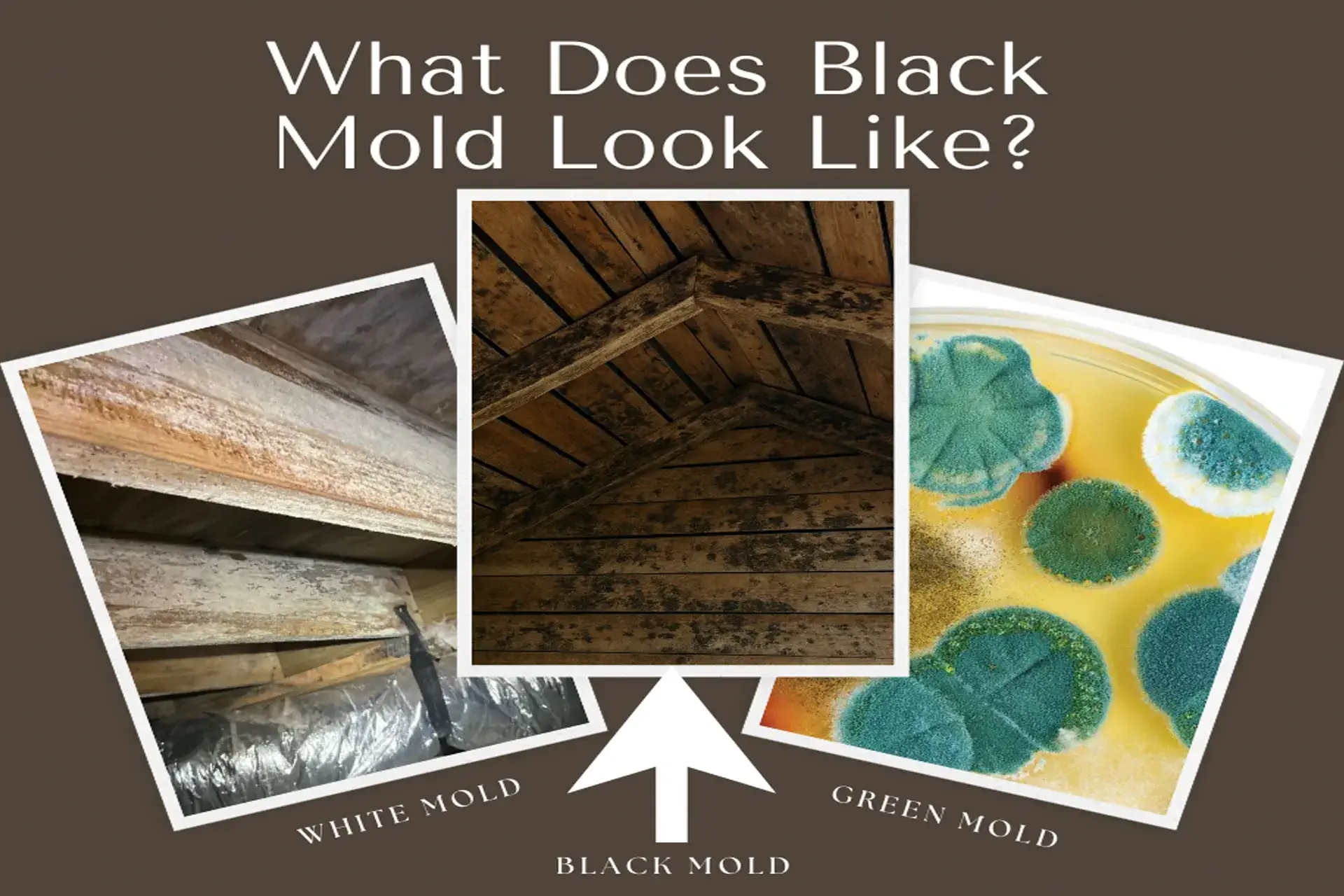
Color alone is not enough to identify toxic black mold. Many harmless molds are also black or dark green. Professional testing is the only way to confirm Stachybotrys chartarum.
Visual Characteristics of True Black Mold (Stachybotrys):
- Dark green to black color (often looks almost black when dry, greener when wet)
- Slimy or wet appearance when actively growing (feels “sooty” when dry)
- Grows in thick, irregular patches or streaks
- Strong musty or mildew odor (often described as “wet basement smell”)
- Almost always tied to prolonged water damage (cellulose-rich materials like drywall, wood, paper that stayed wet for weeks)
Quick Comparison to Common Look-Alikes:
| Mold Type | Color | Texture | Typical Location | Health Concern Level |
|---|---|---|---|---|
| Stachybotrys (true black mold) | Dark green-black | Slimy when wet, powdery when dry | Chronic water damage areas | High (mycotoxins) |
| Aspergillus / Penicillium | Black, blue, green | Powdery or velvety | Dust, AC units, window sills | Low–Moderate |
| Cladosporium | Black or dark olive | Suede-like | Bathrooms, fabrics, wood surfaces | Moderate (allergenic) |
| Alternaria | Black or gray | Velvety or woolly | Damp walls, showers, window frames | Moderate (allergenic) |
If you see large patches that are slimy, persistently damp, and accompanied by a strong musty smell in an area with known long-term water damage, treat it as potentially toxic black mold until proven otherwise and call a professional.
Where Black Mold Commonly Grows in a Home
Black mold needs three things: moisture, darkness, and cellulose food (drywall, wood, cardboard, ceiling tiles). Here are the highest-risk spots to check regularly:
- Basements & Crawlspaces: Ground moisture, poor ventilation, and frequent leaks make these #1 hotspots
- Bathrooms & Showers: Persistent steam + grout/caulk gaps = perfect breeding ground
- Behind Walls After Leaks: Plumbing leaks, appliance overflows, or roof leaks that go unnoticed for weeks
- Around Windows & Condensation Areas: Chronic window sweating (especially older single-pane windows)
- Attics with Poor Ventilation or Roof Leaks: Warm, humid air + insulation/cardboard boxes
- Under Sinks & Around Water Heaters: Slow drips no one notices
- Inside HVAC Ducts & Air Returns: If condensate pans overflow or filters stay wet
Pro tip: If you can smell musty odor but don’t see visible growth, the mold is likely hidden inside walls or under flooring, those are the situations that most often require professional remediation.
How Black Mold Affects Your Home (Not Just Your Health)
Since mold consumes anything organic that it grows on, black mold damage can slowly break down the structure of your home. When moisture lingers, colonies spread into building materials, weakening them over time.
Common types of black mold damage include:
- Rotting Wood: Mold on wood framing can weaken joists, subfloors, and beams.
- Damaged Drywall: Drywall becomes soft, stained, and brittle as mold spreads within it.
- Persistent Odors: Musty smells indicate trapped moisture and ongoing mold activity.
- Visible Stains & Spreading Colonies – Dark patches often grow outward as moisture continues.
- Reduced Home Resale Value: Buyers avoid homes with mold on walls, crawlspaces, or attics.

What To Do If You Think You Have Black Mold
If you suspect black mold, the right first steps can prevent the problem from getting worse.
Follow these steps immediately:
- Do NOT scrub it dry. This can release mold particles into the air.
- Do NOT paint over it. Paint traps moisture and forces mold to grow beneath the surface.
- Avoid bleach on porous materials. Bleach does not prevent mold long-term and cannot penetrate drywall or wood.
- Check for moisture sources. Look for leaks, damp wood, condensation, or standing water.
- Isolate the area if possible. Close doors or reduce airflow until inspected.
- Call a professional for a moisture inspection. Mold is a symptom—the real issue is water intrusion.
Get a Mold & Moisture Assessment!
How to Prevent Black Mold From Returning
Long-term mold prevention comes down to controlling humidity, ventilation, and water intrusion.
Humidity & Moisture Control
- Fix leaks quickly–within 24-48 hours when possible.
- Maintain indoor humidity below 50% year-round.
- Use dehumidifiers in basements or damp rooms
- Install or upgrade ventilation fans in bathrooms and kitchens.
Cleaning & Surface Care
- Clean shower grout regularly to prevent mold growth in shower areas.
- Dry wet surfaces promptly, especially after bathing or cooking.
- Improve crawlspace air conditions with vapor barriers or encapsulation.
Whole-Home Prevention
- Improve airflow in closed rooms.
- Address condensation around windows and walls.
- Use IAQ systems (HRVs/ERVs) where ventilation is limited.
When to Call a Professional
Some mold situations require expert tools and moisture diagnostics—not just cleaning.
Call a professional if you notice:
- Mold returning after cleaning
- Mold after a flood or leak
- Mold on wood framing or structural beams
- Mold in crawlspaces or basements
- Mold in HVAC systems or ductwork
- Musty odors that persist even after drying the area
A professional mold assessment identifies the true cause, which is usually moisture, so your home can be dried, repaired, and protected long-term.
Worried About Black Mold? Get a Professional Moisture & Mold Evaluation Today.
Is Black Mold Dangerous: Final Thoughts
Black mold can be dangerous under the right conditions, but it’s also manageable when handled correctly. The real threat isn’t the color. It’s the moisture that allows mold to grow in the first place. With proper steps, routine maintenance, and professional guidance when needed, most mold problems can be solved before they cause serious damage.
Frequently Asked Questions About Black Mold
How dangerous is black mold really?
Black mold can be harmful in certain conditions, especially with prolonged exposure and high moisture levels, but not every dark mold is toxic. Identifying the moisture source is more important than identifying the color.
Can I stay in my home if I have black mold?
In most cases, yes, but avoid the affected area until it has been evaluated, especially if you have allergies, asthma, or sensitivities.
Does bleach kill black mold?
Bleach can remove surface staining but does not prevent mold on porous materials like wood or drywall.
How long does it take for mold to make you sick?
Mold affects people differently. Some experience irritation quickly, while others may not react at all. The impact depends on sensitivity and exposure levels.
Can black mold grow after a flood?
Yes, flooded materials that stay wet for more than 24-48 hours are at high risk for mold growth.
How do I prevent black mold in my bathroom?
Improve ventilation, clean grout, reduce humidity, and dry surfaces after showers. Air circulation and regular cleaning prevent mold growth in shower areas.
Does painting over mold stop it?
No. Mold must be removed at the source. Painting over mold traps moisture and allows it to spread beneath the surface.
What kills black mold permanently?
Permanent solutions focus on fixing moisture, not chemicals. Proper drying, repairs, and moisture control are essential.
How do I prevent mold in my crawlspace or basement?
Use vapor barriers, improve drainage, encapsulate crawlspaces, and maintain humidity below 50%.
Does air circulation prevent mold growth?
Improved airflow reduces stagnant moisture and helps prevent mold on walls, concrete, and other surfaces.
Can a dehumidifier prevent mold in the basement?
Yes. Keeping humidity low is one of the best ways to prevent mold on concrete and wood structures.
How do I prevent mold after a leak or flood?
Dry affected areas immediately, remove wet materials if necessary, and inspect for hidden moisture.
How do I prevent mold in new construction?
Ensure materials stay dry during the build, ventilate properly, and prevent moisture intrusion from grading or flashing issues.
How do I prevent mold on wood, walls, or concrete?
Keep humidity low, repair leaks quickly, improve air circulation, and use proper waterproofing or sealing where needed.
Do air purifiers prevent mold?
Air purifiers reduce airborne particles but cannot stop mold from growing on damp surfaces.
How do I prevent mold on my bathroom ceiling or shower grout?
Reduce humidity, use bathroom fans, clean regularly, and dry surfaces after each shower.
How do I prevent mold on my screened porch?
Improve airflow, seal gaps where rain enters, and clean surfaces frequently to prevent moisture buildup.