
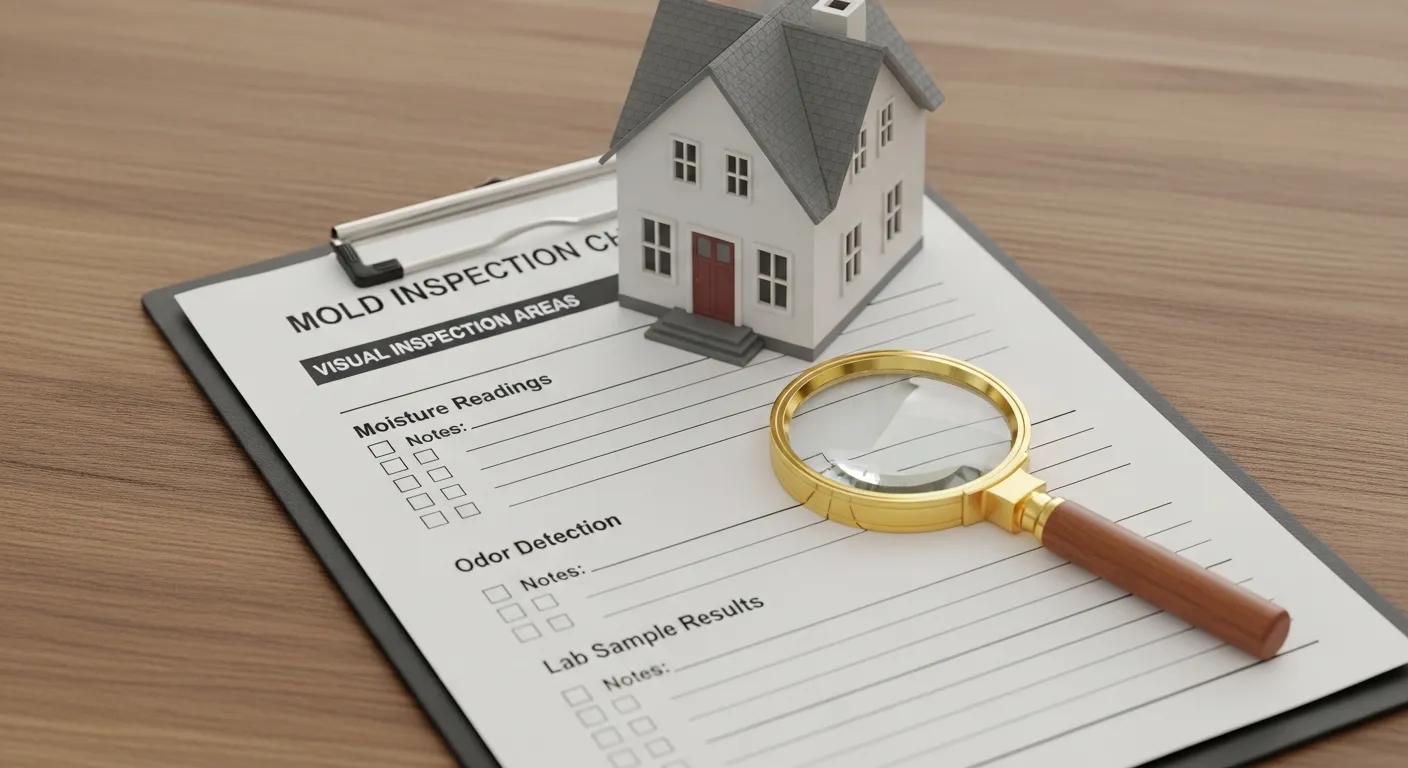
If you just Googled, “How to Get a Free Mold Inspection” we wrote this for you. Our goal is to help you find real, legitimate options for a no-cost inspection, no matter where you live or what kind of property you’re in. If you’re seeing suspicious spots, noticing a musty smell, or you’ve had a recent leak or flood, you’re probably trying to answer two urgent questions fast: Is this mold? and What do I do next without getting ripped off? This guide is designed for homeowners, renters, property managers, and anyone dealing with moisture issues who needs clear direction on where to find a free mold inspection in their town.
We’ll walk you through who actually offers free inspections, what “free” typically includes (and what it usually doesn’t), how to qualify, and the exact questions to ask before you book. You’ll also learn how to spot red flags, when paid testing is worth it, and what steps to take after an inspection so you can protect your health, your home, and your wallet. If you’re ready to get answers and take action, you’re in the right place.
Long Island Homeowners Can Call on Mold Removal Experts Any Time for Free Mold Inspections and Expert Advice! Schedule Yours Today!
Mold Removal Experts Offer Free Mold Inspections In Long Island, Brooklyn, Queens, And The Bronx
If you suspect mold in your home or building, getting a professional assessment quickly can prevent minor moisture problems from becoming structural damage or widespread contamination. Mold Removal Experts provides free mold inspections throughout Long Island, Brooklyn, Queens, and the Bronx, helping property owners understand the source of moisture before recommending next steps.
Older homes, finished basements, and multi-family buildings in these areas are particularly vulnerable due to coastal humidity, aging foundations, and recurring storm-related water intrusion.
What’s Included In A Free Mold Inspection
A free mold inspection is typically a professional visual and moisture assessment designed to determine whether further action is necessary.
- Interior and Exterior Visual Inspection: Inspectors look for visible mold growth, staining, water damage, condensation patterns, and ventilation issues both inside and around the property.
- Moisture Meter Readings: Professional-grade moisture meters help identify hidden dampness behind walls, under flooring, or within framing materials.
- Identification of High-Risk Areas: Basements, crawlspaces, attics, bathrooms, utility rooms, and recently flooded areas receive special attention.
- Verbal Findings and Next-Step Recommendations: Most free inspections conclude with a clear explanation of what was found and recommended corrective actions.
What a Free Mold Inspection Usually Does NOT Include
Understanding what is not included helps set realistic expectations.
- Laboratory Air or Surface Testing: Air sampling and lab analysis typically require separate fees.
- Written Mold Reports (In Most Cases): Detailed written documentation is often part of paid testing or formal assessments.
- Species Identification: Identifying specific mold types requires laboratory analysis.
- Clearance Testing: Post-remediation verification testing is generally a separate service.
Are Free Mold Inspections Legitimate?
Free mold inspections can be legitimate and helpful when offered by reputable, experienced professionals. However, because they are often tied to service sales, it’s important to approach them with informed expectations.
When They’re Reliable
- The company has established local reviews and a physical presence.
- Inspectors focus on moisture source identification, not fear-based tactics.
- Recommendations are explained clearly and logically.
- You are not pressured to sign immediately.
Red Flags to Watch For
- Immediate claims of “toxic black mold everywhere” without testing.
- High-pressure sales tactics during the first visit.
- Refusal to explain moisture findings or show readings.
- Large remediation estimates without a clear scope of work.
How to Vet a Company Offering a Free Inspection
- Verify licensing and insurance where required.
- Check third-party reviews and years in business.
- Confirm they specialize in mold remediation or water damage restoration.
- Ask whether they follow industry standards such as IICRC guidelines.
Questions to Ask Before Booking
- What exactly is included in the free inspection?
- Will moisture readings be taken?
- Is testing optional or required?
- Will I receive written documentation?
- Is there any obligation to proceed with services?
A free mold inspection can provide valuable clarity when handled professionally. The key is understanding its scope, verifying the company’s credibility, and making decisions based on evidence rather than urgency alone.
How to Get a Free Mold Inspection: Final Thoughts
Free mold inspections can be a practical and legitimate first step when you suspect a moisture problem. They allow you to get professional eyes on the situation, identify potential sources of water intrusion, and understand whether remediation is necessary, without committing to immediate costs.
Used correctly, a free inspection is a very helpful evaluation tool that can help you catch mold issues early before they escalate, endangering your family, and your home. If you suspect mold, schedule a professional inspection now. It’s always better to be safe than sorry.
Frequently Asked Questions About Free Mold Inspections
Is a Free Mold Inspection Really Free?
In most cases, yes. The inspection itself typically includes a visual assessment and moisture readings at no cost. However, laboratory testing, written reports, and clearance certifications are usually separate paid services.
Is a Free Mold Inspection Accurate?
Free inspections are accurate for identifying visible mold growth and moisture problems. Inspectors can determine whether conditions are conducive to mold. Species identification and airborne spore analysis require laboratory testing.
Can Renters Get a Free Mold Inspection?
Renters can request inspections, but property owners generally must authorize remediation work. In many situations, landlords will coordinate inspections if water damage or visible mold is documented.
How Long Does a Mold Inspection Take?
Most residential inspections take between 30 and 90 minutes depending on property size, accessibility, and the number of areas being evaluated.
Will Insurance Cover Mold Remediation?
Insurance may cover mold remediation if the mold resulted from sudden, accidental water damage such as a burst pipe. Mold caused by long-term humidity or maintenance issues is typically excluded.
What Happens After a Free Mold Inspection?
After the inspection, the company will explain their findings and recommend next steps. If remediation is necessary, they will usually provide a written estimate outlining scope and cost.
Do I Need Mold Testing If Mold Is Visible?
In many cases, visible mold does not require testing before remediation. Testing is typically recommended for insurance documentation, legal disputes, tenant conflicts, or when contamination is not visible but suspected.
Can Mold Be Hidden Behind Walls?
Yes. Mold often grows behind drywall, under flooring, or inside insulation when moisture is present. Inspectors use moisture meters and visual indicators to determine whether hidden growth may exist.
Should I Leave My Home During a Mold Inspection?
No. Mold inspections are non-invasive and safe. You typically do not need to vacate the property during the evaluation.
How Quickly Should I Schedule an Inspection After a Leak?
Immediately. Mold can begin developing within 24–48 hours after water exposure. The sooner moisture is identified and corrected, the lower the risk of structural damage and air quality issues.