
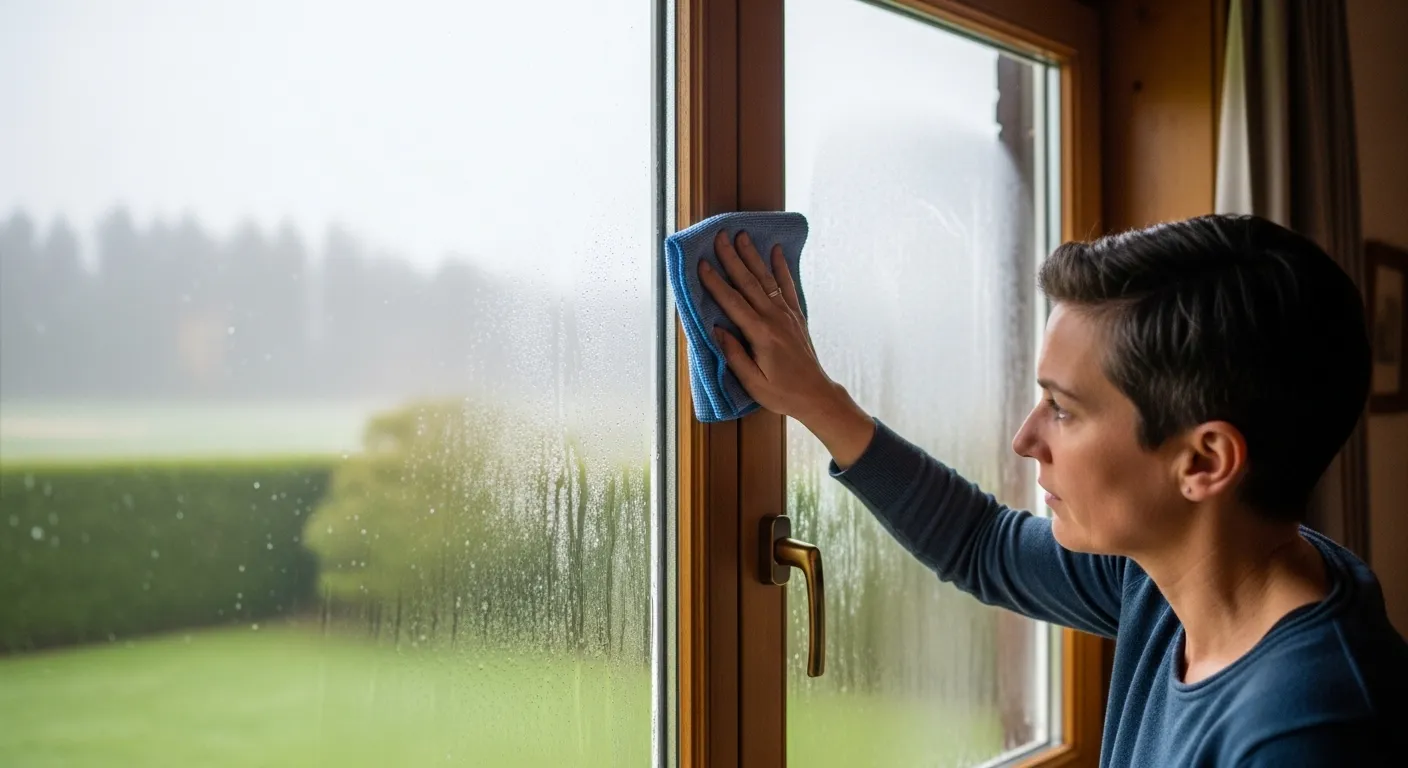
Basements are naturally prone to moisture because they sit below ground level, where humidity, groundwater, and poor ventilation can easily create damp conditions. When humidity levels rise, the basement can quickly develop musty odors, condensation, and even mold growth that affects the entire home.
Learning how to control humidity in your basement is essential for protecting your home’s structure, improving indoor air quality, and preventing costly damage. Fortunately, most humidity problems can be solved with the right combination of ventilation, moisture control, and regular maintenance.
In this guide, you’ll learn why basements become humid, how to measure humidity levels, and the most effective ways to reduce and control moisture long-term.
If You’re in Long Island, Brooklyn, Queens, or The Bronx, Contact Mold Removal Experts Any Time for a Free Mold Assessment!
Quick Triage: Is Your Basement Just Damp or in Trouble?
60-Second Health Check
Basements are naturally more vulnerable to humidity than other areas of the home because they sit below ground level and are surrounded by moisture-rich soil. Even well-built basements can experience damp conditions if airflow is limited or water finds its way through the foundation.
Understanding the underlying cause of basement humidity is essential because the solution depends on where the moisture is coming from. In many homes, humidity is caused by a combination of environmental conditions, airflow issues, and small structural vulnerabilities.
Check for these common warning signs:
- Musty or earthy odors that don’t go away after airing out the space
- Condensation forming on pipes, windows, or other cold surfaces
- Damp or clammy walls and floors, even without visible standing water
- Peeling paint, bubbling finishes, or warped wood trim, doors, or baseboards
- Visible mold or mildew on walls, ceilings, stored items, or around baseboards
If you recognize one or two of these signs and your humidity is under about 60%, you’re likely dealing with mild to moderate basement humidity that can often be controlled with better ventilation and dehumidification.
If you’re seeing several of these signs at once, or you notice standing water, widespread staining, or large foundation cracks, the issue may be more serious and should be evaluated by a professional.
What Causes Basement Humidity?
While basement humidity can come from several sources, most humidity problems fall into three main categories: condensation, seepage, or active leaks. Identifying which one you’re dealing with can help you choose the right fix and avoid wasting time on solutions that don’t address the root cause.
Each category produces different symptoms that homeowners can often recognize with a quick inspection.
- Condensation: Condensation occurs when warm, humid air comes into contact with cooler basement surfaces such as pipes, windows, concrete walls, or floors. As the warm air cools, moisture in the air forms droplets on those surfaces. Typical signs include water droplets on pipes or windows, damp patches during humid weather, and a general clammy feeling in the basement. Condensation is usually related to high indoor humidity and poor airflow rather than water entering from outside the home.
- Ground Seepage: Seepage happens when moisture from surrounding soil slowly moves through porous concrete walls or floors. Even without visible cracks, small amounts of groundwater vapor can pass through concrete over time. Signs of seepage often include damp patches on walls, chalky white mineral deposits (efflorescence), or moisture that appears after heavy rain. This type of moisture typically develops gradually and may worsen during wet seasons.
- Plumbing or Structural Leaks: Leaks introduce water directly into the basement through plumbing failures, appliance connections, or structural openings such as foundation cracks. Unlike condensation or seepage, leaks tend to produce concentrated wet areas. Common symptoms include puddles, dripping water, stained ceilings or drywall, and damp spots that consistently appear in the same location. Because leaks add moisture quickly, they can rapidly increase humidity and create conditions for mold growth.
Basement Humidity Severity Levels
Not every basement humidity problem requires the same level of response. Some homes only experience mild seasonal dampness, while others have persistent moisture or active water intrusion that requires structural repairs. Understanding the severity of the problem helps homeowners decide which solutions to prioritize.
The three levels below provide a simple way to evaluate basement humidity and determine the most appropriate next steps.
Level 1: Mild Humidity
Mild humidity is the most common situation in finished or well-maintained basements. Moisture levels may rise occasionally, especially during warm or humid weather, but there are no major signs of water intrusion.
Common indicators include slightly musty odors, occasional condensation on pipes, or humidity readings approaching 55–60%. These situations can usually be managed with better ventilation and air moisture control. The solutions discussed later in How to Control Humidity in Your Basement—such as using a dehumidifier and improving airflow—are often enough to keep conditions stable.
Level 2: Persistent Dampness
At this level, humidity is consistently elevated and early moisture damage may begin to appear. Homeowners may notice recurring damp spots, peeling paint, or a stronger musty smell that doesn’t go away.
Humidity readings are often above 60%, and signs such as condensation, damp walls, or minor seepage may appear more frequently. In these cases, it’s important to combine indoor moisture control with preventative measures discussed later in Long-Term Ways to Prevent Basement Humidity, including sealing cracks and improving drainage around the home.
Level 3: Active Moisture or Water Intrusion
Severe basement humidity typically involves water entering the space directly. This may occur through plumbing leaks, foundation cracks, poor exterior drainage, or groundwater pressure against basement walls.
Signs include standing water, visible leaks, large wet areas on walls or floors, widespread mold growth, or heavy staining on concrete surfaces. These problems often require immediate repairs and sometimes professional inspection. Addressing the root cause is critical before relying on humidity control tools like dehumidifiers.
Monitoring humidity levels allows homeowners to catch problems early and respond before moisture begins affecting the structure of the home or indoor air quality. See our full guide on indoor humidity here.
Don’t forget! If you live in Long Island, Brooklyn, Queens, or The Bronx, you can always call on Mold Removal Experts for free mold inspections and long term moisture control and mold prevention solutions tailored to your unique needs!

What’s a Safe Humidity Level in a Basement?
Maintaining proper humidity levels is key to preventing mold, mildew, and moisture damage. According to the Environmental Protection Agency, (EPA) the ideal basement humidity level is:
Between 30% and 50%.
When humidity rises above 60%, mold growth and moisture problems become much more likely.
Many building and indoor air quality organizations recommend keeping indoor humidity below 60% and ideally between about 30% and 50% to keep mold in check.
How to Measure Humidity in Your Basement
Humidity levels can be measured using a hygrometer, which is an inexpensive device that tracks indoor moisture levels and helps homeowners monitor basement conditions For best results, place a hygrometer away from windows, doors, and vents so readings reflect the general environment rather than temporary airflow changes. It can also be helpful to check humidity levels in more than one area of the basement, especially if the space is large or divided into multiple rooms.
Monitoring humidity regularly helps homeowners identify patterns, such as moisture increases during rainy weather or seasonal humidity spikes. Tracking these changes makes it easier to determine when additional moisture control, like running a dehumidifier or improving ventilation is needed.
Fast, Low-Cost Ways to Knock Basement Humidity Down
Not every humidity problem requires major repairs or structural changes. In many basements, moisture levels rise because of everyday household activities or poor airflow. Addressing these smaller contributors can often lower humidity quickly and prevent conditions that allow mold to grow.
Starting with simple fixes also helps homeowners determine whether the humidity problem is minor or whether larger moisture issues need to be addressed.
Eliminate Easy Indoor Moisture Sources
Many basement humidity issues begin with moisture introduced inside the home. Reducing these sources can lower humidity levels without expensive equipment or renovations.
- Avoid air-drying laundry in the basement.
- Make sure clothes dryers vent outside, not into the basement space.
- Avoid storing wet items such as rugs, cardboard boxes, or firewood in the basement.
- Remove standing water from plant trays, utility sinks, or appliances.
Even small amounts of added moisture can raise humidity in enclosed basement environments.
Improve Basement Ventilation and Airflow
Increasing airflow helps prevent damp air from becoming trapped in the basement. This may include installing exhaust fans, opening basement windows when weather allows, or using circulating fans.
Ventilation works best when outdoor air is cooler and drier than the air inside the basement. During hot, humid weather, opening windows may actually increase humidity because warm outdoor air condenses when it enters the cooler basement environment. In those situations, mechanical ventilation or dehumidification is usually more effective.

Dehumidifiers and Ventilation Done Right
For many homes, controlling basement humidity requires actively removing moisture from the air—not just hoping it dissipates on its own. A properly designed dehumidification system paired with smart ventilation is one of the most reliable ways to maintain safe, stable humidity levels. The key is using equipment designed specifically for basements so moisture is removed efficiently rather than running a small unit constantly with little improvement.
Use a Basement Dehumidifier
A high-quality basement dehumidifier is one of the most effective tools for reducing excess moisture. These systems pull humidity from the air and keep indoor levels within a healthy range.
The Santa Fe Advance2 Basement Dehumidifier is built specifically for basements and crawl spaces, offering powerful moisture removal while operating efficiently and quietly. Unlike many portable units, it’s designed to handle larger spaces and continuous operation.
For best results:
Install the unit where air can circulate freely so it can treat the entire basement area.
Use a continuous drain so the system can operate automatically without emptying a tank.
Set humidity between 40–50% to maintain healthy conditions without wasting energy.
When You Need More Than a Dehumidifier
A dehumidifier removes airborne moisture, but persistent humidity can also signal larger issues such as groundwater intrusion, poor exterior drainage, or inadequate ventilation. If humidity stays above 60–65% even with a properly sized system running, the home may benefit from additional moisture control improvements.
In many homes, however, installing a high-performance basement system like the Santa Fe Advance2 Basement Dehumidifier is the most effective first step toward creating a drier, healthier basement environment.
Structural and Waterproofing Fixes That Actually Stick
Once basement humidity has been reduced, the next step is preventing moisture from returning. Many long-term humidity problems begin outside the home where water collects around the foundation.
Improving drainage, protecting foundation walls, and managing water flow around the home can significantly reduce the amount of moisture entering the basement environment.
Improve Exterior Drainage
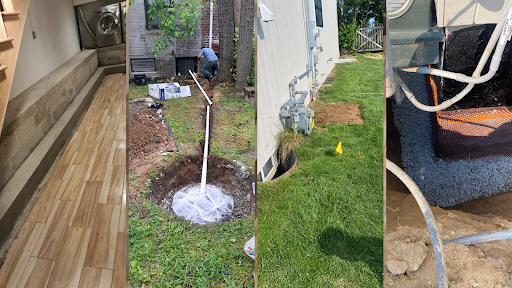
Make sure gutters and downspouts direct water away from the home’s foundation. Poor drainage can push water toward basement walls and increase the likelihood of moisture entering the space.
Structural and Waterproofing Fixes That Actually Stick
Additional improvements can include:
- Extending downspouts several feet away from the foundation.
- Adjusting soil grading so the ground slopes away from the home.
Install a Sump Pump
Homes in flood-prone areas or regions with high groundwater levels may benefit from installing a sump pump. These systems collect and remove water before it has a chance to accumulate in the basement. (Related: sump pump cost guide)
Waterproof Basement Walls
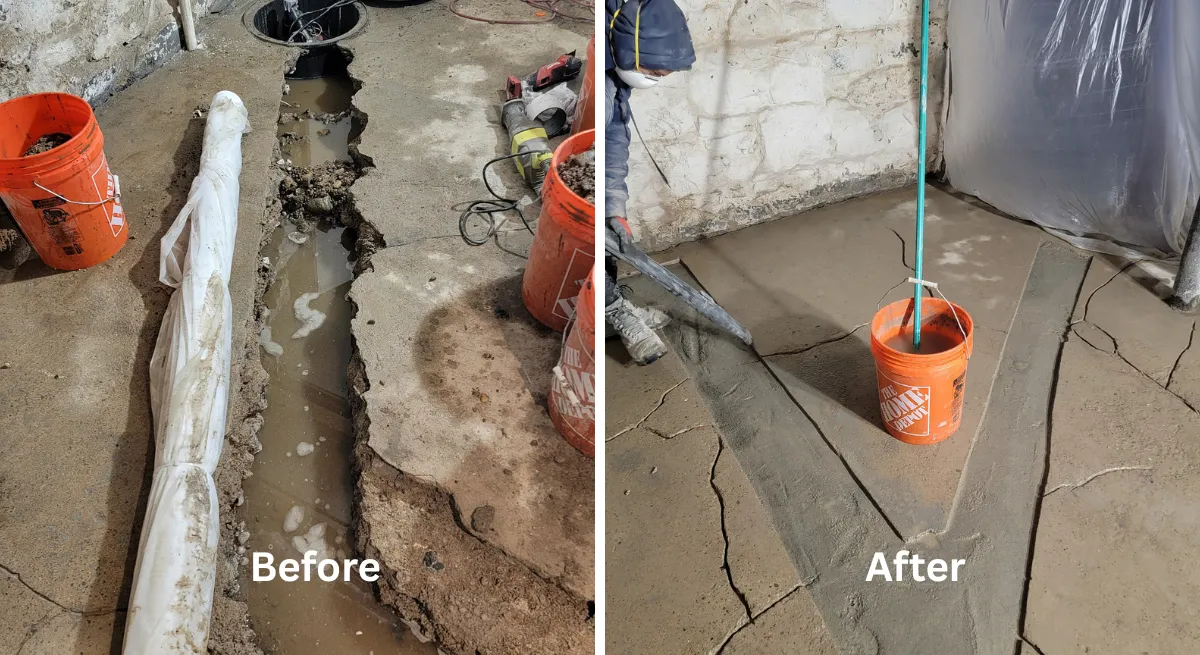
Applying waterproof sealants or installing interior drainage systems can help prevent moisture from seeping through foundation walls. Waterproofing is especially helpful in older homes where foundations may be more vulnerable to moisture intrusion. Solutions may involve interior sealants, drainage channels, or exterior waterproofing systems depending on the severity of the problem.
Maintain Proper Landscaping
Proper landscaping can help control how water flows around your home. Grading the soil so that it slopes away from the foundation prevents rainwater from collecting near basement walls.
Finished vs Unfinished Basements
Humidity control is important in any basement, but the risks and solutions can differ depending on whether the space is finished or unfinished.
Finished basements contain drywall, flooring, furniture, and other materials that are more vulnerable to moisture damage and mold growth. Even slightly elevated humidity can affect indoor air quality and damage finished surfaces. Because of this, finished basements typically require more consistent humidity control and monitoring.
Unfinished basements provide more flexibility for ventilation, storage adjustments, and equipment placement. However, moisture can still damage structural materials, stored belongings, and mechanical systems. Maintaining safe humidity levels helps protect both the structure of the home and anything stored in the space.
Long-Term Basement Humidity Control Plan
Once basement humidity has been reduced, the next step is making sure the problem doesn’t return. Consistent monitoring and small maintenance tasks can prevent moisture issues from gradually building up again.
A simple long-term humidity control routine may include:
- Checking humidity levels monthly with a hygrometer. $20
- Inspecting plumbing lines and appliances for leaks. $9
- Cleaning gutters and ensuring downspouts move water away from the foundation. $32
- Running a dehumidifier during humid seasons. $32
- Watching for early warning signs such as musty odors or condensation. $32
Regular maintenance helps homeowners catch small problems early before they develop into larger moisture or mold issues.
When to Call a Professional
Some basement humidity problems can be managed with ventilation and dehumidifiers, but others require professional inspection and repairs. Calling a specialist may be necessary if you notice severe or persistent moisture issues.
Situations that often require professional help include:
- Standing water in the basement
- Humidity consistently above 60–70% despite using a dehumidifier
- Visible mold growth
- Large foundation cracks or recurring water intrusion
Professionals can perform a full moisture assessment, take humidity readings, inspect drainage and foundation conditions, and identify the underlying cause of persistent moisture.
If you’re in Long Island, Brooklyn, Queens, or The Bronx, Mold Removal Experts can inspect your basement, identify moisture sources, and recommend the right combination of humidity control and mold remediation if needed.
How to Control Humidity in Your Basement: Final Thoughts
Controlling humidity in your basement is one of the most important steps homeowners can take to prevent mold, protect their home’s structure, and maintain healthy indoor air quality. By identifying moisture sources, improving ventilation, and using tools like dehumidifiers, most humidity problems can be effectively managed.
Taking action early is the best way to prevent costly repairs and long-term damage. With consistent monitoring and maintenance, homeowners can keep basement humidity levels under control and maintain a dry, comfortable living space.
Long Island,
Frequently Asked Questions About Basement Humidity
What humidity level is too high for a basement?
Humidity levels above 60% are generally considered too high for a basement. At this level, the risk of mold growth, condensation, and moisture damage increases significantly.
What is the ideal humidity level for a basement?
The ideal basement humidity level is between 30% and 50%. Keeping humidity within this range helps prevent mold growth, musty odors, and moisture-related damage.
Will a dehumidifier solve basement humidity problems?
A dehumidifier can effectively reduce moisture in the air and help maintain safe humidity levels. However, underlying issues such as water leaks, drainage problems, or foundation cracks may also need to be addressed.
Can basement humidity affect the rest of the house?
Yes. Air naturally rises through a home, which means humid air from the basement can circulate to upper floors and affect indoor air quality throughout the house.
Why does my basement feel damp even without visible water?
Basements can feel damp because warm air condenses on cooler surfaces such as walls, floors, and pipes. This condensation creates moisture even when there is no obvious water leak.
Should basement windows be opened to reduce humidity?
Opening basement windows can help reduce humidity when outdoor air is dry. However, during hot or humid weather, opening windows may actually increase moisture levels inside the basement.
What causes high humidity in a basement?
Common causes include groundwater seeping through walls, poor ventilation, plumbing leaks, condensation, and improper exterior drainage around the foundation.
How do I measure humidity in my basement?
Humidity levels can be measured using a hygrometer, which is an inexpensive device that tracks indoor moisture levels and helps homeowners monitor basement conditions.
Does basement humidity cause mold growth?
Yes. Mold thrives in environments where humidity levels remain above 60% for extended periods, making damp basements one of the most common locations for mold growth.
How can I permanently reduce basement humidity?
Long-term humidity control usually involves using a dehumidifier, improving ventilation, sealing foundation cracks, fixing leaks, and ensuring proper drainage around the home’s foundation.