

Mold exposure can trigger uncomfortable symptoms, but many homeowners want to know one clear thing: how long does mold stay in your system? In most healthy individuals, mold does not permanently live inside the body. Symptoms typically improve once exposure ends, though recovery time can vary depending on how long you were exposed, your immune response, and whether you have underlying respiratory conditions.
Some people feel better within days, while others may take a few weeks to fully stabilize. Below, we’ll explain what actually happens in the body after mold exposure, how long symptoms usually last, and when medical attention may be necessary.
If you’re a Long Island homeowner concerned about ongoing exposure, schedule a free mold inspection with our team to identify and address the source quickly and professionally.
Schedule Your Free Expert Mold Inspection Now!
How Long Does Mold Stay in Your System? The Short Version
For most healthy individuals, mold spores do not permanently live inside the body. Once exposure stops, the immune system clears inhaled spores and inflammation gradually subsides. Many people recover within a few days after leaving the affected environment. Others may take several weeks for inflammation and irritation to fully resolve.
How long symptoms last depends on several factors:
- Exposure Level: Heavier or prolonged exposure can extend recovery time.
- Immune Response: Individuals with allergies or asthma may experience longer symptom duration.
- Underlying Health Conditions: Respiratory issues can delay improvement.
What Happens When You’re Exposed to Mold?
When mold is present indoors, microscopic spores become airborne and are easily inhaled. In healthy individuals, these spores do not “grow” inside the body. Instead, they can irritate the lining of the nose, throat, and lungs.
The immune system responds by triggering inflammation. This inflammatory response is what causes common symptoms such as congestion, coughing, watery eyes, or throat irritation.
It’s important to distinguish between different reactions:
- Irritation: Non-allergic inflammation caused by airborne particles.
- Allergic Reaction: The immune system overreacts to mold proteins, producing histamine-related symptoms.
- Infection: Rare in healthy individuals, but possible in people with weakened immune systems.
You may also see claims online about “mycotoxin buildup.” While certain molds can produce mycotoxins in specific conditions, the concept of widespread toxic accumulation inside healthy bodies is often overstated. Current medical evidence supports irritation and allergy as the most common outcomes of indoor mold exposure.
How Long Mold Symptoms Typically Last
The duration of mold-related symptoms varies based on exposure intensity, overall health, and whether the source has been fully removed. For most healthy individuals, symptoms are temporary and improve once clean air is restored. However, recovery is not identical for everyone. Pre-existing respiratory conditions, immune sensitivity, and length of exposure all influence how long inflammation lingers. Understanding these variables helps set realistic expectations while keeping the focus on eliminating the environmental trigger.
- Mild Exposure (Short-Term): Brief exposure in otherwise healthy individuals typically causes temporary symptoms. These often resolve within hours to several days after leaving the environment and reducing inflammation.
- Ongoing Exposure: If mold remains present in the home or workplace, symptoms can persist.
Chronic airway irritation may continue as long as spores remain airborne. - Individuals With Allergies or Asthma: People with pre-existing respiratory sensitivity may experience flare-ups that last weeks. Recovery depends on how effectively inflammation is controlled and whether exposure has truly ended.
- Immunocompromised Individuals: Those with weakened immune systems have a higher risk of fungal infection rather than simple irritation. This situation requires medical evaluation and should not be self-managed.
Can Mold Stay In Your Body Permanently?
For healthy individuals, mold does not permanently colonize the body. Inhaled spores are typically cleared through normal respiratory defenses, and they do not establish long-term growth inside healthy lung tissue.
Fungal infections are possible, but they are uncommon and usually occur in individuals who are immunocompromised, undergoing certain medical treatments, or living with significant underlying health conditions.
Concerns about “toxic mold buildup” circulating online often go beyond what current medical evidence supports. While mold exposure can cause real and uncomfortable symptoms, the idea of widespread permanent accumulation in healthy bodies is frequently overstated. It’s reasonable to take symptoms seriously without assuming permanent internal contamination.
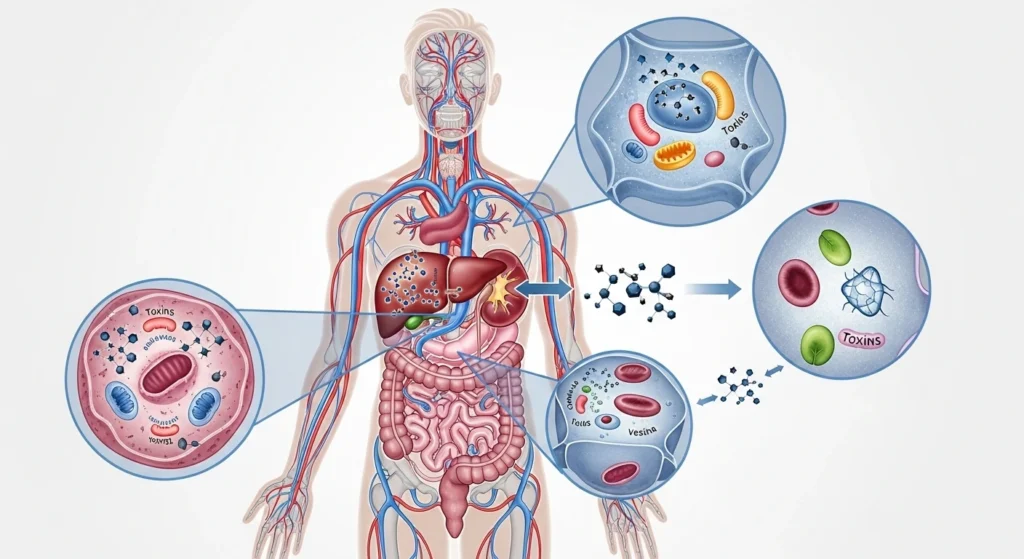
How the Body Eliminates Mold Exposure
The body has multiple built-in mechanisms for handling inhaled particles, including mold spores.
- Mucus Clearance: The respiratory tract traps spores in mucus, causing coughing and other effects.
- Immune Response: White blood cells identify and neutralize foreign particles.
- Liver and Kidney Pathways: The body processes and eliminates metabolic byproducts through established detoxification systems.
- Inflammation Reduction: Once exposure ends, inflammatory signals gradually decrease, allowing tissues to recover.
In most healthy people, these systems function efficiently once the environmental source of mold is removed.
When To See A Doctor
Most mild mold-related symptoms improve once exposure is removed, but certain warning signs require medical attention. Lingering inflammation, worsening respiratory distress, or systemic symptoms may indicate a condition beyond simple irritation.
Individuals with asthma, chronic lung disease, or weakened immune systems should be especially cautious. Medical evaluation is not about alarm. It is about ruling out infection, severe allergy, or unrelated health issues. Prompt consultation provides clarity and ensures appropriate care.
Seek medical evaluation if you experience:
- Symptoms lasting more than 2–3 weeks after mold exposure has been removed
- Worsening shortness of breath or respiratory distress
- Fever
- Chest pain
- A known immune disorder or condition that affects immune function
Persistent or escalating symptoms should not be ignored. A healthcare provider can determine whether ongoing inflammation, allergy, infection, or another condition is responsible.
How To Reduce Ongoing Exposure
Health recovery is closely tied to environmental correction. If mold remains active in the home, symptoms may continue regardless of medical treatment. Eliminating moisture sources and preventing spore circulation are foundational steps in stopping the cycle of irritation.
Identifying hidden water intrusion, addressing humidity, and ensuring proper remediation are essential. Long-term symptom improvement depends more on controlling the environment than on temporary symptom management.
- Identify the Moisture Source: Mold growth requires water. Leaks, humidity, condensation, or drainage issues must be located and corrected.
- Professional Mold Inspection: A qualified inspection can determine the extent of growth and whether spores are spreading through living areas.
- Proper Remediation: Containment, safe removal of contaminated materials, and moisture correction are essential to prevent recurrence.
- HVAC Cleaning When Necessary: If spores have circulated through ductwork, targeted cleaning may be recommended to reduce redistribution.
Addressing the indoor environment is often the most important step in supporting physical recovery.
Mold Exposure vs. Mold Toxicity: What’s The Difference?
The phrase “toxic mold” is widely used but often misunderstood. Not all mold exposure leads to toxicity, and most indoor cases involve allergic or irritant responses rather than systemic poisoning. Clear definitions help separate established medical evidence from online exaggeration.
Understanding the distinction between allergy, irritation, infection, and debated toxin-related claims reduces unnecessary fear. A balanced, science-based perspective supports informed decisions without minimizing legitimate health concerns.
- Allergic Reaction: The most common response. The immune system reacts to mold proteins, causing congestion, sneezing, and airway inflammation.
- Irritant Response: Non-allergic inflammation from airborne particles. Symptoms may resemble a mild respiratory illness.
- Infection (rare): Occurs primarily in immunocompromised individuals and requires medical diagnosis.
- Mycotoxin Illness: Certain molds can produce mycotoxins in specific conditions. However, the concept of widespread systemic “toxicity” in healthy individuals remains debated and is not universally supported by clinical evidence.
A scientific perspective recognizes legitimate health effects while avoiding unsupported claims.
How Long Does It Take to Feel Better After Mold Removal?
Many individuals notice improvement quickly once exposure stops. Some experience relief within days as airway irritation decreases. In mild cases, respiratory symptoms often improve within one to two weeks. If exposure was prolonged, inflammation may take longer to resolve, especially in individuals with allergies or asthma. Recovery timelines vary, but improvement is expected once the source has been properly addressed.
How Long Does Mold Stay in Your System: Final Thoughts
For most healthy individuals, mold does not remain in the body once exposure ends. Symptoms typically improve as inflammation decreases and normal respiratory defenses clear airborne particles.
Recovery time depends on the severity of exposure and individual immune response. Most importantly, addressing the moisture source and properly remediating indoor mold is essential to prevent continued irritation and support full recovery.
Long Island and Brooklyn Home and Business Owners Can Rely on Mold Removal Experts for Free Mold Inspections and Proven Mold Remediation and Prevention Solutions! Schedule Your Free Assessment Now!
Frequently Asked Questions About How Long Mold Stays in Your System:
How long does mold stay in your system after exposure?
In healthy individuals, mold does not remain in the body permanently. Symptoms typically improve within hours to several days after exposure stops, though recovery can take one to two weeks if inflammation was significant.
Does mold stay in your lungs?
No. In healthy people, inhaled mold spores are trapped in mucus and cleared through normal respiratory defenses. They do not permanently live in lung tissue.
How long do mold symptoms last after leaving the house?How long do mold symptoms last after leaving the house?
Mild symptoms often improve within a few days. If exposure was prolonged, airway inflammation may take one to two weeks or longer to fully resolve.
Can mold stay in your body for years?
There is no strong medical evidence that mold remains inside healthy bodies for years. Persistent symptoms are usually related to ongoing exposure, allergies, or another medical condition.
Does mold build up in your bloodstream?
Routine indoor mold exposure does not typically cause mold to accumulate in the bloodstream in healthy individuals. Systemic fungal infections are rare and usually occur in immunocompromised patients.
How long does it take to detox from mold exposure?
The body does not require special detox programs in most cases. Once exposure stops, natural immune, liver, and kidney processes eliminate byproducts over days to weeks.
Can mold exposure cause permanent damage?
Permanent damage is uncommon in healthy individuals. However, people with asthma or chronic respiratory conditions may experience prolonged flare-ups if exposure continues.
Why do I still feel sick after mold removal?
Inflammation can persist even after the source is removed. It may take time for airways and sinus tissues to fully recover. If symptoms last more than two to three weeks, medical evaluation is recommended.
Can mold cause long-term fatigue?
Short-term fatigue can occur due to immune activation and poor air quality. Ongoing fatigue should be medically evaluated to rule out other causes.
When should I see a doctor after mold exposure?
Seek medical care if symptoms last longer than two to three weeks after exposure ends, worsen over time, or include fever, chest pain, or difficulty breathing.