
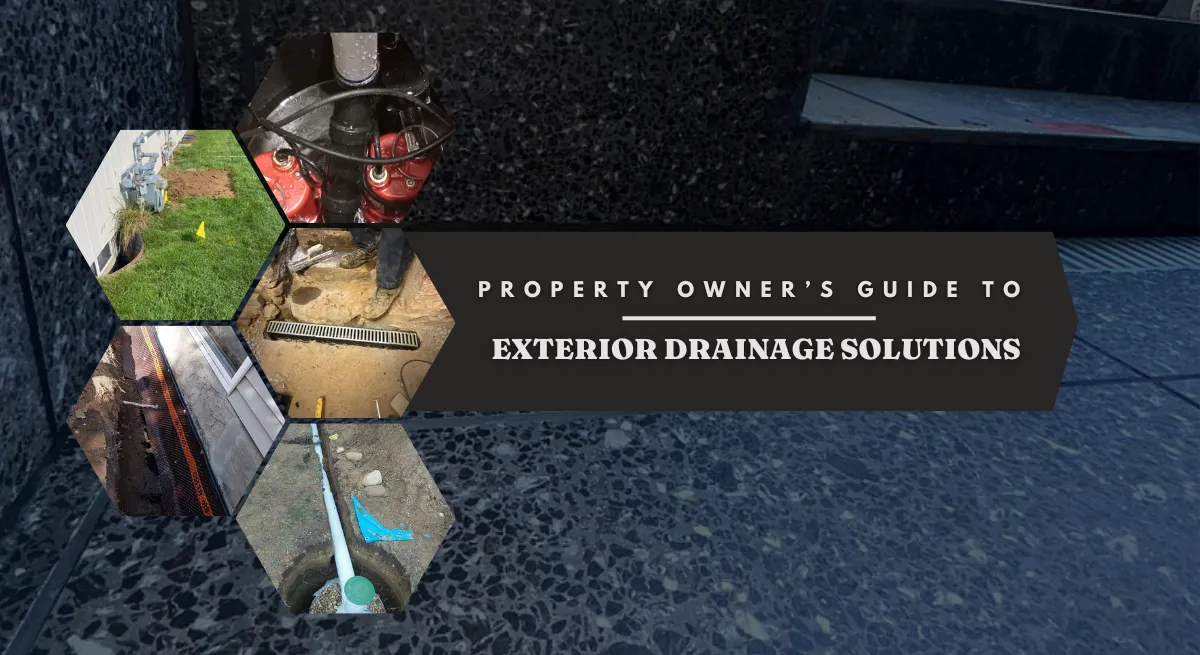
Water intrusion is one of the most expensive and preventable threats to a home’s foundation. According to insurance industry data, water damage and freezing account for billions in property losses each year, and exterior drainage failures are a leading contributor. When surface runoff, groundwater, or poor grading allows moisture to accumulate around a foundation, the result can be hydrostatic pressure, structural movement, basement leaks, mold growth, and long-term deterioration.
The challenge is determining which system, or combination of systems, is appropriate. Soil composition, lot slope, foundation depth, water table height, and rainfall intensity all influence performance. A French drain may relieve groundwater pressure, but it will not correct improper grading. A sump pump can evacuate collected water, but it cannot stop surface runoff from pooling against the structure. Effective exterior drainage is strategic, layered, and site-specific.
This guide breaks down the most effective residential exterior drainage solutions for 2026, including French drains, sump pump discharge systems, channel drains, footing drains, dry wells, and grading improvements, so you can understand how each system works, when it is recommended, and how to select the right configuration for long-term protection.
Types of Exterior Drainage Systems
Exterior drainage is not a one-size-fits-all solution. The right system depends on soil conditions, grading, foundation type, water volume, and how water moves across and beneath the property. What works for minor surface runoff will not solve hydrostatic pressure at the footing level, and a system designed for clay-heavy soil will perform differently in sandy or well-draining conditions.
In practice, effective water management often requires combining multiple components rather than relying on a single product. Some systems intercept water before it reaches the foundation. Others collect and redirect groundwater after it accumulates. The goal is always the same: control the flow path of water so it moves safely away from the structure instead of toward it.
Below is a breakdown of the most common types of exterior drainage systems, how they function, and when each is typically recommended.
Exterior French Drain Systems
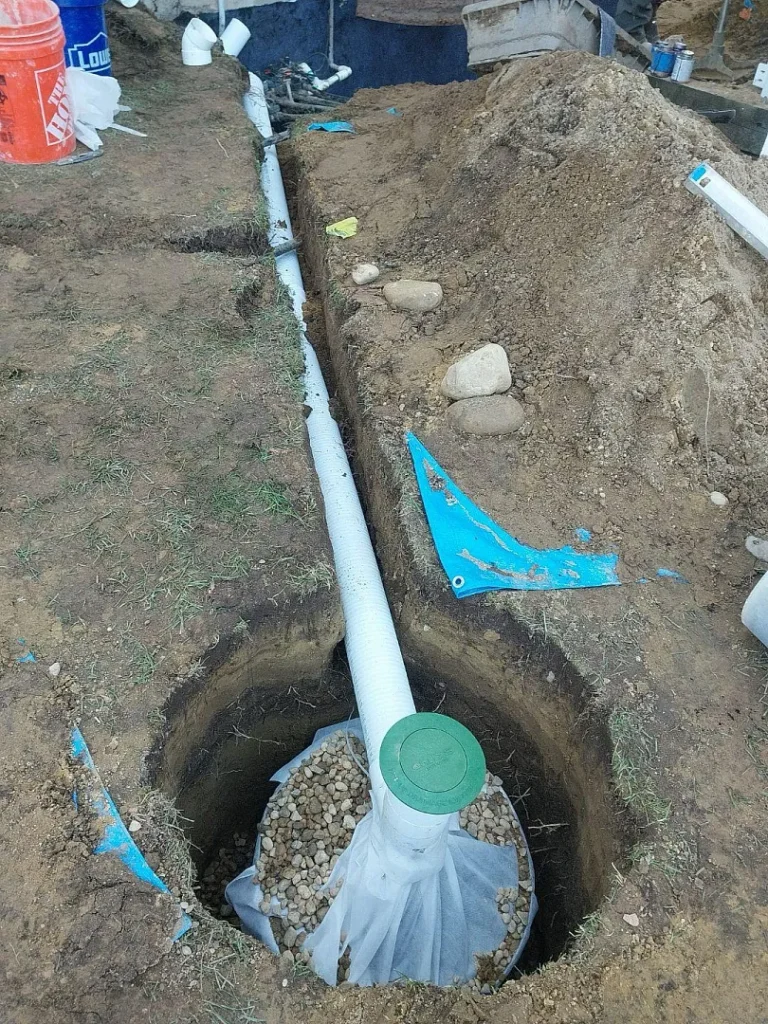
A French drain is one of the most effective and widely used exterior drainage solutions for managing groundwater. Designed to intercept and redirect subsurface water before it builds pressure against a foundation, it relieves hydrostatic stress and reduces the risk of basement seepage, foundation cracks, and soil saturation.
Installed along the footing line or in low-lying yard areas, a properly constructed French drain creates a controlled pathway for water to move away from the structure rather than collect around it.
Materials Used in a French Drain System
Perforated Drain Pipe (Typically 4” PVC or Corrugated HDPE)
Washed Drainage Gravel (¾” Clean Stone)
Geotextile Filter Fabric
Catch Basin or Outlet Connection (Optional but Common)
Exterior Waterproofing Membrane (When Installed at Foundation Wall)
Average Cost of a French Drain
Cost Per Linear Foot:
$25–$60 per linear foot (standard residential installation)Average Residential Project Total:
$3,000–$12,000 depending on depth, excavation access, soil conditions, discharge method, and foundation perimeter size
Shallow yard installations fall at the lower end of the range, while deep footing-level systems requiring excavation to the foundation base typically fall at the higher end.
Sump Pump Discharge Systems
A sump pump discharge system is responsible for safely transporting water away from the home after it has been collected in a sump basin. While the sump pump removes water from the pit, the discharge line determines where that water ultimately goes, and poor discharge design is one of the most common causes of system failure.
If water is released too close to the foundation, it can recycle back into the drainage system, saturate soil, or create winter freezing issues. A properly engineered discharge system ensures that pumped water is directed far enough away to prevent re-entry and long-term soil instability.
Materials Used in a Sump Pump Discharge System
Discharge Pipe (1½”–2” PVC or HDPE)
Check Valve
Freeze Protection Device or Ice Guard (Cold Climate Regions)
Exterior Bury Line (Solid PVC, Buried Below Frost Line Where Applicable)
Termination Point (Pop-Up Emitter, Dry Well, or Daylight Outlet)
Average Cost of a Sump Pump Discharge System
Cost Per Linear Foot (Buried Exterior Line):
$10–$25 per linear foot depending on depth and soil conditionsAverage Residential Discharge Upgrade:
$500–$2,500 depending on line length, burial depth, freeze protection requirements, and termination method
Short above-ground extensions fall at the lower end of the range, while full buried discharge reroutes with freeze mitigation and proper termination fall at the higher end.
Channel Drains (Trench Drains)
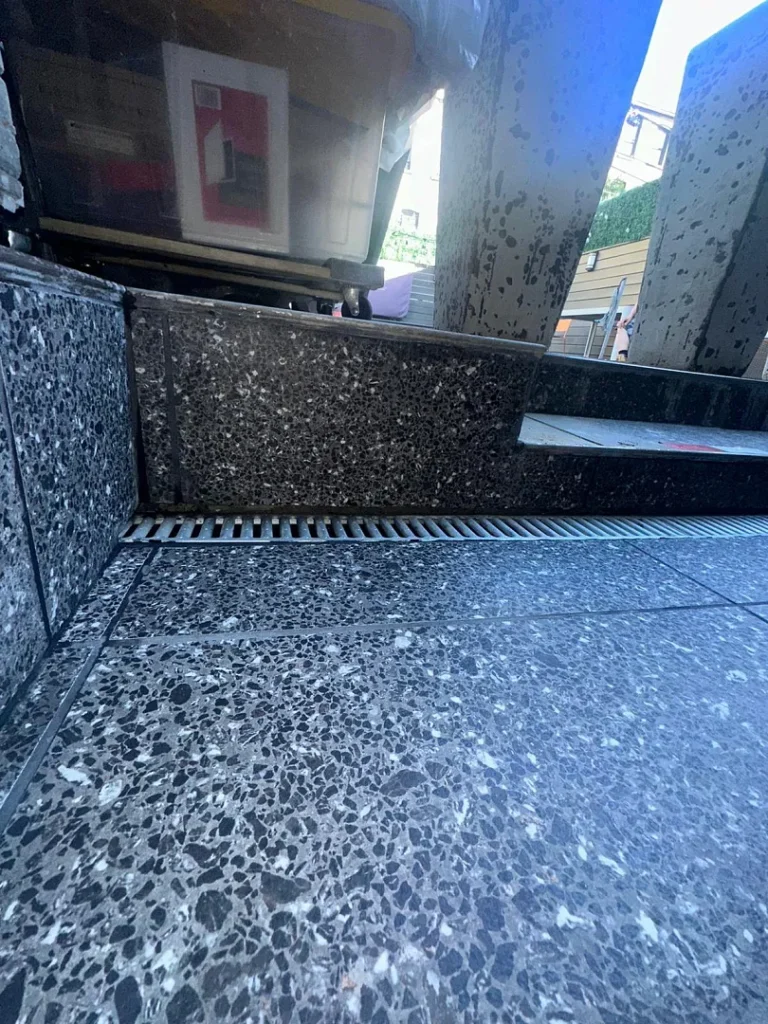
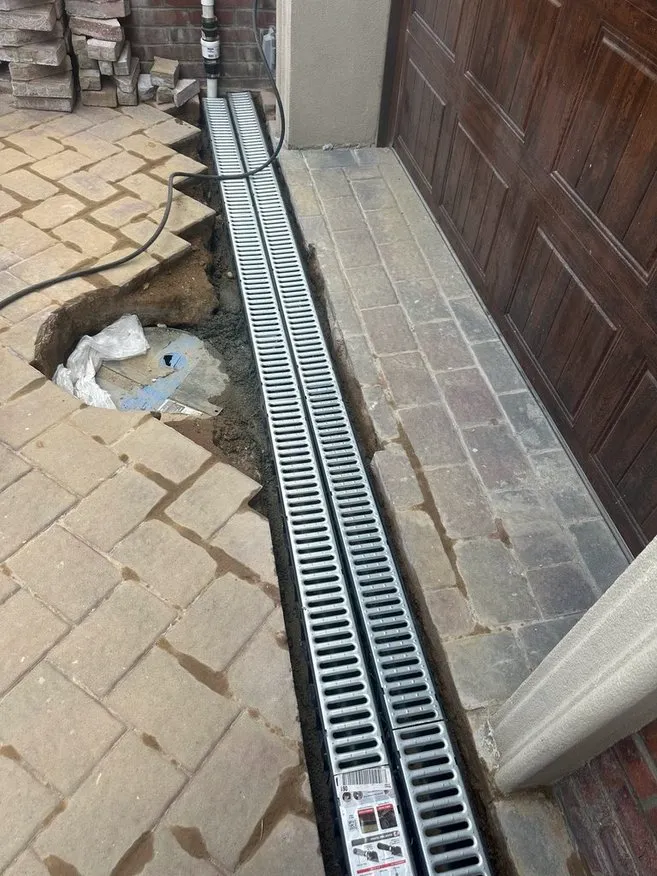
Channel drains are surface water management systems designed to intercept and redirect runoff before it reaches the foundation. Commonly installed in driveways, patios, garage entrances, and walkways, they collect sheet flow water at grade level and channel it into a drainage line or storm system. Unlike subsurface systems such as French drains, channel drains address visible surface pooling and hardscape runoff, making them ideal for properties with concrete or paver installations that prevent natural absorption.
Materials Used in a Channel Drain System
Pre-Formed Drain Channel (Polymer Concrete, PVC, or HDPE)
The linear trough that collects surface water and directs it toward an outlet.Grate Cover (Plastic, Galvanised Steel, Stainless Steel, or Decorative Iron)
Sits flush with the surface and allows water entry while supporting foot and vehicle traffic.Concrete Bedding and Haunching
Secures the channel in place and prevents shifting under load.Outlet Adapter and Solid Drain Pipe
Connects the channel to an underground discharge line or storm system.End Caps and Debris Screens
Prevent soil intrusion and large debris from entering the system.
Average Cost of a Channel Drain
Cost Per Linear Foot (Installed):
$30–$75 per linear foot depending on load rating and material typeAverage Residential Project Total:
$1,500–$6,000 depending on length, concrete removal requirements, and discharge configuration
Basic patio installations fall at the lower end, while driveway or garage-entry systems requiring heavy-duty grates and concrete cutting fall at the higher end.
Footing Drains (Foundation Perimeter Drains)
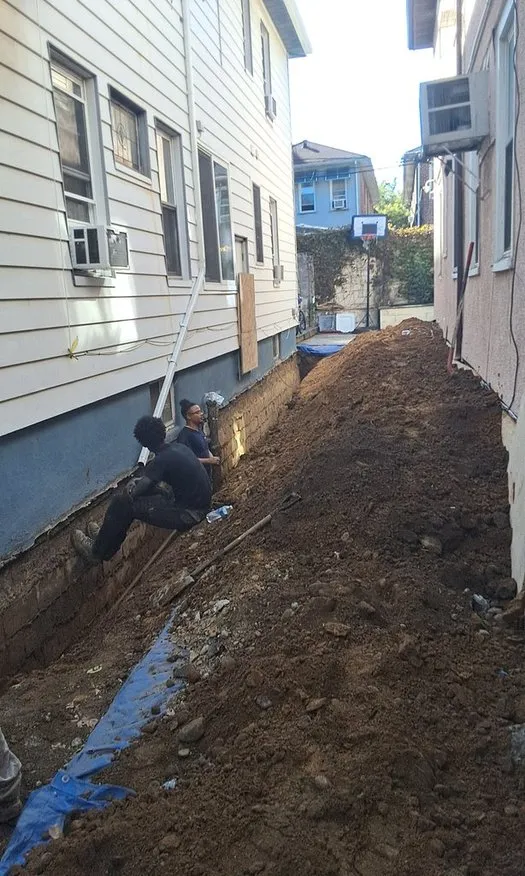
Footing drains are deep subsurface drainage systems installed at the base of a foundation footing. Their primary purpose is to relieve hydrostatic pressure by collecting groundwater at the lowest structural point and redirecting it away from the home. These systems are typically installed during new construction but can be retrofitted through exterior excavation when persistent basement seepage or foundation wall pressure is present.
Because they operate at footing level, these drains manage groundwater before it rises against the foundation wall — making them one of the most comprehensive exterior water management solutions available.
Materials Used in a Footing Drain System
Perforated 4” PVC or SDR-35 Pipe
Washed Drainage Gravel (¾” Clean Stone)
Geotextile Filter Fabric
Foundation Waterproofing Membrane or Coating
Discharge Connection (Daylight Outlet or Sump Pump System)
Average Cost of a Footing Drain
Cost Per Linear Foot (Exterior Excavation):
$50–$100 per linear foot depending on depth and accessAverage Residential Perimeter Installation:
$8,000–$25,000+ depending on foundation size, excavation complexity, soil type, and wall waterproofing scope
New construction installations are significantly less expensive than retrofit projects, as excavation is already part of the build process. Retrofits require full perimeter excavation and restoration, placing them at the higher end of the range.
Comparative Overview (Part 1 Systems)
| System Type | Best Application | Water Management Type | Load Rating | Typical Installed Cost |
|---|---|---|---|---|
| French Drain | Subsurface groundwater relief around foundation | Intercepts & redirects groundwater | N/A (subsurface) | $25–$60 per linear ft $3,000–$12,000 typical project |
| Sump Pump Discharge System | Moves collected water safely away from structure | Pumped water transport & termination | N/A (piped system) | $10–$25 per linear ft $500–$2,500 typical upgrade |
| Channel Drain (Trench Drain) | Driveways, patios, garage entrances | Captures surface runoff at grade | Pedestrian to vehicle-rated (Class A–C typical residential) | $30–$75 per linear ft $1,500–$6,000 typical project |
| Footing Drain (Perimeter Drain) | Deep foundation-level hydrostatic pressure relief | Collects groundwater at footing base | N/A (subsurface structural system) | $50–$100 per linear ft $8,000–$25,000+ typical project |
These systems form the backbone of most commercial drainage strategies. In the next section, we examine channel drains for architectural applications, dry wells for storage-based management, and bioretention systems for sustainable stormwater control.
Exterior Drainage Solutions for Residential and Commercial Properties
This page outlined a comprehensive framework for selecting and designing exterior drainage systems based on real-world commercial demands. We examined commercial drainage system types including trench drains, French drains, catch basins, and engineered surface systems, along with load ratings, capacity ranges, and installation cost considerations.
We also addressed compliance factors, ADA considerations, high-volume water management, material selection for chemical resistance, and long-term performance planning to reduce liability and protect assets. The goal is operational protection, regulatory alignment, and long-term ROI through properly engineered exterior drainage solutions.
Schedule A Commercial Site Evaluation And Get A Customized Exterior Drainage Plan Built For Your Property Today.
Frequently Asked Questions About Commercial Exterior Drainage
What is the average lifespan of a commercial trench drain system?
A properly installed polymer concrete trench drain typically lasts 50+ years. PVC storm piping may last 50-100 years depending on soil conditions. Lifespan depends on load rating compliance, maintenance frequency, and environmental exposure.
Do I need a permit for commercial drainage installation?
Most commercial drainage installations require municipal review, especially when connecting to stormwater systems. Projects involving detention, retention, or municipal tie-ins typically require engineered drawings and approvals. Permitting timelines commonly range from 2–8 weeks.
How much water can a 6-inch trench drain handle per minute?
A 6-inch pre-sloped trench drain installed at a 0.5% slope can typically manage 200–350 gallons per minute (GPM) per 100 linear feet, depending on grate type and outlet spacing. Hydraulic capacity must be calculated based on site runoff.
How long does a commercial drainage installation typically take?
Project timelines vary based on system type, site conditions, and permitting requirements. Simple trench drain retrofits in parking areas may take 2–5 days, while full-scale site drainage systems with excavation, stormwater tie-ins, or detention components can require 2–6 weeks. Factors such as underground utility conflicts, concrete curing time, weather delays, and municipal inspections can extend timelines. A phased installation plan can often keep portions of the property operational during construction.
What is the difference between commercial and residential drainage systems?
Commercial systems are engineered for higher GPM volumes, heavier load classifications, regulatory compliance, and larger watershed areas. Residential systems rarely require HS-20 ratings or engineered stormwater calculations.
How often should commercial drainage systems be inspected?
High-traffic areas should be inspected quarterly, while general commercial systems should undergo at least annual professional inspection and cleaning. Facilities in heavy rainfall regions may require pre-storm season inspections.
Are French drains suitable for commercial parking lots?
French drains are effective for subsurface groundwater control but are not designed to intercept heavy surface runoff alone. In parking lots, they are typically paired with trench drains or catch basins for complete surface and subsurface management.
Can commercial drainage systems be installed during winter?
Installation during winter is possible but not ideal in freeze-thaw regions. Frozen ground increases excavation cost and can affect concrete curing. Many projects are scheduled outside peak freezing conditions when feasible.
How much does commercial drainage maintenance cost annually?
Annual maintenance for a mid-sized commercial property typically ranges from $500 to $2,500, depending on system complexity and inspection frequency. Preventive maintenance often delivers a 5:1 to 10:1 ROI by preventing structural damage.
How do I choose the right drainage system for my property?
System selection depends on runoff volume (GPM), traffic load classification, soil permeability, regulatory requirements, and site grading. A professional hydraulic assessment helps narrow the most appropriate 2–3 system options based on measurable site conditions.