
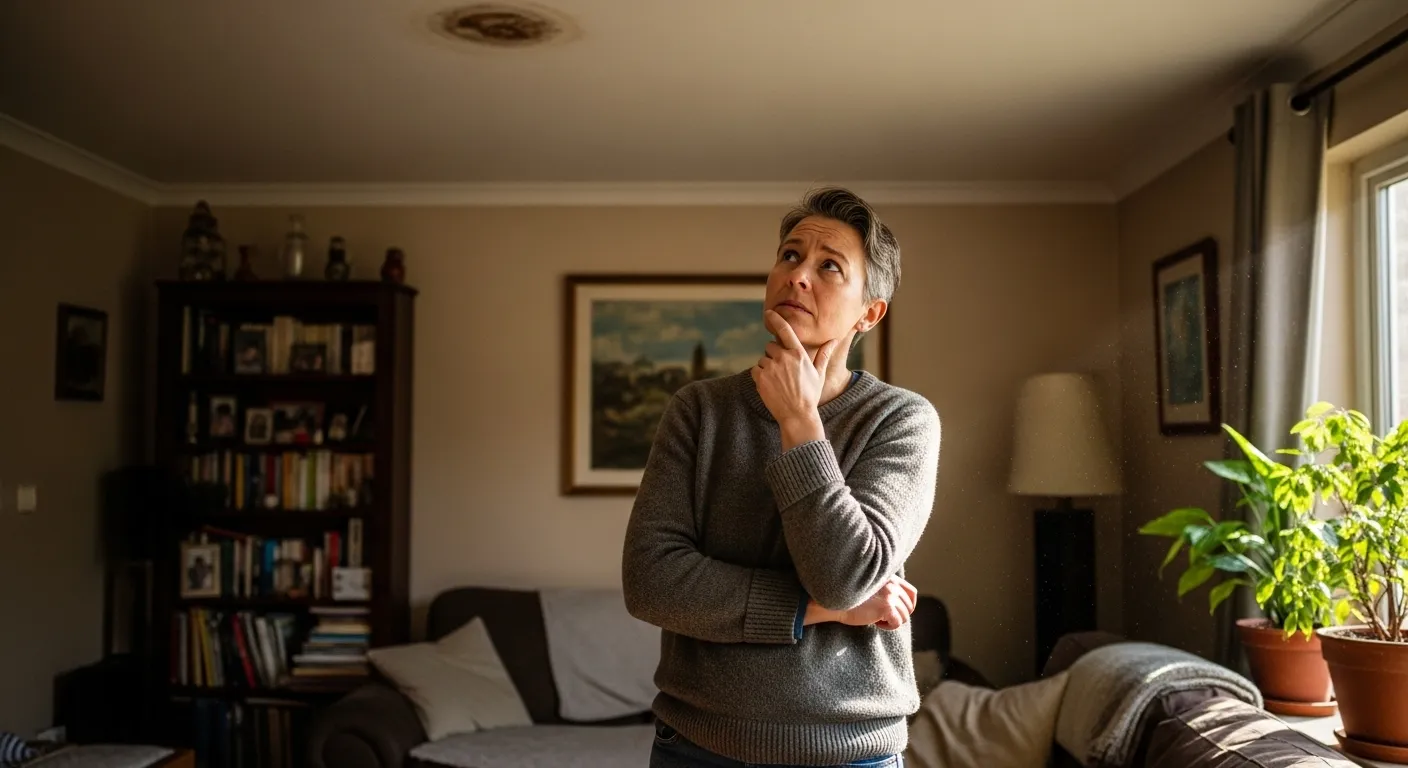
If you’ve discovered mold in your home, one of the first questions you might ask is: does mold remediation work, and is it worth the cost? Many homeowners worry about spending money on a service that may only temporarily solve the problem. The good news is that mold remediation can be highly effective when it’s done correctly by trained professionals.
In this guide, we’ll explain how mold remediation works, how effective it is, when it may fail, and how homeowners can prevent mold from returning. Worried about mold in your home? If you’re in Long Island or Brooklyn, our experienced mold remediation specialists can inspect your property and provide safe, professional solutions.
Schedule Your Free Mold Inspection Today and Protect Your Home and Family!
What Is Mold Remediation?
Mold remediation is the professional process of identifying, containing, and removing mold growth from a home or building while addressing the moisture issues that allowed it to develop. Unlike basic cleaning, remediation focuses on controlling mold at its source and preventing it from spreading to other areas of the property.
The mold remediation process typically begins with a detailed inspection to locate mold colonies and determine how far the contamination has spread. Once the affected areas are identified, specialists use containment methods and specialized equipment processes designed to safely remove mold while preventing it from spreading to other areas of the home.
Because mold spores are microscopic and easily airborne, remediation requires specialized equipment, containment methods, and careful cleaning procedures. While the exact steps may vary depending on the severity of the mold problem, most professional remediation projects follow a similar sequence. From inspection and containment to removal, cleaning, and moisture control.
Step 1: Mold Inspection and Assessment
The first step in mold remediation is a thorough inspection of the property. Professionals look for visible mold growth, signs of water damage, and areas where moisture may be trapped.
During this stage, technicians identify the source of the mold problem, such as leaks, high humidity, or poor ventilation. In some cases, air quality testing may also be performed to measure mold spore levels inside the home.
Step 2: Containment of the Mold Area
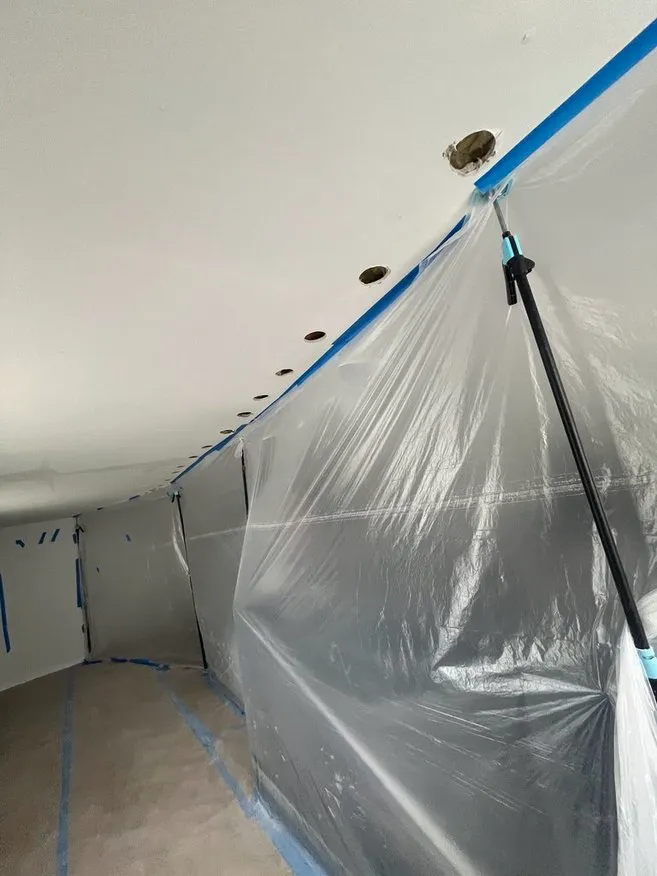
Once mold is confirmed, the affected area is sealed off to prevent spores from spreading to other parts of the home. Remediation specialists often use plastic containment barriers and advanced equipment to isolate the contaminated space.
Many professionals also create negative air pressure within the contained area. This helps ensure that airborne mold spores are pulled into filtration systems rather than escaping into the rest of the house.
Step 3: Air Filtration
Air filtration is an important part of controlling airborne mold spores during the remediation process. Specialists typically use HEPA filtration systems, which are designed to capture microscopic particles from the air.
These high-efficiency filters help remove mold spores, dust, and other contaminants, improving indoor air quality during and after the cleanup process.
Step 4: Removing Mold-Infested Materials
Some materials cannot be fully cleaned once mold has deeply penetrated them. In these situations, contaminated materials must be safely removed and discarded. Common materials that may require removal include drywall, carpeting, and insulation that have absorbed moisture and mold growth. Removing these materials helps eliminate hidden mold colonies that could continue spreading if left untreated.
Step 5: Cleaning and Sanitizing Surfaces
Some materials cannot be fully cleaned once mold has deeply penetrated them. In these situations, contaminated materials must be safely removed and discarded. Common materials that may require removal include drywall, carpeting, and insulation that have absorbed moisture and mold growth. Removing these materials helps eliminate hidden mold colonies that could continue spreading if left untreated.
Step 6: Drying and Moisture Control
The final stage of mold remediation focuses on drying the affected areas and correcting the moisture conditions that allowed mold to grow. Industrial drying equipment, dehumidifiers, and improved ventilation may be used to remove excess moisture from the environment.
Addressing moisture issues is critical because mold thrives in damp conditions. By keeping humidity levels under control and repairing leaks or water damage, homeowners can significantly reduce the risk of mold returning.
Situations Where Mold Remediation Might Fail
In a word, very. As a matter of fact, since mold remediation contractors attack mold at the source, and most homeowners are inclined to just spray it with something and clean up the visible mold, mold remediation is WAY more effective than any DIY you can attempt unless you have a sound understanding of how mold travels from place to place, and what it does to organic materials.
By combining containment, filtration, removal, and moisture control, remediation helps ensure that mold is properly treated rather than temporarily covered up.
- Eliminates Active Mold Growth
- Improves Indoor Air Quality
- Prevents Mold From Spreading
- Protects Home Structure
This process helps protect the structural integrity of the home and prevents more costly repairs in the future.
Situations Where Mold Remediation Might Fail
While mold remediation is generally effective, there are situations where mold can return or continue to grow. In most cases, this happens when the underlying cause of the mold problem is not fully addressed. Understanding these risks can help homeowners take the right steps to ensure long-term results.
- Moisture Problems Not Fixed: Moisture is the primary cause of mold growth. If leaks, humidity issues, or water damage are not repaired during remediation, mold can easily return. Addressing the source of moisture is one of the most important parts of preventing future mold problems.
- DIY Remediation Mistakes: Some homeowners attempt to clean mold using household products without properly containing the affected area. Unfortunately, disturbing mold without containment can release spores into the air and spread contamination to other parts of the house. Professional remediation uses specialized equipment to control airborne spores and prevent this type of spread.
- Incomplete Mold Removal: If contaminated materials are not fully removed or properly cleaned, hidden mold colonies may remain behind. Over time, these colonies can grow again and cause the mold problem to reappear. A thorough inspection and proper removal process help reduce this risk.
- Hidden Mold in Walls or HVAC Systems: Mold is not always visible. It can grow behind walls, under flooring, or inside HVAC systems where moisture is present. If these hidden areas are not inspected and treated, mold may continue to spread even after remediation appears complete. Professional inspections often help identify these hidden sources.
How Long Mold Remediation Lasts
When mold remediation is performed correctly, the results can last indefinitely. In many cases, mold will not return as long as the environmental conditions that caused the problem are properly controlled.
The most important factor is moisture management.
Mold thrives in damp environments, so maintaining proper humidity levels and repairing leaks quickly can prevent future growth. If high humidity, plumbing leaks, or water intrusion problems return, mold can develop again. This is why long-term prevention focuses on keeping the home dry and well ventilated.
Signs Mold Remediation Was Successful
After remediation is completed, there are several indicators that the process worked and the mold problem has been properly addressed. These signs help confirm that mold growth has been removed and indoor conditions have improved.
- No Musty Odor: One of the most common signs of mold is a persistent musty smell. After successful remediation, this odor should be gone or significantly reduced.
- No Visible Mold Growth: Surfaces that previously showed mold growth should appear clean and free of discoloration or spotting. Continued monitoring can help ensure mold does not return.
- Improved Air Quality: Many homeowners notice fewer allergy symptoms and better indoor air quality once mold spores have been removed from the environment.
- Moisture Issues Resolved: Successful remediation also addresses the underlying moisture problems. When leaks are repaired, humidity levels are controlled, and ventilation improves, the home becomes far less likely to develop mold again.
When You Should Hire a Mold Remediation Company
Mold problems can range from minor surface growth to widespread infestations that pose serious health and structural risks. Knowing when to call in professionals is crucial because improper handling can make the problem worse. Mold remediation specialists have the training, equipment, and experience to remove mold safely and effectively.
You should consider hiring a professional if:
- Mold Covers More Than 10 Square Feet: Larger infestations require containment and specialized removal.
- Mold is Inside HVAC Systems: Spores can travel through your home if ductwork is contaminated.
- Your Home Has Experienced Water Damage or Flooding: Excess moisture often leads to hidden mold behind walls and under floors.
- You or Your Family Are Experiencing Health Symptoms from Mold Exposure: Respiratory issues, allergies, or asthma flare-ups are warning signs.
How to Prevent Mold in the First Place
Preventing mold from returning is just as important as removing it. Once your home has been remediated, ongoing moisture control and regular inspections are key to keeping it mold-free.
- Control Humidity Levels: Keep indoor humidity below 50% using dehumidifiers or air conditioning, especially in basements, bathrooms, and other damp areas.
- Fix Leaks Immediately: Promptly repair plumbing leaks, roof damage, or any sources of water intrusion to stop mold from regrowing.
- Improve Ventilation: Ensure bathrooms, kitchens, and basements are properly ventilated. Exhaust fans, open windows, and air circulation reduce moisture buildup.
- Regular Mold Inspections: Periodically check hidden areas such as under sinks, behind appliances, or inside HVAC ducts. Early detection prevents mold from spreading.
Does Mold Remediation Work: Final Thoughts
Mold remediation is highly effective when handled by trained professionals. The key to long-term success is addressing the underlying moisture issues that allow mold to thrive. Early intervention not only safeguards your health but also prevents costly damage to your home. A professional remediation approach, combined with ongoing prevention, ensures that mold stays under control and your indoor environment remains safe.
Frequently Asked Questions About Mold Remediation
Is mold remediation worth the cost?
Yes. Professional mold remediation protects your health, prevents structural damage, and removes mold safely, making it a worthwhile investment for homeowners.
Can mold come back after remediation?
Mold can return if moisture issues, leaks, or high humidity are not addressed. Long-term prevention is key to keeping mold from regrowing.
How long does mold remediation take?
Most residential projects take between a few days and one week, depending on the size of the affected area and severity of contamination.
Do air purifiers remove mold spores?
HEPA air purifiers can reduce airborne spores but cannot eliminate active mold colonies. Professional remediation is required for visible or hidden mold.
Is mold remediation permanent?
Mold remediation removes active growth and reduces spores to safe levels, but ongoing moisture control is necessary to prevent future mold.
What is the difference between mold remediation and mold removal?
Mold remediation focuses on safely removing active mold and addressing moisture issues, while complete mold removal is impossible because spores are naturally present in all environments.
When should I hire a professional mold remediation company?
Call a professional if mold covers more than 10 square feet, is inside HVAC systems, follows water damage or flooding, or causes health symptoms.
Can I do mold remediation myself?
Small surface mold may be cleaned safely, but larger infestations require professionals to contain spores, remove contaminated materials, and prevent spread.
Does mold remediation improve indoor air quality?
Yes. By removing active mold colonies, cleaning surfaces, and filtering airborne spores, remediation can significantly improve indoor air quality.
How can I prevent mold after remediation?
Maintain humidity below 50%, fix leaks promptly, improve ventilation, and conduct regular inspections to prevent mold from returning.