
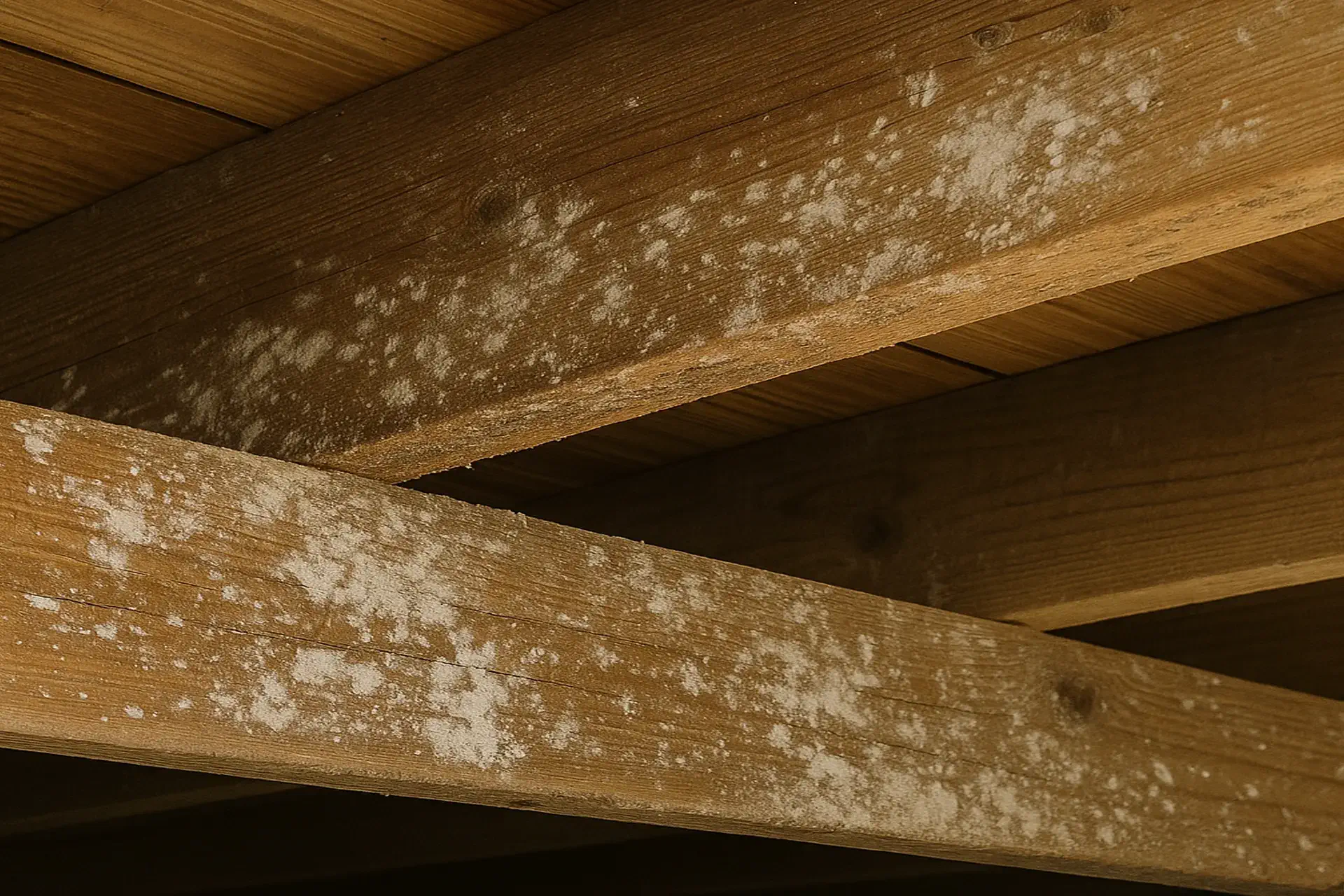
If you’ve discovered mold in your crawl space, the first question is simple: what does crawl space mold removal cost? In 2025, the average cost of professional crawl space mold removal in the U.S. ranges between $1,500 and $4,000, with severe cases reaching $6,000 to $10,000+ depending on the size of the area, the type of mold present, and how deeply the contamination has spread into structural materials. Most contractors charge $15-$30 per square foot for crawl space mold remediation.
This guide breaks down exactly what affects crawl space mold removal costs, what’s included with the service, and how to avoid overpaying, so you can make a smart, informed decision for your home. We’ll also give you some prevention tips and a checklist to give to your contractor to make sure they cover everything.
Get Your Free Crawl Space Mold Inspection!
The Dangers of Mold to Your Health
Mold releases microscopic spores and toxic byproducts into the air that enter the body through the nose, mouth, and lungs. Once inside, these particles can trigger chronic inflammation, disrupt normal immune function, and place constant stress on the respiratory system. Over time, this exposure can affect breathing, cognition, skin, and overall energy levels, especially in children, the elderly, and those with weakened immune systems.
Certain molds, including black mold, can produce mycotoxins that circulate through the bloodstream. These toxins have been linked to neurological symptoms, chronic fatigue, mood changes, and recurring illness that often mimics allergies or the flu. Many people live with these symptoms for months without realizing the true source is inside their home.
Health Risks Include:
- Chronic Coughing
- Shortness Of Breath
- Sinus Infections
- Asthma Attacks
- Headaches
- Brain Fog
- Memory Problems
- Skin Rashes
- Nausea
- Fatigue
The Dangers of Mold to Your Home’s Structure
Mold doesn’t sit on surfaces, it feeds on them. Once moisture is present, mold begins breaking down organic materials such as wood, drywall, insulation, and subflooring. As it consumes these materials at a microscopic level, it weakens the very components that hold your home together.
Over time, a once-solid beam can become soft and unstable, floors can begin to sag, and walls can lose their integrity. What starts as a small hidden moisture issue can quietly evolve into major structural damage requiring extensive and expensive repairs.
Structural Risks Include:
- Weakening Of Floor Joists
- Rotted Wooden Beams
- Sagging Floors
- Soft Or Crumbling Drywall
- Compromised Insulation
- Wall Deformation
- Ceiling Damage
- Electrical System Corrosion
- Structural Instability
- Reduced Property Value
Signs You Need Crawl Space Mold Removal
Mold in a crawl space often develops out of sight, but the warning signs show up throughout your home. If your air, floors, or humidity levels seem off, your crawl space may already be affected.
Visual Warning Signs:
- Visible Mold On Floor Joists
- Visible Mold On Insulation
- Visible Mold On Vapor Barrier
- Discoloration On Wood Surfaces
- White Fuzzy Growth
- Green Fuzzy Growth
- Black Fuzzy Growth
Odor & Air Quality Indicators:
- Musty Odor From Crawl Space
- Musty Odor On First Floor
- Increased Allergy Symptoms
- Worsening Asthma
- Respiratory Irritation
Structural & Environmental Clues:
- Warped Floor Joists
- Soft Or Rotted Wood
- High Indoor Humidity (>50%)
- Water Stains
- Efflorescence
- Previous Flooding
- Plumbing Leaks
- Poor Crawl Space Ventilation
Long Island, Brooklyn, and Queens Homeowners… Don’t Let Mold Worry You! Schedule a Professional Assessment Free Now!

Benefits of Professional Crawl Space Mold Removal
Professional mold remediation goes far beyond surface-level cleaning. Certified specialists safely contain and remove contamination, prevent cross-contamination throughout the home, and address the underlying moisture source to stop mold from returning. Proper remediation also improves indoor air quality, protects structural integrity, and supports long-term property value. In many cases, insurance documentation and post-remediation verification are included for peace of mind.
Key Benefits:
- Complete Mold Removal
- Improved Indoor Air Quality
- Moisture Source Elimination
- Structural Protection
- Health Risk Reduction
- Prevents Regrowth
- Professional Verification
Get Your Free Mold Assessment!
Crawl Space Mold Removal Cost by Size and Square Footage
Crawl space mold removal pricing is primarily influenced by the total square footage affected, the severity of the growth, and the method required to safely remove and prevent it from returning. Most homeowners will encounter either surface-level treatments or more involved structural remediation. The table below gives a clear, national cost snapshot, including average cost per square foot.
Crawl Space Mold Removal Cost (By Size)
| Crawl Space Size | Average Total Cost | Average Cost Per Sq. Ft. |
|---|---|---|
| Small (100–300 sq ft) | $1,500 – $2,500 | $15 – $25 / sq ft |
| Medium (300–600 sq ft) | $2,500 – $4,000 | $15 – $30 / sq ft |
| Large (600–1,000 sq ft) | $4,000 – $6,000 | $20 – $30 / sq ft |
| Severe / Multi-Room / Structural | $6,000 – $10,000+ | $25 – $40+ / sq ft |
Crawl Space Mold Removal Cost By Method
The method used to remove mold plays a major role in the final price. Some situations allow for surface treatment only, while others require aggressive removal, structural repair, or full material replacement.
| Removal Method | Best Used For | Average Cost Range |
|---|---|---|
| HEPA Vacuum + Antimicrobial Treatment | Light to moderate surface mold | $1,500 – $4,000 |
| Dry Ice / Media Blasting | Heavy mold on structural wood | $4,000 – $10,000 |
| Insulation Removal & Replacement | Mold-contaminated or wet insulation | $1,500 – $3,700 |
| Structural Wood Repair / Replacement | Rotted or load-invalid beams & joists | $3,000 – $12,000+ |
| Full Remediation + Encapsulation | Severe, recurring, moisture-heavy environments | $6,000 – $15,000+ |
DIY vs. Professional Crawl Space Mold Removal
Wondering whether you can handle crawl space mold on your own or if it’s time to call a pro? These points outline when DIY may work, and when professional remediation is the safer, smarter choice.
When DIY Might Be Appropriate
- EPA 10-Square-Foot Rule
- DIY Cost Range: $50-$300
- N95 Mask Required
- Gloves Required
- Goggles Required
- Disposable Suit Required
- Basic Cleaning Steps
- When DIY Becomes Dangerous
Why Professional Remediation Is Worth The Investment
- Health And Safety Protections
- Proper Containment
- Root Cause Correction
- Post-Remediation Verification
- Insurance Claim Support
- Work Warranty
- IICRC-Certified Technicians
- EPA Lead-Safe Certified
Cost Comparison Factors:
- DIY Supplies
- Equipment Rental
- Disposal Fees
- Time Investment
- Risk And Liability
How To Save Money On Crawl Space Mold Removal
Strategic planning and prevention can significantly reduce long-term costs. These steps help you lower your initial investment and protect your home from repeat expenses.
Insurance Coverage For Crawl Space Mold
- Covered: Sudden Pipe Bursts
- Covered: Appliance Leaks
- Excluded: Neglect
- Excluded: Long-Term Moisture
- Excluded: Flooding Without Flood Insurance
- Mold Claim Filing Steps
- Required Documentation
Bundling Services For Cost Savings:
- Mold Removal + Encapsulation
- Inspection + Remediation Packages
- Multi-Service Discounts
Seasonal Pricing Considerations:
- Off-Season Scheduling
- Emergency Service Rates
- Peak Spring/Summer Demand
- Post-Snowmelt Moisture Risks
Financing & Payment Options:
- Payment Plans Available
- Home Equity Line Of Credit
- Financing Program
- Split Payments
Preventing Future Mold Growth
- Routine Maintenance Schedule
- Dehumidification Systems
- Ventilation Upgrades
- Moisture Monitoring
Understanding The Crawl Space Mold Removal Process
Professional remediation is a structured, standards-based system designed to eliminate active contamination, correct the moisture source, and prevent mold from returning. Crawl spaces are confined, humid environments that require specialized containment and treatment methods to avoid spreading spores throughout the home.
Each step in the process builds on the previous one to ensure complete removal, verified clearance, and long-term protection. Understanding how the process works helps homeowners recognize the value of professional remediation and what to expect from start to finish.
Process Overview (One List):
- Step 1: Inspection & Testing ($300–$700): Technicians perform a full visual inspection, take moisture readings, collect air and surface samples, and use thermal imaging when needed to identify contamination and hidden moisture sources.
- Step 2: Containment & Safety Setup: Plastic barriers, negative air machines with HEPA filtration, full PPE, and HVAC isolation are used to prevent spores from spreading to clean areas of the home.
- Step 3: Mold Removal & Cleaning: Active mold is removed using HEPA vacuuming, wire brushing, or media blasting when necessary, followed by antimicrobial treatment and safe disposal of contaminated materials.
- Step 4: Source Correction: Moisture sources are identified and repaired through leak fixes, drainage improvements, ventilation upgrades, and vapor barrier repair or installation to prevent future mold growth.
- Step 5: Post-Remediation Verification: Clearance testing, air quality verification, and visual inspection confirm successful removal, with documentation provided for insurance, resale, or homeowner records.
Questions To Ask Before Hiring A Crawl Space Mold Removal Company
Choosing the right contractor is one of the most important decisions in the remediation process. Experience, licensing, procedures, and transparency directly affect the quality and safety of the work. Asking the right questions helps you avoid unqualified companies and protects your investment. Use the checklist below to evaluate any contractor before signing a contract.
Hiring Checklist:
- Do you have a New York State Mold Remediation License?
- Are your technicians IICRC certified?
- Are you EPA Lead-Safe certified for older homes?
- Can you provide proof of general liability insurance?
- Do you carry workers’ compensation coverage?
- How many years have you been in business?
- How much crawl space–specific experience do you have?
- Have you completed projects in Long Island?
- Can you show recent customer reviews or references?
- Do you follow IICRC S520 standards for mold remediation?
- What containment and HEPA filtration methods do you use?
- How do you dispose of contaminated materials?
- Is post-remediation verification testing included?
- Will I receive a detailed, written estimate?
- Will the cost breakdown be fully itemized?
- How do you handle change orders or unexpected issues?
- What is the payment schedule?
- Do you offer a warranty or guarantee on your work?
Why Choose Mold Removal Experts For Your Crawl Space?
Crawl space mold is a structural, environmental, and health concern that requires specialized remediation. If you live in a humid climate, coastal conditions, and older housing stock, these create the perfect environment for hidden mold growth to thrive below the home. Without the right expertise, it’s easy to treat symptoms without addressing the root moisture problem, leading to repeat contamination and higher costs. That’s why choosing a licensed, highly-experienced local specialist makes all the difference in achieving a long-term solution.
Long Island’s Trusted Mold Remediation Specialists
- Years Of Local Experience
- A+ BBB Rating
- 5-Star Google Reviews
- Licensed And Insured In New York
Comprehensive Crawl Space Solutions
- Mold Removal
- Encapsulation
- Waterproofing
- Structural Repairs
- Ongoing Maintenance Programs
Still Confused About Crawl Space Mold Removal Cost? Get Your Free Crawl Space Mold Inspection Today
If you suspect mold in your crawl space, waiting will only allow the problem to spread further into your home’s structure and air supply. An early inspection gives you clarity, documentation, and a clear plan of action before minor contamination turns into major damage. Whether you’ve noticed musty odors, allergy symptoms, or visible mold, professional mold testing can confirm the problem and outline the exact next steps. A free inspection removes the guesswork and gives you immediate insight into the health of your home.
Don’t Let Mold in Your Long Island Home Worry You! Contact Us for a Free Inspection Today!
Frequently Asked Questions About Crawl Space Mold Removal Cost
Is Crawl Space Mold Removal Covered By Homeowners Insurance?
Sometimes, but only when the mold is caused by a sudden, accidental event that the policy already covers, such as a burst pipe or appliance leak. Mold caused by long-term moisture, poor ventilation, flooding, or neglect is usually excluded. The key factor is whether the damage was sudden and unavoidable versus ongoing and preventable.
How Much Does Crawl Space Mold Testing Cost On Long Island?
Most crawl space mold inspections on Long Island range between $300 and $900, depending on how extensive the testing needs to be. Larger spaces and properties with a history of flooding or water damage often require more samples, which can increase the total cost.
What Is The Average Cost To Encapsulate A Crawl Space After Mold Removal?
Crawl space encapsulation typically costs $1,200 to $15,000+ on Long Island, depending on the size of the space and moisture conditions. Homes near coastal or flood-prone areas often fall on the higher end due to added moisture control requirements.
How Long Does Crawl Space Mold Removal Take?
Most crawl space mold removal projects take 1 to 10 days from start to finish. The size of the space, severity of contamination, and whether structural repairs or drying time are needed all affect the final timeline.
Can I Stay In My Home During Crawl Space Mold Removal?
In many cases, yes, especially if proper containment systems are used and the mold is limited to the crawl space. However, people with compromised immune systems, respiratory conditions, or severe contamination may need to temporarily relocate for safety.
How Do I Know If The Mold Removal Was Successful?
Success is confirmed through post-remediation verification, which includes a visual inspection and air quality testing. You should also receive documentation showing that mold levels are back to safe, normal ranges.
What Happens If Mold Comes Back After Remediation?
If mold returns, it usually means the underlying moisture problem was not fully resolved. A reputable contractor will identify the root cause and correct it, often under a warranty or follow-up service agreement.
Is Black Mold In A Crawl Space Dangerous?
Yes. Black mold can release toxic compounds called mycotoxins that may contribute to respiratory issues, fatigue, headaches, and other long-term health problems. Prolonged exposure, especially in confined spaces like crawl spaces, increases the risk.
Should I Buy A House With Mold In The Crawl Space?
Only if a professional inspection is completed and the cost of remediation is accounted for in the purchase agreement. Mold in a crawl space should always be treated as a structural and environmental liability, not a minor cosmetic issue.
Does Crawl Space Mold Removal Increase Home Value?
Yes. Proper mold removal and moisture control make a home safer, more desirable, and easier to sell. In most cases, remediation and encapsulation improve both resale value and buyer confidence.