
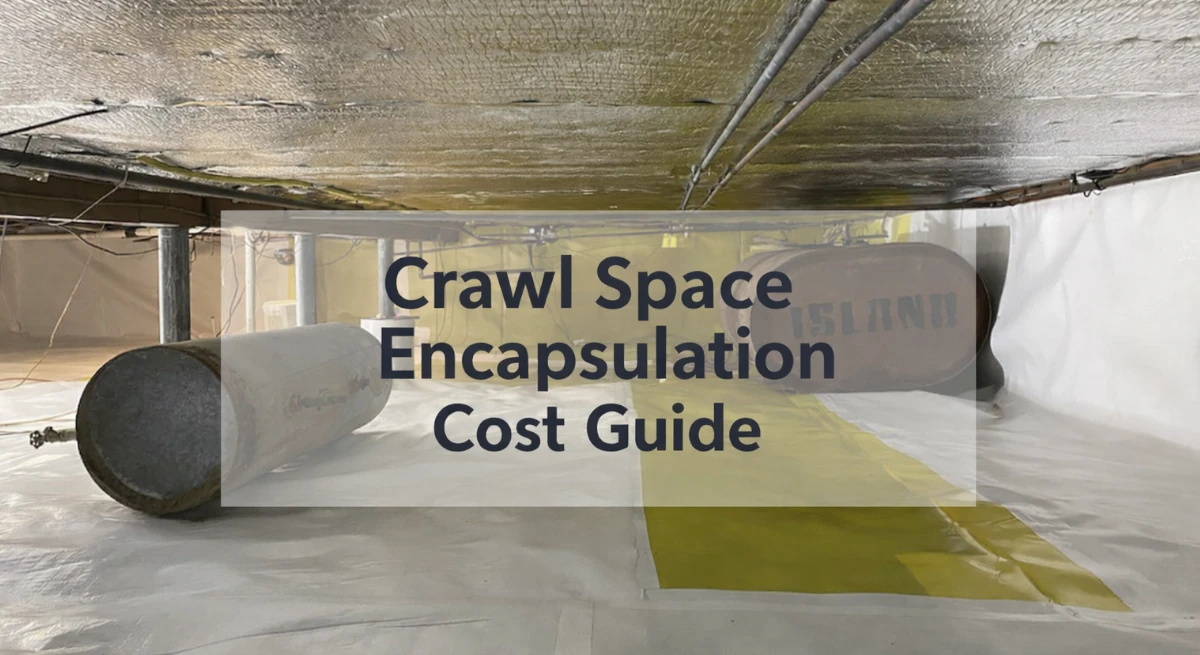
Understanding crawl space encapsulation pricing can be confusing for many homeowners because the cost varies widely from one property to another. Crawl spaces differ in size, moisture levels, drainage conditions, and insulation requirements, all of which influence the final project price. A space with standing water or ventilation issues, for example, may require additional drainage or humidity control before encapsulation can be installed properly.
While pricing can vary, crawl space encapsulation is widely considered one of the highest-value upgrades for improving comfort, indoor air quality, and long-term structural protection. A properly installed system helps control moisture, reduce mold risk, and stabilize the environment beneath the home.
Get A Free Crawl Space Inspection!
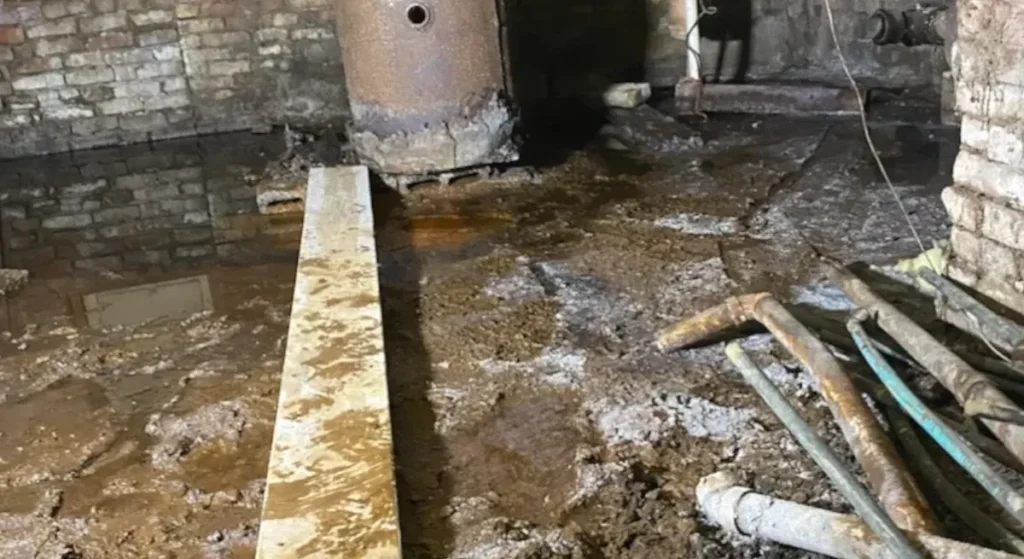
Signs Your Crawl Space Needs Encapsulation
Many homeowners do not realize crawl space problems exist until symptoms appear inside the home. Moisture issues beneath the house can affect air quality, flooring temperatures, and even structural stability. Recognizing early warning signs can help homeowners address crawl space problems before they become more serious and expensive to repair.
Encapsulation is often recommended when crawl spaces show persistent moisture, mold growth, or airflow problems that affect the living space above.
- Musty Odors In The Home $20
Persistent damp or earthy smells often originate from moisture in the crawl space.
- Cold Floors $9
Unsealed crawl spaces allow cold air to circulate beneath flooring.
- High Indoor Humidity $32
Excess crawl space moisture can raise humidity levels inside the home.
- Mold In The Crawl Space $32
Visible mold growth indicates ongoing moisture issues.
- Standing Water $32
Water accumulation suggests drainage or groundwater problems.
- Pest Activity $32
Open crawl spaces attract rodents, insects, and other pests.
Benefits of Crawl Space Encapsulation Are Hard to Miss!
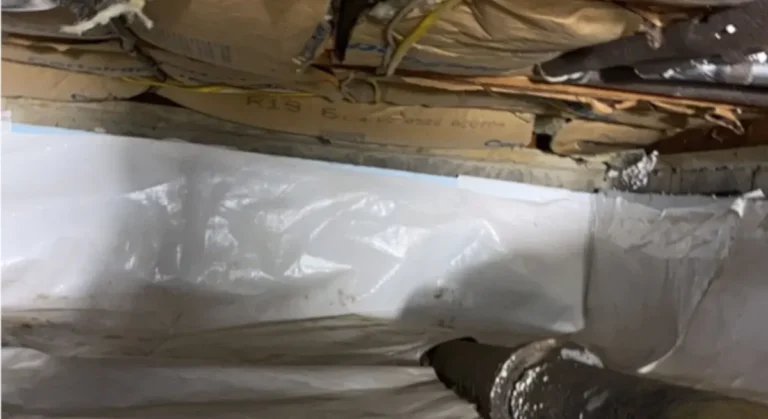
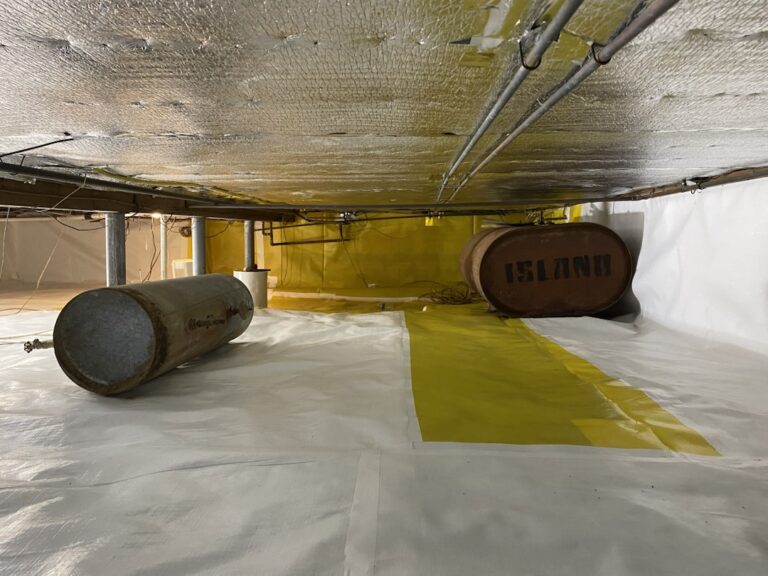
Although crawl space encapsulation requires an upfront investment, the long-term benefits often outweigh the initial cost. A sealed crawl space reduces moisture levels beneath the home, which helps prevent structural damage and improves the indoor environment. Because up to half of the air inside a home can originate from the crawl space, controlling this space can significantly affect comfort and air quality.
Encapsulation also improves the efficiency of heating and cooling systems by stabilizing temperatures below the floor. Over time, these improvements can reduce energy costs and protect the home from expensive moisture-related repairs.
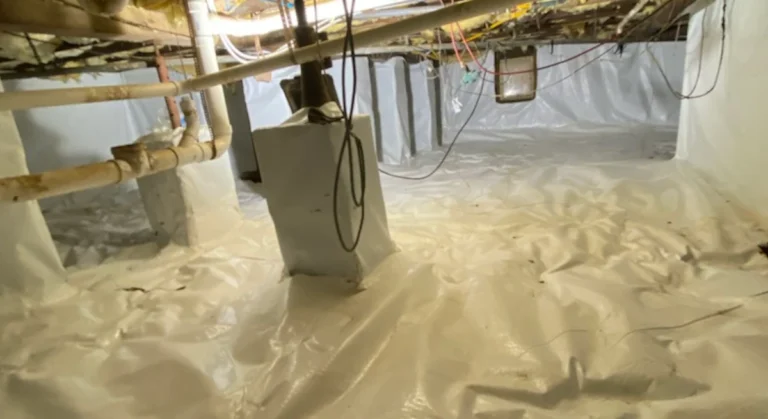
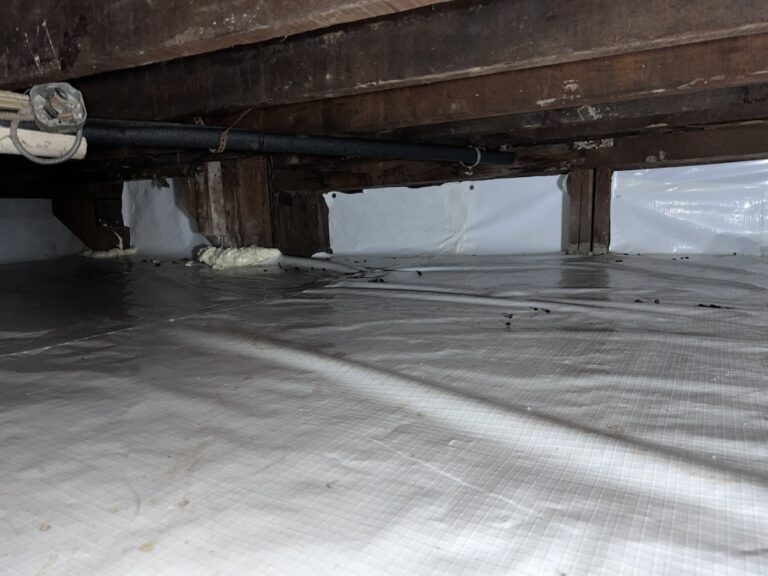
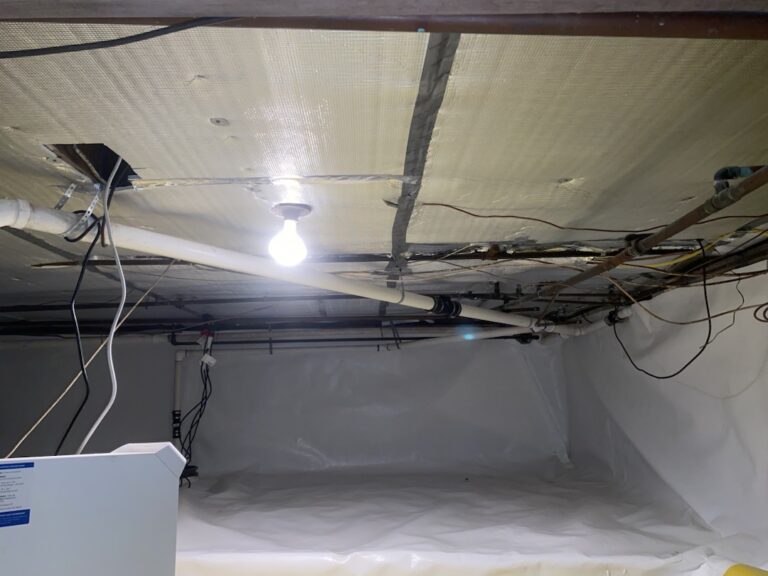
Lower Energy Bills
A sealed crawl space reduces temperature fluctuations and HVAC workload.
Improved Indoor Air Quality
Moisture control helps prevent mold spores and musty odors from entering the home.
Way Less Risk of Mold
Crawl space encapsulation gives you lower humidity levels, making mold growth far less likely.
Warmer Floors In Winter
Encapsulation helps maintain more consistent temperatures under the home.
Professional encapsulation systems also provide an added layer of protection for the home’s structure. By controlling moisture levels beneath the house, encapsulation helps protect wood framing, floor joists, and other structural supports from rot, warping, and long-term deterioration. When combined with improved air quality, lower energy use, and reduced mold risk, these benefits make crawl space encapsulation a smart long-term investment for many homeowners.
Schedule Your Free Crawl Space Encapsulation Assessment Today!
What’s Included In A Crawl Space Encapsulation System
Many homeowners assume crawl space encapsulation simply means laying plastic on the ground, but a proper system involves several components working together to control moisture and air movement. Encapsulation is designed to seal the crawl space from outside humidity while managing moisture that originates from the soil or the home itself. This controlled environment helps prevent mold growth, wood rot, and air quality issues throughout the house.
A professional encapsulation system typically includes moisture barriers, air sealing, humidity control, and sometimes drainage improvements. Each component addresses a different source of moisture or air infiltration to create a stable and dry crawl space environment beneath the home.
- Heavy Vapor Barrier $20
A thick, reinforced liner installed across the crawl space floor and often along the walls. This barrier blocks ground moisture from evaporating into the crawl space.
- Air Sealing $9
Unsealed crawl spaces allow cold air to circulate beneath flooring.
- Drainage Solutions $32
Some crawl spaces require sump pumps or interior drainage systems to manage groundwater or standing water.
- Dehumidification $32
A crawl space dehumidifier maintains consistent humidity levels to prevent condensation and mold growth.
- Insulation Improvements $32
Foundation walls or rim joists are often insulated to improve energy efficiency and stabilize temperatures.
Factors That Affect Crawl Space Encapsulation Cost
Crawl space encapsulation prices vary because every crawl space has different conditions. Two homes with similar square footage can still have very different project costs depending on moisture problems, structural conditions, and the complexity of the installation. Understanding these factors helps homeowners see why estimates can differ significantly between properties.
Contractors evaluate several conditions during an inspection to determine the final project scope. The more moisture control or repairs required, the higher the overall encapsulation cost may be.
- Crawl Space Size: Larger crawl spaces require more vapor barrier material, labor, and sealing work.
- Moisture Conditions: High humidity, condensation, or standing water often require additional moisture control measures.
- Drainage Needs: Interior drainage systems or sump pumps increase installation complexity and cost.
- Existing Damage: Mold, wood rot, or pest damage may require structural repairs before encapsulation begins.
- Insulation Upgrades: Adding insulation or improving air sealing can expand the scope of the project.
Average Crawl Space Encapsulation Cost
| Crawl Space Size | Typical Price Per Square Foot | Estimated Project Cost |
|---|---|---|
| Small (500–1,000 sq ft) | $8 – $15 per sq ft | $5,000 – $10,000 |
| Medium (1,000–1,800 sq ft) | $8 – $14 per sq ft | $8,000 – $15,000 |
| Large (1,800–2,500+ sq ft) | $8 – $12 per sq ft | $12,000 – $20,000+ |
Crawl space encapsulation costs vary widely because every home has different conditions beneath the structure. Instead of focusing on a single price, most contractors estimate projects based on the size of the crawl space and the work required to control moisture and seal the area. The table above outlines typical price ranges per square foot along with the project totals homeowners often see for small, medium, and large crawl spaces.
For most homes, encapsulation projects fall somewhere in the mid-range of these estimates, though the final price can increase when additional systems are needed. Drainage improvements, sump pumps, dehumidifiers, insulation upgrades, or repairs to damaged materials can all affect the scope of the project. Because of these variables, professional inspections are usually required to determine the exact cost for a specific property.
Get A Crawl Space Quote!
Cheap Encapsulation Vs Proper Encapsulation
Homeowners often notice large differences between encapsulation quotes, and those differences usually come down to system quality. Some contractors offer very low prices by installing thin plastic or skipping critical components such as drainage or humidity control. While these installations may appear similar at first, they often fail to control moisture long term.
| Cheap Systems | Professional Systems |
|---|---|
| Thin plastic liner | Reinforced vapor barrier |
| No drainage system | Integrated drainage solutions |
| No humidity control | Dedicated dehumidification |
| Short lifespan | Long-term durability |
A professionally installed encapsulation system is designed to manage moisture sources rather than simply covering them. When done correctly, it creates a sealed and controlled environment that protects the home’s structure and indoor air quality. Encapsulation installed incorrectly can actually trap moisture and worsen mold or wood damage instead of preventing it.
How Crawl Space Encapsulation Is Installed
Professional crawl space encapsulation follows a structured process designed to control moisture and seal the space from outside air. Each step addresses a specific issue that could otherwise compromise the performance of the encapsulation system. Skipping steps or installing components in the wrong order can lead to moisture problems later.
During installation, contractors inspect the crawl space, correct drainage issues, install vapor barriers, and add humidity control equipment to maintain stable conditions.
Step #1
Crawl Space Inspection: Technicians evaluate moisture levels, structural conditions, and ventilation issues.
Step #2
Drainage Corrections: Standing water or groundwater intrusion is addressed using drainage systems or sump pumps.
Step #3
Vapor Barrier Installation: A reinforced liner is installed across the floor and walls to block ground moisture.
Step #4
Air Sealing: Vents, gaps, and openings are sealed to prevent humid outdoor air from entering.
Step #5
Dehumidifier Installation: A dedicated crawl space dehumidifier regulates humidity year-round.
Step #6
Final Humidity Testing: The system is tested to ensure humidity levels remain within safe ranges.
Crawl Space Encapsulation Cost: Final Thoughts
Every crawl space has unique moisture conditions, structural characteristics, and installation requirements. Because of these variables, the most accurate way to determine encapsulation cost is through a professional inspection. An inspection allows contractors to evaluate moisture levels, drainage needs, and structural factors that influence the final price.
A professional evaluation also helps identify potential problems early, preventing more expensive repairs later and ensuring the encapsulation system is designed for long-term performance.
Schedule A Crawl Space Inspection!
Frequently Asked Questions About Crawl Space Encapsulation Cost:
What Is The Average Crawl Space Encapsulation Cost?
Most crawl space encapsulation projects cost between $8 and $15 per square foot, depending on the size of the crawl space and the level of moisture control required. For many homes, total project costs typically fall between $5,000 and $15,000, though larger crawl spaces or homes with significant moisture problems may exceed this range.
Why Does Crawl Space Encapsulation Cost Vary So Much?
Encapsulation costs vary because every crawl space has different conditions. Factors such as crawl space size, moisture levels, drainage issues, insulation needs, and existing damage all influence the final price. Homes with standing water, mold, or structural repairs often require additional work before encapsulation can be installed.
Is Crawl Space Encapsulation Worth The Cost?
Many homeowners consider crawl space encapsulation a high-value upgrade because it improves energy efficiency, indoor air quality, and structural protection. By controlling moisture beneath the home, encapsulation can prevent mold growth, wood rot, and expensive long-term repairs.
What Does Crawl Space Encapsulation Include?
A professional encapsulation system typically includes a reinforced vapor barrier, air sealing, humidity control, and sometimes drainage improvements. Some systems also include sump pumps, crawl space dehumidifiers, or insulation upgrades to maintain stable moisture levels.
Can Crawl Space Encapsulation Lower Energy Bills?
Yes. Sealing the crawl space reduces temperature fluctuations beneath the home, which helps heating and cooling systems operate more efficiently. Many homeowners notice lower energy bills and improved comfort after encapsulation is installed.
How Long Does Crawl Space Encapsulation Last?
A properly installed crawl space encapsulation system can last 20 years or longer. High-quality vapor barriers and professional installation help ensure the system continues protecting the crawl space from moisture and humidity over time.
Does Crawl Space Encapsulation Improve Indoor Air Quality?
Encapsulation can significantly improve indoor air quality because it reduces moisture and prevents mold spores, dust, and musty odors from entering the home. Since a large portion of indoor air originates from the crawl space, controlling that environment can make a noticeable difference.
Will Crawl Space Encapsulation Prevent Mold?
Encapsulation helps greatly reduce the risk of mold growth by lowering humidity levels and blocking ground moisture. However, if mold is already present, it usually needs to be removed before encapsulation begins.
How Long Does Crawl Space Encapsulation Installation Take?
Most crawl space encapsulation projects take two to five days depending on the size of the crawl space and whether additional systems such as drainage or dehumidification are required. More complex installations may take longer.
Do I Need A Professional Inspection Before Encapsulation?
Yes. A crawl space inspection allows contractors to evaluate moisture levels, drainage issues, structural conditions, and ventilation problems. This inspection helps determine the exact encapsulation cost and the components needed to properly control moisture beneath the home.