
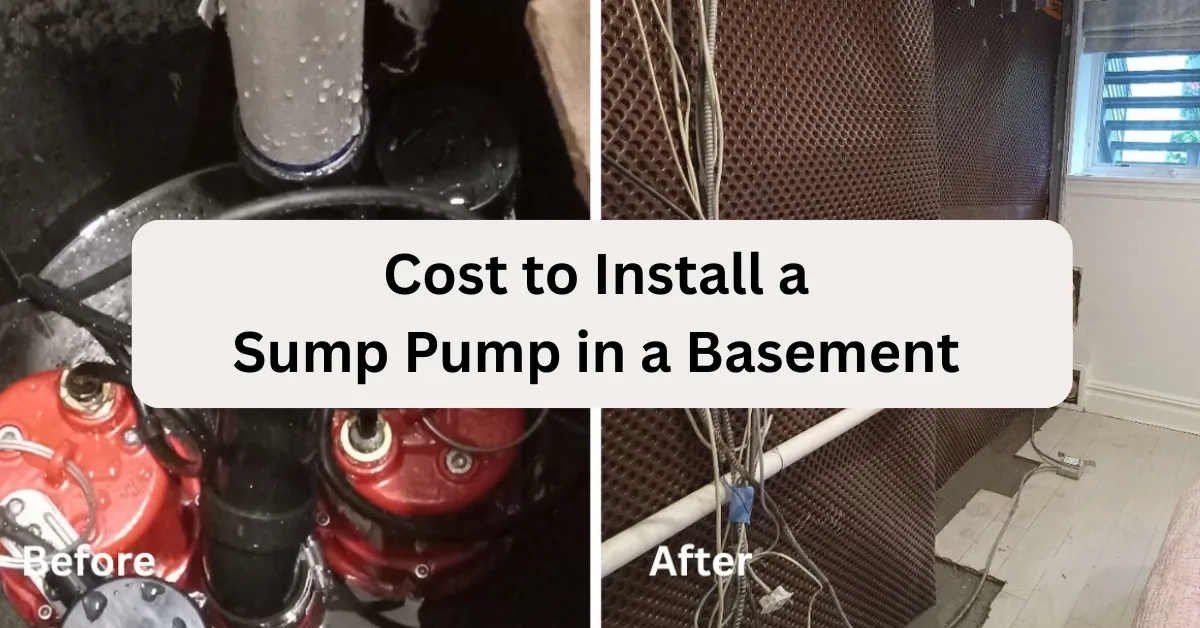
A sump pump collects groundwater beneath your foundation and pumps it away to relieve hydrostatic pressure that causes basement flooding. Most basements need one to manage rising water tables, heavy rain, and soil saturation. The cost to install a sump pump in a basement typically ranges from $800 to $3,000, with a national average around $1,500, and wide ranges are normal. This guide breaks down installation vs replacement costs, labor and equipment pricing, basement-specific scenarios, and how to get an accurate quote for your home.
If You’re in Long Island, Reach Out to Get a Free Detailed Quote Now!
| Install Type | Typical Cost Range |
|---|---|
| DIY Basic | $300–$800 |
| Pro Basic | $800–$1,800 |
| Pro Complex | $2,000–$3,000+ |
What homeowners usually pay: Most standard basement installations land between the DIY basic and pro basic ranges, depending on pit work and labor.
Average Cost to Install a Sump Pump in a Basement
The national average cost to install a sump pump in a basement is about $1,500 for a single primary pump with no interior drain tile system. Most standard basement installations fall between $800 and $3,000, depending on whether a pit already exists and how much concrete and excavation work is required.
Cost extremes to know about:
- Bare-Bones Install: Existing pit, nearby outlet, simple discharge line. These can stay under $1,000.
- Fully Engineered Install: New pit jackhammered into the slab, upgraded drainage, electrical work, and backup pump. These commonly exceed $2,500.
Basement installs cost more than crawl space installs because they require cutting and removing concrete, excavating a sump pit, and safely restoring the slab afterward.
“For a 1,000 sq ft home with no existing pit, our sump pump installation came in around $1,900 including concrete work and discharge piping.”
Sump Pump Cost Breakdown (Pump, Labor, and Extras)
Pump Unit Cost by Type
- Pedestal Sump Pump $100–$300: Lower cost and easier access, but louder and less powerful for basements with frequent water intrusion.
- Submersible Sump Pump $200–$600: Quieter, higher capacity, and longer lifespan, making it the most common choice for finished and unfinished basements.
- Combination Sump Pump System $700–$1,500: Includes a primary pump and backup in one unit; higher upfront cost but added protection during heavy storms or outages.
- Battery Backup Pump $300–$900: Provides temporary protection during power failures; adds cost but reduces flood risk significantly.
- Water-Powered Backup Pump $200–$500: Runs off municipal water pressure; reliable where allowed, but increases water usage and may not be permitted everywhere.
Dual pumps or combination systems are often recommended for basements with high water tables, finished living space, or a history of pump failure. These setups increase upfront cost but reduce the risk of catastrophic flooding.
Labor Cost to Install a Sump Pump
Labor costs typically range from $75 to $150 per hour, depending on who performs the work and the scope involved.
- Existing Pit Installs: Usually 1-3 hours of labor for pump replacement or simple installs, keeping labor costs relatively low.
- New Pit Installs: Often 4-8 hours of labor due to concrete cutting, excavation, pit installation, and slab repair, which drives total project cost higher.
Labor requirements are the biggest difference between replacement and new installation, and they explain why basement sump pump projects vary so widely in price even when using similar equipment.
Typical labor scope and time:
- Existing Pit Installs: Usually require minimal labor, with removal and replacement taking 1–3 hours in straightforward cases.
- New Pit Installs with Jackhammering and Excavation: Involve cutting concrete, digging, setting the basin, and restoring the slab, often taking 4-8 hours of labor.
Installation projects take longer than replacements because they include excavation and structural work, while replacements focus primarily on removing and reconnecting equipment.
Extra Components and Add-Ons
These components add cost, but they also increase reliability and reduce the risk of basement flooding during failures or extreme conditions.
- Sump Basin / Pit Liner: Helps contain water and protect the pump; costs vary based on size and material.
- Check Valve and Discharge Piping: Prevents water from flowing back into the pit and protects against freezing and backups.
- Battery Backup Systems: Provide temporary pumping power during outages when flood risk is highest.
- Alarms, Wi-Fi Monitoring, and Backup Power: Alert homeowners to pump failure or rising water before damage occurs.
These add-ons are about prevention and peace of mind, helping avoid cleanup, repairs, and mold issues that cost far more than the components themselves.
Factors That Affect the Cost to Install a Sump Pump in a Basement
Here’s what really moves the price from one home to the next:
- Basement finish level and concrete thickness
- Existing pit versus cutting a new pit
- Soil type and groundwater pressure
- Pump size, build quality, and warranty length
- Electrical upgrades or outlet relocation
- Discharge routing, exterior distance, and freeze protection
- Local labor rates, permits, and inspection requirements
Homes with finished basements, thick slabs, high water tables, and complex discharge routing tend to land at the higher end of pricing because the work takes longer and requires more protection and precision.
Basement-Specific Installation Scenarios and What They Cost
Installing a Sump Pump in an Unfinished Basement
Typical Cost Range: Lower than finished basements due to easier access and minimal restoration.
What drives the cost:
- Cutting and removing a section of the concrete slab
- Excavating and setting the sump basin
- Installing the pump and discharge line
- Basic electrical connection
Why Unfinished Spaces Cost Less:
Open floors, exposed walls, and no finished materials mean faster work and no cosmetic repairs afterward.
Installing a Sump Pump in a Finished Basement
Typical cost range: Higher due to added protection and restoration.
Added costs to expect:
- Protecting flooring, walls, and furnishings
- Cutting and repairing finished surfaces
- Drywall, trim, or flooring restoration after installation
Reducing Disruption: Careful placement near utility areas or unfinished corners can limit demolition and keep repair costs down.
Adding Interior Drain Tile and French Drains
This is a separate, larger waterproofing scope, not part of a basic sump pump install.
How pricing works:
Interior drain tile and French drains are typically priced per linear foot, so basement size and layout directly affect total cost.
Who Should Consider It: Homeowners with chronic water seepage along walls, recurring flooding, or pressure from a high water table where a sump pump alone isn’t enough.
Cost to Install vs Cost to Replace a Sump Pump in a Basement
A new installation builds the system from the ground up. Replacement focuses on swapping equipment within an existing setup.
Key differences:
- New installs include excavation, pit installation, and discharge routing
- Replacements typically involve removing and reconnecting the pump only
- Replacement costs can approach install pricing if pits, piping, or electrical components must be rebuilt
Install vs Replace Comparison
| Factor | New Install | Replacement |
|---|---|---|
| Avg cost | Higher | Lower |
| Labor hours | More | Fewer |
| Extras | Pit, drainage, electrical | Usually none |
| Best for | First-time protection | Aging or failed pumps |
This comparison helps homeowners choose the right path without overcommitting to work they don’t need.
DIY vs Professional Sump Pump Installation in a Basement
Deciding between a DIY sump pump installation and hiring a professional comes down to scope, risk, and long-term reliability. Some basement projects are limited to swapping equipment in an existing setup, while others require structural work that directly affects how water is managed under your home. Understanding what each option truly involves helps avoid short-term savings that lead to long-term damage.
DIY Installation Costs
DIY sump pump projects are most realistic when an existing pit, discharge line, and electrical outlet are already in place. In these cases, costs are largely tied to materials and basic tools rather than labor.
Typical DIY expenses include the sump pump itself, basin or liner components if needed, discharge piping, and tool rental for cutting concrete or minor excavation. Tool costs rise quickly if jackhammers, concrete saws, or specialized bits are required.
The best-case DIY cost range occurs when no concrete cutting, electrical work, or drainage redesign is needed. Once those factors enter the scope, DIY savings shrink and risk increases.
Professional Installation Costs
Professional sump pump installation includes more than placing a pump in the ground. Contractors evaluate pit size, pump capacity, discharge routing, and power supply to ensure the system can handle real-world water conditions.
Typical professional installs include proper pit sizing and placement, code-compliant electrical and discharge work, system testing, and final setup to confirm reliable operation. This added scope accounts for the higher upfront cost compared to DIY.
DIY becomes risky when the project involves cutting through a concrete slab, routing discharge lines incorrectly, or installing an undersized pit or pump. These mistakes often don’t fail immediately, but they can lead to pump burnout, water backup, or flooding during heavy storms.
Over time, incorrect installation can result in repeat water damage, mold growth, and repair costs that exceed the original savings.
How to Decide Between DIY and Pro
A simple pump replacement in an existing pit may be reasonable for DIY-capable homeowners. Projects involving new pits, finished basements, recurring water problems, or uncertain drainage conditions are usually better handled by a professional.
If a mistake could damage finished space, electrical systems, or structural components, professional installation typically provides better long-term value.
Rule of Thumb: If the job involves concrete cutting, wiring, or drainage design, professional installation usually costs less over time than fixing avoidable failures later.
Regional and Local Cost Differences (With Basement Examples)
Labor markets, soil conditions, and groundwater levels all affect pricing.
- Areas with high water tables or frequent storms like parts of Long Island and Queens, New York often require larger pumps and added protection
- Dense or high-cost labor markets typically see higher installation prices
- Permit requirements and inspection fees vary by location
Example: A basement in a high-water-table region often costs more to protect than a similar basement in a dry climate due to added drainage and pump capacity.
To interpret quotes accurately, compare scope, materials, and protections, not just price, and plan to get 2–3 estimates before deciding.
Hidden and Long-Term Costs Homeowners Forget to Budget For
Some sump pump costs don’t show up in the initial quote but still affect the true return on investment.
- Permits and Inspections: Some areas require permits or inspections, especially for electrical or discharge work.
- Electrical Work: Adding outlets, dedicated circuits, or GFCI protection can increase total cost.
- Restoration Costs: Finished basements may need drywall, flooring, or trim repairs after installation.
- Ongoing Maintenance: Annual testing, occasional part replacement, and eventual pump replacement are part of ownership.
- Cost of Delay: Waiting too long can turn a manageable install into major flood damage, cleanup, and mold remediation.
These costs are small compared to the financial and health risks of a flooded basement, which is why sump pumps deliver strong long-term value.
How Often You Should Replace a Basement Sump Pump (and Budget For It)
Typical lifespan by pump type:
- Pedestal Pumps: Pedestal pumps often last longer but are more exposed to wear.
- Submersible Pumps: Submersible pumps usually offer quieter operation but may need replacement sooner in heavy-use basements.
- Backup Pumps: Backup pumps have shorter service lives and should be tested regularly.
Warning Signs: Frequent cycling, unusual noise, visible corrosion, or failure during heavy rain all signal replacement may be near.
Budgeting Cycle: Planning for replacement every 7–10 years helps avoid emergency failures and allows homeowners to upgrade proactively.
Repair vs Replace: Minor issues like switches or check valves may be repairable, but aging pumps near the end of their lifespan are usually better replaced than patched.
How to Get an Accurate Sump Pump Quote for Your Basement (Local Homes)
Getting an accurate quote starts with showing local contractors exactly what they’re working with. Basements vary widely by neighborhood, soil conditions, water table, and construction style, so clear details help prevent surprises and pricing gaps.
Use this checklist before requesting estimates from sump pump installers in your area:
- Measure and Document: Basement square footage, concrete slab thickness if known, and the distance from the sump pit to the exterior discharge point
- Take Photos: Existing sump pit (if any), utility areas, nearby electrical outlets, and where water exits outside
- Ask the Right Questions: What’s included, what’s excluded, and how repairs, failures, or warranty issues are handled locally
- Compare Bids Carefully: Match scope, materials, protections, and system design, not just the lowest price
When local contractors have accurate information upfront, quotes are more reliable, recommendations are more specific to your basement, and you’re far less likely to face last-minute add-ons.
Cost to Install a Sump Pump in a Basement: Final Thoughts
A sump pump alone may not be enough if you have recurring wall seepage, standing water, mold growth, or persistent odors. In these cases, a full waterproofing system that includes interior drainage and moisture control may be recommended, which carries a higher upfront cost but addresses the root cause.
If water problems keep returning despite a working pump, a professional evaluation can help identify whether a broader solution is needed to protect the basement long term.
Talk To A Trusted Local Basement Waterproofing Expert Today!
Frequently Asked Questions About Sump Pump Installation and Replacement Costs
Is it worth the cost to install or replace a sump pump?
Yes. Installing or replacing a sump pump typically costs far less than repairing flood damage, replacing damaged belongings, or paying for mold remediation after a basement flood.
Can I replace just the sump pump without replacing the pit?
Yes. If the sump pit, discharge line, and electrical connections are in good condition, homeowners can usually replace only the pump, which keeps replacement costs lower.
How much does it cost to replace a sump pump?
The average sump pump replacement cost is about $700, with most homeowners paying between $400 and $1,500 depending on pump type, labor, and access.
How much does it cost to install a new sump pump?
New sump pump installation typically costs around $1,500, with a common range of $800 to $3,000 due to excavation, pit installation, plumbing, and electrical work.
Is DIY sump pump replacement cheaper than hiring a professional?
DIY replacement may save on labor, but mistakes can lead to pump failure, code violations, or water damage that costs more to fix later.
What factors increase sump pump installation cost?
Costs increase when concrete cutting, deeper pits, longer discharge lines, drainage systems, or electrical upgrades are required.
What does it cost to add a battery backup sump pump?
A battery backup sump pump system adds to the upfront cost but provides protection during power outages when flooding risk is highest.
How long does sump pump installation or replacement take?
Most sump pump replacements take 1 to 3 hours, while new installations typically take 4 to 8 hours or a full day depending on project scope.
Does a sump pump increase home value or reduce insurance risk?
A sump pump may not directly increase appraised value, but it can reduce flood risk, prevent insurance claims, and improve buyer confidence.
When is replacement better than repairing a sump pump?
Replacement is usually recommended when the pump is over 7 to 10 years old, fails repeatedly, or cannot keep up with groundwater during heavy rain.