
Can You Smell Black Mold?
What Odors Mean and When to Take Action
Odors are often the first warning sign homeowners notice before mold becomes visible. A musty smell quickly gets labeled as “black mold,” but odor alone cannot identify mold type or severity. What it does indicate is a moisture problem that deserves attention. This article explains what mold odors actually mean, why black mold is commonly blamed, and what actions make sense before guessing or tearing into walls.
Don’t Let Mold Put Your Long Island Family and Home in Danger! Contact Us to Schedule Your Free Mold Inspection Now!
What Does Black Mold Smell Like?
The smells associated with mold are usually described as musty, earthy, damp-basement-like, or similar to old books or wet cardboard. These odors come from microbial volatile organic compounds released as mold grows and feeds on damp materials.
Black mold gets blamed more than other types because of name recognition, not because it smells different. There is no unique “black mold smell.” Many common indoor molds produce similar odors when moisture and organic material are present, which is why smell alone is never a reliable identifier.
Can You Identify Black Mold by Smell Alone?
Smell is a warning signal, not a diagnosis. A persistent musty odor tells you that moisture and microbial growth conditions exist somewhere in the building, but it cannot tell you what species is present or how extensive the problem may be. Different molds, bacteria, and even damp building materials can produce nearly identical odors.
This is why professionals avoid making mold calls based on smell alone. Odor-based assumptions lead to false conclusions, unnecessary demolition, or missed sources of moisture. Smell should prompt investigation, not certainty.
Other Causes of Musty Smells That Are Not Black Mold
Not every musty odor points to black mold, and assuming it does often leads homeowners in the wrong direction. Damp building materials such as drywall, wood framing, or insulation can produce strong odors long before visible growth appears. HVAC and airflow issues are another common culprit.
Condensation on coils, inside ducts, or near vents can create persistent smells that mimic mold without active growth in living spaces. Hidden moisture sources are also frequent causes, including slow leaks behind walls, under flooring, or in crawl spaces where dampness lingers unnoticed.
Where Mold Odors Commonly Come From
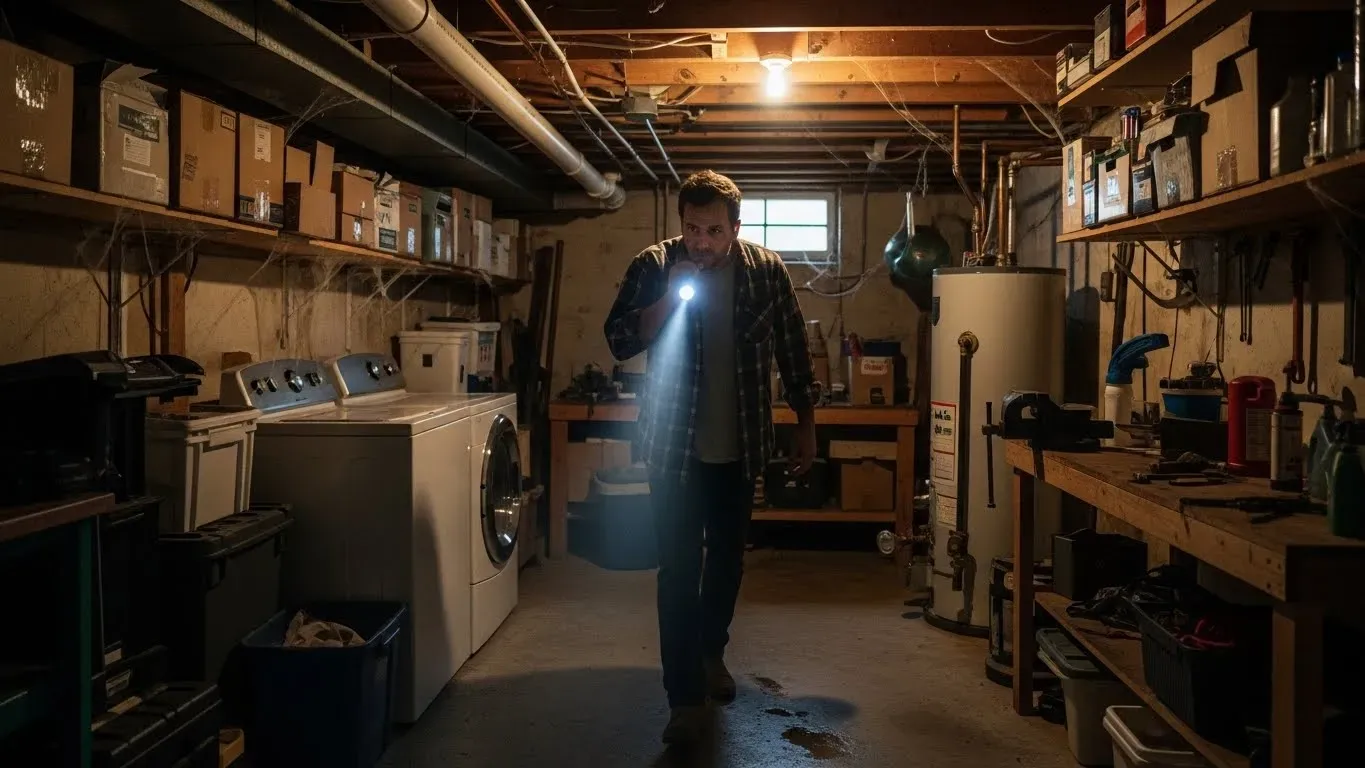
Mold-related odors tend to originate in areas where moisture and limited airflow intersect. Basements and crawl spaces are common sources due to high humidity, poor ventilation, and foundation moisture.
Bathrooms and laundry areas also generate odors because steam, condensation, and frequent water use create recurring moisture conditions. Wall cavities and ceilings can trap smells when leaks dry slowly, allowing odors to seep into living spaces even when growth is not visible.
How to Get Rid of Mold Smell in a Home
Getting rid of a mold smell is about removing the conditions that create it, not masking it with sprays or fragrances. Odor is a symptom of moisture and microbial activity, so lasting results only come from addressing the source. Shortcuts tend to make the smell quieter for a while, then louder later.
Step 1: Control Moisture First
No moisture control means no real fix. Odors will persist or return if damp conditions remain.
- Fix Active Leaks: Repair plumbing leaks, roof issues, foundation seepage, or appliance overflows before doing anything else.
- Reduce Indoor Humidity: Use dehumidifiers in basements and damp rooms and aim for indoor humidity below 50 percent.
- Improve Ventilation: Run bathroom and kitchen exhaust fans and ensure dryers vent outside, not into wall cavities or crawl spaces.
Step 2: Identify Where the Smell Is Coming From
Smell location matters more than smell strength. The strongest odor is not always the source.
- Track Patterns: Note when the smell appears, such as after rain, showers, or HVAC use.
- Isolate Areas: Close doors or vents temporarily to see where odors intensify or fade.
- Check Hidden Zones: Basements, crawl spaces, wall cavities, HVAC components, and insulation are common sources.
Step 3: Remove Contaminated Materials When Needed
Odors cling to porous materials. Cleaning alone does not work if the material itself is contaminated.
- Porous Materials: Drywall, insulation, carpet padding, and particle board often need removal if moldy or damp long term.
- Semi-Porous Surfaces: Wood framing may be salvageable with proper drying and cleaning, depending on severity.
- Non-Porous Surfaces: Metal, tile, and sealed surfaces can usually be cleaned once moisture is controlled.
Clean and Neutralize Odors Correctly
This is where most DIY attempts fail. Deodorizers hide smells, they do not eliminate causes.
- HEPA Vacuuming: Removes settled spores and debris after drying and material removal.
- Damp Wiping: Clean hard surfaces with appropriate antimicrobial solutions, not bleach alone.
- Avoid Fogging As A Fix: Fogging does not remove contaminated materials and often leaves odor sources untouched.
Step 5: Address HVAC and Airflow Issues
Odors often circulate through air systems, even if growth is elsewhere.
- Inspect Coils And Drain Pans: Condensation buildup can create recurring musty smells.
- Check Ducts Near Moisture Zones: Odors can migrate through shared air pathways.
- Replace Contaminated Filters: Old filters can reintroduce odors after cleaning.
When Odor Removal Requires Professional Help
Some smells cannot be resolved without professional remediation. This is not a failure, it is a signal.
- Odors That Return After Drying: Indicates hidden contamination or missed moisture sources.
- Smells Affecting Multiple Rooms: Suggests shared cavities, HVAC spread, or structural moisture issues.
- Long-Term Musty Odors: Often mean materials have been damp too long to salvage safely.
What Not to Do
Certain approaches make problems worse or delay proper resolution.
- Do Not Mask With Fragrances: Air fresheners and ozone products hide warning signs.
- Do Not Tear Into Walls Blindly: Unplanned demolition spreads spores and complicates insurance or resale.
- Do Not Assume All Odors Are Surface Mold: Many sources are hidden and structural.
Eliminating a mold smell is about stopping moisture, removing affected materials when necessary, and cleaning the building properly. If the smell persists despite drying and basic cleaning, it usually means the source has not been fully identified or addressed.
Is Smelling Mold a Health Risk?
Smelling mold does not automatically mean a health hazard, but it does signal that growth conditions may exist. Odor acts as an exposure indicator, suggesting active microbial activity somewhere in the building. Sensitivity varies widely.
Some people notice irritation or discomfort quickly, while others experience no reaction at all. Health concerns become more relevant when odors are persistent, widespread, or present in frequently occupied living areas.
What To Do If You Smell Black Mold
The goal is to respond calmly and methodically, not to start tearing into walls. Avoid disturbing the suspected area, as breaking materials can spread spores and complicate documentation. Focus on controlling moisture first by stopping leaks, improving ventilation, and reducing humidity.
Take note of where and when the smell is strongest, as this information is useful during inspections or insurance discussions. The next step is scheduling a professional inspection that includes visual assessment and moisture evaluation rather than guesswork.
Can You Smell Black Mold: Final Thoughts
If you can smell something musty or earthy, your building is signaling a moisture issue that needs attention. That odor does not confirm black mold, but it does confirm the need for inspection and evaluation. The fastest way forward is identifying the moisture source and growth conditions, not guessing the mold type or relying on smell alone.
If You Live in Long Island, Brooklyn, Queens, or The Bronx, Reach Out to Mold Removal Experts for a Free Mold Inspection: Schedule Yours Now!