
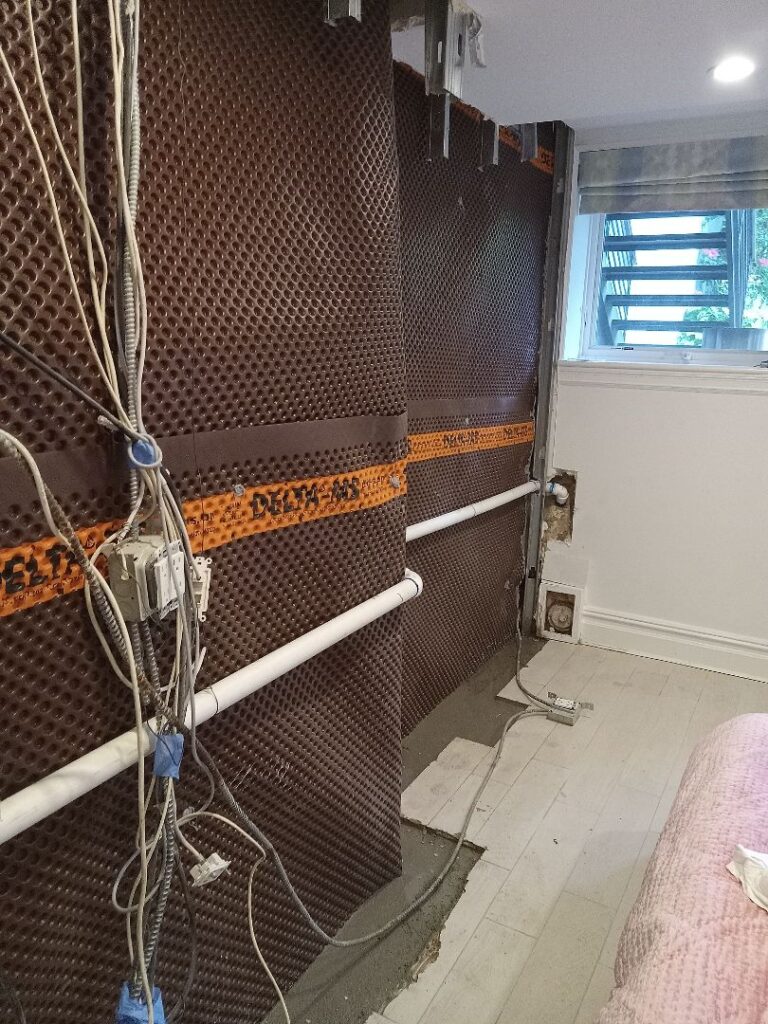
Interior French drains are one of the most reliable and widely used solutions for controlling basement water problems. Installed along the inside perimeter of a basement, these systems are designed to intercept water at its entry point and redirect it safely away before it can cause damage.
For homeowners dealing with recurring leaks, damp walls, or basement flooding, interior French drains offer a proven way to manage groundwater without the disruption of exterior excavation. They are especially effective in homes with high water tables, older foundations, or properties where exterior drainage is limited or impractical.
Below is a clear, benefit-focused breakdown explaining why interior French drains remain a cornerstone of professional basement waterproofing systems.
Call On the Long Island Experts in Crawl Space Drainage for Proven Drainage Solutions and Take the First Step Toward a Dry, Healthy Crawl Space!
Effectively Manages Basement Water Intrusion
Interior French drains are specifically engineered to collect water that enters the basement through foundation walls or rises beneath the basement floor. Once installed, the system channels this water into a gravel-lined trench and directs it to a sump pump, where it is safely discharged away from the home.
This approach prevents common basement issues such as:
- Standing water along walls
- Floor seepage during heavy rain
- Repeated flooding from groundwater pressure
- Persistent dampness after storms or snowmelt
By managing water before it spreads across the basement floor, interior French drains stop problems at the source rather than reacting to visible damage after it occurs.
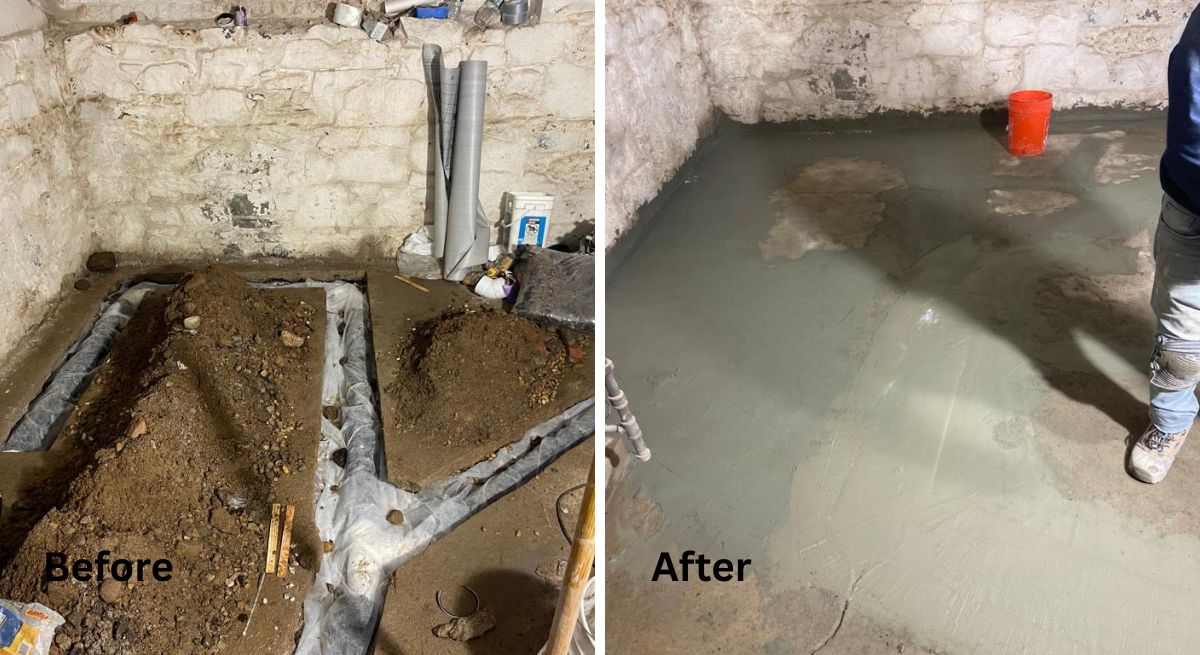
Protects the Structural Integrity of the Foundation
Excess groundwater around a foundation creates hydrostatic pressure, which pushes inward against basement walls and upward beneath the floor slab. Over time, this pressure can compromise the structural stability of the home.
Interior French drains relieve this pressure by giving groundwater a controlled path to escape. This reduction in stress helps prevent:
- Wall bowing or horizontal cracking
- Floor heaving or slab movement
- Progressive foundation deterioration
- Costly structural repairs in the future
By managing water pressure continuously, interior French drains play a critical role in preserving the long-term health of the foundation—not just keeping the basement dry.
Helps Prevent Mold and Mildew Growth
Persistent moisture creates the conditions mold and mildew need to colonize basement surfaces, framing, and insulation. Interior French drains reduce this risk by keeping water from lingering at floor level and behind foundation walls, where moisture is hardest to detect.
By maintaining a consistently drier basement environment, these systems help:
- Lower baseline humidity levels
- Reduce condensation on walls and floors
- Limit hidden moisture that feeds mold growth
This moisture control plays a direct role in supporting healthier indoor air, particularly in homes where basement air circulates upward into living spaces.
Works Regardless of Exterior Conditions
Interior French drains function independently of outdoor soil and surface conditions. Because the system is installed inside the basement, its performance is not compromised by environmental factors that often affect exterior drainage solutions.
Interior systems:
- Remain effective during freezing temperatures
- Avoid disruption from tree roots, patios, or hardscaping
- Operate consistently through seasonal weather changes
This makes them especially well-suited for older homes, dense urban areas, and properties where exterior access is limited or unreliable.
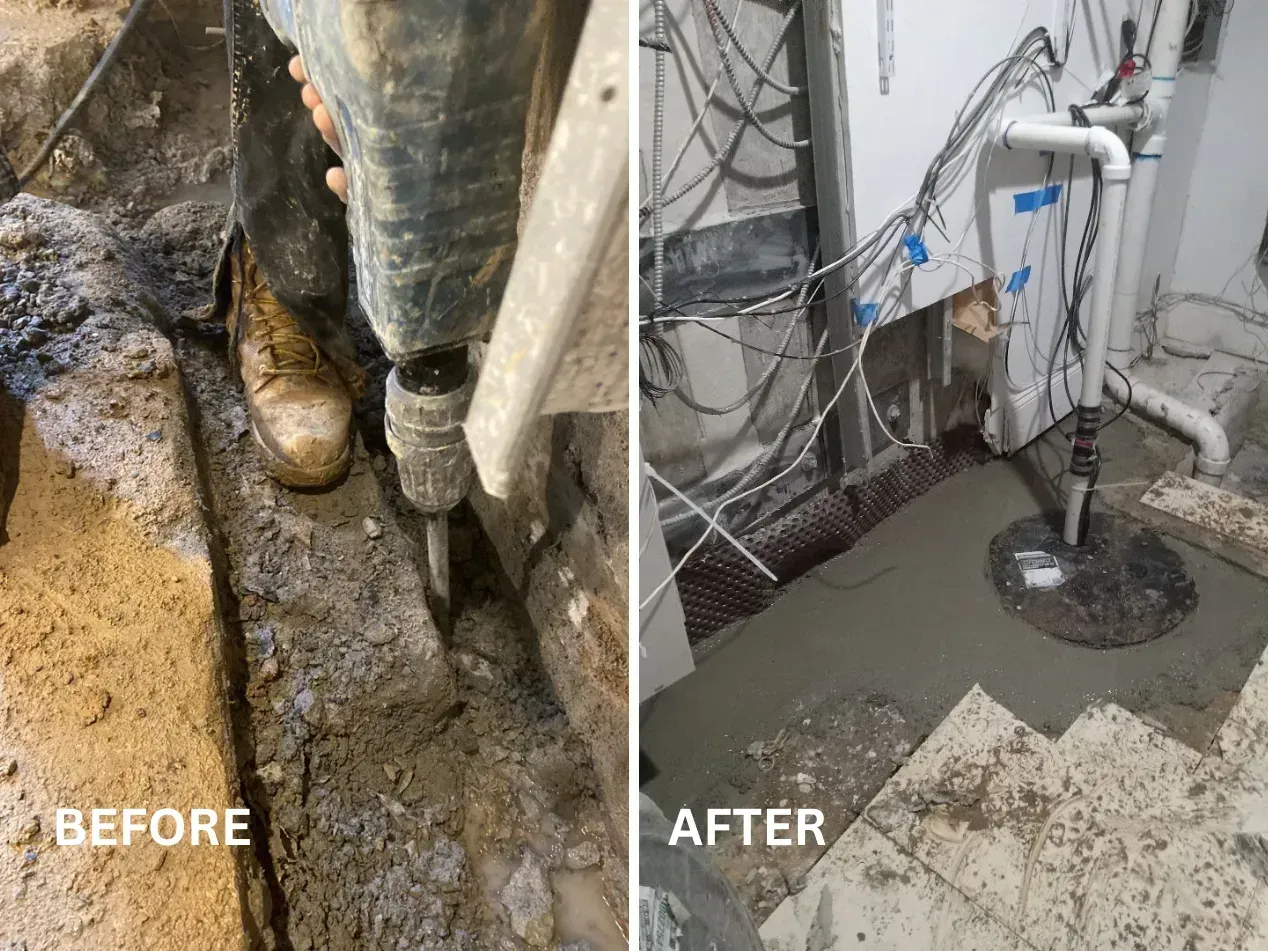
Improves Basement Usability and Property Value
A dry basement opens the door to safe, functional use of the space. Once moisture issues are controlled, basements can be reliably used for:
- Storage without risk of damage
- Finished living areas
- Home offices, gyms, or recreational space
From a resale perspective, documented basement waterproofing reduces buyer hesitation and can help protect or enhance overall property value by addressing one of the most common homeowner concerns.
Cost-Effective Long-Term Solution
Interior French drains provide durable protection without the higher price tag of full exterior systems. While costs vary by basement size and water conditions, interior installations typically require less labor and fewer structural modifications.
When paired with a properly sized sump pump, these systems:
- Offer long-term reliability
- Require minimal ongoing maintenance
- Reduce the likelihood of repeat water damage expenses
Over time, this makes interior French drains one of the most economical ways to control chronic basement moisture.
Are Interior French Drains Worth It? Final Thoughts
Interior French drains remain one of the most dependable solutions for managing basement water problems because they address the issue at its most consistent source: groundwater pressure beneath and around the foundation. Rather than relying on surface fixes or temporary measures, these systems provide a controlled path for water to move safely away from the structure.
When properly designed and installed, interior French drains offer long-term protection, adaptability across different foundation types, and compatibility with modern waterproofing systems. For homeowners dealing with recurring leaks, damp basements, or flood risk, they represent a practical, proven investment in both structural protection and peace of mind.
Frequently Asked Questions About Interior French Drains
How do interior French drains work?
Interior French drains collect groundwater that enters through foundation walls or beneath the basement slab and redirect it into a sump pump system, where it is discharged safely away from the home.
Will an interior French drain stop basement flooding completely?
In most cases, yes, when properly installed and paired with a reliable sump pump. The system is designed to manage recurring groundwater intrusion, not isolated plumbing leaks or surface spills.
Can interior French drains be installed in a finished basement?
Yes. Systems can be installed with minimal disruption, and finished surfaces are typically restored after installation. Contractors tailor the approach to protect existing walls and flooring.
Do interior French drains work with high water tables?
They are especially effective in high water table conditions because they relieve pressure beneath the basement floor and continuously redirect rising groundwater.
Is a sump pump required with an interior French drain?
Yes. The sump pump is a critical component that actively removes collected water from the system and discharges it away from the foundation. When professionally installed, interior French drains are designed to last for decades, making them a long-term waterproofing solution rather than a temporary fix.
How long does installation usually take?
Most interior French drain installations are completed within a few days, depending on basement size, layout, and water conditions.
Do interior French drains require maintenance?
Maintenance is minimal. Periodic sump pump inspection and ensuring discharge lines remain clear are usually sufficient to keep the system functioning properly.
Are interior French drains better than exterior waterproofing?
Not always better, but often more practical. Interior systems avoid excavation, cost less in many cases, and perform reliably regardless of exterior soil or weather conditions.
Will an interior French drain help with basement humidity?
Yes. By preventing water accumulation, the system reduces moisture levels that contribute to high humidity. Dehumidifiers can be added for further control if needed.
How long do interior French drain systems last?
Interior French drain systems last 30–50+ years, with the drainage components often lasting as long as the home’s foundation. Maintenance mainly involves the sump pump, not the drain itself.