
Benefits of Crawl Space Spray Foam Insulation
– A Technical, Health, and Building Science Perspective
Crawl spaces are routinely ignored until something goes wrong, yet they sit at the center of several critical building performance systems. Air movement, moisture behavior, and thermal transfer all pass through this zone before affecting living spaces. When a crawl space is poorly insulated or improperly detailed, it becomes a persistent source of humidity, odors, and energy loss that no amount of attic insulation can fully correct.
From a building science perspective, crawl space insulation is not about comfort alone. It directly influences indoor air quality, HVAC efficiency, moisture durability, and the long-term health of structural materials. Spray foam insulation is increasingly specified because it addresses multiple failure points simultaneously rather than treating symptoms one at a time.
In Long Island, Brooklyn, Queens, and The Bronx, Homeowners Can Call on Mold Removal Experts for Free Inspections and Proven Solutions Backed by Industry-Leading Warranties!
Understanding Crawl Space Conditions and Risk Factors
Crawl spaces operate at the intersection of soil moisture, exterior air, and indoor pressure dynamics. This combination creates a high-risk environment where small design mistakes can produce outsized consequences. Without proper control layers, crawl spaces often amplify moisture and air quality problems instead of buffering them.
- Ground Moisture Exposure: Bare soil continuously releases water vapor through evaporation and capillary action, creating constant upward vapor pressure.
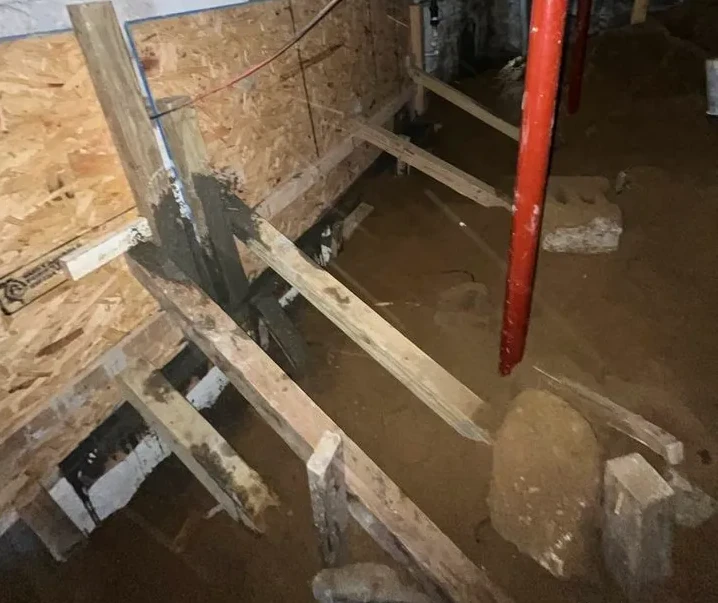
- Temperature Differentials: Cool surfaces in crawl spaces promote condensation on framing, subfloors, and ductwork when warm, humid air is present.
- Air Leakage Pathways: Stack effect draws crawl space air upward into living areas, carrying moisture, odors, and contaminants with it.
- Limited Ventilation Control: Traditional venting often introduces humid outdoor air that raises moisture levels instead of reducing them.
These conditions explain why crawl spaces frequently become the origin point for mold growth, wood decay, and persistent indoor air quality complaints. Effective insulation strategies must address all of these risk factors together rather than isolating one variable and hoping the rest behave.
What Spray Foam Insulation Is and How It Works in Crawl Spaces
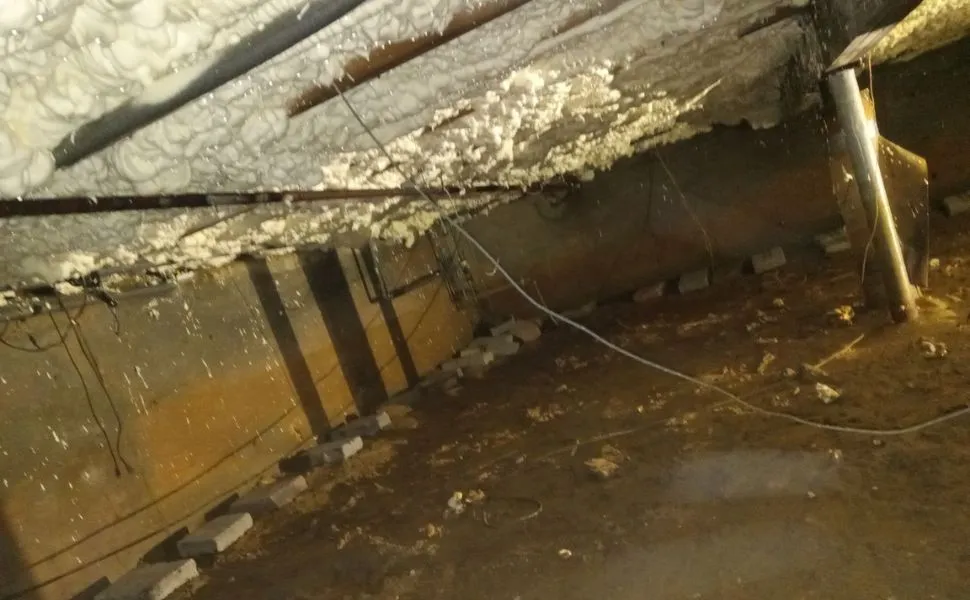
Spray foam insulation is a two-part material that expands on contact, filling cracks, seams, and irregular surfaces that traditional insulation cannot fully address. In crawl spaces, its real strength is not just thermal resistance, but its ability to control air movement and moisture migration at the same time. This makes it a systems-level solution rather than a single-purpose product.
- Closed-cell Spray Foam: A dense, low-permeance material that resists moisture movement and adds structural rigidity to surfaces.
- Open-cell Spray Foam: A lighter, more vapor-permeable option that can be used selectively when moisture conditions are properly managed.
- Air Barrier Function: Seals rim joists, sill plates, and foundation walls to stop uncontrolled airflow.
- Thermal Continuity: Reduces temperature swings that drive condensation and seasonal moisture cycling.
Moisture Control and Mold Prevention Benefits
Mold problems are moisture problems first. Spores are always present, but growth only occurs when humidity and surface conditions allow it. Spray foam directly interrupts the moisture pathways that create these conditions in crawl spaces.
- Reduced Humidity Levels: Limits vapor intrusion from exposed soil and humid exterior air.
- Condensation Prevention: Keeps surfaces warmer so they stay above dew point.
- Mold Growth Suppression: Removes the sustained moisture mold requires to establish colonies.
- Odor Reduction: Eliminates musty crawl space air before it can enter the home.
Indoor Air Quality Improvements
A surprising amount of indoor air originates from below the floor due to pressure differences in the building. When crawl spaces are unsealed, they act like slow-moving air intakes for contaminants. Proper spray foam insulation helps close that loop.
- Fewer Mold Spores Indoors: Reduces airborne transport through leakage paths.
- Lower Allergen Load: Limits dust, pollen, and soil-related particles entering living spaces.
- Improved Respiratory Comfort: Especially noticeable for occupants with asthma or allergies.
- Odor Control: Stops crawl space smells from migrating upward.
Energy Efficiency and Utility Cost Benefits
Spray foam does more than add R-value. It changes how the building behaves thermally by reducing uncontrolled heat transfer and air exchange. This leads to measurable performance gains rather than just perceived comfort.
- Reduced Heat Loss: Seals gaps and bypasses that undermine traditional insulation.
- Lower HVAC Load: Equipment cycles less often due to more stable interior conditions.
- Improved Duct Performance: Protects ductwork from temperature extremes and leakage losses.
- Year-round Energy Savings: Benefits apply in both heating and cooling seasons.
Structural Protection and Building Longevity
Moisture affects far more than air quality. Over time, it degrades wood, metal, and masonry, increasing the likelihood of expensive repairs. Spray foam helps create a more stable environment for structural components.
- Reduced Wood Rot Risk: Keeps framing members dry and dimensionally stable
- Lower Corrosion Potential: Protects fasteners, hangers, and metal components.
- Foundation Surface Protection: Limits repeated moisture cycling against masonry walls.
- Extended Building Lifespan: Slows deterioration driven by chronic dampness and humidity.
| Insulation Method | Moisture Resistance | Air Sealing Ability | Long-Term Performance | Common Failure Mode |
|---|---|---|---|---|
| Fiberglass Batts | Low. Absorbs moisture and holds humidity against framing | Poor. Allows air movement through and around material | Degrades quickly in crawl space conditions | Sagging, mold growth, loss of R-value |
| Rigid Foam Boards | Moderate. Resists moisture but seams are vulnerable | Moderate. Depends entirely on perfect sealing | Stable if meticulously installed | Air leakage at joints and edges |
| Spray Foam Systems | High. Limits vapor movement and surface condensation | High. Expands to seal gaps and penetrations | High when paired with moisture control | Installation errors if moisture issues are ignored |
| Overall Stability | Varies widely by material choice | Directly tied to air barrier continuity | Spray foam performs most consistently | Mismatch between material and environment |
Spray Foam vs Traditional Crawl Space Insulation Methods
Most crawl space insulation failures are not caused by poor workmanship alone. They are caused by choosing materials that do not align with moisture exposure, air movement, and temperature behavior in below-grade environments. Comparing insulation methods through a building science lens makes the performance differences clear.
- Fiberglass Batts: Absorb moisture, compress over time, and lose insulating value when exposed to humidity or air movement.
- Rigid Foam Boards: Provide thermal resistance but rely heavily on perfect cuts and sealed seams to function as an air barrier.
- Spray Foam Systems: Combine insulation and air sealing in a single application, reducing failure points.
- Long-term Performance Stability: Maintains effectiveness longer when installed correctly and paired with moisture control.
Compatibility With Crawl Space Encapsulation and Drainage Systems
Spray foam works best when it is not treated as a standalone fix. Crawl spaces perform optimally when insulation, moisture barriers, and drainage systems are designed to work together as one system. Spray foam integrates well into this approach.
- Encapsulation Synergy: Supports sealed crawl spaces by reinforcing vapor barrier effectiveness.
- Drainage Coordination: Functions alongside perimeter drains, sump pumps, and moisture diversion systems.
- Dehumidification Support: Reduces humidity load so dehumidifiers can operate more efficiently.
- Foundation Waterproofing Alignment: Reinforces broader moisture management strategies rather than competing with them.
When Spray Foam Is Appropriate and When It Is Not
Spray foam is not a universal solution, and applying it in the wrong conditions can create new problems. Crawl space conditions must be evaluated before insulation decisions are made. This is where many installations succeed or fail.
- Appropriate Conditions: Crawl spaces with controlled moisture or properly managed water intrusion.
- Moisture Issues First: Active leaks, flooding, or bulk water problems must be corrected before insulation.
- Building Code Considerations: Ignition barriers, fire ratings, and local code requirements may apply.
- Professional Design Required: Improper use can trap moisture and accelerate damage instead of preventing it.
Environmental and Long-Term Sustainability Considerations
Modern spray foam products have improved significantly in efficiency and environmental impact. While not impact-free, their long service life and energy performance change the long-term sustainability equation. Short-term material inputs must be weighed against decades of performance.
- Reduced Energy Demand: Lower heating and cooling loads translate into long-term emissions reduction.
- Material Longevity: Fewer replacements compared to insulation that degrades in damp conditions.
- Improved Building Resilience: Better performance during extreme temperature and humidity events.
- Lifecycle Cost Efficiency: Higher upfront cost often offset by durability and energy savings.
Benefits of Crawl Space Spray Foam Insulation: Final Thoughts
Crawl space spray foam insulation is not a surface-level upgrade. When correctly designed and installed, it controls moisture, seals air leakage, stabilizes temperatures, and protects structural materials from long-term deterioration. The result is better indoor air quality, lower energy demand, and a crawl space that stops feeding problems into the rest of the home.
The key is proper evaluation. Moisture issues, drainage, and ventilation must be addressed first so insulation works as intended. When spray foam is used as part of a complete crawl space strategy, it delivers durable performance that fiberglass and rigid board systems struggle to maintain over time.
Call for a Free Crawl Space Inspection!