
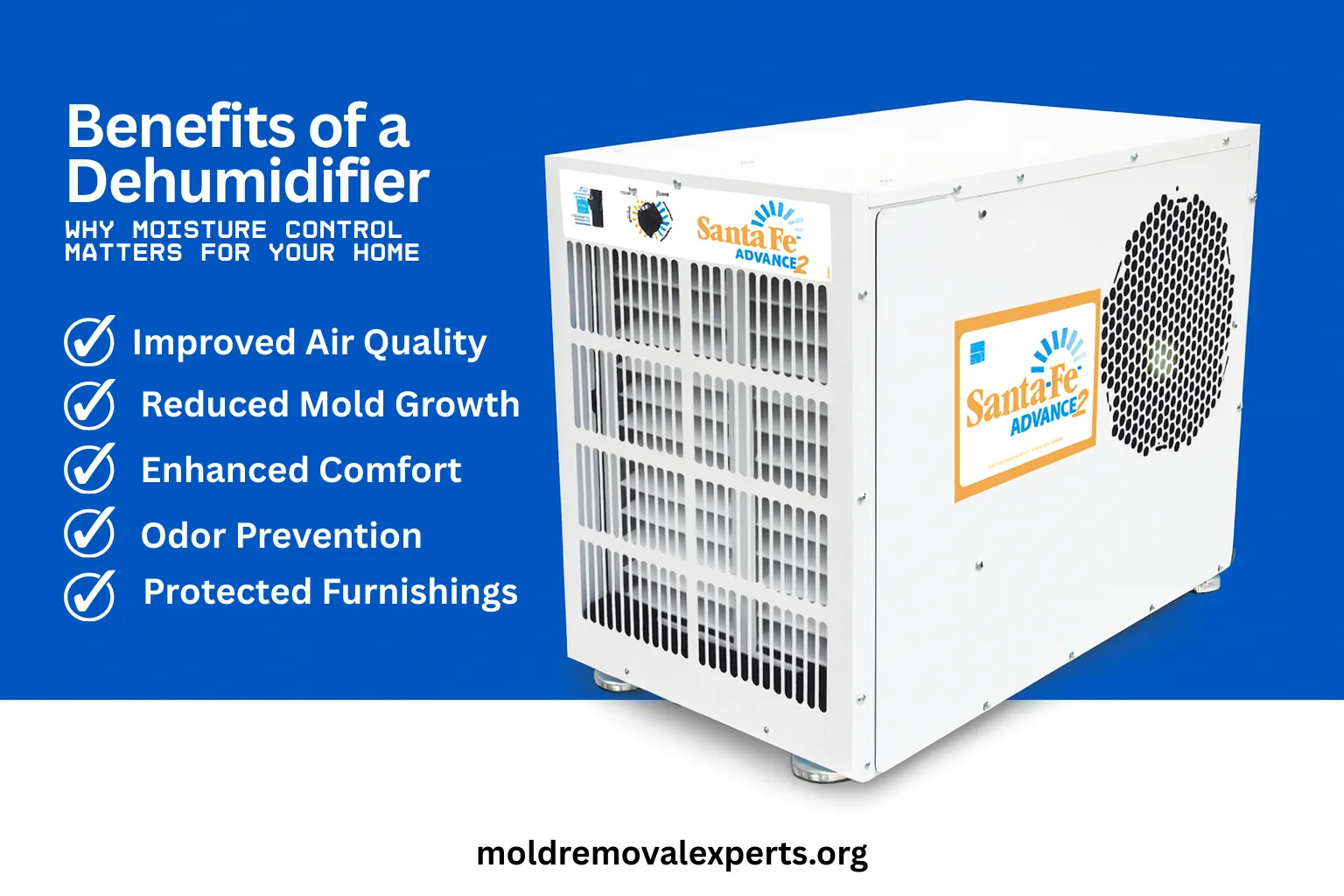
A dehumidifier is a device that removes excess moisture from the air; an essential defense in Long Island homes where dampness is often more than a seasonal nuisance. Thanks to the region’s high water table, humid coastal climate, and prevalence of older, less-insulated homes, moisture issues are common year-round, especially in basements and crawl spaces.
Unchecked humidity can lead to mold growth, musty odors, structural damage, and even respiratory irritants that compromise indoor air quality. Whether you’re dealing with condensation on windows or damp walls in your lower level, controlling indoor moisture is the first step toward protecting your home and the people in it.
Schedule a Free Mold Inspection for Your Brooklyn Home or Business Today!
Breathe Easy Again with Our Expert Crawl Space Mold Removal Services for New York Properties
A dehumidifier removes excess moisture from the air, helping prevent mold growth, musty odors, and moisture-related damage.
By drawing in humid air, extracting the water, and releasing dry air back into the space, dehumidifiers lower relative humidity to safer levels, typically below 60%. This is crucial for keeping mold spores in check and protecting materials like wood, insulation, and drywall from deterioration. Moisture control also makes your home feel more comfortable and reduces the strain on your HVAC system.
Whether installed in a crawl space, basement, or integrated into a whole-home system, the right dehumidifier creates a drier, healthier indoor environment.
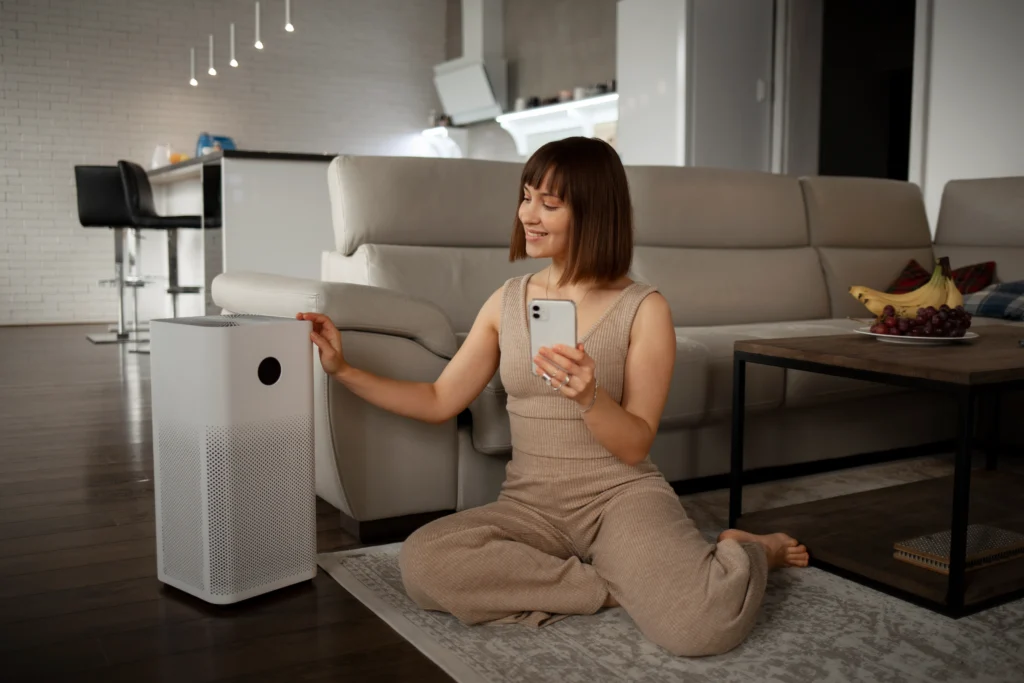
Why Excess Humidity Is a Problem in Long Island Homes
Long Island’s unique environmental problems are no secret. It’s coastal geography and older housing infrastructure create the perfect storm for humidity-related issues, especially in below-grade spaces.
Vulnerability in Basements and Crawl Spaces
Basements and crawl spaces are prone to moisture problems due to their location below ground level. Groundwater pressure, poor ventilation, and vapor rising from the soil all contribute to elevated humidity. Combine that with Long Island’s frequent rain, summer humidity, and fluctuating seasonal conditions, and these areas can easily exceed 60% relative humidity, the threshold where mold begins to thrive.
The Stack Effect: How Damp Air Travels
What happens in the basement doesn’t stay there. Through a process called the “stack effect,” moist air from lower levels rises into upper living spaces, carrying mold spores, allergens, and musty odors with it. This can impact air quality throughout the entire home, not just the visibly damp areas.
Consequences of Ignoring Moisture
Unchecked humidity leads to:
- Mold and mildew growth, which compromises air quality and damages building materials
- Musty odors that persist even with cleaning
- Wood rot and warping, especially in joists, subflooring, and hardwood floors
- Insulation degradation, which affects energy efficiency and indoor comfort
Installing a dehumidifier, especially in vulnerable areas like basements and crawl spaces, is a key step in stopping moisture problems before they escalate.
Health Benefits of a Dehumidifier
Humidity is a key factor in the quality of the air your family breathes. A damp home creates the perfect environment for allergens and irritants to thrive. By maintaining balanced humidity levels, a dehumidifier helps make your living space healthier and more breathable. You won’t see instant results like you might with a deep clean, but over time, reduced moisture leads to cleaner air, fewer allergens, and a more comfortable home environment.
Here’s how a dehumidifier supports better indoor air:
This is especially important in Long Island homes with basements or crawl spaces, where elevated humidity can sneak into living spaces unnoticed.
- Reduces Mold and Mildew
Reduces mold and mildew growth that can trigger allergies and affect respiratory comfort.
- Limits Mites and Allergens
Helps limit dust mites and allergens, which thrive in moist environments.
- Improves Indoor Comfort
Improves indoor comfort and odor control by reducing mustiness and dampness in the air.
- Reduces Household Odors
Reduces household odors associated with mold and indoor pollutants.
This is especially important in Long Island homes with basements or crawl spaces, where elevated humidity can sneak into living spaces unnoticed.
Property Protection Benefits of a Dehumidifier
Moisture doesn’t just cause discomfort, it can slowly destroy the structure of your home. Over time, high humidity weakens essential building materials, creates expensive repair needs, and hurts your home’s resale value.
A properly installed dehumidifier protects your investment by keeping moisture in check before damage sets in.
Key property protection benefits include:
- Protects Floor Joists and Beams
Protects floor joists, beams, and subflooring from wood rot and warping.
- Preserve Resale Value
Helps preserve resale value by preventing hidden damage that shows up during inspections
- Reduces Moisture Damage to Insulation
Reduces moisture damage to insulation and HVAC components, extending their lifespan
Moisture might be invisible, but its effects are not. Taking action now helps you avoid costly remediation later.
Why Standard Store-Bought Dehumidifiers Often Fail
Not all dehumidifiers are created equal, and unfortunately, many off-the-shelf models just aren’t built for the tough conditions found in Long Island basements and crawl spaces.
Most store-bought units are tested by AHAM (Association of Home Appliance Manufacturers) under ideal conditions: 80°F and 60% relative humidity. That doesn’t reflect the real-world environment of a damp, chilly crawl space in Suffolk County or a half-finished basement in Queens.
Here’s where standard units fall short:
- Performance drops significantly in cool, below-grade spaces
- Undersized capacity means they can’t keep up with persistent moisture
- Short lifespan and low reliability often result in replacement every few years
These plug-in models may provide temporary relief in a small room, but they’re not a long-term solution for whole-home or structural protection.
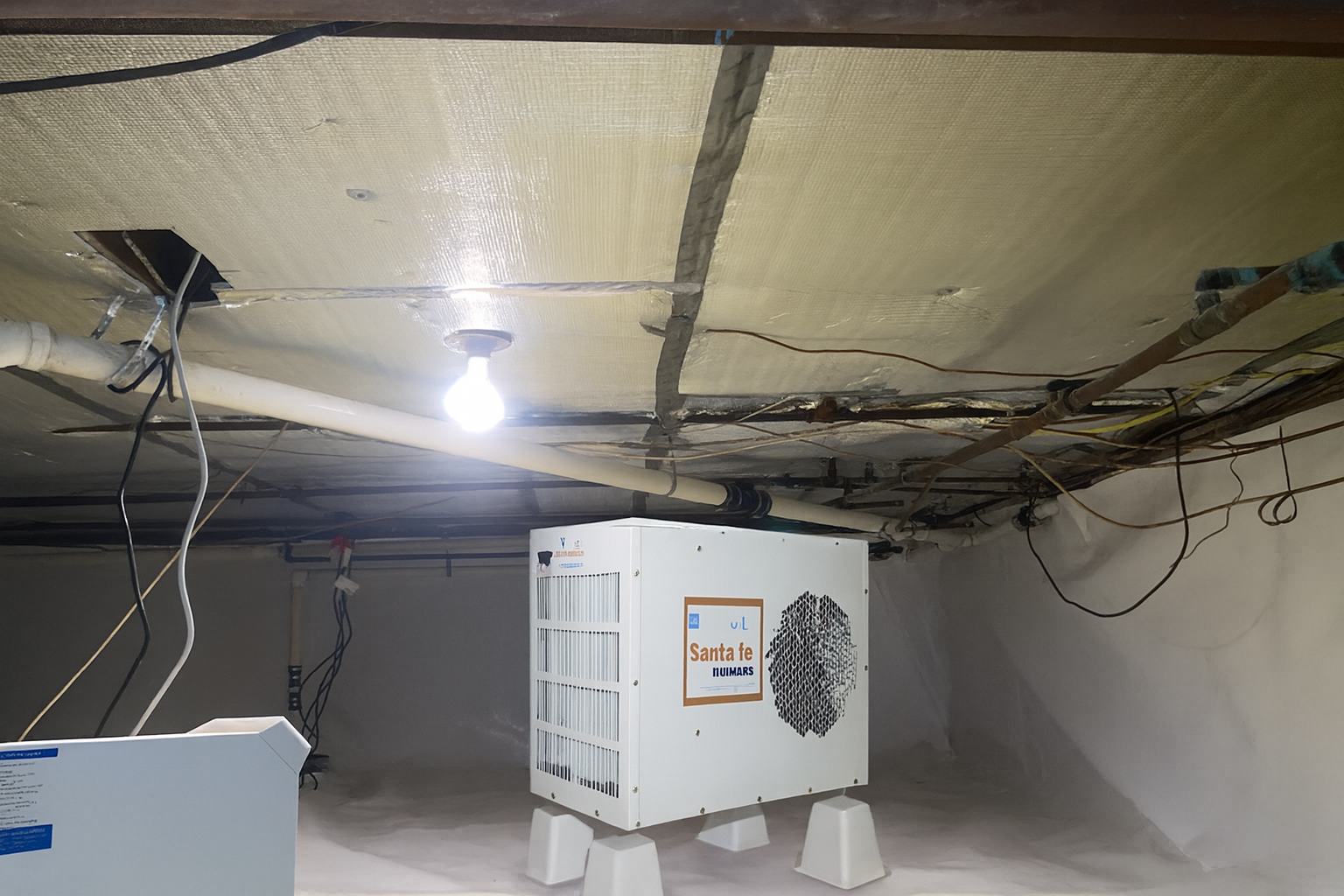
Why Our Dehumidifiers Are the Best for Homes and Businesses
When it comes to serious moisture control, professionally installed systems like the Santa Fe Advance2 are in a league of their own. These aren’t just more powerful, they’re engineered specifically for the unique challenges of Long Island homes.
Every system is installed, sized, and configured by professionals to ensure it works where and how it’s needed most. You don’t just plug it into the wall and hope for the best.
What makes our systems stand out:
- High Moisture Removal Capacity
Removes up to 90 pints of water per day and handles spaces up to 2,200 sq. ft., ideal for large basements or multi-zone crawl spaces.
- Designed for Basements and Crawl Spaces
Operates efficiently at low temperatures (down to 49°F), where typical dehumidifiers stop functioning altogether.
- Energy-Efficient Performance
Exceeds Energy Star® standards with 6.4 pints/kWh, helping you save on energy bills without sacrificing performance.
- Installation Flexibility
Can be ducted and outfitted with condensate pumps for tailored setups in basements, crawl spaces, or sealed environments.
- Superior Air Filtration
Built-in MERV-8 filter captures airborne particles, improving indoor air quality while protecting the system itself.
- Quiet, Set-and-Forget Operation
Continuous operation with auto-restart after power outages and optional remote control makes moisture control seamless.
Whether you’re in Nassau County or central Suffolk, our professional-grade systems are built to last, and built for your home. Contact us now to get a free estimate for your basement, crawl space, home, or business.
Where Dehumidifiers Work Best in the Home
Not every part of the home has the same moisture risk, but some areas need dehumidification more than others. Here’s where a professionally installed unit can make the biggest difference:
- Crawl Spaces: Often the dampest area of any home, crawl spaces trap ground moisture and suffer from poor ventilation. A sealed crawl space with a dehumidifier helps prevent mold, odors, and structural damage.
- Basements: Below-grade basements are naturally prone to high humidity from groundwater and condensation. A dehumidifier prevents that damp, musty smell while protecting the foundation, insulation, and anything stored down there.
- Whole-Home Integration: In some homes, especially those with consistent indoor humidity problems, a dehumidifier can be integrated into the HVAC system. This ensures even moisture control across all rooms and levels.
When a Dehumidifier Alone Is Not Enough
Dehumidifiers are powerful tools, but they can’t fix every moisture problem on their own.
If you have standing water, pooling in crawl spaces, or frequent seepage during storms, the issue goes beyond airborne humidity. These conditions are common in Long Island flood zones or coastal properties with poor drainage.
In these cases, dehumidifiers should be part of a larger solution that may include:
- Sump pumps
- Drainage systems
- Crawl space encapsulation
It’s important to eliminate water intrusion at the source before relying on a dehumidifier to do the rest.
Professional Installation vs DIY Dehumidifiers
Off-the-shelf dehumidifiers are designed for light-duty use in isolated rooms—not for handling the complex airflow and moisture dynamics of basements or crawl spaces.
Professionally installed systems offer:
- Custom sizing and configuration based on the layout and square footage of your home
- Proper drainage setup to handle continuous water removal without manual emptying
- Optimized airflow for even moisture control across rooms or zones
- Long-term reliability with commercial-grade parts, extended lifespans, and serviceable components
- Warranties and professional support that DIY units simply can’t match
If you’re serious about protecting your home and health, a plug-in unit won’t cut it long-term.
Benefits of a Dehumidifier: Final Thoughts
A dehumidifier is one of the most effective ways to protect your home from the hidden damage caused by moisture. From improving indoor air quality to preventing mold and structural decay, it’s a smart investment in both comfort and long-term value. Moisture control is mold prevention, and the right system makes all the difference.
If you live in Long Island, Brooklyn, or Queens, moisture problems are more than seasonal, they’re structural. Our team specializes in professionally installed dehumidifier systems designed for the unique conditions of homes in this region.
Let us help you protect your home from the ground up. Request your in-home evaluation today.