
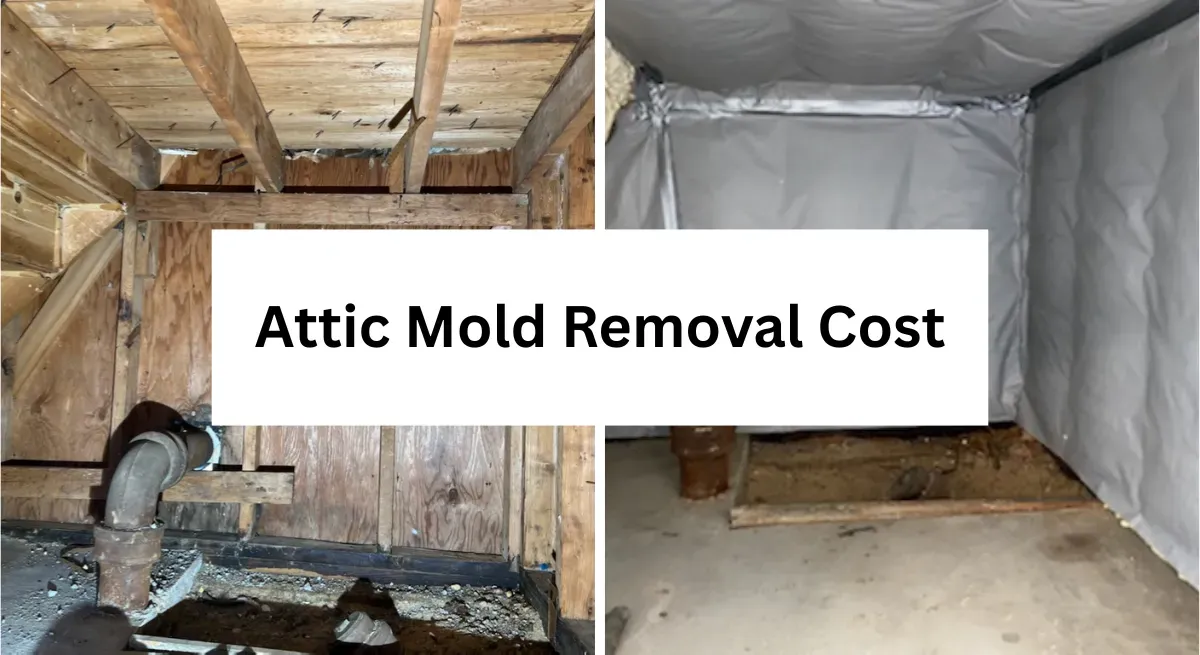
Mold in your attic isn’t just a cosmetic issue. It’s usually a sign of trapped moisture, poor ventilation, or an unseen leak. Many Long Island and Brooklyn homeowners first notice dark staining on roof sheathing or a musty smell upstairs and immediately wonder: How much is this going to cost me? The honest answer is that attic mold removal costs vary because the real issue isn’t just the mold. It’s what caused it.
Professional attic mold remediation involves more than surface cleaning. A proper solution includes inspection, identifying the moisture source, containment, safe removal, and prevention steps to keep it from coming back. The earlier you address it, the more manageable and affordable the solution tends to be.
In this guide, we’ll break down what’s typically included, what drives pricing differences, and what homeowners in this area can realistically expect so you can make an informed decision with confidence.
Call Now For A Professional Attic Mold Inspection In Long Island & Brooklyn!
What Is Included in Attic Mold Removal?
Understanding what’s actually included in professional attic mold removal helps explain why pricing can vary so widely. A proper remediation isn’t just “spray and wipe.” It’s a structured process designed to safely remove contamination and prevent it from returning.
Every project should begin with a detailed visual inspection of the attic space, including framing, roof decking, insulation, and ventilation points. Professionals perform moisture mapping using specialized meters to identify damp areas that may not be visible. In some cases, optional lab testing may be recommended to confirm mold type or document conditions for insurance purposes.
Mold Remediation Work
Removing mold from your attic isn’t just about scrubbing what you can see. Professional remediation addresses hidden spores that can spread throughout your home and compromise air quality. Technicians use specialized methods to safely remove contamination and prevent it from returning. The mold removal process often involves multiple steps to ensure the affected areas are thoroughly treated and protected. Below are the main components of professional mold remediation work.
Professional remediation typically includes:
- Surface Mold Removal: Physically removing visible growth from wood sheathing and framing.
- HEPA Vacuuming – Capturing fine mold spores to prevent cross-contamination.
- Antimicrobial Treatment – Applying EPA-registered solutions to inhibit regrowth.
- Containment and Negative Pressure – Isolating the attic space to protect the rest of the home during cleaning.
Moisture Source Correction
Even the best mold removal won’t last if the underlying moisture problem isn’t fixed. Moisture in the attic can come from poor ventilation, roof leaks, or duct issues, and it creates the ideal conditions for mold to return. Correcting these sources is essential for a lasting solution and to protect the structural integrity of your home. Often, this involves a combination of airflow improvements, repairs, and insulation work. The steps to the right outline how professionals address moisture at its source.
Addressing moisture issues is critical, otherwise mold often returns.
- Attic Ventilation Improvements: Balancing intake and exhaust airflow.
- Roof Leak Repairs: Sealing flashing, shingles, or penetrations.
- Duct Leakage Correction: Fixing bathroom or HVAC exhaust venting into the attic.
- Insulation Drying or Replacement: Removing wet insulation that can trap moisture.
The complexity of these corrections significantly impacts total cost, but they’re what protect your investment long-term.
Typical Attic Mold Removal Cost Range
| Service Level | Typical Cost Range | What It Includes |
|---|---|---|
| Basic Mold Remediation | $1,500 – $3,500 | Surface cleaning, antimicrobial treatment, professional inspection |
| Moderate Mold + Moisture Fix | $3,500 – $6,500 | Above + ventilation adjustments, minor condensation control |
| Extensive Mold with Insulation & Structural Drying | $6,500 – $12,000 | Full remediation, HEPA treatment, insulation removal/replacement, structural drying |
| Severe Mold Damage & Reconstruction | $12,000+ | All of the above + framing repair, partial rebuild of affected sections |
These ranges are general guidance, not guarantees. Final attic mold removal cost depends heavily on square footage, how deeply the mold has penetrated wood materials, and whether insulation or structural elements need replacement. An on-site evaluation is the only way to determine accurate costs.
What Factors Determine Attic Mold Removal Cost?
No two attics are the same, and neither are remediation costs. Understanding what drives pricing helps you evaluate estimates confidently and see where your investment is going.
- Size of the Attic: Larger attics require more labor, materials, and time. Square footage directly impacts cleaning scope, while ceiling height affects setup and safety requirements. Difficult access, such as tight scuttle openings or steep rooflines can also increase labor time and equipment needs.
- Mold Extent and Severity: Surface-level mold on roof sheathing is typically less expensive to address than mold that has deeply penetrated wood. If structural wood rot is present, repairs may be necessary in addition to remediation. (If you’re unsure about the difference, see our mold identification guide for visual examples.)
- Moisture Source Complexity:
Common contributing factors include:
- Roof Leaks: Flashing, shingles, or penetrations allowing water intrusion
- Poor Ventilation: Inadequate airflow causing condensation buildup
- Duct Leaks: Bathroom or HVAC exhaust venting into the attic
Fixing the moisture source is critical. Without it, mold is likely to return, leading to repeat costs.
- Insulation Condition: If insulation is wet, contaminated, or heavily affected by mold spores, removal and replacement may be necessary. Disposal fees and new insulation installation can significantly increase total project cost.
- Accessibility & Safety Requirements: Some attics require specialized roof access, scaffolding, or additional safety measures. Proper personal protective equipment (PPE), containment barriers, and negative air machines are essential to prevent cross-contamination, all of which factor into pricing.
Hidden Costs Homeowners Often Miss
When comparing estimates, it’s important to understand what may or may not be included. Some commonly overlooked costs include:
- Attic Cleanup and Debris Removal: Removing contaminated materials and job-site waste
- Insulation Disposal Fees: Proper bagging and disposal of affected insulation
- Structural Repairs: Replacing damaged framing or roof decking
- Electrical Work: Moving or protecting wiring during remediation
- HVAC Duct Cleanup: Cleaning or resealing contaminated ductwork
A detailed written proposal should clearly outline these items so there are no surprises once work begins.
Mold Remediation vs Mold Testing Only
Homeowners often aren’t sure whether they need testing, removal, or both. The services serve different purposes, and fall into different pricing ranges.
| Service Type | Typical Cost Range | Outcome |
|---|---|---|
| Mold Testing Only | $300 – $800 | Visual inspection + air/surface sampling. Identifies presence and type of mold but does not remove it. |
| Mold Remediation Only | $1,500 – $12,000+ | Physical removal, containment, HEPA cleaning, antimicrobial treatment. Addresses contamination but may not include third-party lab testing. |
| Inspection + Remediation Plan | Varies by scope | Full attic assessment, moisture mapping, written protocol, and complete remediation with prevention measures. |
Testing alone confirms a problem. Remediation solves it. In many attic cases, visible mold makes removal the priority, while testing is optional unless required for documentation.
Will Insurance Cover Attic Mold Removal?
Whether your homeowners insurance will cover attic mold removal depends largely on the cause of the mold. If the mold results from a sudden, accidental event, such as a storm-damaged roof or a burst pipe, many policies may cover the remediation costs. On the other hand, mold that develops over time due to poor maintenance, ongoing leaks, or inadequate ventilation is typically not covered.
Documentation is key when filing a claim. Having inspection reports, photos, and professional assessments can help support coverage if the damage qualifies under your policy. Keep in mind that each insurance policy is different, so it’s important to review your coverage details and speak directly with your insurance provider.
In short, insurance may help in some cases, but proactive maintenance and early mold detection remain the most reliable ways to avoid costly repairs.
How to Get an Accurate Attic Mold Removal Estimate
Getting an accurate attic mold removal estimate is about more than sending photos or giving a rough square footage. Every attic is different, and the true scope of mold and moisture issues can only be determined with a professional on-site assessment.
Look for a company that provides:
- On-site attic assessment to identify affected areas and access challenges
- Moisture mapping with professional meters to locate hidden damp spots
- Clear identification of affected materials including insulation, wood, and ductwork
- Written proposal outlining scope and pricing so you know exactly what you’re paying for
A thorough inspection ensures you’re not overpaying for unnecessary work or underpaying and leaving mold behind.
If you’re a homeowner in Long Island, Brooklyn, Queens, or the Bronx, you can get a free attic mold inspection at any time by reaching out to us. Our team will evaluate your space, identify any moisture concerns, and provide a detailed estimate tailored to your home, so you can act confidently before the problem gets worse.
Tips to Reduce Your Mold Removal Costs (Without Compromising Safety)
- Address moisture issues early before mold spreads to insulation or framing.
- Improve attic ventilation to reduce condensation buildup.
- Schedule periodic attic checks, especially after storms.
- Control indoor humidity levels year-round.
- Fix minor roof or duct issues promptly to prevent larger remediation projects later.
Proactive maintenance is always more affordable than structural repairs.
Attic Mold Removal Cost: Final Thoughts
Attic mold removal costs can vary widely, but the biggest factor isn’t just the mold itself. It’s the size of the attic, how far the contamination has spread, and whether the underlying moisture issue has been properly addressed. What may start as a small surface concern can become significantly more expensive if insulation, framing, or ventilation systems are affected.
The key takeaway for homeowners is this: professional remediation isn’t just about cleaning stains. It’s about protecting your home’s structure, indoor air quality, and long-term value. Cutting corners may lower upfront costs, but failing to correct moisture sources often leads to repeat problems and higher expenses later.
If you suspect attic mold, the most cost-effective step you can take is scheduling a professional inspection early. A thorough assessment provides clarity, defines the true scope of work, and helps you make a confident, informed decision before the problem escalates.
Schedule Your Attic Mold Assessment & Cost Estimate!
Frequently Asked Questions About Attic Mold Cost:
What causes mold to grow in an attic?
Attic mold typically develops when excess moisture becomes trapped in the space. This can happen from poor ventilation, roof leaks, bathroom or dryer vents exhausting into the attic, or high indoor humidity. When warm, moist air meets cooler attic surfaces, condensation forms and creates ideal conditions for mold growth.
Is attic mold dangerous for my health?
Mold exposure can cause respiratory irritation, allergy symptoms, headaches, and worsening asthma for sensitive individuals. Even if symptoms are mild, mold spores can circulate through your home’s air system. Removing attic mold helps improve overall indoor air quality and protects long term health.
Can attic mold spread to the rest of the house?
Yes. Mold spores are microscopic and easily travel through air movement, ductwork, and ceiling penetrations. If attic mold is not properly contained and removed, it can spread into living spaces and HVAC systems.
How do professionals remove mold from an attic?
Professional remediation usually involves containment of the attic area, physical removal of mold growth, HEPA vacuuming to capture spores, and antimicrobial treatment to prevent regrowth. In some cases, insulation may be removed and replaced if it is contaminated.
Do I need to replace my attic insulation if there is mold?
Not always, but it depends on the severity of the contamination. If insulation is heavily affected or holding moisture, replacement is often recommended. In lighter cases, professionals may treat surrounding surfaces while leaving unaffected insulation in place.
How long does attic mold remediation take?
Most attic remediation projects take one to three days depending on the size of the attic and the extent of contamination. Larger projects that involve insulation removal, drying, or structural repairs may take longer.
Will attic mold come back after remediation?
Mold can return if the underlying moisture problem is not corrected. That is why professional remediation includes identifying and fixing ventilation problems, leaks, or humidity issues that caused the mold in the first place.
Is mold testing required before remediation?
Testing is not always necessary if visible mold growth is present. Many remediation projects can begin based on a professional inspection alone. However, testing can be useful for documentation, real estate transactions, or identifying specific mold types.
How do I know if my attic has mold?
Common signs include dark staining on roof sheathing, musty odors, damp insulation, or visible fuzzy growth on wood framing. Because attics are rarely visited, mold can grow for years without being noticed, which is why periodic attic inspections are recommended.