
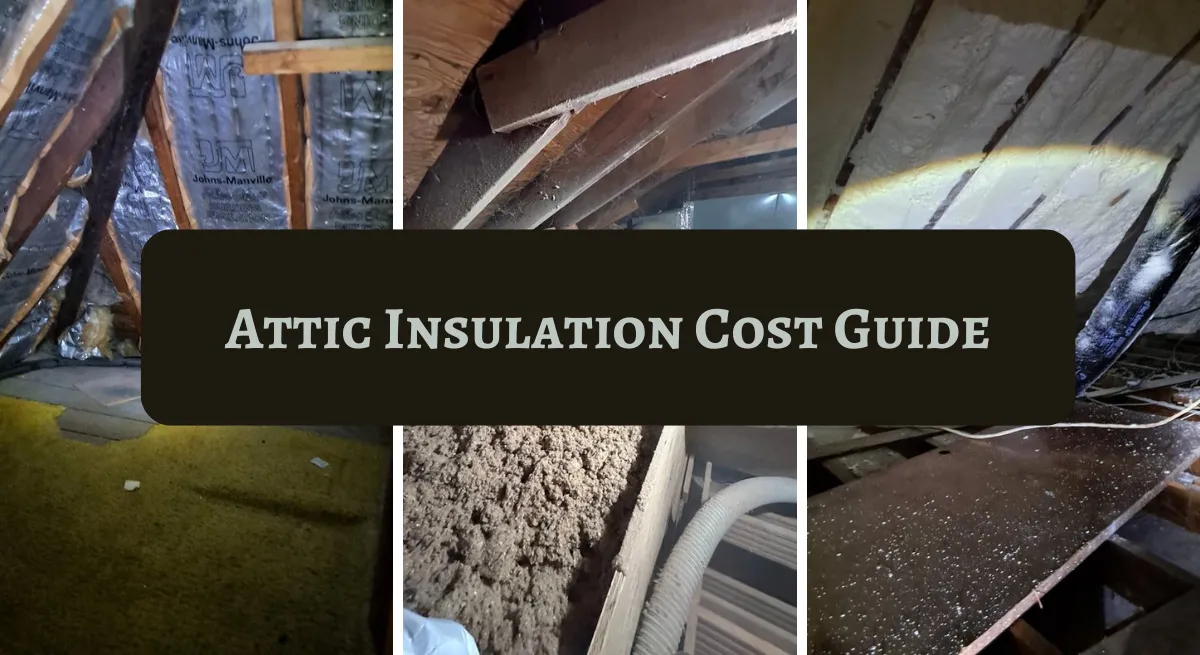
If you’re looking for attic insulation that can lower your energy bills, improve comfort, and help your home stay warmer in winter and cooler in summer, choosing the right insulation type makes a big difference. Some attic insulation options are designed to deliver the best long-term energy performance, while others are popular because they provide a quick, affordable upgrade that still improves efficiency and comfort.
In this guide, you’ll find every major attic insulation type explained in clear sections with pricing tables, benefits, and installation details. Each section breaks down the attic insulation cost per square foot, the typical attic insulation installation cost, and the advantages of each material so you can quickly compare options. You can read the full guide or jump directly to the insulation type you’re considering to see the cost to insulate your attic and the benefits of that system.
Enjoy a Cooler Long Island Home This Summer! Schedule Your Free Expert Assessment Today!
Average Attic Insulation Cost
Understanding the average attic insulation cost helps homeowners set realistic expectations before comparing insulation materials. Across the United States, the cost to insulate an attic can vary widely depending on the size of the attic, the type of insulation installed, and the level of insulation required for the climate. Homes in colder regions often require higher insulation levels, which can increase the overall attic insulation installation cost.
The attic insulation cost for most projects is calculated using both total project size and cost per square foot. Installation factors such as attic accessibility, removal of old insulation, ventilation improvements, and the insulation material chosen can all affect the final price. Because every attic is different, professional contractors typically evaluate the attic layout, insulation depth, and structural conditions before providing an exact estimate.
The cost to insulate an attic depends on the size of the space and the type of insulation installed, but most homeowners spend between $1,500 and $6,500 for a full attic insulation project. Larger attics or higher-performance insulation materials may increase the total cost, while smaller attics may cost significantly less. The table below shows typical project cost ranges based on common attic sizes.
| Attic Size | Typical Cost |
|---|---|
| 500 sq ft | $1,000 – $2,000 |
| 1,000 sq ft | $2,000 – $4,000 |
| 1,500 sq ft | $3,000 – $6,000 |
| 2,000 sq ft | $4,000 – $8,000 |
While attic size provides a helpful estimate, attic insulation cost per square foot can vary significantly depending on the insulation material used. Different insulation types have different installation methods, thermal performance levels, and price ranges. The next section compares the most common insulation materials and their typical cost per square foot installed.
Attic Insulation Cost Per Square Foot by Insulation Type
Understanding the average attic insulation cost helps homeowners set realistic expectations before comparing insulation materials. Across the United States, the cost to insulate an attic can vary widely depending on the size of the attic, the type of insulation installed, and the level of insulation required for the climate. Homes in colder regions often require higher insulation levels, which can increase the overall attic insulation installation cost.
The attic insulation cost for most projects is calculated using both total project size and cost per square foot. Installation factors such as attic accessibility, removal of old insulation, ventilation improvements, and the insulation material chosen can all affect the final price. Because every attic is different, professional contractors typically evaluate the attic layout, insulation depth, and structural conditions before providing an exact estimate.
The cost to insulate an attic depends on the size of the space and the type of insulation installed, but most homeowners spend between $1,500 and $6,500 for a full attic insulation project. Larger attics or higher-performance insulation materials may increase the total cost, while smaller attics may cost significantly less. The table below shows typical project cost ranges based on common attic sizes.
| Attic Size | Typical Cost |
|---|---|
| 500 sq ft | $1,000 – $2,000 |
| 1,000 sq ft | $2,000 – $4,000 |
| 1,500 sq ft | $3,000 – $6,000 |
| 2,000 sq ft | $4,000 – $8,000 |
While attic size provides a helpful estimate, attic insulation cost per square foot can vary significantly depending on the insulation material used. Different insulation types have different installation methods, thermal performance levels, and price ranges. The next section compares the most common insulation materials and their typical cost per square foot installed.
Attic Insulation Cost Per Square Foot by Insulation Type
Insulation cost per square foot can vary significantly depending on the insulation material selected. Fiberglass and blown-in insulation typically offer lower installation costs, while spray foam insulation generally costs more because it provides both insulation and air sealing. Understanding attic insulation cost per square foot makes it easier to compare insulation materials and estimate the total cost of your attic insulation project.
The table below provides a side-by-side comparison of the most common attic insulation materials along with their typical attic insulation cost per square foot installed and average project cost ranges. These numbers provide a helpful baseline before exploring the individual insulation sections that follow.
| Insulation Type | Cost Per Sq Ft Installed | Typical Project Cost |
|---|---|---|
| Fiberglass Batts | $1.50 – $3.50 | $2,000 – $5,000 |
| Blown-In Fiberglass | $1.75 – $3.75 | $2,500 – $6,000 |
| Cellulose Insulation | $2 – $4 | $3,000 – $6,500 |
| Spray Foam (Open Cell) | $3 – $6 | $4,500 – $9,000 |
| Spray Foam (Closed Cell) | $5 – $10 | $7,500 – $15,000 |
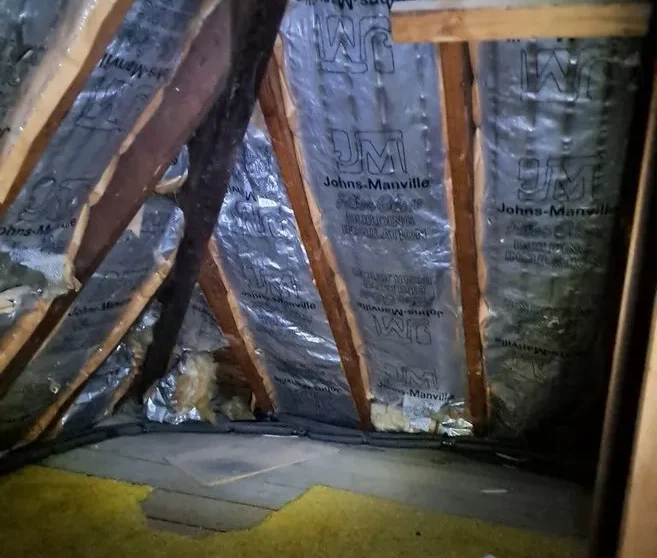
Fiberglass Attic Insulation Cost and Benefits
Fiberglass attic insulation is one of the most widely used insulation materials because it provides reliable thermal performance at an affordable cost. This insulation material is made from extremely fine glass fibers that trap pockets of air, slowing the transfer of heat between your attic and the living spaces below.
By reducing heat loss in the winter and limiting heat gain during the summer, fiberglass attic insulation helps maintain consistent indoor temperatures and improves overall energy efficiency. It is commonly installed as fiberglass batts or blown-in insulation across attic floors, making it a practical solution for both new homes and attic insulation upgrades.
Because it is widely available and relatively easy to install, the fiberglass attic insulation cost is typically one of the most affordable options when comparing attic insulation materials.
Blown-In Attic Insulation Cost and Benefits
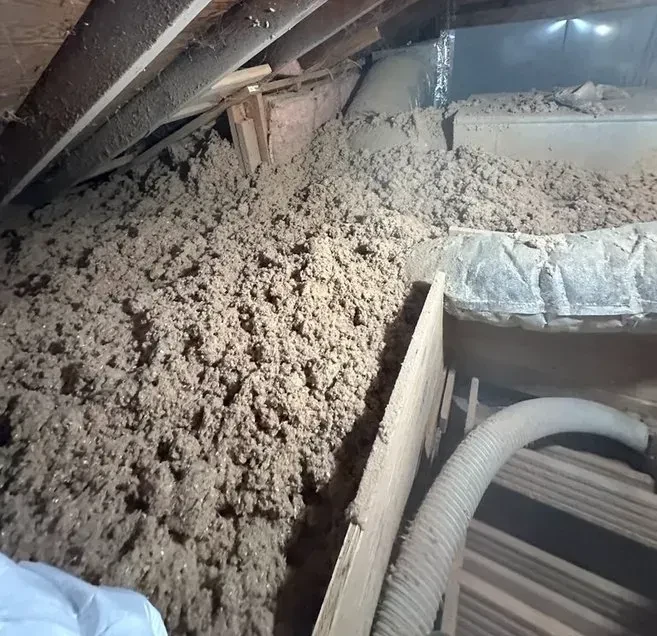
Blown-in attic insulation is a popular option for homeowners upgrading or improving existing attic insulation. Instead of installing insulation in pre-cut sections, this material is applied using specialized equipment that blows loose insulation evenly across the attic floor. Blown in attic insulation is commonly made from fiberglass or cellulose and is particularly effective at filling gaps, small cavities, and irregular areas that traditional batt insulation may miss. Because it spreads evenly and conforms to the attic surface, it helps improve insulation coverage and overall energy performance, plus make the house quieter and improve indoor air quality.
The blown in attic insulation cost is typically based on the total attic size and the amount of insulation required to reach the recommended insulation level. In many homes, the attic blown insulation cost remains relatively affordable compared to higher-end insulation materials while still providing strong thermal performance.
| Cost Factor | Price |
|---|---|
| Cost Per Sq Ft | $1.75 – $4 |
| Average Project Cost | $2,500 – $6,000 |
| Installation Time | 2–4 Hours |
Benefits of Blown-In Insulation
- Fills Hard-To-Reach Spaces
- Quick Installation
- Improves Coverage In Older Homes
- Good Thermal Performance
Spray Foam Attic Insulation Cost and Benefits
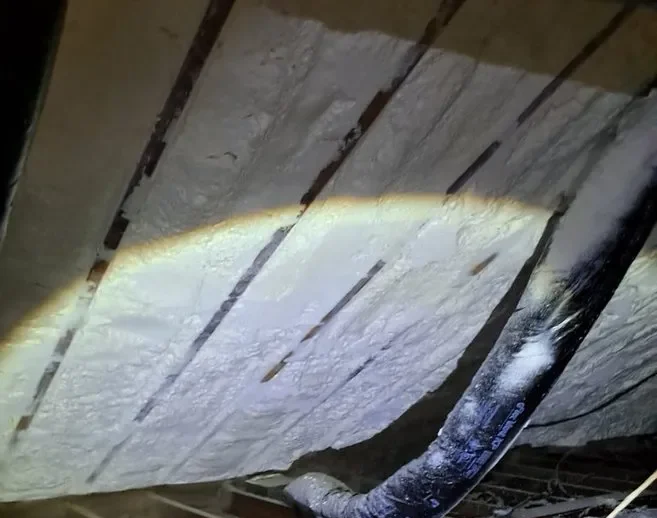
Spray foam insulation is one of the most advanced attic insulation options available because it provides both insulation and air sealing at the same time. During installation, liquid foam is sprayed into the attic where it expands rapidly, filling cracks, gaps, and small openings that allow air to escape. This expansion creates a continuous barrier that helps reduce energy loss and improve indoor comfort. Spray foam attic insulation is especially effective in attics with complex framing or areas where air leakage is common.
Because of its performance benefits, the attic spray foam insulation cost is generally higher than traditional insulation materials. However, many homeowners choose this option because the improved air sealing and insulation performance can significantly reduce energy loss over time.
| Type | Cost Per Sq Ft | Project Cost |
|---|---|---|
| Open Cell | $3 – $6 | $4,500 – $9,000 |
| Closed Cell | $5 – $10 | $7,500 – $15,000 |
Benefits of Spray Foam Insulation
Superior Air Sealing
Highest Energy Efficiency
Moisture Resistance
Long Lifespan
What Affects Attic Insulation Cost?
The final attic insulation cost depends on several factors, including the size of the attic, the insulation material selected, and the level of insulation required for your climate. While average cost ranges can provide a general estimate, the actual attic insulation installation cost for a home can vary depending on several project-specific conditions.
One of the biggest cost factors is attic size, since larger attic spaces require more insulation material and more installation time. The insulation type also plays a major role, as materials like fiberglass and blown-in insulation typically cost less than higher-performance options such as spray foam. The required R-value, which measures insulation performance, can also affect the amount of insulation needed, especially in colder regions where higher insulation levels are recommended.
Additional factors may also influence the cost to insulate an attic. If existing insulation must be removed due to damage, contamination, or poor performance, this can increase the project cost. Labor costs, attic accessibility, ventilation improvements, and obstacles such as wiring or ductwork can also impact the total price of an attic insulation project.
Attic Insulation Cost in Long Island and Brooklyn
Homeowners researching attic insulation cost Long Island or attic insulation cost Brooklyn often discover that insulation upgrades can make a major difference in comfort and energy efficiency. Winters in this region can be cold and windy, which means homes with poorly insulated attics may lose a significant amount of heat. Improving attic insulation helps keep warm air inside during the winter and reduces the amount of work your heating system needs to do.
Many homes in Long Island and Brooklyn were built before modern insulation standards, which means upgrading attic insulation can significantly improve comfort and energy efficiency. Older homes often have outdated or insufficient insulation, allowing heat to escape through the attic during colder months. By upgrading attic insulation, homeowners can reduce energy waste and create more consistent indoor temperatures throughout the home.
Working with experienced attic insulation contractors Long Island homeowners trust can help determine the right insulation material and the recommended insulation level for the local climate. A professional inspection can identify insulation gaps, air leaks, or outdated materials that may be affecting your home’s efficiency and overall comfort.
Get a Free Attic Insulation Quote in Long Island or Brooklyn!
Attic Insulation Cost in Long Island and Brooklyn
Upgrading attic insulation is one of the most effective ways to improve energy efficiency, indoor comfort, and long-term home performance. Whether you choose fiberglass, blown-in insulation, cellulose, or spray foam, the total attic insulation cost will depend on several factors, including attic size, insulation type, installation complexity, and the insulation level required for your climate. While lower-cost insulation materials may offer an affordable upgrade, higher-performance insulation systems can provide greater long-term energy savings and improved air sealing.
A professional attic inspection can identify insulation gaps, outdated materials, and air leaks that may be contributing to energy loss. By addressing these issues, homeowners can improve comfort, reduce energy waste, and protect the long-term efficiency of their homes.
Get a Free Attic Insulation Quote for Your Home in Long Island or Brooklyn Today and Find Out How Much You Could Save with a Properly Insulated Attic!
Frequently Asked Questions About Attic Insulation Cost
How much does attic insulation cost on average?
The average attic insulation cost typically ranges from $1,500 to $6,500 depending on attic size, insulation type, and installation complexity. Larger attics or high-performance insulation materials such as spray foam may increase the total project cost.
What is the attic insulation cost per square foot?
Most attic insulation projects cost between $1.50 and $10 per square foot installed, depending on the insulation material used. Fiberglass and blown-in insulation are usually the most affordable, while spray foam insulation is typically the most expensive.
What type of attic insulation is the most affordable?
Fiberglass batts and blown-in fiberglass insulation are usually the most affordable attic insulation options. These materials provide reliable thermal performance at a relatively low installation cost compared to higher-end insulation systems.
Which attic insulation provides the best energy efficiency?
Spray foam insulation generally provides the highest energy efficiency because it creates both insulation and an air seal. This helps reduce heat loss and air leakage, which can significantly improve overall home energy performance.
How long does attic insulation last?
Most attic insulation materials last 20 to 30 years or longer when properly installed. Spray foam insulation may last even longer because it does not settle or degrade as quickly as some other insulation types.
Does upgrading attic insulation reduce energy bills?
Yes. Proper attic insulation can reduce heating and cooling costs by 10% to 30% depending on the existing insulation level and the climate. Improved insulation helps prevent heat loss and reduces the workload on HVAC systems.
Is attic insulation worth the investment?
In many cases, attic insulation upgrades provide one of the highest returns on investment for home energy improvements. Lower utility bills and improved comfort often offset installation costs over time.
How do I know if my attic needs new insulation?
Signs that your attic may need insulation upgrades include high energy bills, uneven room temperatures, drafty ceilings, or visible insulation gaps. A professional attic inspection can confirm whether additional insulation is needed.
Can I install attic insulation myself?
Some homeowners install fiberglass batt insulation themselves, but many insulation types, such as blown-in insulation or spray foam require specialized equipment and professional installation to ensure proper coverage and performance.
How can I get an accurate attic insulation cost estimate?
The most accurate way to determine attic insulation cost is to schedule a professional attic inspection and insulation quote. Contractors evaluate attic size, existing insulation, ventilation, and air leakage before providing a detailed estimate.