

Aspergillus is one of the most frequently detected types of mold in indoor environments. It belongs to a large group of molds that naturally occur both outdoors and inside homes. Because aspergillus spores are microscopic and airborne, they are easily inhaled, especially in enclosed or poorly ventilated areas.
Most homeowners encounter aspergillus in routine air quality tests, which doesn’t always mean there’s an active mold problem. Health effects depend on individual sensitivity, duration of exposure, and the amount of mold present.
Don’t Let Mold Take Over Your Long Island Home! Contact Us for a Free Mold Inspection!
What is Aspergillus Mold?
Aspergillus is one of the most frequently detected types of mold in indoor environments. It belongs to a large group of molds that naturally occur both outdoors and inside homes. Because aspergillus spores are microscopic and airborne, they are easily inhaled, especially in enclosed or poorly ventilated areas.
Most homeowners encounter aspergillus in routine air quality tests, which doesn’t always mean there’s an active mold problem. Health effects depend on individual sensitivity, duration of exposure, and the amount of mold present.
Don’t Let Mold Take Over Your Long Island Home! Contact Us for a Free Mold Inspection!
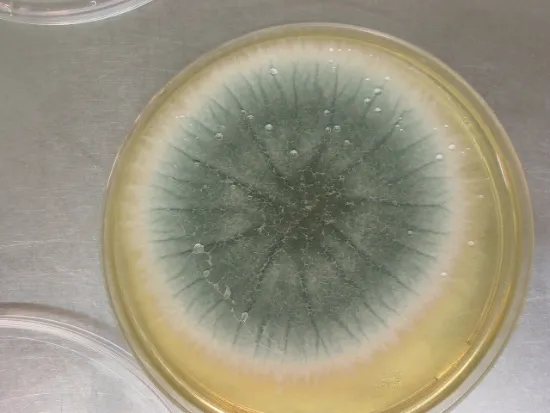
Where Aspergillus Is Found in Homes
Aspergillus mold grows wherever there’s a consistent combination of moisture and organic material. Its spores float easily through indoor air and often settle in hidden or humid spaces, especially where airflow is limited.
You’ll commonly find aspergillus in areas like:
- HVAC systems, ductwork, and air handlers
- Attics with poor ventilation
- Bathrooms with ongoing humidity issues
- Kitchens under sinks or behind appliances
- Basements, especially near foundation cracks or sump pumps
- Around leaking windows or doors
- On stored paper, cardboard, or textiles exposed to moisture
Aspergillus Health Risks (General Overview)
Most aspergillus health risks are linked to breathing in airborne spores over time, particularly in indoor environments where levels are elevated. For many people, brief or low-level aspergillus mold exposure causes little to no noticeable effect, while others may experience mild irritation depending on personal sensitivity.
The aspergillus effects on humans range from temporary nasal, sneezing, congestion, or fatigue, to more persistent reactions when exposure is ongoing. Prolonged exposure in enclosed spaces is generally more concerning than occasional contact, especially when indoor air circulation is limited.
Common health effects of aspergillus exposure may include:
Aspergillus vs Other Common Household Molds
In lab reports, aspergillus is often grouped with penicillium mold because aspergillus and penicillium mold share similar spore structures and growth patterns. Visually, many aspergillus mold types look nearly identical to other light-colored household molds, making surface identification unreliable. This is why laboratory analysis is required to accurately distinguish aspergillus vs penicillium and confirm which mold types are present in a home.
Why Aspergillus Is Common in Air Samples
Aspergillus spores in air are extremely common because this mold is widespread outdoors and easily carried indoors through open doors, windows, and ventilation systems. Normal air movement, seasonal changes, and everyday activities continuously introduce aspergillus airborne spores into homes.
Finding aspergillus mold spores in air samples does not automatically indicate an indoor mold problem. The key distinction is whether spores are simply present at background levels or being amplified indoors due to moisture and growth conditions, which is what testing professionals evaluate when reviewing results.
What to Do If You Think You Have Aspergillus Mold
If you suspect aspergillus mold in your home or business, the most important step is to pause before attempting to clean or disturb the area. Because aspergillus spores are airborne, improper handling can spread them through the building and make evaluation more difficult. A professional mold inspection helps determine whether aspergillus is simply present in the air or actively growing indoors, and whether moisture conditions are contributing to the issue.
For property owners in Long Island, Brooklyn, Queens, or The Bronx, including all of Nassau County and Suffolk County, free mold inspections are often available. In many states, including New York, the company that performs the mold assessment cannot also perform the remediation.
As a result, contractors frequently outsource inspections, which is why homeowners can often obtain a mold inspection at no cost by calling local providers and asking about their process.
Aspergillus Mold: Final Thoughts
Aspergillus is one of the most common molds detected in indoor air because its spores are widespread and easily transported. Its presence alone doesn’t always signal a problem, but moisture, indoor growth, and prolonged exposure can change that.
Understanding where aspergillus comes from and how it behaves helps remove uncertainty and unnecessary alarm. When questions remain, professional evaluation is the most reliable way to protect your indoor environment.
If you’re located in Long Island, don’t leave your home or business to chance. A free mold inspection can provide clear answers and a practical path forward without obligation.
Frequently Asked Questions About Aspergillus Mold
What is aspergillus mold?
Aspergillus is a large group of molds commonly found outdoors and indoors, especially in air samples.
Is aspergillus mold dangerous?
It can be a concern when indoor growth or prolonged exposure occurs, but risk depends on conditions and individual sensitivity.
How does aspergillus get into a home?
Its spores enter through normal air movement, open doors and windows, and HVAC systems.
Does finding aspergillus in an air test mean I have mold growth?
Not necessarily. Detection shows presence, not whether mold is actively growing indoors.
Where does aspergillus usually grow inside buildings?
It tends to grow in damp areas like basements, bathrooms, HVAC systems, and anywhere moisture persists.
Can aspergillus be cleaned without professional help?
Small surface areas may be cleaned, but larger or recurring issues often require professional evaluation.
Why is aspergillus often grouped with other molds in reports?
Its spores look similar to other common molds, which is why lab analysis is needed for identification.
Does Aspergillus grow in crawl spaces?
Yes. Crawl spaces are a common environment for aspergillus growth due to elevated humidity, poor ventilation, and exposed organic materials.
How do I know if my symptoms are related to aspergillus exposure?
Symptoms that improve when you leave the building and return when you’re inside may warrant inspection.
How can I get a free mold inspection?
In Long Island, Brooklyn, Queens, or The Bronx, you can contact Mold Removal Experts by filling out this form to schedule a free mold inspection at your convenience. If you live outside of our service area, you can call around to see which contractors offer free mold inspections.