
If you have found fast-spreading green growth on damp wood, drywall, or wallpaper after a leak or flood, there is a good chance you are looking at trichoderma mold. Trichoderma mold is one of the most common molds on earth, thriving outdoors in soil and decaying wood, and it moves into homes wherever materials stay wet long enough.
It tends to get overlooked next to infamous names like black mold, yet it deserves attention, because its presence indoors is a clear signal of a persistent moisture problem and, for some people, a genuine health concern.
This guide walks through what trichoderma mold looks like, why it appears in houses, whether it is dangerous, the health effects to know about, and how to get rid of it safely. The goal is an honest, grounded picture, not fear, so you can make a smart decision about your home.
Don’t Let Hidden Mold Take Over Your Home! Schedule Your Free Advanced Mold Testing Now!
What Is Trichoderma Mold?
Trichoderma mold is a large genus of fungi found almost everywhere in nature. In the outdoor world it is largely beneficial. It breaks down dead plant matter, and several species are used commercially in agriculture as biological pest control and to produce industrial enzymes. That dual nature is worth understanding up front: the same family of mold that helps a farmer can become an unwelcome problem inside a wet wall.
Indoors, that helpful reputation does not carry over. When trichoderma colonizes building materials, it behaves like any other water-loving mold, spreading across damp surfaces, digesting the material it grows on, and releasing spores into the air. Like all molds, it needs three things to grow: moisture, a food source, and time. Building materials such as wood, paper-faced drywall, wallpaper, and carpet supply the food, and a leak or flood supplies the rest.
What Does Trichoderma Mold Look Like? Green Mold Trichoderma
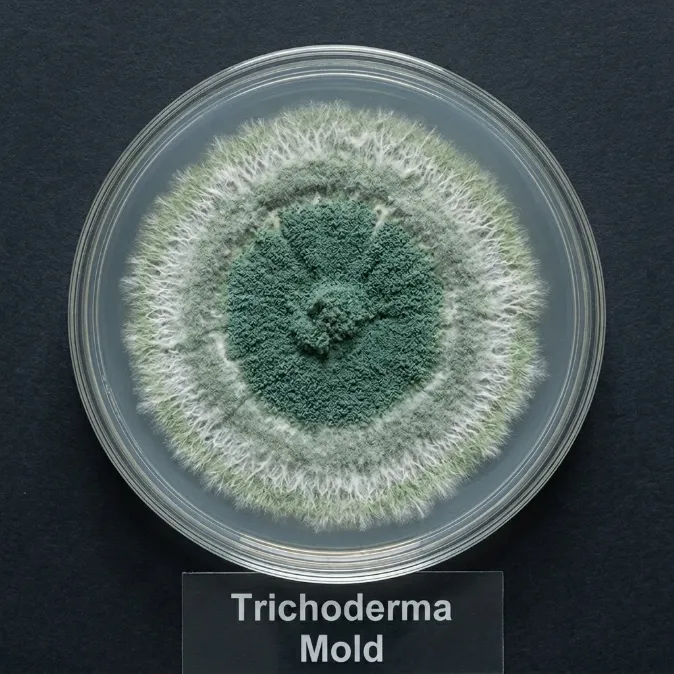
The term green mold trichoderma comes up constantly because color is the most recognizable trait. A young colony usually starts out white and cottony or wooly in texture. As it matures and begins to produce spores, it develops the distinctive green that gives it its nickname, often a vivid or grassy green, sometimes with a yellowish tint at the edges. The patches tend to spread quickly and can take on a powdery surface as sporulation peaks.
That said, color alone is not a reliable identification. Several molds appear green, including some Penicillium and Aspergillus species, so green growth on a wet surface is a strong reason to investigate, not a confirmed diagnosis. The only way to confirm trichoderma specifically is laboratory analysis of a sample. For a homeowner, the practical takeaway is simpler: fast-growing green mold on chronically damp wood or drywall needs to be addressed regardless of its exact name.
Why Trichoderma Mold Grows in Your House
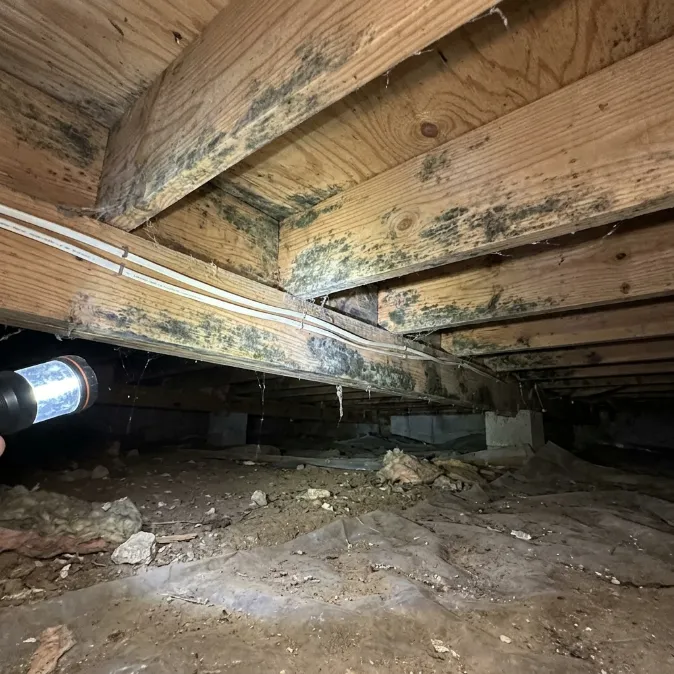
Finding trichoderma mold in house materials almost always points back to one thing: water that stayed too long. This mold is a moisture indicator. It commonly appears after plumbing leaks, roof leaks, basement seepage, flooding, or in spaces with chronically high humidity and poor ventilation. The classic locations are water-damaged wood framing, the back of drywall after a leak, soaked carpet and padding, damp basement and crawl space surfaces, and around HVAC components where condensation collects.
Because trichoderma grows so readily on wet cellulose, it frequently turns up hidden inside wall cavities and under flooring, where a slow leak has gone unnoticed for weeks or months. By the time it is visible on the surface, the moisture problem behind it is usually well established. This is why removing the visible growth without finding and fixing the water source almost guarantees it returns.
Is Trichoderma Mold Dangerous?
The honest answer to whether trichoderma mold is dangerous is: it depends on who is exposed and how much. For most healthy people, exposure to typical indoor levels causes allergy-type and irritation symptoms rather than serious illness. The U.S. Environmental Protection Agency takes a consistent position on all indoor mold: no matter the species, indoor mold growth is not desirable and should be cleaned up promptly while the underlying moisture is fixed. That guidance applies squarely to trichoderma.
Where trichoderma earns extra caution is with vulnerable groups. Certain species, particularly Trichoderma longibrachiatum, are recognized as opportunistic pathogens, meaning they can cause infections in people with weakened immune systems, such as transplant recipients, chemotherapy patients, and others who are immunocompromised. The mold can also produce mycotoxins and volatile organic compounds, the latter often responsible for the musty smell associated with active growth. So while trichoderma is not a high-danger mold for the average healthy household, it is not harmless, and the risk rises meaningfully for sensitive individuals.
Trichoderma Mold Health Effects
The reported trichoderma mold health effects fall into a few categories, and they track with what is known about mold exposure generally.
- Allergic and respiratory reactions: sneezing, nasal congestion, runny nose, itchy or watery eyes, coughing, and throat irritation are the most common complaints.
- Asthma aggravation: for people with asthma, mold exposure can trigger or worsen attacks, and trichoderma is among the molds capable of doing so.
- Sinus irritation and recurring congestion in damp homes.
- Skin and eye irritation on direct contact with contaminated materials.
- More serious infection in immunocompromised individuals, which is uncommon but documented and is the main reason this mold is taken seriously in healthcare settings.
It is worth keeping perspective. Most people who encounter a small patch of trichoderma after a leak will experience, at most, allergy-style symptoms that ease once the mold and moisture are gone. The concern grows with the size of the contamination, the length of exposure, and the health of the people in the home. If anyone in the household has asthma, allergies, a respiratory condition, or a compromised immune system, treat the situation with more caution and lean toward professional help.
How to Remove Trichoderma Mold
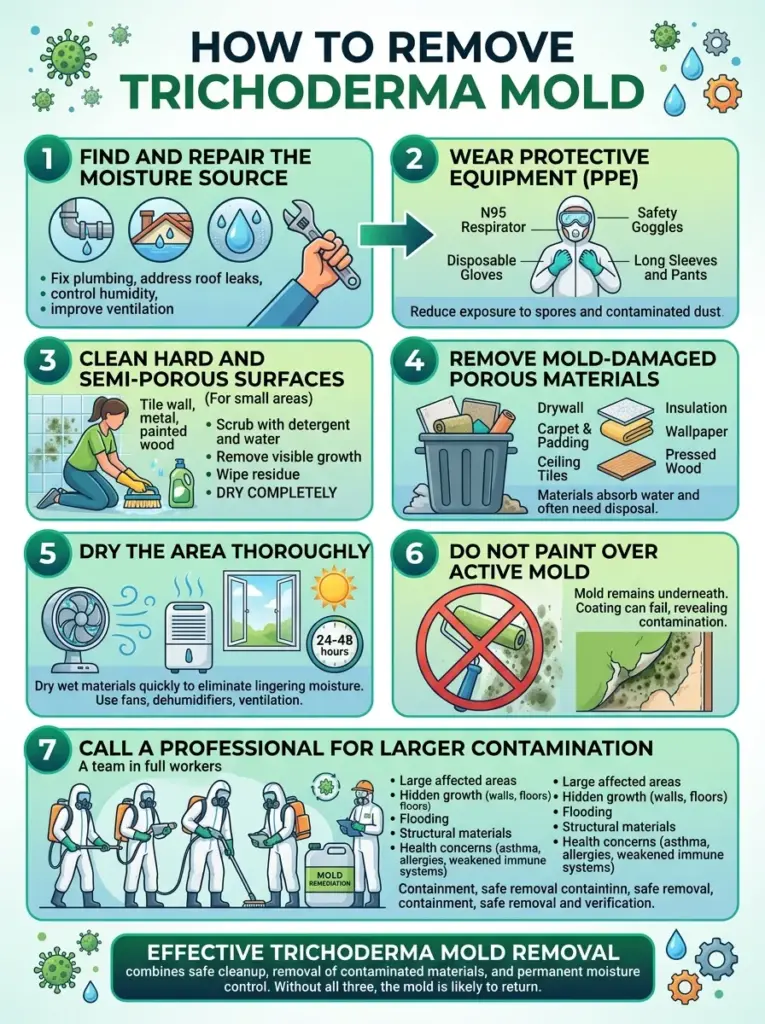
Removing trichoderma mold requires more than simply cleaning the visible growth. Like other indoor molds, it will continue to return if the moisture source is not corrected first. The right approach depends on how much mold is present, what materials are affected, and whether the growth has spread into hidden areas.
Step 1: Identify and Fix the Moisture Source
Before any cleanup begins, find out why the area became wet. Common causes include plumbing leaks, roof leaks, flooding, condensation, high humidity, and poor ventilation. Removing mold without fixing the moisture problem almost guarantees it will return.
Step 2: Wear Proper Protective Equipment
For small cleanup projects, wear:
- An N95 respirator or better
- Disposable gloves
- Safety goggles or eye protection
- Long sleeves and pants if possible
This helps reduce exposure to mold spores and contaminated dust during removal.
Step 3: Clean Hard and Semi-Porous Surfaces
If the mold is limited to a small area on materials such as painted wood, metal, tile, or other non-porous and semi-porous surfaces:
- Scrub the affected area with detergent and water.
- Remove all visible mold growth.
- Wipe away residue.
- Dry the surface completely.
The drying step is critical because mold cannot continue growing without moisture.
Step 4: Remove Mold-Damaged Porous Materials
Materials that absorb water often cannot be fully cleaned once mold has penetrated them. Common examples include:
- Drywall
- Carpet
- Carpet padding
- Ceiling tiles
- Insulation
- Wallpaper
- Pressed wood products
These materials typically need to be removed and replaced if mold growth is extensive or deeply embedded.
Step 5: Dry the Area Thoroughly
After cleaning or removal, dry the area as quickly as possible. Industry guidance generally recommends drying wet materials within 24 to 48 hours whenever feasible. Use fans, dehumidifiers, and improved ventilation to eliminate lingering moisture.
Step 6: Do Not Paint Over Active Mold
Painting or sealing over active mold does not solve the problem. The mold remains underneath the coating and can continue growing if moisture is still present. Over time, the paint may peel, bubble, or fail, revealing the contamination again.
Step 7: Call a Professional for Larger Contamination
Professional remediation is the safest option when:
- The mold covers a large area
- Growth is hidden inside walls, ceilings, or flooring
- The home recently experienced flooding
- Structural materials are affected
- Household members have asthma, mold allergies, chronic lung disease, weakened immune systems, or other health concerns
Professional remediation teams contain the work area, prevent cross-contamination, remove damaged materials safely, address the moisture source, and verify the area is clean and dry before repairs begin.
The most effective trichoderma mold removal plan combines safe cleanup, removal of contaminated materials when necessary, and permanent moisture control. Without all three, the mold is likely to return.
Trichoderma vs Other Household Molds
Trichoderma is one of many molds that follow water damage, and it often appears alongside others. Compared with the notorious Stachybotrys, or black mold, trichoderma is generally considered lower risk for healthy people, though both demand removal and both indicate a serious moisture problem. Compared with common green molds like Penicillium and Aspergillus, trichoderma can be visually similar, which is exactly why color is not a diagnosis. What unites all of them is the cause. Every one of these molds is telling you the same thing: a material in your home has been wet for too long. The species matters for risk assessment, but the response, fix the water and remove the growth, is largely the same.
Preventing Trichoderma Mold
Prevention is simply moisture control. Keep indoor humidity in a healthy range, generally below sixty percent, using dehumidifiers and ventilation where needed. Fix leaks from plumbing, roofs, and foundations quickly, and dry any water-damaged area within a day or two. Improve airflow in basements, crawl spaces, and bathrooms, the damp, still spaces where mold takes hold. Address basement and crawl space water with proper drainage and waterproofing so materials are never sitting in moisture. Because trichoderma cannot grow without water, a dry home is a home where it has no foothold.
Trichoderma Mold: Final Thoughts
The most useful way to think about trichoderma mold is as a messenger. That fast-spreading green growth on wet wood or drywall is telling you, clearly, that water has been somewhere it should not be for longer than it should have been. For most healthy households the trichoderma mold itself causes allergy-style symptoms at worst, but for anyone with asthma, allergies, or a weakened immune system, it warrants real caution, and in every case it points to a moisture problem that will only worsen if ignored. The path forward is the same one that works for any indoor mold: find and fix the water, remove the contaminated materials safely, and dry the space thoroughly so it cannot return. Do that, and trichoderma mold loses the one thing it cannot live without. If you have found green mold and suspect hidden water damage behind it, a professional inspection can trace the source and confirm what your home actually needs.
Protect Your Basement From Groundwater Flooding
Frequently Asked Questions About Trichoderma Mold:
Is Trichoderma Mold Toxic?
Some trichoderma species can produce mycotoxins, and certain species may cause infections in people with severely weakened immune systems. For most healthy individuals, the more common concerns are allergic reactions, respiratory irritation, and exposure to mold spores. Any indoor trichoderma mold growth should be removed because it indicates a moisture problem that can worsen over time.
What Does Trichoderma Mold Look Like?
Trichoderma mold often starts as a white, cotton-like growth before turning green as it matures and produces spores. It may appear fuzzy, powdery, or velvety and can spread rapidly across damp wood, drywall, insulation, carpet, and wallpaper. Because many molds look similar, laboratory testing is the only reliable way to identify the exact species.
Why Do I Have Trichoderma Mold in My House?
Trichoderma mold grows when building materials stay damp long enough for mold spores to take hold. Common causes include plumbing leaks, roof leaks, flooding, foundation seepage, condensation, poor ventilation, and high indoor humidity. Its presence almost always points to an ongoing moisture problem that should be addressed.
Can I Remove Trichoderma Mold Myself?
Small areas of mold growth, generally less than about 10 square feet, can often be cleaned by a homeowner using proper protective equipment after the moisture source has been fixed. Larger infestations, hidden mold, contaminated HVAC systems, or homes with sensitive occupants are better handled by professional mold remediation specialists. Professional removal helps prevent the spread of spores and ensures the moisture problem is corrected.
Is Green Mold the Same as Black Mold?
No. Green mold often refers to trichoderma, aspergillus, or penicillium species, while black mold commonly refers to Stachybotrys chartarum. Both indicate excess moisture and should be removed, but they differ in appearance, growth habits, and potential health effects.
Where Is Trichoderma Mold Commonly Found?
Trichoderma mold is commonly found on wet drywall, wood framing, insulation, carpet, wallpaper, ceiling tiles, subflooring, and other cellulose-based materials. It frequently appears after water damage, leaks, flooding, or prolonged humidity. It can also grow behind walls and under flooring where moisture remains trapped.
Can Trichoderma Mold Make You Sick?
Trichoderma mold can contribute to symptoms such as sneezing, coughing, nasal congestion, throat irritation, watery eyes, headaches, and asthma flare-ups in sensitive individuals. People with mold allergies, respiratory conditions, or weakened immune systems may experience stronger reactions. The severity of symptoms depends on the amount of mold present and the individual’s sensitivity.
How Fast Does Trichoderma Mold Spread?
Trichoderma mold can spread quickly when moisture remains available. Under favorable conditions, mold growth can begin within 24 to 48 hours after water exposure and continue expanding across damp materials. The longer the moisture source remains active, the larger the contamination can become.
Will Trichoderma Mold Come Back After Removal?
Trichoderma mold can return if the underlying moisture problem is not corrected. Successful mold remediation requires both removing the existing contamination and eliminating the water source that allowed it to grow. When leaks, humidity issues, and water intrusion are properly addressed, the likelihood of regrowth drops significantly.
Does Trichoderma Mold Mean There Is Water Damage?
In most cases, yes. Trichoderma mold is strongly associated with excess moisture and water-damaged building materials. Finding it indoors usually means there is a leak, seepage issue, humidity problem, condensation source, or previous water event that should be investigated.