
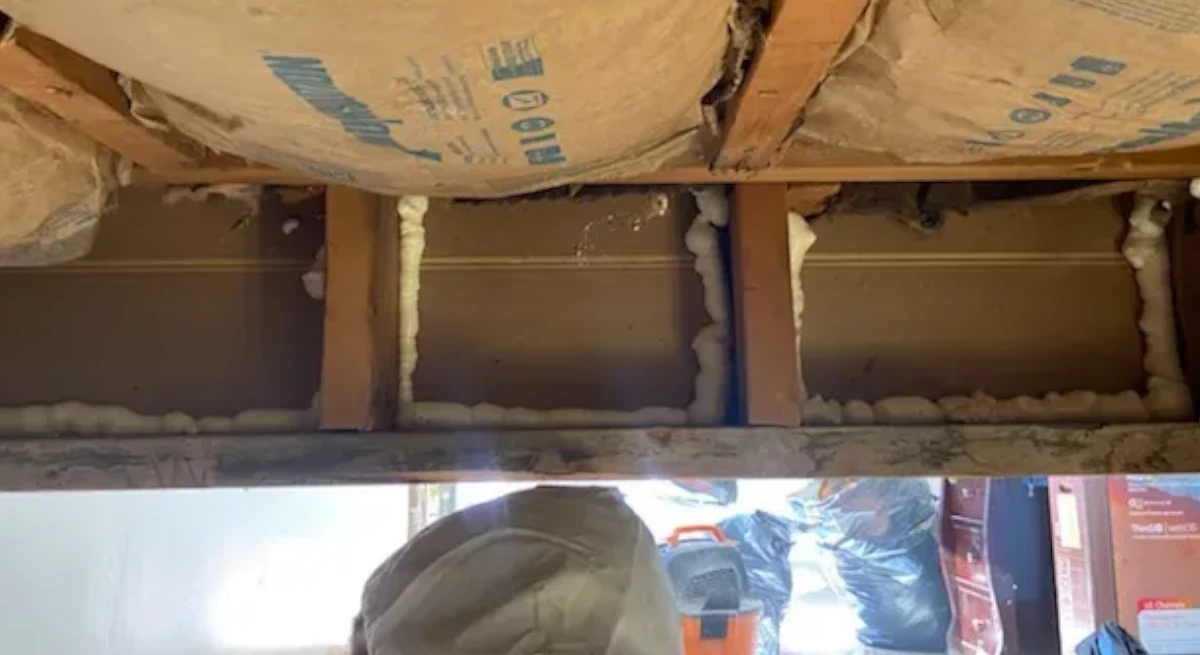
Rim joists are one of the most overlooked sources of energy loss and moisture problems in a home. Because they sit at the intersection of your foundation and floor framing, small air leaks at the rim joist can allow outside air, humidity, and temperature swings to move directly into your living space. Over time, this can lead to cold floors, musty odors, higher heating costs, and even condensation that damages structural wood.
In this guide, we’ll explain how rim joist insulation works in both basements and crawl spaces, why these areas behave differently, and what insulation strategies help control air leakage and moisture risk. You’ll also learn why air-sealing the rim joist, often called rim joist sealing, is one of the most effective ways to improve comfort, reduce drafts, and protect your home from hidden moisture issues.
Long Island & Brooklyn Homeowners – Get Your Free Crawl Space Inspection!

Benefits of Rim Joist Insulation for Basements and Crawl Spaces
Many homeowners only discover rim joist issues after they begin noticing comfort problems or moisture concerns inside the home. Because the rim joist area sits at the junction between your home’s structure and the outdoor environment, even small gaps can allow outside air, moisture, and pests to enter unnoticed.
Poorly insulated rim joists can contribute to cold floors in winter, rising energy bills, and moisture buildup that impacts indoor air quality and the durability of structural wood. Proper air sealing and insulation in this area can significantly improve comfort while helping protect your home from hidden damage.
Benefits of Rim Joist Insulation for Basements and Crawl Spaces
- Stop Air Leaks: Rim joists are one of the largest hidden air leakage points in a home. Proper sealing prevents outside air from entering through small gaps around framing and foundation connections.
- Prevent Moisture Damage: Incorrect insulation methods can trap moisture against wood framing. Air-sealed insulation helps prevent humid air from reaching cold surfaces where condensation can form.
- Improve Comfort: Cold floors and drafts often originate from air leaks at the rim joist. Proper insulation helps stabilize indoor temperatures and improves comfort throughout the home.
- Protect Structural Wood: Condensation inside rim joist cavities can lead to mold growth, wood rot, and long-term structural damage if left unresolved.
Schedule a Home Insulation Evaluation!
Why Rim Joists Behave Differently in Basements vs Crawl Spaces
Although rim joists exist in the same location structurally, the environment around them can be very different depending on the type of foundation. Basements and crawl spaces operate under different temperature, humidity, and airflow conditions, which means the insulation strategy must be adjusted to match the assembly. Most basements are conditioned or semi-conditioned spaces, meaning they share air and temperature conditions with the rest of the house.
Crawl spaces, however, can be vented, encapsulated, or partially conditioned, each of which affects how air and moisture move through the space. These differences influence humidity levels, air leakage, and the likelihood of condensation forming on cold framing materials like the rim joist. Because of this, proper rim joist insulation isn’t just about adding insulation. It also requires air sealing and moisture control that matches the foundation type.
Insulating Rim Joists in Basements
Basements typically provide a more stable environment than crawl spaces because they are surrounded by foundation walls and often share conditioned air with the living space above. Even so, rim joists remain a common location for hidden air leaks and heat loss. Small gaps where framing meets the foundation can allow outside air to enter, leading to cold floors, drafts, and reduced energy efficiency. Proper air sealing and insulation help prevent these issues while improving comfort throughout the home.
Key Steps for Insulating Basement Rim Joists
- Air Sealing Gaps and Seams
- Installing Spray Foam Insulation
- Using Rigid Foam Board Panels
- Sealing Around Framing Connections
- Avoiding Fiberglass-Only Insulation
Insulating Rim Joists in Crawl Spaces
Crawl spaces create a more challenging environment for rim joist insulation because they are often exposed to outdoor air, ground moisture, and fluctuating temperatures. These conditions increase the risk of humid air reaching cooler framing surfaces where condensation can form. Without proper air sealing and insulation, moisture can accumulate and potentially lead to mold growth or wood deterioration. Addressing both air leaks and moisture control helps protect the structure and maintain healthier indoor conditions.
Key Considerations for Crawl Space Rim Joist Insulation
- Air Sealing Rim Joist Gaps
- Moisture Control Strategies
- Spray Foam or Rigid Foam Insulation
- Coordination With Crawl Space Encapsulation
- Managing Ground Moisture and Humidity
Signs Your Rim Joists Need Insulation
Rim joist problems often go unnoticed because the area is hidden behind framing and insulation. However, several comfort and moisture issues inside the home can signal that the rim joist is leaking air or lacking proper insulation. If these symptoms appear, it may indicate that the rim joist needs inspection, air sealing, or updated insulation.
Common signs include:
- Cold floors, especially near exterior walls
- Drafty basements or noticeable air movement near the floor framing
- Musty odors coming from the basement or crawl space
- Visible mold, moisture staining, or damp wood near the rim joist
- Higher-than-normal heating bills during colder months
Because the rim joist sits at the edge of the building envelope, problems here can affect both energy efficiency and moisture control throughout the home.
How Proper Rim Joist Insulation Is Installed
Effective rim joist insulation involves more than simply placing insulation in the cavity. A professional installation evaluates airflow, moisture conditions, and the surrounding building assembly to ensure the solution performs properly over time.
Common Rim Joist Insulation Mistakes
Even when homeowners try to improve insulation themselves, rim joist problems often persist because the installation method doesn’t address the underlying air and moisture issues. These mistakes can allow drafts, humidity, and condensation to continue affecting the home.
Using Fiberglass Alone
Fiberglass insulation slows heat transfer but does not stop airflow. Without proper air sealing, humid air can move through the insulation and reach cold framing surfaces.
Ignoring Air Leaks
Small gaps around framing joints, wiring, and foundation connections can allow significant air leakage. Since airflow drives many condensation problems, failing to seal these gaps can undermine any insulation upgrade.
Not Addressing Crawl Space Moisture
If humidity levels remain high in a crawl space, adding insulation alone will not prevent condensation. Moisture sources such as ground vapor, outside air infiltration, or poor ventilation must also be addressed.
Treating Basements and Crawl Spaces the Same
Basements and crawl spaces have different environmental conditions. Using the same insulation approach for both can create moisture problems instead of solving them.
- Step 1: Inspection $20
The process begins with a detailed inspection of the basement or crawl space to identify air leaks, moisture issues, and existing insulation problems.
- Step 2: Air Sealing $9
Gaps around framing, penetrations, and seams are sealed to prevent outside air from entering the rim joist area.
- Step 3: Moisture Evaluation $32
Moisture Evaluation Humidity levels, crawl space conditions, and potential condensation risks are assessed to ensure the insulation strategy will not trap moisture.
- Step 4: Insulation Installation $32
Air-impermeable insulation such as spray foam or rigid foam board is installed to both insulate and block airflow at the rim joist.
- Step 5: Integration with Foundation Insulation $32
The rim joist insulation is coordinated with wall or crawl space insulation systems to create a continuous air and thermal barrier around the foundation.
Typical Rim Joist Insulation Cost
Most homeowners spend $1,500 to $3,500 to insulate rim joists in a typical basement, though smaller projects can be closer to $500 to $1,200 and larger homes or crawl space installations may reach $4,000 or more. The final cost depends on the size of the foundation perimeter, accessibility, and the insulation method used. Spray foam installations generally cost more but provide both insulation and air sealing, while rigid foam board and sealed seams can sometimes reduce material costs when access is straightforward. If you’re comparing insulation upgrades or planning a larger project, you can check out our full insulation cost guide here to see pricing for different areas of the home.
Rim Joist Insulation in Basements vs Crawl Spaces: Final Thoughts
Rim joists may be a small part of a home’s structure, but they play a major role in air sealing, insulation performance, and moisture control. Because basements and crawl spaces operate under different environmental conditions, the insulation strategy must match the specific foundation assembly to prevent condensation and energy loss.
When rim joists are properly air sealed and insulated with air-impermeable materials, homeowners often notice warmer floors, fewer drafts, lower heating costs, and reduced moisture issues in the basement or crawl space. Addressing this area correctly helps create a more efficient building envelope while protecting the structural wood from long-term moisture damage.
Stop Drafts and Moisture in Your Long Island Crawl Space or Basement! Schedule A Home Insulation Assessment Today!
Frequently Asked Questions About Rim Joist Insulation:
What is a rim joist?
A rim joist is the outer board that runs along the edge of a home’s floor framing where the floor system meets the foundation wall. It closes off the ends of the floor joists and is a common location for air leaks and heat loss.
Why are rim joists a major source of air leaks?
Rim joists often contain gaps around framing connections, wiring, pipes, and seams between the foundation and wood framing. These small openings allow outside air to enter the home, making rim joists one of the largest hidden air leakage points in many houses.
Should rim joists be insulated?
Yes. Rim joists should be both air sealed and insulated to reduce drafts, prevent condensation, and improve overall energy efficiency. Insulating this area helps stop air movement and stabilizes temperatures near the floor system.
What is the best insulation for rim joists?
Air-impermeable insulation such as spray foam or rigid foam board is typically recommended for rim joists. These materials block airflow and reduce condensation risk better than fiberglass insulation alone.
Why can fiberglass insulation cause problems in rim joists?
Fiberglass insulation slows heat transfer but does not stop airflow. If humid air passes through fiberglass and contacts a cold rim joist surface, condensation can form, potentially leading to mold or moisture damage.
Are rim joist insulation methods different in crawl spaces and basements?
Yes. Basements are usually more temperature-stable and partially conditioned, while crawl spaces may have higher humidity, outside air infiltration, and ground moisture. Because of these differences, crawl space rim joists often require additional air sealing and moisture control.
Can poorly insulated rim joists cause cold floors?
Yes. Air leaks at the rim joist allow cold outdoor air to enter the floor system, which can make floors above basements or crawl spaces feel noticeably colder during winter.
Do rim joists contribute to mold problems?
They can. If warm humid air reaches a cold rim joist surface, condensation may develop inside the cavity. Over time, this moisture can lead to mold growth or wood rot if the area is not properly sealed and insulated.
How do you know if your rim joists need insulation?
Common signs include cold floors, drafts near exterior walls, musty crawl space smells, visible mold or damp wood near the rim joist, and rising heating costs.
Can rim joist insulation lower energy bills?
Yes. Because rim joists are a frequent source of air leakage, properly sealing and insulating them can significantly reduce heat loss, improve indoor comfort, and lower heating and cooling costs.