
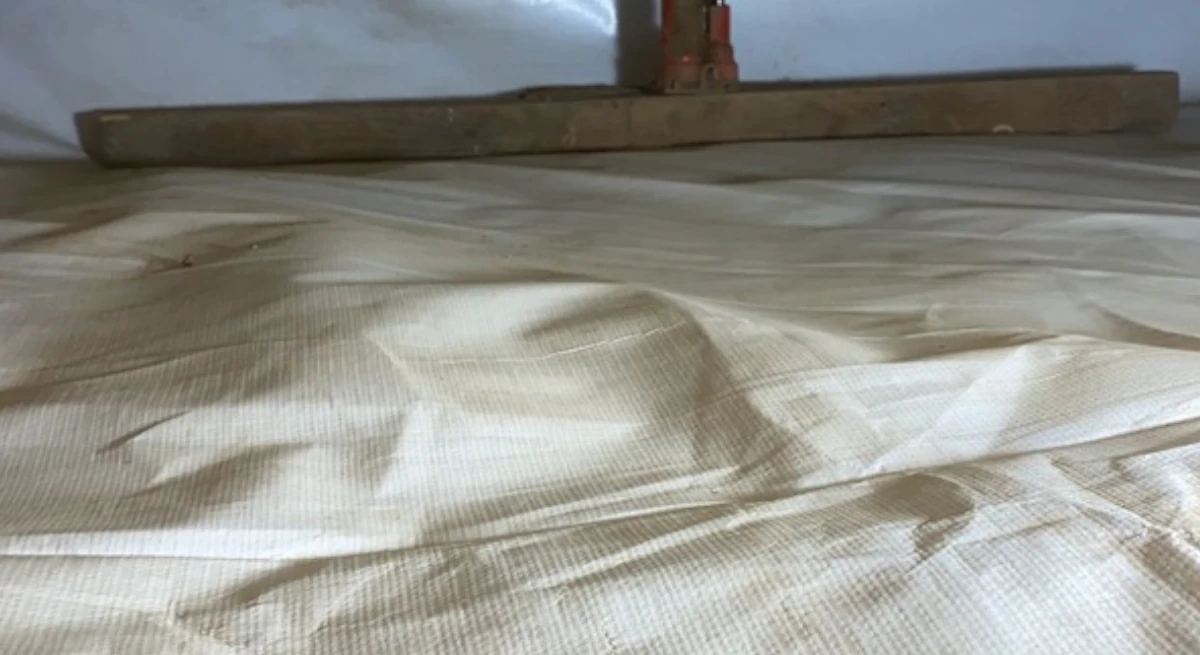
Crawl spaces are naturally prone to moisture because they sit close to the ground and often have limited ventilation. When warm, humid air enters these cool, enclosed areas, condensation can form on wood, insulation, and foundation surfaces. Add moisture rising from exposed soil or small plumbing leaks, and the crawl space can quickly become the perfect environment for mold growth.
Left untreated, crawl space mold can affect more than just the space under your home. Moisture and mold spores can circulate into living areas, impacting indoor air quality and potentially causing allergies or respiratory irritation. Over time, excess moisture can also damage wooden structures, weaken insulation, and even reduce your home’s overall value.
Preventing crawl space mold starts with understanding why moisture builds up and how to control it. In this guide, we’ll explain the common causes of wet crawl spaces, the warning signs homeowners should watch for, and practical steps you can take to keep the area dry and mold-free.
Get a Free Crawl Space Mold Inspection in Long Island & Brooklyn!
What Causes a Wet Crawlspace?
A wet crawl space usually develops because moisture is able to enter the area faster than it can dry out. When water or humidity accumulates beneath a home, it creates damp conditions that encourage mold growth and structural damage. Identifying the root cause of crawl space moisture is critical for preventing long-term mold problems.
1. Poor Drainage Around the Foundation
If rainwater isn’t directed away from the home properly, it can collect near the foundation and seep into the crawl space. Poor grading, short downspouts, or clogged gutters can allow water to pool around the base of the house, increasing moisture levels underneath the structure.
2. Missing or Damaged Vapor Barrier
Many crawl spaces rely on a vapor barrier to block moisture from the soil below. When this protective layer is missing, torn, or improperly installed, water vapor can easily rise from the ground and increase humidity levels inside the crawl space.
3. Broken or Leaking Pipes
Plumbing lines often run through crawl spaces, and even small leaks can introduce significant moisture over time. Because crawl spaces are rarely checked, these leaks may go unnoticed until mold or water damage becomes visible.
4. Improper Crawlspace Venting
Older crawl spaces were commonly built with vents to improve airflow. However, these vents can sometimes allow humid outdoor air to enter the space. When that warm air meets cooler surfaces, condensation can develop and raise moisture levels.
5. Groundwater Intrusion
In areas with high water tables or heavy rainfall, groundwater can seep into crawl spaces through cracks in foundation walls or floors. This can lead to standing water, damp soil, and consistently high humidity levels that support mold growth.
Signs You May Have Mold in Your Crawl Space
Because crawl spaces are hidden areas, mold problems often go unnoticed until the issue becomes more serious. Recognizing the early warning signs can help homeowners address moisture and mold before it spreads throughout the home.
- Musty Odors Inside the House $20
A persistent musty smell is one of the most common signs of mold growth in a crawl space. Mold releases microbial gases that can travel through vents, floor gaps, and HVAC systems into the living areas of the home.
- Visible Mold or White Fuzzy Growth $9
If you inspect the crawl space and notice dark spots, patches of discoloration, or white fuzzy growth on wood or insulation, mold may already be present. Mold can appear in various colors including black, green, or white.
- High Indoor Humidity Levels $32
Excess moisture in a crawl space can affect humidity levels throughout the home. If rooms feel damp, condensation appears on windows, or a humidity monitor regularly reads above 60%, a crawl space moisture issue may be contributing to the problem.
- Warped Wood or Insulation Damage $32
Prolonged moisture exposure can cause wooden beams, joists, and subflooring to warp or weaken. Wet insulation may also sag or deteriorate, reducing its effectiveness and creating more surfaces for mold to grow.
- Allergy Symptoms or Respiratory Issues $32
Mold spores can circulate from the crawl space into the home’s air. Some occupants may experience symptoms such as sneezing, coughing, itchy eyes, or worsening allergy or asthma conditions when mold is present.
7 Proven Ways to Prevent Crawl Space Mold
Preventing crawl space mold starts with controlling moisture. By keeping the area beneath your home dry and properly sealed, you can significantly reduce the chances of mold growth and structural damage.
1. Install a Vapor Barrier
A vapor barrier is one of the most effective ways to block moisture from entering a crawl space. These barriers are typically made from thick polyethylene sheets that cover the exposed soil beneath the home.
By sealing the ground surface, a vapor barrier helps prevent moisture from evaporating into the crawl space and raising humidity levels.
2. Improve Crawl Space Drainage
Proper drainage helps keep water away from the foundation and crawl space. Installing French drains around the home can help redirect groundwater away from the structure.
Extending downspouts several feet away from the foundation also helps prevent rainwater from collecting near the crawl space.
3. Encapsulate the Crawl Space
Crawl space encapsulation involves sealing the entire area with moisture-resistant materials. This creates a controlled environment that blocks outside humidity and groundwater from entering.
Professional encapsulation systems often include sealed liners, insulation, and moisture control equipment to keep the space dry year-round.
4. Use a Crawl Space Dehumidifier
A crawl space dehumidifier helps regulate humidity levels beneath your home. Maintaining humidity below about 55% makes it much harder for mold to grow.
These systems are specifically designed for enclosed spaces and can run continuously to remove excess moisture from the air.
5. Seal Air Leaks and Vents
Sealing gaps, vents, and openings in the crawl space helps prevent humid outdoor air from entering. Many homeowners use foam sealing or other insulation methods to close these openings.
In some cases, crawl spaces are converted into conditioned spaces, which helps stabilize temperature and humidity levels.
6. Fix Plumbing Leaks Immediately
Even small plumbing leaks can introduce enough moisture to support mold growth. Regularly inspecting pipes and repairing leaks quickly can prevent long-term moisture buildup.
7. Improve Exterior Water Management
Keeping water away from your home’s foundation is essential for a dry crawl space. Ensuring proper grading around the house allows rainwater to flow away instead of pooling near the structure.
Regularly cleaning gutters and ensuring downspouts are functioning properly also helps prevent excess water from reaching the crawl space.
Crawl Space Encapsulation vs Vapor Barriers: What’s the Difference?
Homeowners often hear about vapor barriers and crawl space encapsulation as solutions for moisture control. While both methods help reduce humidity and protect against mold, they work at different levels of protection and cost.
Crawl Space Vapor Barrier
A vapor barrier is a sheet of moisture-resistant material, usually polyethylene plastic, installed over the exposed soil in a crawl space. Its primary purpose is to block water vapor from rising out of the ground and increasing humidity levels.
Vapor barriers provide basic moisture protection and are typically the more affordable option. While they can significantly reduce humidity, they don’t completely seal the crawl space from outside air or other sources of moisture.
Crawl Space Encapsulation
Crawl space encapsulation is a more comprehensive solution. This process involves sealing the entire crawl space with heavy-duty liners along the floor and walls, closing vents, and often installing a dehumidifier.
Because encapsulation creates a fully sealed environment, it offers long-term moisture control and better protection against mold growth. However, it is generally more expensive than installing a simple vapor barrier.
Which One Is Best for Mold Prevention?
Both options can help reduce crawl space moisture, but encapsulation typically offers stronger protection against mold. A vapor barrier may be sufficient for mild moisture issues, while homes with persistent humidity or water intrusion may benefit more from full encapsulation.
DIY Crawl Space Mold Prevention Checklist
Regular maintenance can help prevent moisture problems before they turn into mold infestations. Homeowners can use the following checklist to keep their crawl spaces dry and well-maintained:
- Inspect the crawl space at least twice per year for moisture or mold signs
- Install or repair a vapor barrier if exposed soil is present
- Check plumbing lines for leaks or condensation
- Monitor crawl space humidity levels with a hygrometer
- Clean gutters and improve drainage around the foundation
- Remove organic debris such as wood scraps or leaves
- Install a dehumidifier if humidity exceeds 60%
When to Call a Professional for Crawl Space Mold
While small moisture issues can sometimes be addressed with DIY solutions, certain situations require professional inspection and remediation. If mold growth or water damage becomes severe, professional treatment may be necessary to protect the structure of your home.
- Large Mold Infestations: If mold has spread across large sections of wood, insulation, or crawl space surfaces, professional remediation is often needed to safely remove the contamination.
- Structural Wood Damage: Moisture and mold can weaken structural components such as floor joists and beams. If you notice sagging wood, rot, or deterioration, a professional assessment is recommended.
- Standing Water in Crawlspace: Standing water indicates a significant moisture problem that could stem from drainage failures, groundwater intrusion, or plumbing issues. This situation often requires specialized equipment to resolve.
- Recurring Mold Problems: If mold continues to return even after cleaning or minor repairs, there may be an underlying moisture issue that requires professional diagnosis and long-term solutions such as encapsulation or drainage improvements.
How Much Does Crawl Space Mold Prevention Cost?
The cost of preventing crawl space mold depends on the type of solution needed and the size of the area. Some preventative measures are relatively affordable, while more comprehensive systems may require a larger investment.
Typical cost ranges include:
- Vapor Barrier Installation: $0.50–$2 per square foot
- Crawl Space Encapsulation: $5,000–$15,000 depending on size and materials
- Crawl Space Dehumidifier: $800–$2,000 installed (full cost guide)
- Mold Remediation: $500–$6,000 depending on severity
Addressing moisture problems early can help homeowners avoid larger repair costs and protect their home from long-term mold damage.
Crawl Space Mold Prevention: Final Thoughts
Preventing crawl space mold starts with controlling moisture before it becomes a long-term problem. Simple steps like installing a vapor barrier, improving drainage around the foundation, sealing air leaks, and monitoring humidity levels can make a major difference in keeping your crawl space dry. Moisture management is the key to protecting both your home and your indoor air quality.
When humidity stays below mold-friendly levels and water intrusion is addressed quickly, the risk of mold growth drops significantly. Regular inspections of your crawl space, especially after heavy rain or seasonal weather changes can help homeowners catch small issues before they turn into costly repairs. With proper maintenance and moisture control, your crawl space can remain clean, dry, and mold-free for years to come.
Don’t Leave Your Long Island Home to Chance! Our Expert Opinion is Always Free! Schedule Your free Mold Inspection Now!
Frequently Asked Questions About Crawl Space Mold
What humidity level causes mold in crawl spaces?
Mold typically begins to grow when humidity levels rise above 60%. To prevent mold growth, crawl spaces should ideally be kept between 40% and 55% humidity. Using a crawl space dehumidifier or installing a vapor barrier can help maintain safe moisture levels.
Will a vapor barrier stop mold completely?
A vapor barrier helps reduce moisture by blocking water vapor from the soil beneath the crawl space. While it significantly lowers humidity, it may not stop mold completely if other moisture sources such as plumbing leaks or poor ventilation are present.
Can mold in a crawlspace affect indoor air quality?
Yes. Up to 50% of the air inside a home can originate from the crawl space due to the stack effect. Mold spores, odors, and moisture from the crawl space can circulate into living areas, potentially affecting indoor air quality and triggering allergies.
Is crawl space encapsulation worth the cost?
For homes with persistent moisture problems, crawl space encapsulation can be a worthwhile investment. Encapsulation seals the crawl space, controls humidity, and can help prevent mold, improve energy efficiency, and protect structural components.
How long does it take mold to grow in a wet crawlspace?
Mold can begin growing within 24 to 48 hours after surfaces become damp. When humidity remains high and moisture persists, mold colonies can spread quickly across wood, insulation, and other organic materials.
What are the first signs of mold in a crawl space?
Common early signs include musty odors inside the home, high indoor humidity, visible mold growth on wood or insulation, and allergy symptoms among occupants. These warning signs often appear before mold becomes visible throughout the crawl space.
Is it safe to remove crawl space mold yourself?
Small surface mold spots may sometimes be cleaned with proper protective equipment. However, large infestations or mold affecting structural materials should be handled by professional mold remediation specialists to ensure safe and thorough removal.
Does a crawl space need ventilation to prevent mold?
Traditional crawl space vents can sometimes make moisture problems worse in humid climates by allowing warm, moist air inside. Many modern moisture control strategies focus on sealed or encapsulated crawl spaces with controlled humidity instead.
Can a crawl space dehumidifier prevent mold?
Yes. A crawl space dehumidifier helps maintain humidity below mold-growth levels. When paired with a vapor barrier or encapsulation system, it can significantly reduce the risk of mold forming in the crawl space.
How often should a crawl space be inspected for mold?
Experts recommend inspecting your crawl space at least once or twice per year, as well as after heavy rainstorms or plumbing issues. Regular inspections help detect moisture problems early and prevent mold from spreading.