
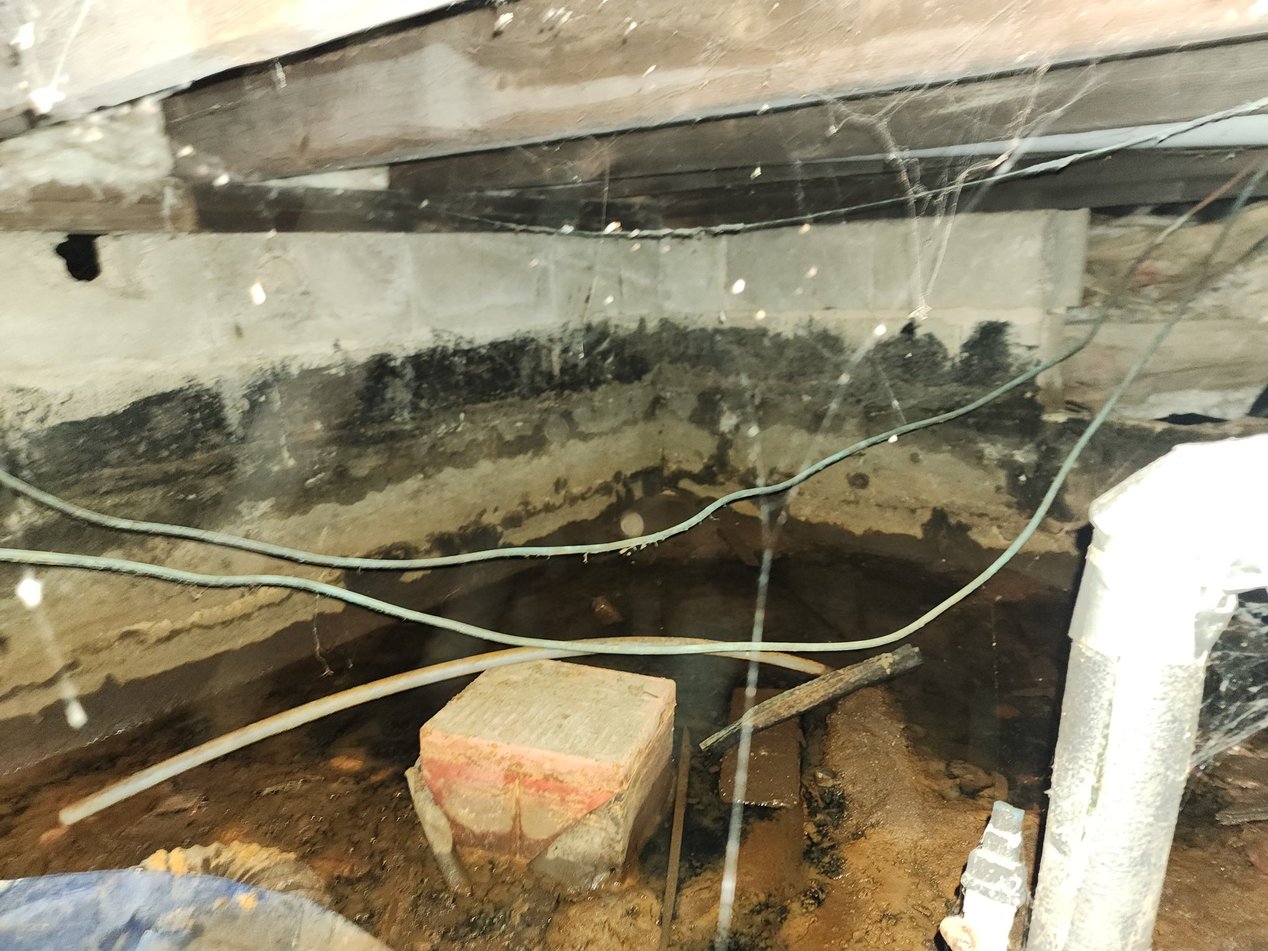
Mold growth is not determined by whether a surface is organic or inorganic. It is determined by moisture availability and the presence of microscopic food sources on that surface. Concrete, by nature, absorbs and holds moisture, and it is rarely as clean as it appears.
To understand whether mold can grow on concrete, it’s important to separate what mold feeds on from what allows it to survive. In this blog, we’ll give you a clear picture of how mold grows, why it can and will grow on concrete, and how to get rid of it and ensure it doesn’t come back.
From Long Island? Schedule a Professional Mold Inspection with Us Today!
Does Mold Actually Grow On Concrete?
Concrete is particularly vulnerable to mold issues because of how it behaves in real-world environments. First, concrete is porous. Even when it looks smooth and solid, it contains microscopic capillaries that absorb water. Once moisture enters the concrete, it can remain trapped for long periods, especially below grade or in poorly ventilated areas.
Second, concrete dries slowly compared to materials like metal or tile. In basements, garages, crawl spaces, and slab foundations, this slow drying creates long windows of elevated moisture, ideal conditions for mold growth on surface contaminants.
Finally, concrete frequently experiences temperature differentials. Cold concrete surfaces meeting warm, humid air can cause condensation, creating moisture exactly where mold needs it most. This is common on basement walls, slab floors, and garage foundations.
Taken together, these factors make concrete one of the most common hidden contributors to mold problems, despite its reputation as a “safe” building material.
Common Places Mold Forms on Concrete
Mold growth on concrete is rarely random. It tends to appear in predictable locations where moisture exposure is consistent, ventilation is limited, or temperature differences are common.
Common problem areas include:
- Basement walls and slabs, where groundwater pressure, humidity, and cool temperatures converge
- Parking garages, which experience repeated wetting from vehicles, poor drainage, and limited drying
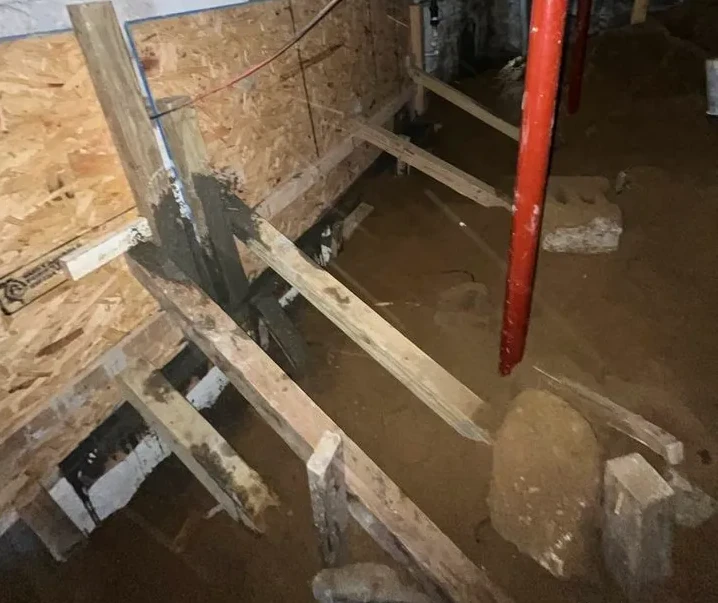
- Crawl spaces, especially those with exposed soil, unsealed slabs, or inadequate vapor barriers
- Mechanical rooms, where condensation from HVAC equipment and plumbing lines is common
- Elevator pits, which are often below grade and prone to standing water or seepage
- Foundations and retaining walls, particularly on the soil-facing side where moisture intrusion is ongoing
These locations matter because mold on concrete often serves as a starting point. From there, it can spread to framing, insulation, drywall, flooring, and stored contents, turning a localized moisture issue into a building-wide problem.
How Moisture Reaches Concrete Surfaces
Concrete does not need to be visibly wet to support mold growth. Moisture can reach and remain within concrete through several mechanisms, many of which are invisible without proper assessment.
The most common sources include:
- Groundwater intrusion, where hydrostatic pressure pushes moisture through foundation walls or slabs
- Vapor transmission, where water vapor moves through porous concrete even without liquid leaks
- Condensation from humid air, especially when warm indoor air contacts cooler concrete surfaces
- Plumbing leaks, including slow seepage from pipes embedded in or running along concrete
- Poor drainage around the home, which allows surface water to pool against foundations
Understanding these pathways is critical, because mold growth on concrete almost always points to an unresolved moisture source rather than a surface-level cleanliness issue.
Can Mold Grow Through Paint or Sealers on Concrete?
Painted or sealed concrete is often assumed to be protected, but coatings alone do not stop mold growth. Most paints and concrete coatings are not moisture barriers. They may slow moisture movement temporarily, but they do not prevent vapor transmission or water intrusion from below or behind the surface.
Mold can grow:
- Beneath coatings, when moisture becomes trapped between the concrete and the paint or sealer
- On surface contamination, even when the coating itself is intact
- After sealer failure, especially when products are improperly applied or incompatible with moisture conditions
In some cases, coatings can make mold problems worse by trapping moisture inside the concrete, creating hidden growth that goes unnoticed until odors, staining, or air quality issues develop.
Health and Structural Concerns of Mold on Concrete
Mold on concrete is not just a cosmetic issue. It introduces real health, air quality, and structural concerns, particularly when left unaddressed.
Key risks include:
- Airborne spore release, which can affect occupants even if the mold appears limited to hard surfaces
- Persistent odors, signaling microbial activity and degraded indoor air quality
- Spread to adjacent materials, such as wood framing, insulation, drywall, and flooring
- Indicator of ongoing moisture problems, which can lead to long-term structural deterioration
Concrete mold is often a warning sign rather than an isolated condition. Addressing the visible growth without resolving the moisture source allows the problem to persist, spread, or return.
How to Tell If It’s Mold You’re Seeing on Your Concrete?
Identifying mold on concrete can be challenging because not all discoloration or residue indicates biological growth. Concrete naturally develops stains, mineral deposits, and surface changes that are often mistaken for mold.
Key indicators that mold may be present include:
- Visual staining that appears irregular or fuzzy, often green, black, gray, or brown, rather than powdery or crystalline
- Musty or earthy odors concentrated near concrete surfaces, especially in basements, crawl spaces, or mechanical areas
- Growth patterns that return after cleaning, suggesting active moisture rather than surface dirt
A common point of confusion is efflorescence versus mold. Efflorescence is a white or light gray crystalline residue caused by salts moving through concrete with moisture and evaporating at the surface. It does not have a smell and does not spread like mold. Mold, by contrast, involves organic material and often coincides with odor and moisture persistence.
Why Cleaning Mold Off Concrete Often Fails
Cleaning mold from concrete frequently produces short-term visual improvement but long-term failure.
Surface cleaning removes what is visible, but it does not address the moisture stored within the concrete itself. Because concrete absorbs and retains water, conditions that allowed mold to grow in the first place often remain unchanged after cleaning.
Common reasons cleaning fails include:
- Moisture remaining inside the concrete, continuing to support growth on surface contaminants
- Regrowth after drying cycles, especially in basements and below-grade spaces
- Improper cleaning methods, which can disturb colonies and spread spores into the air
Without moisture control, even aggressive cleaning measures lead to repeated mold return, reinforcing the need for proper assessment before treatment.
When Mold on Concrete Requires Professional Assessment
Not every instance of mold on concrete requires professional involvement, but certain conditions significantly increase risk and complexity.
Professional assessment is typically warranted when:
- Mold growth is recurring, despite cleaning or environmental changes
- Contamination is widespread, covering large surface areas or multiple locations
- The space is commercial or multi-occupant, where health, liability, or compliance concerns exist
- Moisture sources are hidden or unclear, such as subsurface water intrusion or vapor movement
- Documentation is required, including reports for insurance, property transactions, or regulatory review
In these situations, identifying the moisture dynamics is more important than removing visible growth alone.
Can Mold Grow on Concrete: Final Thoughts
Mold on concrete is rarely about the concrete itself. It is a signal that moisture is present, persistent, and behaving in ways the building was not designed to manage. Because concrete absorbs and holds water, it can quietly support mold growth long before obvious damage appears, often spreading risk to nearby materials and indoor air quality in the process.
The most important takeaway is this: cleaning visible mold without identifying and correcting the moisture source almost always leads to recurrence. Whether the issue involves groundwater, humidity, condensation, or hidden leaks, lasting solutions depend on understanding how moisture is moving through the structure.
If mold is appearing on concrete, it should be treated as an early warning rather than a surface-level problem. Identifying the cause early can prevent wider contamination, structural complications, and ongoing health concerns as conditions worsen over time.