
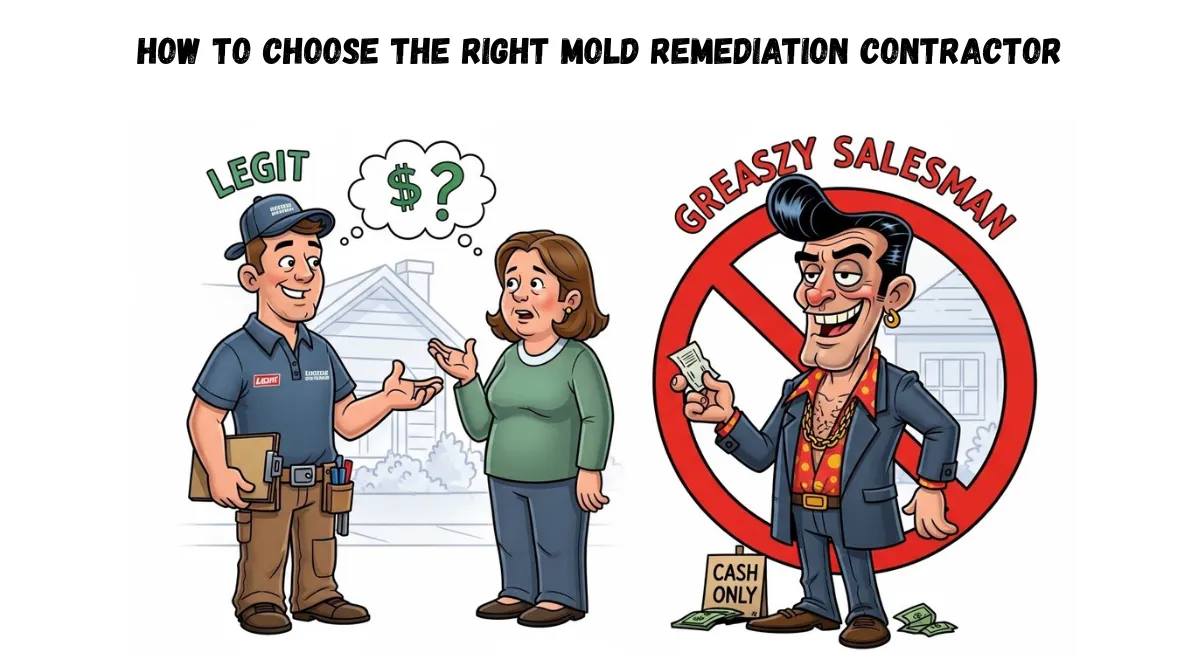
How to Choose the Right Mold Remediation Company
Buying or dealing with mold is stressful enough. Hiring the wrong mold remediation company makes it worse, not better. Homeowners end up paying twice, buyers watch deals fall apart, and sellers fail re-inspections because the problem was never actually fixed. The issue is not bad luck. It is misunderstanding what real mold remediation involves and how to evaluate the people offering it.
This guide explains how to choose a mold remediation company the right way. Not based on ads, scare tactics, or the lowest quote, but on process, qualifications, and documentation that hold up under inspection, insurance review, and real estate scrutiny. By the end, you should be able to eliminate the wrong contractors quickly, ask smarter questions, and hire a company that solves the problem once instead of creating a sequel.
If You’re in Long Island, Call on Mold Removal Experts for Free Mold Inspections and Proven Solutions that Stop Mold for Good!
Breathe Easy Again with Our Expert Crawl Space Mold Removal Services for New York Properties
The consequences of a bad mold remediation hire usually do not show up right away. They surface later, when money, timelines, and transactions are already on the line and fixing the mistake costs more than doing it right the first time.
Hiring the wrong mold remediation company rarely “almost works.” It fails in repeatable, expensive ways that homeowners, buyers, and sellers care about. These are the most common outcomes when remediation is treated like cleaning instead of a corrective process.
- Mold Comes Back: The visible growth is removed, but the moisture source is never identified or corrected.
- Failed Re-Inspection: Contaminated materials remain behind walls, under flooring, or in insulation, triggering inspection failures.
- Lost Buyers Or Delayed Closings: Missing or inadequate clearance documentation causes deals to stall or fall apart.
- Insurance Claim Denials: Work that does not follow recognized remediation standards often fails to qualify for coverage.
- Higher Long-Term Costs: Partial or cosmetic fixes require repeat remediation, demolition, or extended drying later.
These problems happen because mold remediation is not cleaning. Wiping surfaces, fogging chemicals, or spraying antimicrobials does not remove contaminated materials or stop moisture intrusion. When remediation is handled like housekeeping, the result is stalled transactions, repeat work, and costs that homeowners thought they were avoiding but end up paying anyway.
What a Legitimate Mold Remediation Company Actually Does
A legitimate mold remediation company starts by controlling spread through proper containment. Contaminated materials are then physically removed, not treated in place. The underlying moisture source is identified and corrected so conditions that caused the growth are eliminated. Only after drying and cleanup is complete does clearance verification occur, confirming the space meets post-remediation standards.
- Containment: Isolates affected areas to prevent cross-contamination.
- Material Removal: Removes drywall, insulation, or finishes that cannot be salvaged.
- Moisture Correction: Fixes leaks, drainage, or humidity issues that caused the problem.
- Clearance Verification: Confirms the work was completed properly.
If any of the mold remediation steps are skipped, the job is not remediation. It is a temporary cosmetic fix.
Certifications That Matter
Credentials should make it easier to evaluate a mold remediation company, not create more confusion. The right certifications signal training, accountability, and an understanding of how mold problems are actually resolved, while weak claims are often just marketing shortcuts.
Be cautious with phrases like “EPA approved.” The EPA does not approve mold remediation companies or certify chemicals for residential mold removal, making this claim meaningless in real-world hiring decisions.
- IICRC AMRT Certification: Indicates formal training in applied microbial remediation, including containment, material removal, and contamination control.
- IICRC WRT Certification: Shows training in water damage restoration, which matters because mold is a moisture problem before it is a growth problem.
- State Licensing Where Required: Confirms the company complies with local mold remediation or construction regulations where licensing is mandated.
- Insurance And Bonding For Mold Work: Verifies the contractor carries coverage that specifically includes mold-related liability, not just general services.
Mold Testing vs. Remediation: Why Separation Matters
Testing and remediation serve different roles, and problems arise when those roles overlap. When a company controls both the cleanup and the test results, the outcome may be questioned later by inspectors, insurers, or buyers.
Independent testing matters when clearance documentation is required for a real estate transaction, insurance claim, or lender review. In smaller, clearly defined projects, testing may not be necessary if visual conditions and moisture levels meet accepted standards. Knowing when independence adds value helps avoid unnecessary costs while still protecting the result.
Red Flags to Watch Before You Sign Anything
Most problematic mold jobs show warning signs before the contract is ever signed. Recognizing these early helps homeowners avoid repeat work, failed inspections, and unexpected costs later.
- Quotes Without Inspection: Signals guesswork instead of a real assessment of extent, materials, and moisture sources.
- Flat Pricing Per Room: Treats mold like surface cleaning and ignores how construction materials and access affect scope.
- Pressure Tactics: Pushes fast decisions before inspection details, documentation, or limitations are discussed.
- “Kill Mold” Language: Focuses on chemicals rather than physical removal and moisture correction.
- Refusal To Discuss Moisture Source: Almost guarantees the mold will return after the work is completed.
Estimates, Scope, and Why Prices Vary
Mold remediation prices vary because the work itself varies from property to property. Extent of damage, materials affected, access conditions, and moisture sources all change what is required to do the job correctly.
- Extent Of Affected Materials: Larger or hidden areas increase labor, containment, and removal requirements.
- Type Of Materials Involved: Drywall, insulation, framing, and finishes all require different handling and removal methods.
- Moisture Source And Correction Needs: Fixing leaks, drainage issues, or humidity problems adds scope beyond surface cleanup.
- Clearance And Documentation Requirements: Independent verification and reporting add cost but protect transactions and claims.
Lower bids often exclude one or more of these steps. A legitimate estimate explains the scope first, then provides a price range based on what is actually required to solve the problem.
Mold Remediation During Real Estate Transactions
Mold remediation during a real estate transaction follows different rules than a routine homeowner project. The work must satisfy inspectors, lenders, and sometimes insurers, all on a tight timeline that leaves little room for guesswork or missing paperwork.
- Clearance Documentation: Written verification that remediation was completed properly is often required for closing and must come from a credible source.
- Timing Coordination: Work must align with inspection deadlines, buyer contingencies, and closing schedules to avoid delays.
- Lender And Inspector Expectations: Banks and inspectors care about documented resolution, not verbal assurances or surface-level fixes.
- Why Speed And Documentation Matter More Than Cost: A cheaper job that fails clearance can cost far more in lost deals, extensions, or price reductions.
In real estate scenarios, the best contractor is the one who understands transactions, communicates clearly, and delivers documentation that holds up under review.
DIY vs. Professional Mold Remediation: Where the Line Actually Is
DIY mold cleanup is not always wrong, but it is often misunderstood. The key difference is not effort or intent, but scope and the materials involved.
- Safe DIY Scenarios: Small areas on non-porous surfaces with no ongoing moisture issues and no inspection requirements.
- When DIY Fails Inspections: Any situation involving drywall, insulation, framing, or hidden growth typically requires professional removal.
- Why Partial Removal Causes Spread: Disturbing contaminated materials without containment can release spores into unaffected areas.
DIY works only when the problem is limited and fully understood. Once mold affects building materials or a transaction is involved, professional remediation becomes necessary.
Questions to Ask Before Hiring a Mold Remediation Company
The right questions make competence obvious without putting anyone on the defensive. A qualified contractor should answer clearly and confidently.
- How Do You Contain Mold During Removal?
- Will You Identify and Correct the Moisture Source?
- What Materials Will Be Removed Versus Cleaned?
- Do You Provide or Coordinate Clearance Documentation?
- Are You Insured Specifically For Mold Remediation?
- Do You Follow IICRC Or Comparable Standards?
- How Do You Protect Unaffected Areas Of The Home?
- What Does Your Estimate Exclude?:
What Happens After Mold Remediation Is Completed
Finishing remediation does not mean guessing whether it worked. Proper follow-up confirms the issue was resolved and helps prevent future problems.
- Post-Remediation Verification: Visual inspection and, when required, independent clearance testing confirm success.
- Drying Confirmation: Moisture levels are checked to ensure conditions no longer support mold growth.
- Prevention Recommendations: Guidance is provided to address humidity, drainage, ventilation, or leaks.
- Warranties Or Guarantees: Some companies offer limited assurances tied to moisture control and scope.
Completion should feel conclusive, not uncertain. Documentation and clear next steps are part of the service.
Choosing a mold remediation company should feel informed, not rushed. A qualified contractor focuses on inspection, transparency, and documentation so the problem is solved once and holds up under scrutiny.
If you are seeing warning signs or preparing for an inspection or transaction, a professional assessment is the smartest first step. The right company does not promise quick fixes. They provide clear answers, a defined scope, and results you can rely on.
How to Choose the Right Mold Remediation Company: Final Thoughts
Choosing a mold remediation company should feel informed, not rushed. A qualified contractor focuses on inspection, transparency, and documentation so the problem is solved once and holds up under scrutiny.
If you are seeing warning signs or preparing for an inspection or transaction, a professional assessment is the smartest first step. The right company does not promise quick fixes. They provide clear answers, a defined scope, and mold remediation solutions you can rely on.
Frequently Asked Questions About Hiring a Mold Remediation Company
How Do I Know Mold Is Really Gone?
Proper remediation removes contaminated materials, fixes the moisture source, and leaves the area visibly clean and dry. Reputable contractors document their work and can explain what was removed, dried, and sealed.
Should I Hire the Cheapest Mold Company?
Cheapest usually means steps were skipped. Real value comes from correct containment, source correction, and documentation that prevents mold from returning.
How Long Does Mold Remediation Take?
Small surface jobs can take a few days, while larger projects may take a week or more. Drying time and verification often determine the timeline, not just removal.
Will Insurance Cover Mold Remediation?
Insurance coverage depends on the cause of the moisture and policy language. Sudden water events with clear documentation are far more likely to be covered than long-term leaks.
Do I Need Mold Testing After Remediation?
Post-remediation testing is sometimes required for real estate, insurance, or peace of mind. Visual clearance and moisture verification are often more important than air samples alone.
Can Mold Come Back After Remediation?
Yes, if moisture problems are not fixed. Mold remediation without drainage, ventilation, or leak correction is temporary by definition.
Can Mold Come Back After Remediation?
Yes, if moisture problems are not fixed. Mold remediation without drainage, ventilation, or leak correction is temporary by definition.
Is It Safe to Stay in the Home During Remediation?
Many projects allow occupants to remain in the home if containment is done correctly. Large or sensitive cases may require temporary relocation, especially for children or immunocompromised occupants.
What Certifications Should a Mold Remediation Company Have?
Look for training in recognized remediation standards and documented experience, not just a license. Certification means nothing if procedures are not followed on-site.
Does Mold Remediation Include Fixing the Water Problem?
It should. Removing mold without addressing leaks, drainage, or humidity is incomplete work and usually leads to repeat contamination.