

Mold is a naturally occurring, microscopic fungus that exists almost everywhere on Earth. It plays an important role in nature by breaking down dead organic materials and recycling nutrients back into the environment. Without mold and other decomposers, ecosystems would become clogged with decaying plant and animal matter.
Inside buildings, however, mold is not beneficial. When it grows indoors, it can damage structural materials, reduce air quality, trigger health reactions, and lead to costly repairs. In this guide, we’ll discuss exactly what mold is, how it compares to mildew and mushrooms, the most common types of mold, and why it’s dangerous to leave in houses and buildings.
What is Mold?
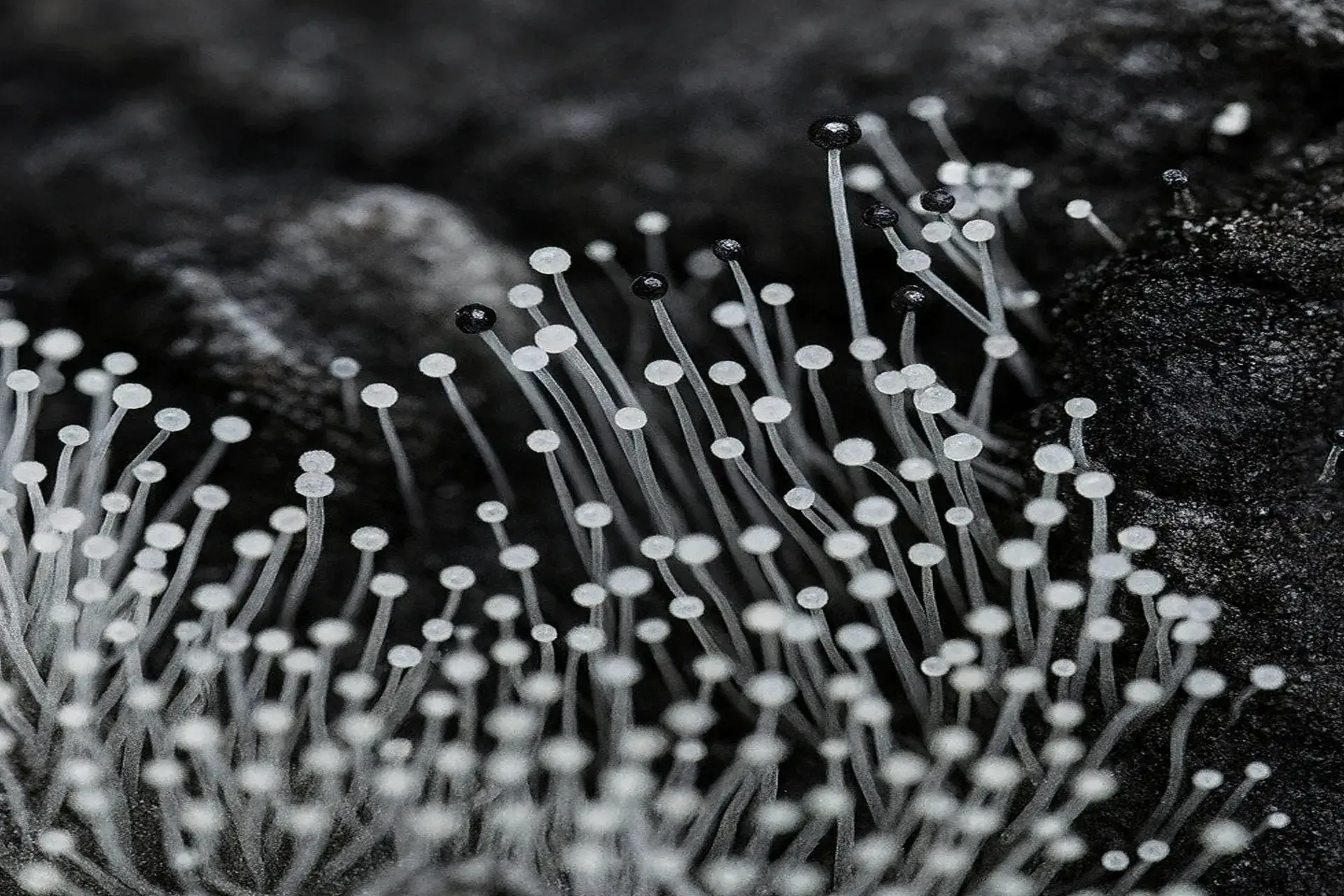
What is mold, anyway? Mold is a type of fungus made up of microscopic, thread-like structures called hyphae. These hyphae connect to form a larger network known as a mycelium. This hidden network spreads through the surface it grows on, absorbing nutrients from organic material such as wood, paper, fabric, drywall, or food.
Unlike plants, mold does not produce its own food through photosynthesis. Instead, it breaks down organic matter by releasing enzymes and absorbing the nutrients it needs to survive and expand. As it grows, it reproduces by forming and releasing microscopic spores into the air. These spores are extremely light and can travel long distances through air movement, foot traffic, water, and ventilation systems.
One of the reasons mold is so persistent is its ability to remain dormant. Mold spores can survive for long periods in dry or unfavorable conditions, sometimes for years, and reactivate once moisture becomes available again. This is why even clean or newly renovated spaces can still develop mold if a water issue occurs.

Health Risks Associated with Mold
Indoor mold exposure can affect people in different ways depending on the species present, the concentration of spores in the air, the length of exposure, and an individual’s sensitivity or overall health. Some people may experience mild irritation while others can develop more serious, long-term complications.
Common Symptoms
Short-term or moderate exposure often causes symptoms similar to environmental allergies or respiratory irritation, including:
- Sneezing and nasal congestion
- Coughing or throat irritation
- Watery, itchy, or red eyes
- Skin rashes or irritation
- Headaches or unexplained fatigue
These symptoms may worsen in certain rooms or improve when the person leaves the affected environment, which is often an early warning sign of indoor mold presence.
More Serious Mold Health Risks
Long-term exposure or exposure to specific mold species can result in more severe reactions, particularly in enclosed or poorly ventilated environments.
- Mycotoxin exposure in certain species and conditions
- Chronic respiratory issues or infections
- Worsening of asthma symptoms and reduced lung function
- Persistent sinus infections or bronchial irritation
- Potential neurological effects such as brain fog or dizziness in sensitive individuals
- Immune system complications in vulnerable populations
In extreme cases, untreated mold exposure in homes, schools, or workplaces can contribute to ongoing health deterioration.
Higher-Risk Groups
Some populations are more vulnerable to the effects of mold and may experience stronger or faster reactions than others.
- Infants and young children
- Elderly individuals
- People with asthma, allergies, or chronic respiratory conditions
- Individuals with weakened immune systems, including those undergoing chemotherapy or managing autoimmune disorders
For these individuals, even moderate levels of indoor mold can create serious health concerns and should be addressed as a priority.
The Benefits Of Mold
The Benefits Of Mold often surprise people because most only hear about its dangers indoors. While uncontrolled indoor mold is a serious health risk, not all mold is harmful. In controlled environments, certain molds are essential to natural ecosystems, food production, medicine, and advanced industrial processes.
Environmental Benefits of Mold
The Environmental Benefits of Mold come from its crucial role as one of nature’s primary decomposers. Mold breaks down dead plants and animals, returns carbon, nitrogen, and minerals to the soil, and supports healthy plant growth cycles. By recycling organic matter and nutrients, mold helps maintain ecological balance and keeps natural systems functioning properly.
Without fungi and mold performing this work, organic waste would accumulate and ecosystems would struggle to regenerate.
Mold Benefits in Food Production
Mold Benefits in Food Production are found in several globally recognized foods that rely on carefully controlled fungal growth. This includes blue cheese varieties like Brie, Camembert, and Roquefort, as well as fermented products such as miso, soy sauce, and tempeh.
These molds are cultivated under strict, controlled conditions that make them safe and beneficial. This is entirely different from uncontrolled indoor mold, which forms in damp, unhealthy environments and poses risks to buildings and people.
Benefits of Mold to Medicine and Science
The Benefits of Mold to Medicine and Science include some of the most important medical breakthroughs in history. Mold led to the discovery of penicillin, which revolutionized the treatment of bacterial infections. It has also contributed to the development of antibiotics, cholesterol-lowering drugs, and immunosuppressants.
Today, fungi continue to play an essential role in genetic research, pharmaceutical development, and biotechnology innovation.
Benefits of Mold for Industrial Uses
The Benefits of Mold for Industrial Uses extend into advanced and environmentally-focused technologies. Mold and related fungi are used in bioremediation to break down pollutants in soil and water, in enzyme production for detergents and industrial processes, and in biofuel and chemical manufacturing. Some species even support agricultural and soil-health improvements.
In carefully managed environments, mold is not a threat — it is a powerful biological tool with wide-reaching applications.
Mold vs. Mildew vs. Mushrooms
Although often confused, mold, mildew, and mushrooms are different forms of fungal growth with distinct characteristics.
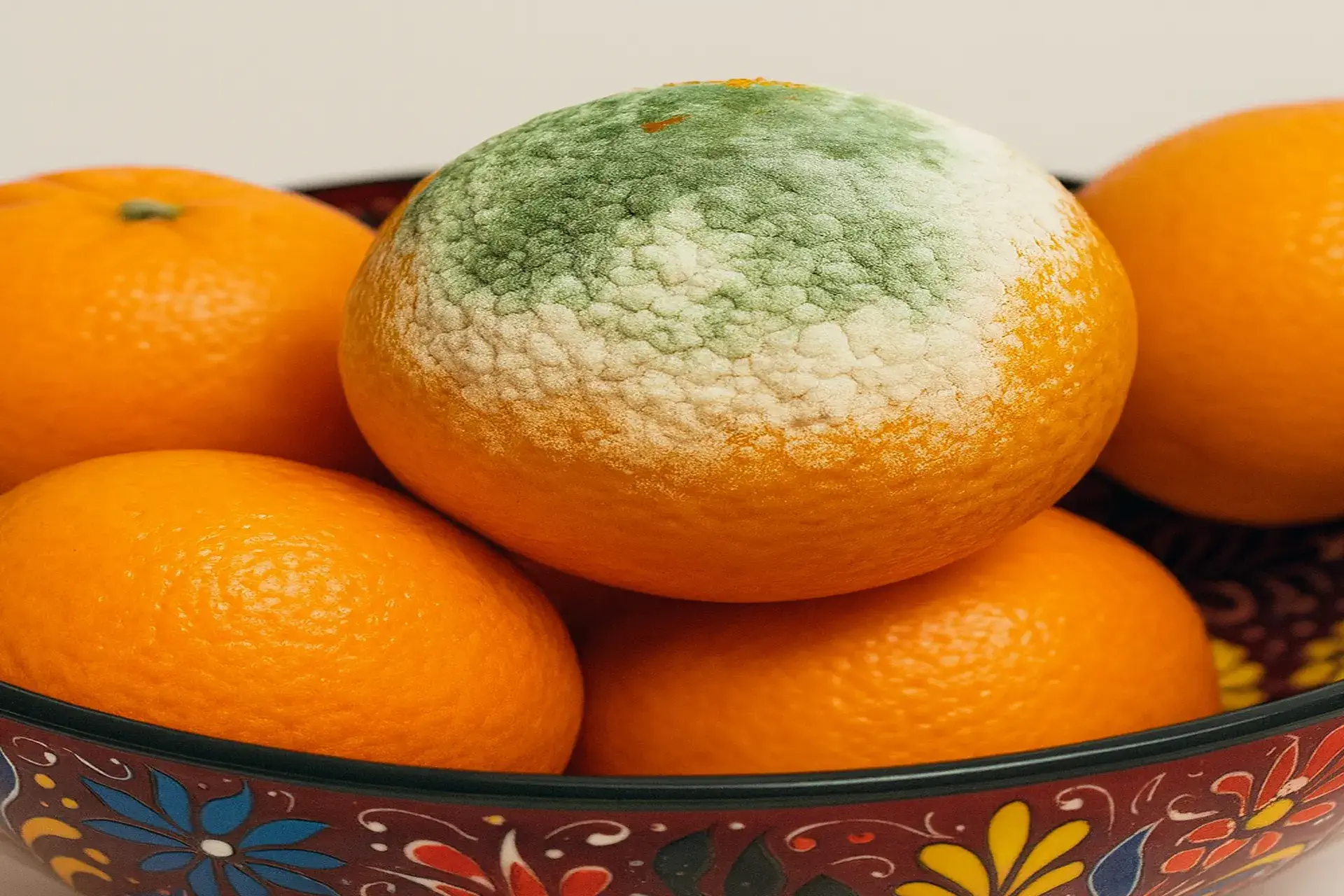
- Mold: Mold typically appears fuzzy, slimy, or blotchy and may be green, black, white, brown, or blue. It tends to grow deeper into materials and is more likely to damage structural elements like drywall, wood framing, insulation, and fabrics. Mold is usually associated with moisture problems and can affect indoor air quality.
- Mildew: Mildew is a more superficial form of fungal growth. It often looks like a flat, powdery, or fluffy coating that is white or gray in color. Mildew usually grows on the surface of damp materials such as bathroom tile, shower curtains, window sills, or outdoor siding. While still undesirable, mildew is generally easier to clean and less destructive than mold.
- Mushrooms: Mushrooms are the visible fruiting bodies of certain fungi and are not the same as household mold growth. While mold spreads as a microscopic network inside materials, mushrooms grow above the surface and are often a sign of extreme moisture and long-term decay beneath a surface, such as in rotting wood or soil. Finding mushrooms indoors is a serious red flag for hidden structural moisture and decay.
How Does Mold Grow?
Mold follows a relatively predictable life cycle that begins with spores and ends with new colonies forming and spreading.
- Spore Release: Mold releases microscopic spores into the air as part of its natural reproductive process. These spores move through air currents or attach themselves to dust, clothing, pets, water droplets, and building materials.
- Germination: When a spore lands on a surface that has moisture and organic material, it can begin to germinate. This process can start in as little as 24 to 48 hours under the right conditions.
- Growth and Colonization: Once germination occurs, the mold begins to grow hyphae and form a mycelium. This network spreads through the material, breaking it down for nutrients. As it expands, it becomes visible on the surface in the form of patches, discoloration, or fuzzy growth.
- Reproduction and Spread: A mature mold colony produces new spores, which are released into the air and spread to new locations. This is how a small, localized moisture problem can turn into widespread contamination if not addressed quickly.
This cycle explains why moisture control is the single most critical factor in preventing mold growth in homes, buildings, crawl spaces, and basements.
Taxonomy And Common Types Of Mold
Mold is not a single organism. It is an umbrella term for over 100,000 different species spread across multiple biological groups. Some are useful, some are harmless, and others can damage buildings or affect health. Understanding how mold is classified and which types commonly appear in residential and commercial environments helps eliminate confusion and focuses attention on what truly matters: moisture, materials, and conditions.
The table below organizes molds by major fungal groups, common genera, where they are typically found, and why they matter.
Major Mold Groups, Common Types, And Key Characteristics
| Group / Type | Description | Common Locations | Why It Matters |
|---|---|---|---|
| Ascomycetes | Sac fungi that produce spores in microscopic sacs called asci. This is the largest group and includes many household molds. | Walls, ceilings, wood, drywall, food, fabrics | Most indoor molds belong to this group. Includes both beneficial and harmful species. |
| Basidiomycetes | Produce spores on club-shaped structures. Includes mushrooms and many wood-decaying fungi. | Crawl spaces, basements, framing, attics, structural wood | Can cause wood rot and structural weakening when moisture is present long-term. |
| Alternaria | Common allergen often found on plants and damp surfaces. | Bathrooms, basements, window frames, soil | Frequently linked to allergy and asthma symptoms. |
| Aspergillus | Very large genus with both useful and harmful species. Some can produce mycotoxins. | HVAC systems, insulation, dust, damp walls | Can affect respiratory health and produce toxins under certain conditions. |
| Cladosporium | Thrives in cooler conditions and spreads in indoor and outdoor air. | Window frames, AC units, wood, fabrics | One of the most common molds found in homes and buildings. |
| Penicillium | Known for antibiotic discovery and cheese making. Spreads quickly on damp materials. | Insulation, wallpaper, carpets, furniture | Rapid colonizer after leaks or water damage. |
| Stachybotrys (“Black Mold”) | Requires very wet conditions and grows on cellulose-based materials. | Wet drywall, ceiling tiles, paper-backed insulation | Indicator of chronic water damage. Can produce mycotoxins in certain environments. |
| Rhizopus & Mucor | Fast-spreading molds found in soil and decaying materials. | Spoiled food, compost, damp organic materials | Causes rapid decay and can be dangerous in medical environments. |
| Trichoderma | Found in damp wood and building materials. | Framing, subfloors, soil, water-damaged structures | Contributes to material breakdown and hidden deterioration. |
| Zygomycetes | Rapid-growers that colonize food and organic materials. | Bread, fruit, soil, damp surfaces | Known for fast reproduction in warm, moist conditions. |
| Xerophilic Molds | Can grow in dry or low-moisture environments. | Cereal, dried food, spices, dusty surfaces | Explains why mold can appear even in areas that seem “dry.” |
What Does Mold Need to Grow
Mold growth is predictable. When the right conditions exist, mold will grow quickly and spread quietly. Understanding what mold needs to thrive helps homeowners identify risk areas early and stop a small problem before it becomes structural or hazardous.
Mold requires four main conditions to grow: moisture, favorable temperature and humidity, organic nutrients, and a suitable surface with access to oxygen.
Moisture (Primary Requirement)
Moisture is the single most important factor in mold growth. Mold spores are already present in the air and on surfaces, but growth will not begin without water.
Common moisture sources include:
- Roof or plumbing leaks
- Condensation on cold surfaces
- Flooding or storm intrusion
- High indoor humidity above 60%
- Damp crawl spaces or basements
Mold can begin growing on damp materials within 24 to 48 hours. Porous materials like drywall, insulation, carpet, and wood absorb water easily, making them especially vulnerable.
Temperature and Humidity
Mold thrives in the same temperature range that is comfortable for people, which makes homes, offices, and buildings ideal environments when moisture is present.
For prevention:
- Keep indoor humidity between 30% and 50%
Important notes about temperature:
- Mold grows well between 68°F and 86°F
- Mold spores can survive extreme heat, cold, and dryness
- Growth resumes once conditions improve
Some molds, known as xerophilic species, can survive in relatively dry environments, which is why good humidity control is important but not the only prevention strategy.
Nutrient Sources (Organic Material)
Mold feeds on organic matter, and surprisingly, most building materials supply what it needs.
Common materials mold feeds on:
- Wood and framing lumber
- Drywall, paper backing, and joint compound
- Cardboard boxes and stored items
- Carpet, padding, and upholstery
- Insulation products
- Fabrics and clothing
- Food and food residue
As mold digests organic material, it weakens and damages the structure of the material over time.
Surfaces and Oxygen
Mold requires oxygen and grows best on materials that allow moisture to remain trapped below the surface.
Surface behavior:
- Porous surfaces (drywall, wood, insulation, carpet) allow deep growth
- Semi-porous surfaces (concrete, grout, painted walls) can support mold if they stay damp
- Non-porous surfaces (metal, glass, plastic) only grow mold when dust or organic residue is present
Mold does not grow underwater or in airtight conditions, but it requires very little oxygen to survive and spread.
Common Places Mold Grows
Mold can grow almost anywhere moisture and organic material exist together. Outdoors, mold plays an essential role in breaking down natural matter. Indoors, however, its presence almost always signals a water or humidity problem.
Outdoors, mold is commonly found in:
- Soil and compost
- Fallen leaves and mulch
- Decaying trees and plant matter
- Garden beds and forest floors
- Piles of wet grass clippings or wood debris
Outdoor mold isn’t usually a problem unless it is allowed to build up near a structure or is carried indoors through air, shoes, pets, or building materials.
Common Places You’ll Find Mold Indoors
Indoors, mold is a red flag for moisture intrusion, poor ventilation, or chronic humidity. These areas should always be checked if mold is suspected.
Common indoor locations include:
- Bathrooms and kitchens, especially around tubs, sinks, and appliances
- Basements with foundation leaks or poor drainage
- Crawl spaces with high humidity or standing water
- Attics with roof leaks or insufficient ventilation
- Around windows, door frames, and sill plates
- Near plumbing pipes and HVAC drain lines
- Inside air ducts and around vents
- Under carpeting, behind baseboards, and inside wall cavities after leaks
Hidden mold is especially dangerous. By the time discoloration or a musty odor is noticeable, mold may have already spread through insulation, framing, or subfloor materials.
Preventing Mold Growth
Preventing mold is not about killing spores in the air. It is about removing the conditions that allow mold to activate, spread, and survive. The most effective strategies focus on controlling moisture, improving airflow, making smart building choices, and eliminating opportunities for dampness to linger inside or around a structure.
Mold Prevention Tips:
- Fix roof, plumbing, and foundation leaks immediately
- Maintain indoor humidity below 50 percent
- Use dehumidifiers in basements, crawl spaces, and humid rooms
- Ventilate bathrooms, kitchens, and laundry areas
- Improve exterior drainage and keep water away from the foundation
- Extend downspouts away from the structure
- Address condensation on windows, pipes, ducts, and cold surfaces
- Clean and maintain gutters and downspouts regularly
- Ensure crawl spaces are properly ventilated or encapsulated
- Install proper insulation and vapor barriers in vulnerable areas
Consistent prevention is the most dependable and cost-effective way to stop mold before it becomes a health or structural problem.
Mold Remediation And Cleanup
Once mold is present, prevention alone is not enough. Effective mold remediation requires removing the mold and correcting the moisture problem that caused it.
For small, surface-level areas:
- Clean hard surfaces with soap or detergent and water
- Wear gloves, eye protection, and a mask
- Scrub thoroughly and dry the area completely
- Discard sponges and rags after use
- Launder affected fabrics in hot water
These methods are only appropriate for small, localized areas with no hidden spread.
Professional remediation is recommended when:
- The affected area exceeds approximately 10 square feet
- Mold is inside walls, ceilings, crawl spaces, or insulation
- HVAC systems are contaminated
- Mold keeps returning after cleaning
- Occupants are experiencing symptoms
Porous materials that are wet for more than 48 hours should be removed and discarded:
- Carpet and padding
- Drywall and ceiling tiles
- Insulation
- Pressed wood or particle board
- Upholstered furniture
Chemical and safety guidelines:
- Bleach is often unnecessary
- If used, no more than 1 cup per gallon of water
- Never mix bleach with ammonia or other cleaners
- Avoid ozone generators or foggers
Safe remediation focuses on physical removal and permanent moisture control, not harsh chemicals.
Structural And Financial Impact
Left untreated, mold does more than affect air quality. It compromises the physical structure of buildings and creates significant financial consequences.
- Weakens wood framing, subfloors, and support structures
- Breaks down drywall, insulation, and ceiling materials
- Causes warping, rotting, and material failure
- Leads to expensive restoration and reconstruction
- Reduces property value and resale appeal
- May trigger insurance disputes or claim denials
- Can impact rental agreements and property disclosure
- Increases risk of legal action in tenant or real-estate transactions
Mold damage is often hidden, making professional inspection critical before buying, selling, or renovating a property.
Our Mold Removal Services For Long Island Properties
Long Island properties experience intense moisture from coastal air, storms, groundwater, and aging infrastructure. These conditions create the perfect environment for mold growth and structural moisture damage. Our services are designed to eliminate current problems and prevent future contamination.
- Mold Removal: Mold Removal targets visible and hidden contamination by safely removing affected materials, cleaning all surfaces, and treating the area to stop active mold colonies.
- Mold Prevention: Mold Prevention focuses on correcting moisture sources, sealing vulnerable areas, and applying protective treatments that block future mold growth and recurring infestations.
- Waterproofing And Encapsulation: Waterproofing and encapsulation create a sealed, controlled environment using vapor barriers, drainage systems, and protective membranes to block moisture intrusion at the source.
- Dehumidification Systems: Dehumidification systems regulate humidity levels, removing excess moisture from the air and preventing the damp conditions that allow mold to grow.
- Advanced Air Purification Systems: Advanced air purification systems capture airborne spores, allergens, and contaminants, improving indoor air quality and supporting healthier breathing environments.
Schedule Your Long Island Mold Inspection And Take Back Your Space
Why Choose Mold Removal Experts
When your home or building is at risk, you need more than a contractor. You need trained specialists, proven systems, and people who understand what is really at stake: your health, your property, and your peace of mind.
What Sets Us Apart
- Certified Mold Remediation Specialists
- Advanced Moisture Detection Technology
- Residential And Commercial Expertise
- Long Island Experience And Local Knowledge
- Results-Driven Solutions
Protect Your Property From Mold Before It Spreads Further
What Is Mold: Final Thoughts
Mold is a natural and essential part of the environment, but when it grows indoors, it becomes a serious threat to both human health and structural integrity. The presence of mold inside a building is always a sign of excess moisture, poor airflow, or long-term water intrusion.
Moisture control is the most important factor in preventing mold growth. Early detection, proper drying, and timely repair of leaks, condensation, or ventilation problems can prevent thousands of dollars in damage and potential health complications.
If you suspect mold in your home or business, schedule a professional mold inspection or moisture assessment to identify the source and restore a safe, healthy environment.
Frequently Asked Questions About Mold:
What is mold?
Mold is a type of fungus that grows in multicellular filaments called hyphae. It reproduces by releasing microscopic spores into the air, which can settle on surfaces and grow when moisture is present.
Is mold dangerous to humans?
Some mold species can trigger allergic reactions, respiratory issues, and worsen asthma. Certain types, such as Stachybotrys or black mold, may produce mycotoxins that can be harmful with prolonged exposure.
What causes mold to grow indoors?
Mold grows indoors when four conditions are present: moisture, oxygen, organic material, and time. Common sources of moisture include leaks, flooding, high humidity, condensation, and poor ventilation.
How fast can mold grow after water damage?
Mold can begin growing in as little as 24 to 48 hours after water exposure if the area remains damp and untreated.
What are the most common types of household mold?
The most commonly found indoor molds include Aspergillus, Penicillium, Cladosporium, and Stachybotrys. These species thrive in damp or humid environments.
What does mold look like?
Mold can appear as black, green, white, gray, or orange patches. It may look fuzzy, powdery, slimy, or stained depending on the surface and growth stage.
Can mold grow in hidden areas?
Yes. Mold commonly grows behind walls, under carpets, in crawl spaces, in attics, inside HVAC systems, and beneath insulation where moisture is present.
What is the difference between mold and mildew?
Mildew is a surface-level fungus that is usually white or gray and easier to clean. Mold grows deeper into materials and can cause more significant damage.
Does mold always have a smell?
No. Some mold problems produce a strong musty odor, but other infestations may have little or no noticeable smell, especially in early stages.
Can mold be completely removed?
Yes. Mold can be effectively removed through proper remediation that eliminates the growth and corrects the moisture source to prevent it from returning.